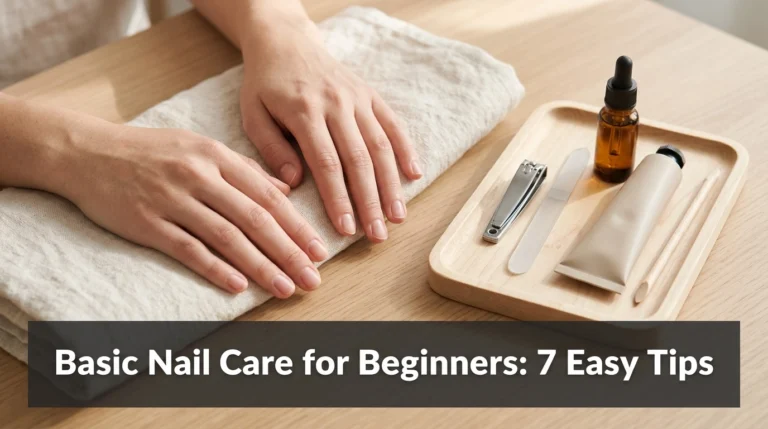
Why Are My Nails Dry? 7 Causes and Simple Fixes
Quick Answer
Your nails may feel dry because of frequent handwashing, repeated wet-to-dry cycles, harsh cleaners, polish remover, or manicure damage. These exposures can leave nails rough, peeling, and easy to split. Moisturize your nails and surrounding skin after washing, use a rich ointment at bedtime, keep nails short, and wear gloves for wet chores. If changes are persistent, painful, or unusual, ask a dermatologist to check for an underlying cause.
You can love glossy manicures and still notice that your bare nails look dull, chalky, or flaky. The surprising part? Too much water exposure can contribute to the dry, brittle feeling you’re trying to fix.
Here’s how to recognize genuine nail dryness, identify what’s causing yours, and build a practical routine that protects the nail you already have.


What Do Dry Fingernails Actually Look and Feel Like?
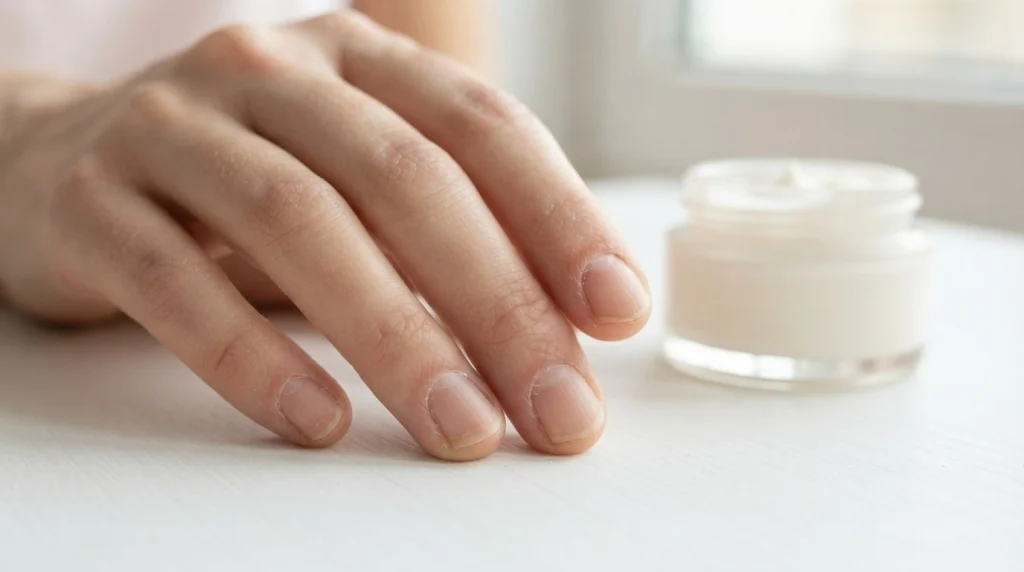
Dry nails don’t always look cracked. Sometimes you first notice that your manicure catches on fabric, your tips feel less flexible, or the area around your cuticles looks rough. It’s helpful to check your nails without polish in bright natural light so you’re seeing the nail plate rather than a coating.
- Peeling tips: Thin layers separate at the free edge, especially after frequent washing or polish removal.
- Splitting or chipping: Small cracks form when an already fragile edge catches on something.
- Rough, dull surfaces: Your nails may feel uneven after repeated buffing, scraping, or enhancement removal.
- Dry surrounding skin: Hangnails, tight-feeling fingertips, and flaky nail folds often appear alongside nail problems.
- Frequent breakage: You struggle to keep your nails at your preferred length because the tips chip before they grow out.
One detail matters: dry skin around a nail isn’t the same thing as a damaged nail plate. Cream can make the skin feel comfortable relatively quickly, but a split or thinned section of nail won’t simply knit itself back together. It needs protection while new nail grows.
Why Are My Nails Dry Even Though I Moisturize My Hands?
If you apply lotion occasionally but keep dealing with peeling tips, think about what happens to your hands between applications. Several everyday habits can overwhelm a light moisturizer, and sometimes the problem is physical damage rather than a lack of cream.
1. Your nails keep getting wet and drying out
Washing dishes, showering, swimming, and frequent handwashing all expose the nail plate to water. Nails can absorb water, then lose it as they dry. Repeating that cycle may make the layers more likely to separate, particularly when the nails are already fragile. The solution isn’t to avoid normal hygiene; it’s to reduce unnecessary soaking and protect your hands during long, wet tasks.
If you often do dishes without gloves, compare your routine with this guide to how hot water affects your nails.
2. Soap, sanitizer, and cleaning products are irritating your hands
Frequent washing is important, but strong detergents and alcohol-based products can dry the skin around your nails. The nail plate itself can also become more fragile after repeated exposure to water and solvents. If your fingertips feel tight after cleaning, choose a gentle hand cleanser where practical and apply moisturizer once your hands are clean.
Don’t skip necessary handwashing to protect your manicure. Instead, keep a fragrance-free cream near the sink so it’s easy to use after each wash. For bleach, degreasers, and household cleaners, follow the product’s glove instructions and avoid direct contact with your nails.
3. You’re changing polish or removing gel too aggressively
Both acetone and non-acetone polish removers can temporarily dry the nail plate, especially when used repeatedly. Picking or peeling away gel, dip powder, or acrylic is a separate problem: it can remove surface layers of the natural nail. That leaves nails feeling thin and rough even if you apply oil afterward.
Use the correct removal method for your manicure, avoid scraping, and pause enhancement services if your nails are sore or visibly damaged. For a closer look at whether a polish break would help, see whether nails are healthier without polish.
4. You’re over-buffing or filing the nail surface
Buffing can create a smooth-looking finish for a manicure, but frequent surface filing removes material you cannot replace with a cream. If your nails suddenly look thin, feel bendy, or show white, scuffed patches after an appointment, friction may be the bigger issue. Put away abrasive buffers for now and smooth only snags at the edge with a fine-grit file.
5. Your cuticle area isn’t protected
The cuticle helps seal the area where new nail emerges. Cutting it deeply or forcefully pushing it back can irritate the skin and increase infection risk. When the surrounding tissue is dry, that area can also develop painful hangnails. Moisturize instead of trimming healthy cuticle tissue, and clip only a loose hangnail with clean tools rather than pulling it.
6. Your environment makes moisture harder to maintain
Cold weather, indoor heating, low humidity, and frequent exposure to dry air can leave fingertips uncomfortable. You may notice this most during seasonal changes or when working in air-conditioned rooms. A richer, fragrance-free cream or petrolatum-based ointment is often more useful here than a watery lotion that disappears as soon as you wash your hands.
7. Occasionally, a health condition is involved
Most brittle nails are linked to everyday exposure or cosmetic damage, but persistent changes can sometimes accompany eczema, psoriasis, thyroid conditions, iron deficiency, or certain medications. A fungal infection may change nail color or thickness too. You can’t tell which condition is present from dryness alone, so avoid guessing at a deficiency or starting supplements without a reason to do so.
How Can You Fix Dry Nails Without Giving Up Manicures?
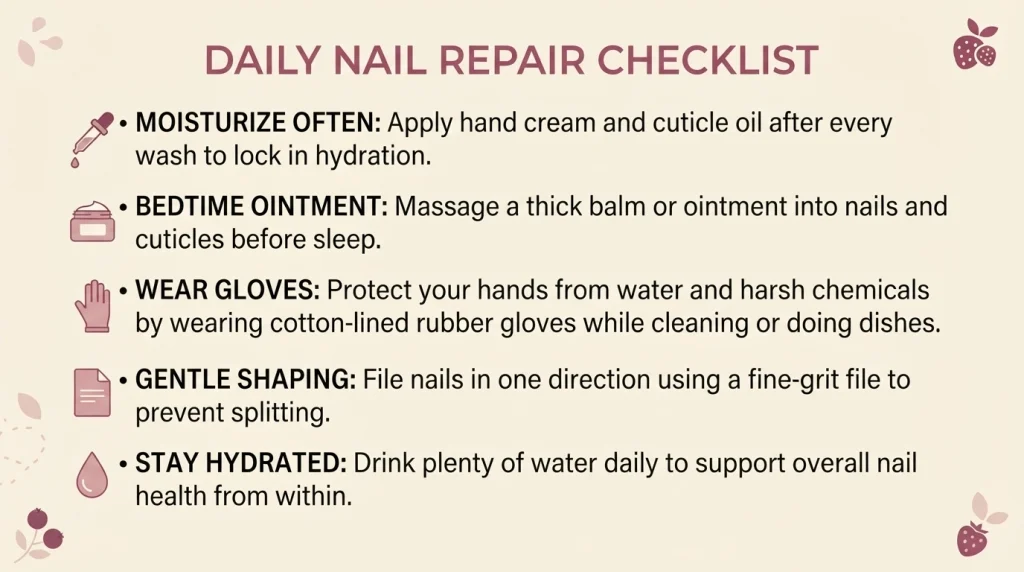
Start with protection, not a complicated product collection. The aim is to limit fresh damage, keep surrounding skin comfortable, and allow the next section of nail to grow without the same repeated stresses. Try the routine below consistently rather than switching treatments every few days.
Moisturize right after washing
Pat your hands dry, then massage a fragrance-free hand cream into your fingertips, nail folds, and exposed nail plates while the skin is still slightly damp. Creams with petrolatum, mineral oil, glycerin, or similar moisturizing ingredients are good everyday options. Use a small amount after each wash rather than waiting until your hands feel tight.
If you’re at work or school, a travel-size tube is more practical than a large jar. Make the habit automatic by putting it beside your soap or hand towel. For a full maintenance checklist, follow this simple guide to caring for your nails properly.
Seal in moisture before bed
At night, massage cream into your hands and gently spread a thin layer of plain petroleum jelly or healing ointment over the nail edges and surrounding skin. An ointment is especially helpful when cuticles feel rough because it reduces moisture loss from the skin while you sleep. You don’t need a thick, dripping coating; a light layer is easier to live with.
If you prefer a dedicated product, Aquaphor Healing Ointment is one option for dry nail folds. Stop using any product that stings, triggers a rash, or makes irritation worse.
Try cuticle oil as an easy extra
A drop of cuticle oil can make dry-feeling skin around the nail more comfortable and helps turn moisturizing into a pleasant daily ritual. Work it around the sides and base of each nail, particularly after removing polish or before bedtime. Jojoba-based formulas are popular because they spread easily, but there is no need to pay extra for a product promising instant nail repair.
A portable jojoba cuticle oil pen can be useful if you forget to moisturize at your desk. Oil supports routine care; it cannot reverse a crack that already exists in the nail.
Wear gloves during wet chores
Put on protective gloves when washing dishes or using cleaning products, and remove them once the task is finished. If your hands sweat easily, consider cotton-lined gloves or a dry cotton liner under suitable household gloves. Avoid leaving your hands damp inside gloves for long periods, since excess moisture can irritate skin too.
Look for cotton-lined cleaning gloves that fit comfortably and are appropriate for your cleaning products. This single change often matters more than buying another nail treatment because it reduces the exposure that is repeatedly stressing your nails.
Keep your nails short and file gently
When nails are splitting, shorter tips are less likely to snag on hair, jeans, or bags. Trim with clean, sharp clippers and soften sharp corners with a fine-grit or glass file. Use light strokes, avoid sawing aggressively, and leave the top surface alone. A smooth, short nail can still look beautiful with a sheer polish or neat natural finish.
For nails already thinned by enhancements, you may find the advice in how damaged nails recover helpful. The key is preventing another tear while the damaged portion moves toward the tip.
Which Products Actually Help Dry Nails?
You don’t need five different strengtheners. Choose products according to the actual problem: moisturizing for dry surrounding skin, protection for repeated water exposure, and gentle tools for edges that snag. If your nails are peeling because the surface was scraped away, no topical product can instantly rebuild those missing layers.
Recommended Product
Fragrance-Free, Rich Hand Cream
A thick, fragrance-free hand cream is a sensible first purchase if dry cuticles and frequent washing are your main problems. Unlike a nail hardener, it also helps the surrounding skin.
As an Amazon Associate, we earn from qualifying purchases.
What about nail hardeners? They can create a protective coating for some people, but formulas vary, and making an already brittle nail extremely rigid isn’t always helpful. Avoid repeated harsh treatments or formaldehyde-containing hardeners if they irritate your nails or skin. If you wear regular polish, use gentle removal and look at your bare nails between manicures so you can spot damage early.
How Long Will It Take for Dry Nails to Improve?
Your cuticle area may start feeling more comfortable within several days of regular moisturizing, but damaged nail plates take longer. Fingernails commonly need around four to six months to grow out completely, and growth speed varies from person to person. A split near the tip may disappear much sooner simply because you can trim it away as it grows forward.
For the first week, focus on avoiding new peeling and soothing dry skin. Over the following weeks, watch whether the nail edge snags less often and whether newly grown nail looks smoother. If you keep adding gel, scraping polish, or exposing your hands to detergents without protection, improvement may be limited even with daily oil.
Take one clear photo of your bare nails now, then another in a few weeks under similar lighting. That’s more useful than examining them every morning and expecting dramatic changes overnight.
What Should You Do and Avoid When Nails Feel Dry?
Do
- Moisturize nails and fingertips after washing.
- Use gloves for dishes and irritating cleaners.
- Keep snagging tips neatly trimmed and filed.
- Remove polish gently and inspect bare nails.
Don’t
- Peel gel or acrylic from natural nails.
- Buff thin nails to chase a smoother look.
- Cut healthy cuticles or pull hangnails.
- Expect supplements to replace nail protection.
Why Are Your Nails Still Dry After Trying These Fixes?
Your cuticles improve, but the tips still peel
Keep moisturizing, but shorten the peeling edges and reduce polish removal, buffing, and prolonged water exposure. The already-separated layers won’t fuse back together; protecting them helps prevent the split from traveling farther.
Your hands feel dry again an hour after lotion
Switch from a light, fragranced lotion to a richer fragrance-free cream or ointment, especially after washing and at bedtime. If itching, rash, or cracks persist, ask a clinician whether hand eczema or contact irritation needs treatment.
Only one nail keeps changing
Check for repeated pressure, picking, or injury, but don’t assume it’s simple dryness. A single nail that’s thickening, lifting, developing unusual color, or staying distorted deserves professional evaluation.
When Is Nail Dryness a Reason to See a Dermatologist?
Everyday dryness and occasional peeling are common. However, some changes look similar at first and need more than moisturizer. Arrange a medical evaluation if your nails remain significantly brittle despite protecting them, or if a new change appears without an obvious explanation.
Warning
Seek medical advice for pain, swelling, warmth, pus, a nail lifting from its bed, significant thickening, or a new or changing dark streak. These aren’t problems to hide under another manicure. If several nails change suddenly or you’re also experiencing symptoms such as unusual fatigue, ask a healthcare professional whether testing is appropriate.
Don’t start iron, biotin, or other high-dose supplements just because your nails peel. The cause may not be nutritional, and biotin can interfere with some laboratory tests. A clinician can help you decide whether you need testing or treatment.
Frequently Asked Questions About Dry Nails
Q: Why are my nails dry after gel polish?
A: Repeated removal, scraping, filing, and solvent exposure can leave nails rough or thin. Avoid peeling the gel, moisturize regularly, and let damaged areas grow out before another enhancement.
Q: Does cuticle oil fix dry nails?
A: Cuticle oil can help condition the skin around your nails and support a moisturizing routine. It won’t reconnect split nail layers or replace the need to protect your hands from repeated water and chemicals.
Q: Is Vaseline good for dry fingernails?
A: Plain petroleum jelly can reduce moisture loss from dry skin around the nails. Apply a little after hand cream or to slightly damp fingertips, particularly at night.
Q: Can dehydration make your nails dry and brittle?
A: You should drink enough fluids for your general health, but drinking extra water isn’t a proven treatment for brittle nails. Repeated external water exposure and nail trauma are much more common everyday factors.
Q: Why are my toenails dry and flaky too?
A: Toenails can be affected by pressure, cosmetic products, and everyday wear, but thick, crumbly, yellowing, or lifting nails may indicate a fungal infection or another condition. Get persistent changes checked instead of treating them as ordinary dryness.
How Do You Keep Nails From Drying Out Again?
Make protection your starting point: moisturize after washing, use ointment when your cuticles feel rough, wear gloves for wet work, and avoid scraping or over-buffing your nails. Those habits help new nail grow without repeating the same damage.
You don’t need a perfect manicure routine to see progress. Save this guide to Pinterest so you can return to the simple fixes whenever your nails start feeling dry.

Hi, I’m Jessica, the creator behind Unique Lash & Nails Katy.
I created this website for anyone who loves beautiful nails as much as I do. Here, I share trendy nail designs, seasonal manicure ideas, easy nail care tips, honest product recommendations, and step-by-step guides to help you create salon-worthy nails at home. Whether you’re looking for everyday inspiration or your next favorite nail trend, I hope you’ll find something you love.