Over-Buffing or Aggressive Filing: Nail Damage Explained
Quick Answer
Over-buffing or aggressive filing can damage nails by removing protective layers of the natural nail plate. This makes nails thinner, weaker, more flexible, and more likely to peel, split, or break. Repeated filing can also leave nails sensitive or painful. Stop surface buffing, keep your nails short, moisturize regularly, and protect them while healthy nail grows out.
Have you ever removed your nail polish and noticed that your nails suddenly feel paper-thin? Maybe they bend more easily, develop rough patches, or hurt when you press on them. Excessive buffing or aggressive filing could be responsible.
A smooth, shiny manicure might look beautiful, but removing too much natural nail material can weaken the surface underneath. The tricky part is that damage often develops gradually, making it difficult to recognize until your nails start peeling or breaking.
Here’s how over-buffing or aggressive filing affects your nails, which warning signs deserve attention, and what you can do to prevent further damage.


What Happens to Your Nails When You Buff or File Too Much?
Your natural nail plate consists of tightly packed layers of hardened keratin. These layers form the visible nail and help protect the sensitive tissue underneath.
When you gently file the free edge of your nails, you’re shaping the portion that extends beyond your fingertip. That’s different from repeatedly filing or buffing the top surface.
Surface buffing physically removes a small amount of nail material. Occasional, minimal smoothing may be tolerated by healthy nails, but excessive pressure, coarse abrasives, and repeated sessions can remove more material than intended.
Over-Buffing Removes Protective Nail Layers
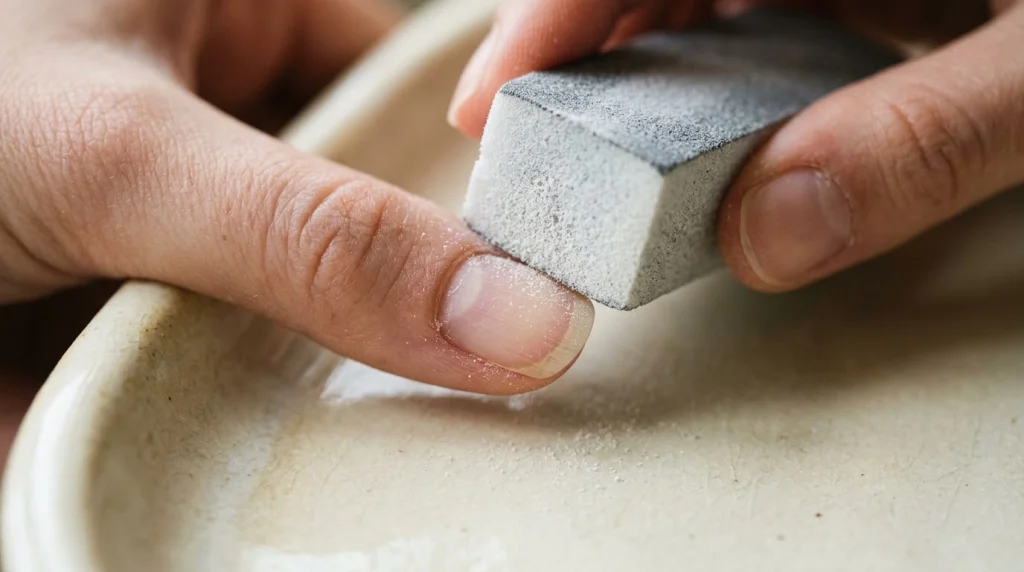
A buffing block works by using friction to smooth irregularities. While this creates a polished appearance, the smoothness comes partly from abrasion.
The more aggressively you buff, the more material you remove. Your nail plate can become noticeably thinner, particularly when you repeatedly target the same area.
Thin nails have less structural support. They may bend during everyday activities, develop tiny splits, and become more vulnerable to additional physical damage.
Aggressive Filing Creates Mechanical Stress
Filing the nail edge too forcefully can leave rough or weakened edges that catch on fabric and split. Using an abrasive file on the upper nail surface can also create scratches and thin spots.
Electric nail files require particular care because they remove material quickly. Excessive pressure, an inappropriate abrasive bit, or prolonged contact can damage the natural nail plate.
The goal should be to preserve your natural nail, not grind away its surface to create a perfectly smooth foundation.
What Are the Warning Signs of Over-Buffed or Over-Filed Nails?
Nail damage doesn’t always appear immediately after a manicure. You might notice subtle changes first, followed by peeling or breakage as your nails experience everyday stress.
1. Your Nails Feel Unusually Thin
Healthy nails naturally vary in thickness, but a sudden change after filing or product removal can indicate surface damage.
Your nails might feel softer than usual or appear unusually translucent. If they’re visibly thinner than before a manicure, avoid additional buffing.
2. Your Nails Bend Too Easily
Excessively flexible nails can become difficult to maintain because they bend during ordinary tasks such as opening containers or typing.
Flexibility alone doesn’t prove over-filing, but new flexibility combined with thinning or peeling after a manicure is a warning sign.
3. Your Nail Tips Start Peeling
Peeling nails often separate into thin layers near the free edge. This can happen when the nail plate becomes weakened by repeated physical trauma.
Once a layer begins lifting, it may catch on clothing and peel farther back. Don’t pull off the loose material, because that can remove additional nail layers.
For more targeted advice, explore this guide on how to stop and fix peeling nails.
4. Your Nails Become Sensitive or Sore
A thin nail plate provides less protection to the sensitive nail bed underneath. You may notice discomfort when touching objects, washing your hands, or applying pressure.
Some people also experience tenderness after aggressive electric filing. Persistent pain is not a normal sign of a successful manicure.
5. You Notice Rough Patches or Uneven Texture
Over-filing doesn’t always create an evenly thin surface. Certain areas may become rough, scratched, or slightly indented.
Trying to erase those marks with additional buffing can make the damage worse. It’s safer to leave the surface alone while the affected nail grows forward.
6. Your Nails Break More Frequently
Thinner nails may split or break more easily when exposed to repeated bending and friction.
If your nails suddenly become fragile after an intensive manicure or artificial nail removal, consider the preparation and removal process as possible contributing factors.
What Types of Nail Damage Can Aggressive Filing Cause?
Over-buffing or aggressive filing can affect several aspects of nail health. The severity depends on how much material was removed, how often filing occurs, and the condition of your nails beforehand.
Nail Plate Thinning
Thinning is one of the most direct consequences of excessive surface abrasion. Repeated filing reduces the thickness of the nail plate, leaving it less resistant to physical stress.
Moisturizing can help condition the nail and surrounding skin, but it cannot immediately replace the keratin layers that were filed away.
Peeling and Splitting
When the nail plate becomes weakened, its layers may separate at the free edge. Small splits can then extend as the nail repeatedly catches on surrounding objects.
Keeping the free edge smooth and avoiding unnecessary manipulation helps limit further damage.
Increased Nail Sensitivity
A thinner nail offers less mechanical protection. Activities that previously felt comfortable may produce tenderness.
Significant burning, persistent pain, bleeding, or worsening symptoms require professional evaluation rather than another cosmetic treatment.
Changes in Nail Appearance
Damaged nails may appear dull, rough, uneven, or unusually thin. White surface marks can sometimes develop after physical trauma, although similar changes have other possible causes.
Not every ridge or white spot comes from over-filing. New, persistent, or unexplained nail changes should be assessed rather than automatically attributed to a manicure.
Warning
If filing causes sharp pain, bleeding, significant heat, or exposed sensitive tissue, stop immediately. Don’t apply polish, glue, or artificial enhancements over an injured nail. Seek medical advice, especially if swelling, redness, drainage, or increasing pain develops.
Which Common Manicure Habits Cause Over-Filing Damage?
You don’t have to intentionally file your nails aggressively to experience damage. Several routine manicure habits can gradually weaken the natural nail plate.
Repeatedly Buffing Away Natural Ridges
Natural nails often have subtle lengthwise ridges. These are common and don’t necessarily indicate a problem.
Buffing until every ridge disappears can remove substantial nail material, particularly from the surrounding raised areas.
If your nails have harmless ridges, a ridge-filling base coat may create a smoother cosmetic appearance without requiring you to remove more nail layers.
Using Coarse Files on Natural Nails
Coarse abrasive files are designed for removing or shaping thicker enhancement products, not for routinely thinning natural nails.
Using them directly on the nail plate can remove material rapidly. Choose a gentler file for natural nail edges and avoid using it to flatten the nail surface.
Overusing Electric Nail Files
An electric file can be useful in trained hands, but incorrect speed, bit selection, pressure, or technique increases the risk of damage.
Repeatedly passing the bit over one small area can create thin spots. Excessive friction may also cause uncomfortable heat.
Aggressive Gel or Acrylic Removal
Removing artificial nail products often requires careful product-specific techniques. Forcefully scraping or drilling away the remaining product can damage the natural nail underneath.
Peeling or prying off enhancements may remove nail layers along with the product.
If you’ve recently removed enhancements, this guide to caring for weak nails after gel or acrylic removal explains how to protect them during recovery.
How Can You Protect Nails From Over-Buffing and Filing Damage?
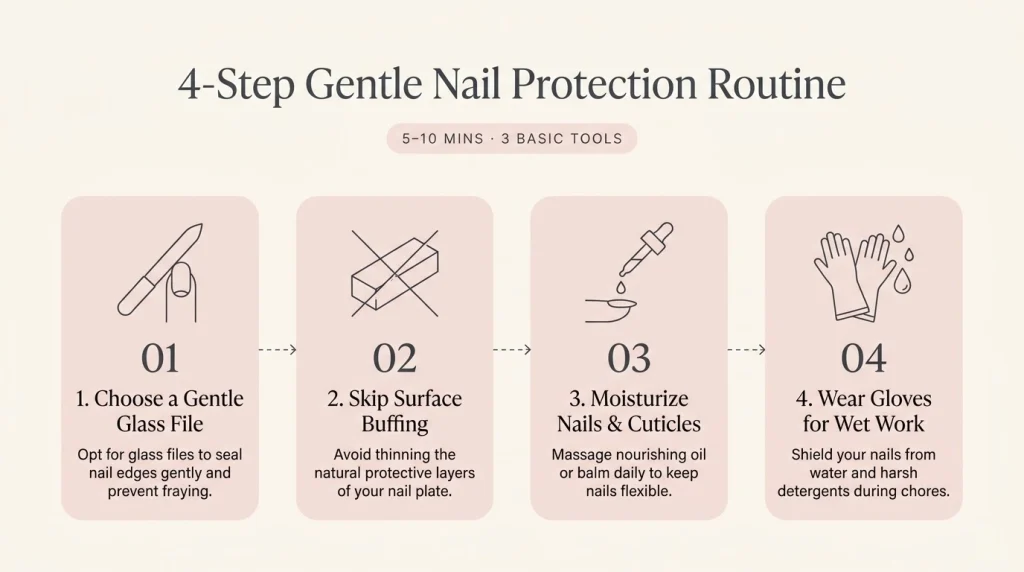
The safest approach is to reduce unnecessary abrasion and make each part of your manicure routine gentler.
Time needed
5–10 minutes
Difficulty
Beginner
Items needed
3 basic tools
Routine
As needed
You only need a few essentials: a gentle nail file, a fragrance-free hand moisturizer, and a conditioning cuticle oil if your skin tolerates it.
Disclosure: As an Amazon Associate, we earn from qualifying purchases.
Step 1: Choose a Gentle Nail File
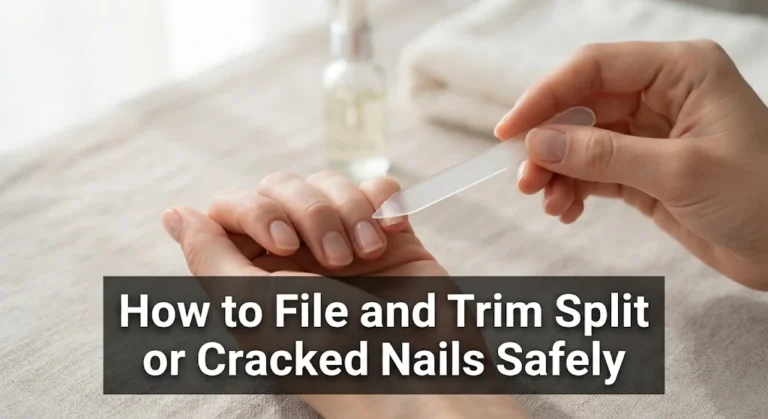
Use a fine-grit file or a suitable glass nail file to shape the free edge. Apply minimal pressure and make controlled strokes rather than aggressively sawing back and forth.
Stop when the edge feels smooth. You don’t need to remove additional material to create a perfect shape.
Common mistake: Using a coarse enhancement file on thin natural nails.
Tool option: Glass Nail File for Natural Nails.
Step 2: Skip Unnecessary Surface Buffing
Examine your nail surface before using any abrasive tool. If your nails are smooth enough for polish, skip buffing entirely.
Leave natural ridges alone rather than trying to file them flat. If your nails are already thin, avoid surface buffing while they recover.
Common mistake: Assuming that every manicure requires sanding the natural nail plate.
Step 3: Moisturize Your Nails and Cuticles
Massage a small amount of moisturizer into your hands, nails, and surrounding skin after washing and whenever they feel dry.
A conditioning cuticle oil can complement your moisturizer. It helps care for dry skin and nail surfaces, but it won’t replace nail layers that have already been removed.
Common mistake: Expecting oil to rebuild an over-filed nail overnight.
Care option: Jojoba-Based Cuticle Oil.
Step 4: Protect Your Nails Between Manicures
Wear protective gloves when washing dishes or using household cleaning products. Avoid prolonged exposure to water and detergents when possible.
Keep nails comfortably short and smooth minor snags before they catch on fabric. Give visibly damaged nails a break from unnecessary cosmetic procedures.
Common mistake: Protecting nails during a manicure but repeatedly exposing them to avoidable stress afterward.
Protection option: Reusable Household Cleaning Gloves.
What Should You Do If Your Nails Are Already Over-Filed?
If your nails have become thin, peeling, or uncomfortable after aggressive filing, your first priority is preventing additional trauma.
Start by stopping all surface buffing, electric filing on the natural nail, and unnecessary scraping. Avoid trying to smooth away visible damage through more abrasion.
Next, shorten excessively long nails if they can be trimmed comfortably. Longer nails experience greater leverage during everyday activities, which can worsen splitting when the nail plate is already fragile.
Apply a gentle moisturizer regularly and protect your hands from detergents and repeated wet work. If the skin is irritated, choose simple products without added fragrance.
Avoid peeling off partially attached polish or artificial nail products. Arrange appropriate removal instead of forcing them off.
For mild, painless damage, these steps may help prevent further breakage while new nail grows. You can also follow the more detailed advice in our guide to repairing a damaged nail at home safely.
Pro Tip
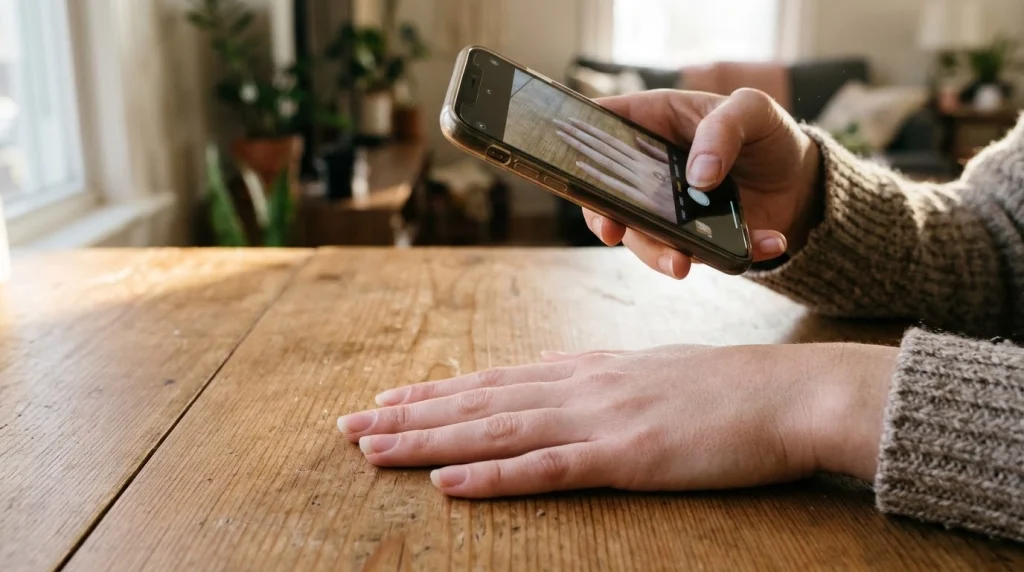
Take a clear photo of your nails when you first notice damage, then compare their appearance every few weeks. This can help you see whether healthier nail is growing from the base without repeatedly touching or buffing the affected surface.
How Long Does It Take for Over-Buffed Nails to Recover?
Recovery depends on the amount of nail material removed and whether the nail-growing structures remain healthy.
Your existing nail plate is made of hardened keratin. Once layers have been filed away, the damaged portion doesn’t regenerate in place. Instead, healthier nail must grow forward from the nail matrix beneath the base of your nail.
Fingernails typically grow around 3 millimeters per month, although growth varies between individuals. Replacing an entire fingernail generally takes approximately four to six months, and sometimes longer.
Minor damage near the nail tip may grow out sooner than damage close to the base. Discomfort from mild irritation may improve earlier, but persistent pain shouldn’t simply be attributed to normal regrowth.
If the nail matrix has been injured, growth can be abnormal or permanently altered. Seek professional advice for deep injuries or changes that don’t improve.
What Should You Do and Avoid When Filing Natural Nails?
Do
- Use a gentle file on natural nail edges.
- Apply light, controlled pressure.
- Keep damaged nails comfortably short.
- Moisturize nails and surrounding skin.
- Stop filing when you notice discomfort.
Don’t
- Buff away natural ridges repeatedly.
- Use coarse abrasives on thin nails.
- File the same surface area excessively.
- Peel off gel or acrylic enhancements.
- Ignore persistent pain or swelling.
How Can You Prevent Nail Damage at the Salon?
A professional manicure should prioritize the health of your natural nails rather than simply achieving a flawless finish.
Before your appointment, tell your nail technician if you’ve experienced peeling, sensitivity, or thinning after previous services.
Ask whether surface buffing is necessary for your chosen service and how they protect the natural nail during preparation and product removal.
If an electric file feels hot, painful, or uncomfortable, speak up immediately. A manicure shouldn’t require you to tolerate significant pain.
You can also ask your technician to avoid unnecessary cuticle cutting, use appropriately cleaned tools, and explain the correct removal method for your nail products.
Between appointments, follow a simple routine instead of repeatedly trying new treatments. Our article on the best nail care routine for healthy nails can help you establish consistent habits.
When Should You See a Dermatologist About Nail Damage?
Some nail changes require more than home care. Contact a dermatologist or other qualified healthcare professional if your nails develop persistent pain, significant lifting, bleeding, swelling, pus, or worsening redness.
New dark streaks, unusual discoloration, or unexplained changes in nail growth also deserve medical evaluation.
Don’t assume every brittle or peeling nail is caused by filing. Skin conditions, infections, nutritional problems, and other medical issues can sometimes produce similar symptoms.
A professional assessment can identify the cause and help you avoid treatments that might worsen the problem.
Frequently Asked Questions About Over-Buffing and Aggressive Filing
Q: Can over-buffing permanently damage your nails?
A: Most superficial nail plate damage can gradually grow out if the nail matrix remains healthy. However, severe injuries involving the structures responsible for nail growth may cause lasting changes.
Q: Is it bad to buff your nails every week?
A: Weekly abrasive surface buffing can progressively remove nail material, especially when you apply pressure or use coarse tools. Avoid unnecessary buffing, particularly if your nails are thin or peeling.
Q: Why do my nails hurt after filing?
A: Pain can occur when excessive abrasion thins the nail or irritates nearby tissue. Stop filing immediately. Seek medical advice if discomfort is significant, persistent, or accompanied by redness or swelling.
Q: Can cuticle oil repair over-filed nails?
A: Cuticle oil can condition dry nail surfaces and surrounding skin, but it cannot restore nail layers that have been physically removed. The damaged area must grow out while you protect it from further trauma.
Q: Should you apply gel polish over thin, damaged nails?
A: It’s generally better to avoid additional enhancements when nails are visibly thin, painful, or actively peeling. Preparation and removal may add stress, and covering damaged nails can hide worsening problems.
Final Thoughts: Protect Your Nails From Excessive Filing
Over-buffing or aggressive filing can turn healthy natural nails into thin, fragile, and sensitive nails. The best prevention is simple: remove as little nail material as necessary, choose gentle tools, and avoid repeated surface abrasion.
If your nails are already damaged, stop aggressive treatments and give healthy growth time to replace the affected nail. Consistent protection matters more than another intensive manicure.
Save this guide to your Pinterest nail-care board so you can remember these safer filing habits before your next manicure.

Hi, I’m Jessica, the creator behind Unique Lash & Nails Katy.
I created this website for anyone who loves beautiful nails as much as I do. Here, I share trendy nail designs, seasonal manicure ideas, easy nail care tips, honest product recommendations, and step-by-step guides to help you create salon-worthy nails at home. Whether you’re looking for everyday inspiration or your next favorite nail trend, I hope you’ll find something you love.