How Long Does Nail Damage Take to Grow Out? Timeline
Quick Answer
Most fingernail damage takes approximately 4–6 months to grow out completely, although full replacement can take 6–9 months in some situations. Toenails typically take 12–18 months. Minor damage near the nail tip may disappear within weeks, while deeper damage requires more time. Your nail plate cannot repair itself like living skin, so the damaged portion must gradually be replaced by new growth.
Did you remove your gel polish or acrylic nails only to discover peeling, thinning, white patches, or ridges underneath? It’s natural to wonder when your nails will look healthy again.
The encouraging news is that many common types of cosmetic nail damage improve as new nail grows. However, the timeline depends on where the damage starts, how severe it is, and whether the nail’s growth-producing structures remain healthy.
Here’s what you can realistically expect during nail recovery, how to recognize progress, and which daily habits can protect your nails while you wait.


How Fast Do Damaged Fingernails Actually Grow?
Healthy fingernails grow approximately 3 millimeters per month, or around one-tenth of a millimeter per day. That means a fingernail measuring 12–18 millimeters from the cuticle area to its tip may need roughly four to six months, sometimes longer, for a complete replacement.
Toenails grow more slowly, averaging around 1–1.5 millimeters per month. A complete toenail replacement commonly takes 12–18 months.
These are typical ranges, not guaranteed deadlines. Your age, overall health, nail condition, and type of injury can influence the result.
Typical Nail Damage Recovery Timeline
| Type of Damage | Approximate Timeline |
|---|---|
| Minor peeling at the tips | Several weeks to a few months |
| Surface damage after gel removal | Up to 4–6 months or longer |
| Thinning after acrylic removal | Several months; often 4–6 months for complete outgrowth |
| Fingernail lost after injury | Around 4–6 months, sometimes longer |
| Toenail lost after injury | Up to 12–18 months |
| Damage involving the nail matrix | Variable; may cause permanent changes |
These estimates describe how long damaged nail material may remain visible. Dryness or discomfort might improve earlier, but lost nail layers don’t regenerate in place.
For practical home care, see our guide on how to repair a damaged nail at home safely.
Why Does Nail Damage Take So Long to Disappear?
Your nail plate is made primarily of keratin, a tough structural protein. Unlike your skin, the visible nail plate consists of nonliving cells. It cannot heal a split or rebuild layers that have been scraped away.
Instead, new nail cells form in the nail matrix, which lies primarily beneath the skin at the base of your nail. As new cells develop, they push the existing nail plate forward.
Imagine a scratch on a conveyor belt. The scratch doesn’t vanish on its own. It moves toward the end of the belt until that section eventually passes off the edge.
Nail damage follows a similar pattern. Even if your cuticle area looks healthy today, an old damaged patch may remain visible for months.
Does the Location of the Damage Matter?
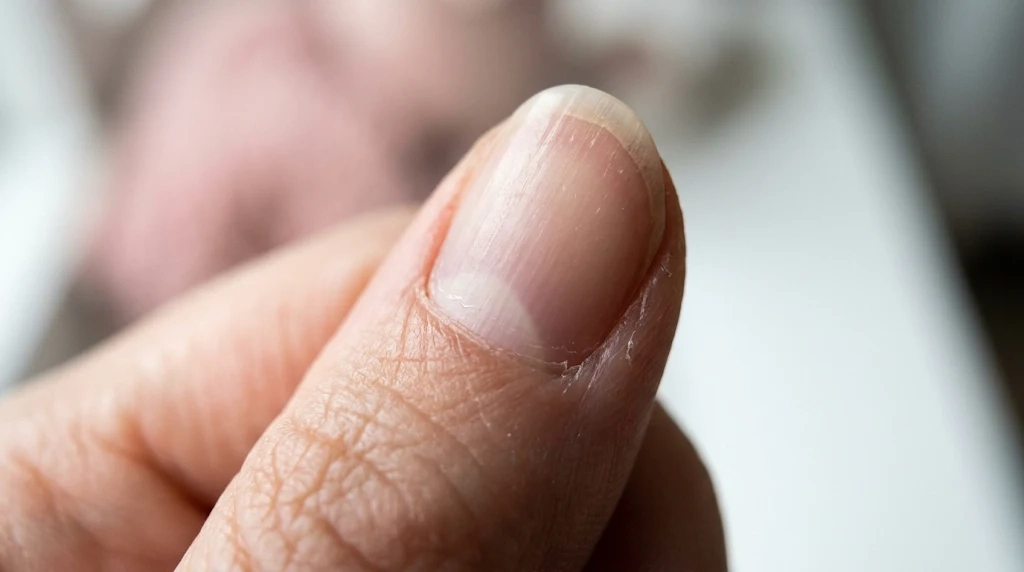
Yes. The position of the damaged section is one of the biggest factors in estimating recovery time.
- Near the nail tip: Damage may grow past the free edge within several weeks, depending on how much length remains.
- In the middle: Expect a longer wait because the damaged section must travel farther.
- Near the cuticle: Damage can remain visible for most of a full nail-growth cycle.
- Inside the nail matrix: Damage to the growth-producing tissue may change how new nails develop.
Learn more about this growth-producing structure in our explanation of what the nail root is and how it works.
How Long Does Nail Damage From Gel Polish Take to Grow Out?
Damage after gel polish removal often appears as rough patches, peeling layers, thin spots, or a chalky-looking surface.
Gel polish itself does not automatically destroy natural nails. However, peeling it off, scraping stubborn product, or aggressively filing the nail surface can remove protective layers of the nail plate.
If only the tip is affected, the damaged section may disappear relatively quickly. When the entire surface has been over-filed, complete outgrowth can take approximately four to six months or more.
What Should You Do While Gel Damage Grows Out?
- Keep your nails relatively short to reduce bending and tearing.
- Apply cuticle oil or a fragrance-free moisturizer regularly.
- Avoid peeling remaining polish or scraping the nail surface.
- Take a break from abrasive nail preparation.
- Protect your hands when washing dishes or using household cleaners.
Moisturizing can reduce dryness and improve flexibility, but it cannot replace missing nail layers. That’s why preventing additional damage matters more than buying multiple repair treatments.
How Long Do Acrylic-Damaged Nails Take to Recover?
If your natural nails feel soft, bendy, or paper-thin after acrylic removal, they may have lost surface layers during preparation or removal.
Acrylic-related thinning commonly requires several months to grow out completely. Many fingernails need approximately four to six months for full replacement, while more extensive damage may remain noticeable longer.
Acrylic enhancements can also create problems when lifted sections are pulled away or when tools injure the skin beneath the nail.
If your nails are simply thin but not painful, focus on gentle maintenance. If they are lifting, bleeding, swollen, or unusually discolored, seek medical advice before applying another enhancement.
For more targeted advice, explore our guide to caring for brittle nails after gel or acrylic removal.
Warning
Do not apply acrylic, gel, or nail glue over an actively painful, infected, bleeding, or significantly detached nail. Covering the problem may delay proper assessment and expose already vulnerable tissue to additional irritation.
What Does Nail Recovery Look Like Month by Month?
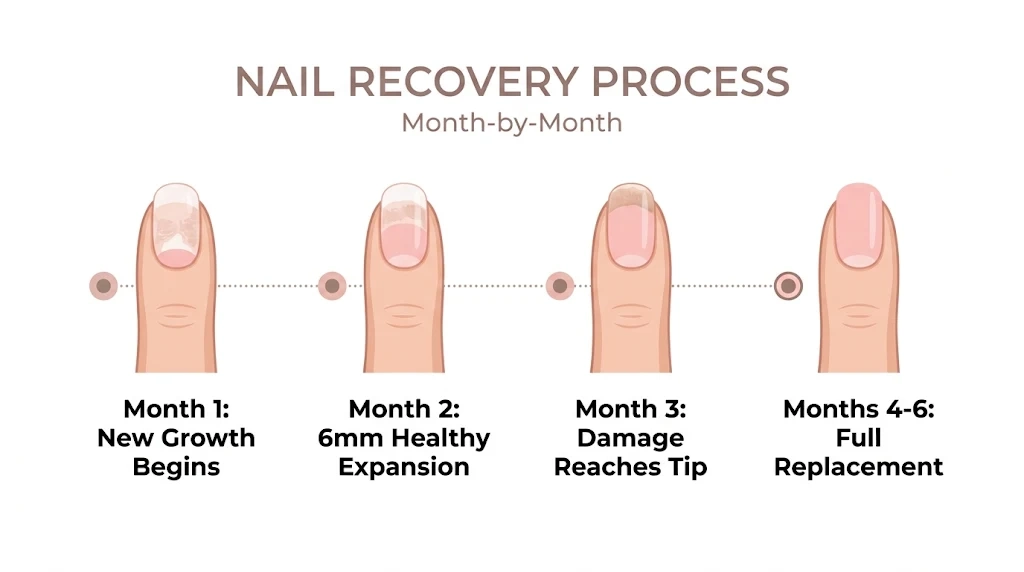
Knowing what to expect makes it easier to recognize normal progress. The following timeline describes a typical fingernail recovering from superficial cosmetic damage, assuming the nail matrix continues producing healthy nail.
First Month: New Growth Begins to Show
During the first four weeks, you may notice a narrow band of smoother nail emerging near the cuticle.
The older damaged section will still be present. Peeling tips and uneven texture may be especially noticeable during this early stage.
Your main priority is preventing extra breakage. Keep nails comfortable, moisturized, and free from unnecessary pressure.
Second Month: The Healthy Section Expands
After two months, roughly six millimeters of new fingernail growth may have emerged under typical conditions.
If the original problem was caused by surface filing, the smoother new section may become more obvious.
However, some nails grow more slowly. A few millimeters of healthy growth is still progress.
Third Month: Damage Moves Toward the Tips
By month three, the distinction between older and newer nail may become easier to see.
You might notice that rough patches, ridges, or white marks have moved farther away from the cuticle.
Continue trimming carefully as damaged areas reach the free edge. Avoid cutting into attached nail tissue or pulling off loose layers.
Months Four to Six: Much of the Damage May Disappear
Many fingernails complete a substantial part of their growth cycle by this point.
If the damage was superficial and the nail matrix was unaffected, you may now have a mostly or fully replaced nail plate.
Still, six months is not a universal deadline. Significant injuries, health conditions, or slow nail growth can extend the timeline.
What Factors Can Slow Down Damaged Nail Growth?
Even with consistent care, your nails may not grow at exactly the same speed as someone else’s. Several factors influence how quickly damaged sections move forward.
1. Severity of the Original Damage
Superficial peeling generally has a better outlook than deep injury to the nail bed or matrix.
When growth-producing tissue is damaged, the nail may develop persistent ridges, splitting, or an abnormal shape.
2. Repeated Trauma
Frequent picking, over-buffing, nail biting, and improper enhancement removal can cause new damage before the old damage has grown out.
This can make recovery seem endless, even when the nail is continuing to grow.
3. Frequent Water and Chemical Exposure
Repeated wetting and drying can make fragile nails more prone to splitting. Detergents and cleaning products may also irritate surrounding skin.
Wearing protective gloves during wet household tasks reduces unnecessary exposure.
4. Nutrition and General Health
Your body needs adequate protein, iron, and other nutrients to maintain healthy tissue growth.
However, supplements aren’t a shortcut to faster nails when you have no deficiency. Persistent abnormalities may deserve evaluation for nutritional, thyroid, inflammatory, or other medical causes.
5. Age and Individual Growth Rate
Nail growth generally slows somewhat with age. Differences between individuals are also normal.
Instead of comparing your progress with pictures online, track changes in your own nails over time.
How Can You Help Damaged Nails Grow Out Safely?
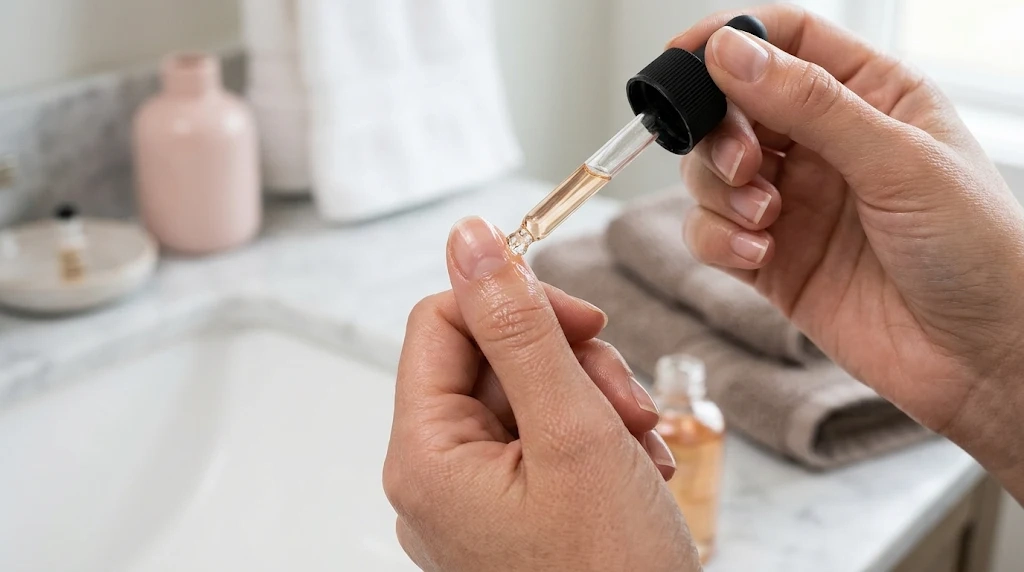
You cannot dramatically speed up the biological nail-growth cycle with a cosmetic treatment. You can, however, create conditions that reduce additional damage and help healthier new nail survive.
Keep Your Nails Short and Smooth
Long, thin nails are more likely to bend, catch on clothing, and split. Maintaining a manageable length reduces mechanical stress.
Use a fine-grit nail file to smooth small snags. File gently instead of aggressively sawing back and forth.
Moisturize Nails and Cuticles Daily
Apply a moisturizing hand cream after washing your hands and whenever your skin feels dry. A cuticle oil containing jojoba oil can be a convenient addition.
For extra protection at night, massage a small amount of petroleum jelly around the nail folds and dry fingertips.
The goal is to improve comfort and reduce dryness, not to force damaged layers to regenerate.
Recommended Care Product
Jojoba-Based Cuticle Oil
A simple cuticle oil can help condition dry nails and surrounding skin during the growth-out period. Choose a fragrance-free option if your skin is sensitive.
As an Amazon Associate, we earn from qualifying purchases.
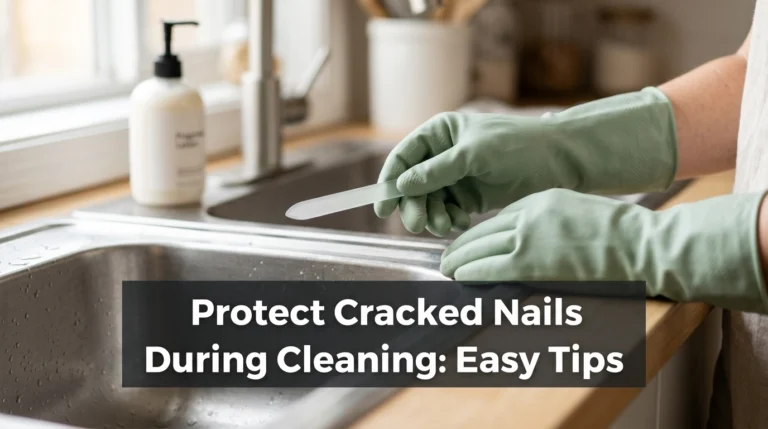
Use Gloves for Cleaning and Dishwashing
Protective gloves provide a physical barrier against detergents and prolonged water exposure.
Choose comfortable household gloves that fit properly. If your hands become sweaty, remove the gloves when possible and dry your hands thoroughly afterward.
Recommended Care Product
Reusable Household Cleaning Gloves
Useful for protecting fragile nails during washing, cleaning, and other wet household tasks.
Browse Cleaning Gloves on Amazon
As an Amazon Associate, we earn from qualifying purchases.
Avoid Aggressive Buffing and Filing
Buffing can temporarily make a rough nail look smoother, but removing more surface material can worsen thinning.
If your nails are already fragile, skip unnecessary buffing. Smooth only sharp or snagging edges when needed.
Choose Gentle Hand Care Products
Frequent use of drying products may worsen brittleness, especially when your nails are already damaged.
A fragrance-free hand cream with ingredients such as glycerin or petrolatum can help protect dry skin and improve comfort.
Recommended Care Product
Fragrance-Free Moisturizing Hand Cream
A rich hand cream helps protect dry skin around your nails and makes daily nail care easier to maintain.
As an Amazon Associate, we earn from qualifying purchases.
What Should You Do and Avoid During Nail Recovery?
DO
- Keep nails comfortably short.
- Moisturize nails and nail folds.
- Use gloves for wet chores.
- File rough edges gently.
- Watch for healthy growth near the base.
- Eat a balanced diet.
DON’T
- Peel off attached gel polish.
- Pull away loose nail layers.
- Over-buff thin nails.
- Use nails as tools.
- Cut or tear healthy cuticles.
- Ignore pain or infection signs.
For additional everyday prevention strategies, see 10 easy daily habits to protect your nails.
How Can You Tell If Damaged Nails Are Growing Out Normally?
Healthy growth often appears as a smoother, more consistent section emerging from the base of the nail.
Look for these encouraging signs:
- A clear transition between newer and older nail sections.
- Ridges or superficial white marks gradually moving toward the tip.
- Less frequent splitting as damaged sections are trimmed away.
- Improved comfort around previously dry nail folds.
- New nail maintaining a relatively normal shape and attachment.
Take a photograph once every four weeks using similar lighting and camera distance. Monthly comparisons are usually more useful than checking your nails daily.
Pro Tip
Choose one nail with a visible surface mark and photograph it monthly. If the mark gradually moves toward the free edge, that can help you see how much new nail has grown. Don’t create scratches or marks just to measure growth.
Can Nail Damage Become Permanent?
Yes, some nail damage can be permanent, especially when a serious injury damages or scars the nail matrix.
The matrix controls nail production. When its structure changes, new nail may continue growing with persistent ridges, splitting, irregular thickness, or an altered shape.
However, most ordinary surface damage from cosmetic removal does not automatically mean the nail matrix has been permanently injured.
If your nail has not shown expected progress over several months, or if abnormal growth continues from the base, consult a dermatologist.
When Should You See a Doctor About Nail Damage?
Not every damaged nail requires medical treatment. Mild peeling and superficial roughness can often be managed through protective care.
However, some symptoms suggest a deeper problem.
Seek Medical Advice
Arrange medical evaluation for increasing pain, swelling, pus, spreading redness, significant nail separation, a deep injury, or an unexplained dark streak. Severe injury, uncontrolled bleeding, or rapidly spreading infection needs prompt assessment. Don’t assume every nail color change or deformity is caused by a manicure.
Persistent thickening, discoloration, or crumbling can also be associated with fungal infections or inflammatory conditions rather than simple cosmetic damage.
Identifying the underlying problem matters because nail growth alone may not solve an untreated medical condition.
Can You Wear Nail Polish While Damaged Nails Grow Out?
Whether you can wear polish depends on the condition of your nails.
If your nails have only mild surface roughness and no pain, lifting, or suspicious discoloration, ordinary polish may be an option once the nail surface and surrounding skin are comfortable.
However, removing polish repeatedly can cause additional stress. Avoid picking it off, and don’t use polish to hide changes that should be medically assessed.
If your nails are severely thinned, cracked into the attached nail, or painful, prioritize recovery and seek professional advice before applying enhancements.
You don’t need to cover every imperfection. Keeping nails short, clean, and moisturized can be a perfectly reasonable temporary look.
Do Nail Growth Products Actually Make Damaged Nails Recover Faster?
Nail serums, strengthening treatments, cuticle oils, and supplements are often marketed as quick solutions for weak nails.
Their benefits vary, and it’s important to distinguish improving nail appearance from accelerating biological growth.
Cuticle Oil and Moisturizers
These can improve dryness and help maintain flexibility. They don’t rebuild missing nail layers or reliably make nails grow dramatically faster.
Nail Hardeners
Some hardeners temporarily change how a nail feels or behaves. However, products that make already brittle nails excessively rigid may not be suitable for everyone.
Choose cautiously, especially if your nails are thin or prone to splitting. Stop using products that cause irritation.
Biotin and Other Supplements
Biotin is frequently promoted for nail strength, but strong evidence supporting routine supplementation in otherwise healthy people is limited.
High-dose biotin can also interfere with certain laboratory tests. Speak with your healthcare professional before taking supplements for persistent nail problems.
Protective Nail Files
A gentle nail file can be useful for managing tiny snags without repeatedly clipping fragile edges.
Useful Nail Care Tool
Fine-Grit Glass Nail File
A fine-grit glass file can help smooth fragile nail edges with controlled, gentle filing. Avoid excessive pressure.
Browse Glass Nail Files on Amazon
As an Amazon Associate, we earn from qualifying purchases.
Frequently Asked Questions About Nail Damage Growth
Q: Can damaged fingernails recover in two weeks?
A: Minor dryness and discomfort may improve within two weeks, but significant nail plate damage cannot grow out that quickly. Fingernails typically grow only about 1.5 millimeters in two weeks.
Q: Will my nails grow back normally after acrylic damage?
A: Many nails affected by superficial acrylic removal damage grow back normally when the nail matrix is healthy. Deep injury to the growth-producing tissue can cause lasting changes, so persistent deformity deserves professional evaluation.
Q: Does cuticle oil make damaged nails grow faster?
A: Cuticle oil helps condition dry nails and surrounding skin, but there is no strong evidence that ordinary cuticle oil dramatically speeds up nail growth. Its main value is supporting comfort and reducing dryness-related fragility.
Q: Why is my damaged nail growing out with ridges?
A: Ridges may develop after temporary disruption of nail growth, repeated trauma, or certain medical conditions. If new ridges continue forming at the base, become pronounced, or affect multiple nails, consider a dermatologist’s assessment.
Q: How do I know whether nail damage is permanent?
A: You cannot determine permanence from appearance alone. Healthy new growth is encouraging, while persistent splitting or distortion emerging from the nail base may indicate matrix damage. A dermatologist can help assess the cause.
Final Thoughts: Give Your Nails Time to Grow
So, how long does nail damage take to grow out? For most superficial fingernail damage, plan on several months, with complete replacement often taking around four to six months or longer. Toenail damage generally requires much more patience.
The most helpful approach is to prevent repeated trauma, moisturize regularly, protect your hands, and watch for healthy new growth. If your nails become painful, swollen, detached, or unusually discolored, seek medical advice rather than relying on cosmetic repair products.
Save this nail recovery timeline to Pinterest so you can revisit the milestones and care tips as your natural nails grow.

Hi, I’m Jessica, the creator behind Unique Lash & Nails Katy.
I created this website for anyone who loves beautiful nails as much as I do. Here, I share trendy nail designs, seasonal manicure ideas, easy nail care tips, honest product recommendations, and step-by-step guides to help you create salon-worthy nails at home. Whether you’re looking for everyday inspiration or your next favorite nail trend, I hope you’ll find something you love.