How Long Do Nail Stains Take to Grow Out? Timeline
Quick Answer
How long do nail stains take to grow out? Mild nail polish stains may fade within approximately two weeks after you remove the polish. Deeper stains that remain in the nail plate can take about 4–6 months to disappear completely from fingernails as they grow out. Toenails grow more slowly and may need 12–18 months for full replacement. The timeline depends on the cause, stain location, and your natural nail growth rate.
You remove your favorite dark red manicure, expecting clean, natural nails, only to discover yellow or orange discoloration underneath. Suddenly, you’re wondering whether your nails are damaged and how long they’ll look stained.
The good news is that ordinary nail polish staining is usually harmless. Some discoloration fades naturally, while deeper pigment must move toward the nail tip as your nails grow.
Here’s how to estimate your nail recovery timeline, recognize different stains, and care for your nails without creating more damage.


How Long Does It Actually Take for Nail Stains to Disappear?
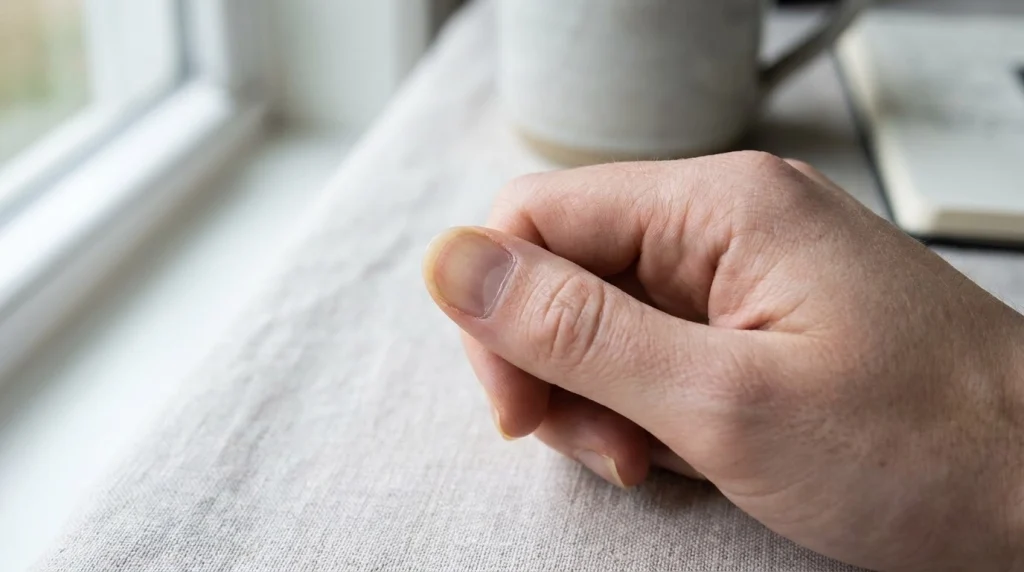
The answer depends on whether the color is sitting near the nail surface or is trapped in the nail plate.
According to published dermatology research, mild discoloration caused by nail polish pigments can resolve in approximately two weeks after polish removal. However, stains that do not fade must gradually grow toward the free edge before you can trim them away.
For a realistic estimate, consider these common situations:
Nail Stain Recovery Timeline
- Light surface staining: Often improves within about 1–2 weeks.
- Persistent polish staining: May take several weeks or require the stained section to grow out.
- Stains near the fingernail tip: May disappear after a few weeks of normal growth and trimming.
- Stains near the fingernail base: Can take approximately 4–6 months to grow out completely.
- Toenail staining: Full nail replacement may require approximately 12–18 months.
These are approximate timelines for cosmetic staining, not a diagnosis or a guaranteed healing schedule.
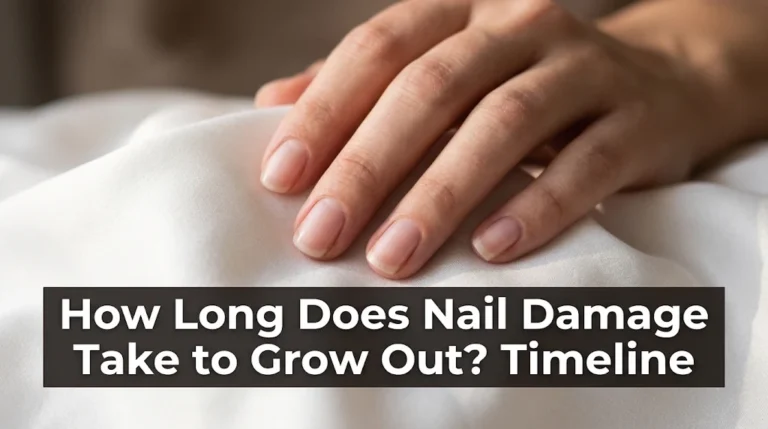
One helpful sign is a clear band of healthy-looking nail growing from your cuticle area. If that band gradually becomes wider while the discoloration moves toward the tip, the affected nail plate may simply be growing out.
If the discoloration spreads, changes unexpectedly, or appears without an obvious cosmetic cause, don’t assume it’s a harmless stain.
Why Do Nail Stains Take So Long to Grow Out?
Your nails grow from specialized cells inside the nail matrix, which sits beneath the skin near the cuticle. These cells produce keratin, the protein forming your nail plate.
As new nail material develops, older nail material moves forward. Unlike your skin, the visible nail plate doesn’t quickly replace its outer surface.
That means pigment trapped inside the plate may stay visible until the affected section reaches the tip.
How Fast Do Fingernails Grow?
Fingernails typically grow around 3 millimeters each month, although individual growth rates vary. Complete replacement commonly takes around six months.
Think of your nail as a slowly moving conveyor belt. If a stain starts close to the cuticle, it has a longer distance to travel before you can trim it off.
How Fast Do Toenails Grow?
Toenails usually grow approximately 1–1.5 millimeters per month. Because they’re slower-growing, a stained toenail may remain discolored much longer than a fingernail.
Full toenail replacement can take approximately 12–18 months, particularly for a big toenail.
What Causes Nail Stains in the First Place?
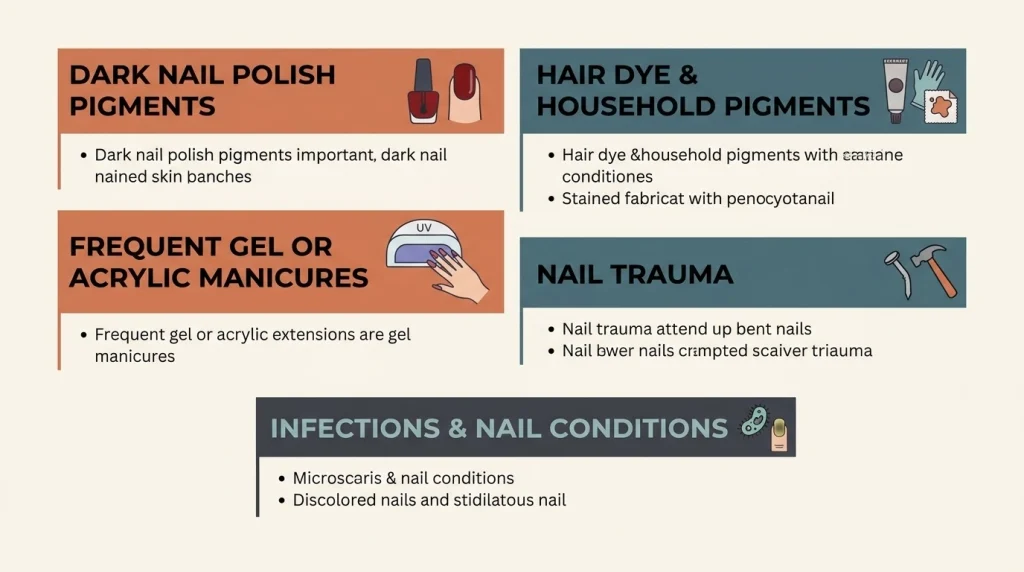
Not every yellow, brown, or white mark has the same explanation. Understanding where the discoloration came from helps you determine whether waiting for growth makes sense.
1. Dark Nail Polish Pigments
Dark red, orange, burgundy, and other strongly pigmented polishes can leave color behind in the upper layers of your nail plate.
This is particularly common when you wear polish for extended periods or skip a protective base coat.
Some polish colorants interact with the nail’s keratin. The resulting yellowish discoloration may remain even after the polish itself has been completely removed.
2. Frequent Gel or Acrylic Manicures
Gel and acrylic services don’t automatically stain your nails. However, repeated filing, rough removal, or lifting artificial coatings can damage the nail surface.
A roughened plate may be more vulnerable to pigments and can develop white patches that resemble discoloration.
If your nails look chalky after removing gel polish, the appearance may be associated with surface damage rather than pigment staining.
3. Hair Dye and Other Household Pigments
Hair dyes, certain spices, craft colors, and other pigments can temporarily discolor nails.
These stains often affect exposed areas of the nail and surrounding skin. The removal timeline depends on the substance and how deeply it has penetrated.
4. Nail Trauma
If you’ve bumped or crushed a finger, blood trapped beneath the nail can produce a red, purple, brown, or dark appearance.
Unlike an ordinary surface stain, this is bleeding beneath the nail plate. Many small injuries gradually grow out, but significant injuries may need medical assessment.
5. Infections and Nail Conditions
Fungal infections can cause yellow, white, or brown discoloration, often accompanied by thickening, crumbling, or lifting.
Some bacterial infections can create greenish discoloration, especially when the nail has separated from the nail bed.
These conditions aren’t simply cosmetic pigment stains. Waiting for them to grow out without addressing the underlying problem may not resolve them.
How Can You Tell Whether a Nail Stain Is Growing Out?
Watch the nail’s appearance over several weeks rather than checking constantly throughout the day.
Signs that an old stain may be moving out with normal growth include:
- A clear section developing near the cuticle.
- The discolored area moving closer to the free edge.
- The stained section becoming smaller as you trim your nails.
- No new discoloration appearing in freshly grown nail.
- No accompanying pain, swelling, thickening, or nail separation.
You can take a photograph every two to four weeks under similar lighting. Comparing photos makes subtle changes easier to recognize.
Pro Tip
Take your progress photos with clean, unpolished nails and the same camera angle. A consistent view of the cuticle area makes it easier to see whether healthy-looking nail is replacing the stained section.
Can You Make Nail Stains Disappear Faster?
You may be able to improve the appearance of superficial staining, but there’s an important difference between lightening a stain and accelerating nail growth.
No home treatment can reliably make an entire stained nail plate grow out overnight. Your safest approach is to avoid additional damage while allowing normal growth.
Give Your Nails a Break From Polish
If your nails have yellowed after repeated dark manicures, remove the polish gently and observe the natural nail color for a couple of weeks.
A polish-free period lets you see whether the discoloration fades and whether fresh nail growth looks normal.
You don’t need to avoid polish forever. The goal is to stop repeatedly exposing an already stained nail to more pigment while monitoring its recovery.
Moisturize Your Nails and Cuticles
Apply a small amount of cuticle oil or fragrance-free hand cream around your nails each day.
Products containing jojoba oil or other emollients can help keep the surrounding skin comfortable. Moisturizing also supports a flexible, less brittle nail surface.
However, cuticle oil doesn’t directly bleach stains or dramatically accelerate nail growth.
Use Gentle Nail Cleaning
Wash your hands with mild soap and lukewarm water. If necessary, gently clean beneath the free edge without inserting sharp tools underneath your nail.
Avoid repeatedly scrubbing the top surface. Abrasive cleaning can thin the nail plate, making it more vulnerable to breakage and irritation.
Keep Your Nails at a Comfortable Length
Trim your fingernails as needed and smooth sharp edges using a fine-grit nail file.
As the stain moves outward, regular trimming gradually removes the affected portion.
Remember that cutting your nails doesn’t make the nail matrix produce new nail material faster. It simply removes older material once it reaches the tip.
Which Nail Care Products Are Worth Using?
You don’t need a complicated nail recovery kit. A few gentle products may make it easier to protect your nails while discoloration fades or grows out.
Jojoba-Based Cuticle Oil
A simple cuticle oil is useful if your nails and surrounding skin feel dry after repeated manicures.
Massage a small drop around each nail after washing your hands. Choose a fragrance-free option if you’re sensitive to scented beauty products.
Recommended Nail Care Essential
Jojoba Cuticle Oil
Helps moisturize dry cuticles and supports comfortable nail care while your stained nails grow.
As an Amazon Associate, we earn from qualifying purchases.
Protective Base Coat
A base coat is especially helpful when you’re ready to return to colorful manicures.
Apply a thin, even layer before your colored polish. This creates an additional barrier between the nail plate and the colorants.
Base coats reduce the risk of staining, although they cannot prevent every case.
Look for a protective nail base coat that works with your preferred polish system.
Gentle Nail Polish Remover
If ordinary polish needs removing, choose a remover suitable for your nail coating and follow its instructions.
Acetone can be effective, but frequent exposure may dry the nails and surrounding skin. Acetone-free removers may be gentler for some users, though they can require additional rubbing.
Use enough remover to soften the coating instead of aggressively scraping the nail.
You can explore acetone-free nail polish removers for regular polish.
Fine-Grit Nail File
A fine-grit file helps shape nails and smooth rough free edges without aggressive filing.
Use it along the nail tip rather than buffing away the stained surface.
If your nails are thin or splitting, minimizing unnecessary filing is especially important.
A fine-grit natural nail file can be a useful addition to your manicure supplies.
What Should You Avoid When Trying to Remove Nail Stains?
Many viral nail-brightening tricks look appealing because they promise immediate results. Unfortunately, aggressive treatments can create more problems than the original stain.
Warning
Do not use household bleach, undiluted hydrogen peroxide, harsh abrasives, or aggressive buffing to whiten discolored nails. These methods can irritate your skin, weaken your nail plate, or conceal a problem that needs professional attention.
Avoid Excessive Buffing
Removing layers of your nail plate may temporarily reduce surface discoloration, but it also makes your nails thinner.
Thin nails can become sensitive, flexible, or prone to splitting. Instead of chasing an immediately white appearance, protect the remaining healthy plate.
Don’t Peel Off Gel Polish
Peeling gel polish can pull away superficial layers of your natural nail.
If a gel manicure needs removal, use the appropriate manufacturer-recommended procedure or visit a qualified nail professional.
Be Careful With Lemon and Baking Soda
Lemon juice and baking soda are popular homemade brightening suggestions, but they aren’t reliable treatments for deeply stained nail plates.
Acidic ingredients may sting damaged skin, while abrasive pastes can contribute to mechanical damage.
For ordinary cosmetic staining, gentle care and time are generally safer than repeated DIY experiments.
How Can You Prevent Nail Stains in Future Manicures?
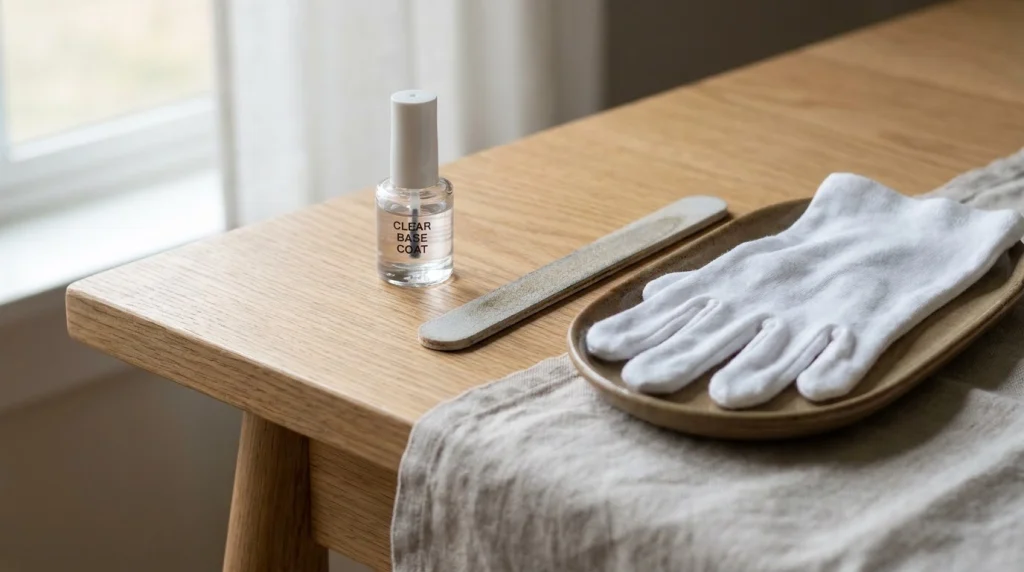
Once your nails look clear again, small changes to your manicure routine can reduce the chances of another staining episode.
DO
- Apply a base coat before pigmented polish.
- Remove polish gently.
- Moisturize nails and cuticles regularly.
- Protect your hands during chemical exposure.
- Monitor unusual color changes.
DON’T
- Apply dark pigment directly to bare nails repeatedly.
- Peel or scrape off stubborn coatings.
- Overbuff the nail surface.
- Use household bleach on nails.
- Cover unexplained discoloration indefinitely.
Always Start With a Base Coat
If you enjoy burgundy, red, navy, or other highly pigmented shades, consider a base coat an essential part of the manicure rather than an optional extra.
Apply the base to clean, dry nails and allow it to set as directed before layering your color.
Use Proper Removal Techniques
When your manicure starts looking worn, remove it with the appropriate product rather than picking at the finish.
Repeated forceful removal can roughen your nails, allowing future pigments to settle more easily into damaged areas.
Protect Your Hands From Staining Materials
Wear suitable protective gloves when using hair dye, strongly colored household products, or irritating cleaning chemicals.
This simple habit can help prevent external discoloration while also reducing chemical exposure to your skin.
When Is Nail Discoloration a Reason to See a Dermatologist?
Not every discolored nail is stained by polish. Some nail changes indicate infection, injury, or an underlying health condition.
Consider arranging a professional assessment if you notice:
- A new dark brown or black vertical band, especially if it widens or changes.
- Pigment spreading onto the skin around the nail.
- Persistent green discoloration or nail lifting.
- Thick, crumbly, painful, or unusually misshapen nails.
- Swelling, warmth, drainage, or redness around the nail.
- Discoloration that continues despite stopping the suspected cosmetic product.
- A dark patch beneath a nail without an obvious injury.
These findings don’t automatically mean something serious is wrong. However, they’re not changes you should diagnose simply by comparing pictures online.
A dermatologist can examine the nail plate and surrounding tissue and determine whether testing or treatment is appropriate.
If an injury causes severe pain or significant pressure beneath your nail, seek prompt medical attention rather than trying to drain it yourself.
Frequently Asked Questions About Nail Stains
Q: Do yellow nail stains go away naturally?
A: Yes, ordinary yellow staining from nail polish often fades naturally after removing the pigment source. Mild discoloration may improve within about two weeks, while more persistent stains can remain until the affected nail grows out.
Q: How long does it take for yellow toenails to grow out?
A: A toenail can take approximately 12–18 months to replace completely. However, yellow toenails may also result from infections or other conditions, so unexplained or persistent discoloration deserves professional evaluation.
Q: Can I paint over stained nails?
A: You can sometimes use polish over harmless cosmetic staining, provided your nails are otherwise healthy. Apply a base coat first. Avoid covering unexplained discoloration because it can make important changes harder to monitor.
Q: Does cuticle oil make nail stains grow out faster?
A: No. Cuticle oil moisturizes surrounding skin and helps maintain nail comfort, but it hasn’t been shown to significantly accelerate natural nail growth or remove deep pigmentation.
Q: Why are my nails still yellow after removing polish?
A: Pigments from certain polishes can remain in the nail plate after the coating is removed. If the yellowing persists, spreads, or occurs with thickening or lifting, consult a healthcare professional to rule out other causes.
Final Thoughts: Be Patient With Your Nail Recovery
So, how long do nail stains take to grow out? Light cosmetic discoloration may fade within a couple of weeks, while more persistent stains can take months to disappear as fresh nail replaces the affected plate.
Your best approach is gentle removal, daily moisturizing, protective base coats, and avoiding unnecessary buffing. If discoloration looks unusual or doesn’t behave like an ordinary polish stain, get it checked.
Save this guide to your Pinterest nail care board so you’ll have a realistic recovery timeline and safer manicure tips whenever you notice staining again.

Hi, I’m Jessica, the creator behind Unique Lash & Nails Katy.
I created this website for anyone who loves beautiful nails as much as I do. Here, I share trendy nail designs, seasonal manicure ideas, easy nail care tips, honest product recommendations, and step-by-step guides to help you create salon-worthy nails at home. Whether you’re looking for everyday inspiration or your next favorite nail trend, I hope you’ll find something you love.