Nail Discoloration After Gel, Acrylic Removal or Injury
Quick Answer
Nail discoloration after gel, acrylic removal or injury can happen because of polish staining, nail plate damage, bruising, nail lifting, or infection. Yellow or chalky white changes may follow manicures, while purple or black discoloration can result from bleeding after an injury. Green discoloration may indicate bacterial infection. Keep your nails clean, dry, and protected, and seek medical advice for unexplained dark streaks, persistent discoloration, pain, swelling, or nail separation.
Have you ever removed a beautiful gel manicure or acrylic set, only to discover yellow, white, green, or dark patches underneath?
Unexpected nail discoloration can feel alarming, especially when your nails looked perfectly normal before your last manicure. Fortunately, some changes are temporary. Others, however, deserve professional attention.
This guide explains what different nail colors may mean, why discoloration develops after manicures or injuries, how to protect your natural nails, and when you should see a dermatologist.


Why Do Nails Change Color After Gel, Acrylic Removal, or Injury?
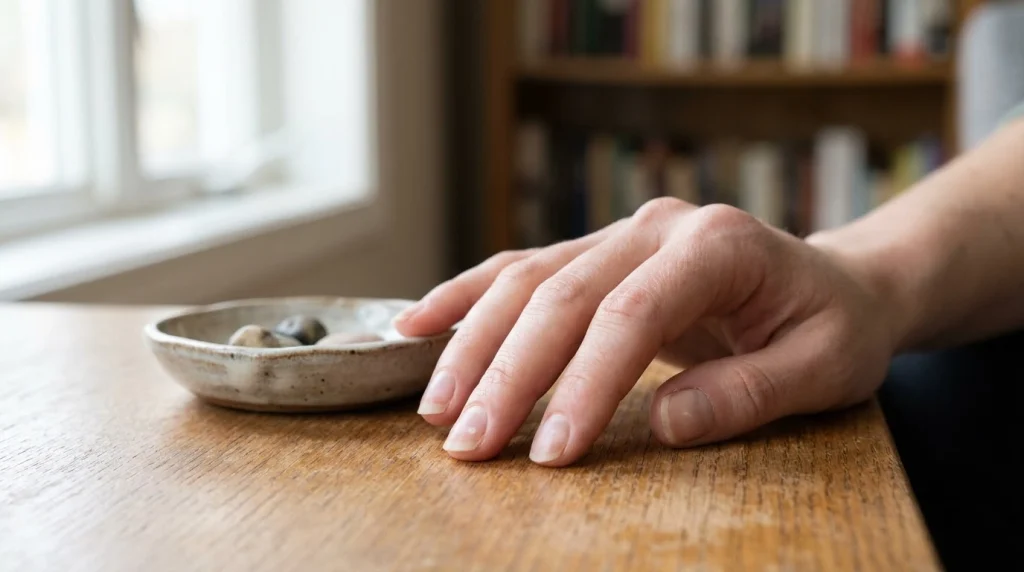
Your natural nail is made primarily of keratin, a protective protein. Although the visible nail plate is made of nonliving cells, the tissues underneath and around it are living and sensitive to damage.
Gel polish, acrylic enhancements, nail removers, physical injuries, and infections can affect the appearance of your nails in different ways.
1. Nail Polish Pigment Staining
Dark or strongly pigmented nail polish can leave a yellowish or brownish stain on the nail surface.
This is particularly noticeable after wearing red, orange, or dark-colored polish for an extended period.
The staining may become more visible when you remove the manicure, but it does not necessarily indicate an infection.
What helps: Avoid aggressive buffing, allow the stained area to grow out, and use a suitable base coat with future traditional-polish manicures.
2. Aggressive Gel Polish Removal
Peeling off gel polish can remove superficial layers of your natural nail plate.
This may leave the nails looking dull, uneven, white, or chalky. Your nails might also feel thinner and more flexible than usual.
Repeated scraping or buffing can make the problem worse.
For more prevention tips, explore our guide to common brittle nail care mistakes.
3. Acrylic Nail Removal Damage
Acrylic nails require careful preparation, maintenance, and removal. Problems can develop when the nail surface is excessively filed, the acrylic is forcibly pulled away, or the natural nail separates from its bed.
A damaged nail can look white, cloudy, uneven, or discolored.
If water collects beneath a lifted enhancement, the space may also become favorable for certain microorganisms.
4. Physical Injury and Bruising
Slamming your finger in a door, hitting an acrylic extension, or placing excessive pressure on a nail can injure the delicate nail bed.
Blood may collect underneath the nail, causing red, purple, brown, or black discoloration.
This is called a subungual hematoma.
A small bruise may eventually grow outward with your nail. A painful or extensive injury, however, needs medical evaluation.
5. Bacterial or Fungal Infection
Some nail infections change the color, shape, or texture of your nails.
Greenish discoloration can occur with a bacterial infection involving Pseudomonas. Fungal infections may produce yellow, white, or brown patches, thickening, crumbling, and nail lifting.
Because several conditions can look similar, color alone cannot establish a diagnosis.
What Does Each Nail Discoloration Color Mean?
The color of your nail is an important clue, but it is only one part of the picture.
Consider whether the discoloration appeared after polish removal, whether it affects one or several nails, and whether you have pain, swelling, thickening, or separation.
Yellow Nails After Gel or Acrylic Removal
Yellow nails are sometimes caused by cosmetic staining, especially after prolonged wear of strongly colored polish.
However, yellow discoloration may also be associated with fungal infections or other nail conditions.
Look for:
- Light yellow staining without pain
- Discoloration concentrated on the nail surface
- Changes appearing immediately after polish removal
- Possible thickening or crumbling if an infection is involved
What to do: Keep your nails gently cleaned and moisturized. If yellowing persists, spreads, or occurs alongside thickening or lifting, consult a dermatologist.
White or Chalky Nails After Gel Removal
White, rough-looking areas can occur when the superficial nail plate has been damaged.
Over-buffing, peeling gel polish, and repeated manicure removal may contribute.
Sometimes a nail also looks white because it has separated from the nail bed. This condition is known as onycholysis.
What to do: Avoid further scraping or buffing. Keep nails short and protect them from repeated impacts.
If the nail is lifting, increasingly discolored, or uncomfortable, arrange a professional examination.
Green Nails After Acrylic Removal
Green discoloration underneath acrylic nails is particularly important to recognize.
It can develop when bacteria grow around a damaged or separated nail, especially when moisture becomes trapped.
The green color may range from pale green to a darker green-black shade.
Warning
Do not cover a green nail with another acrylic set, gel polish, or nail glue. Avoid trying to bleach or scrape away the color. Have a healthcare professional assess the nail so you can receive appropriate treatment if an infection is present.
Purple or Black Nails After Injury
A bruised nail often becomes reddish-purple, dark brown, or black after an impact.
The discoloration comes from blood trapped beneath the nail plate.
Minor bruises can gradually move toward the nail tip as the nail grows. Larger injuries may cause significant pressure, throbbing, or nail detachment.
Important: A new black patch or dark streak should not automatically be attributed to an injury, especially when you do not remember any trauma.
Brown or Black Vertical Nail Streaks
Brown or black pigmentation can have several causes, including normal pigmentation patterns in some individuals, medication-related changes, injury, and nail diseases.
Rarely, a new or changing dark streak can be a sign of nail melanoma.
Schedule a dermatologist appointment if you notice a new dark band, changing pigmentation, an irregular streak, or color spreading onto the surrounding skin.
How Can You Tell Whether Discoloration Is Staining or Nail Damage?
Cosmetic staining and nail damage may appear similar, but their accompanying symptoms often differ.
| Feature | Possible Staining | Possible Damage or Infection |
|---|---|---|
| Color | Often yellow or light brown | White, green, yellow, brown, purple, or black |
| Texture | Usually unchanged | May be rough, brittle, thickened, or lifting |
| Pain | Generally absent | May be present |
| Common context | Dark polish wear | Trauma, removal damage, or infection |
These differences can help you describe your symptoms, but they cannot confirm the cause.
If your nail has unusual pigmentation or structural changes, a dermatologist can assess whether testing or treatment is necessary.
What Should You Do Immediately After Noticing Nail Discoloration?
When you first notice a discolored nail, your priority should be preventing additional damage while identifying possible warning signs.
1. Stop Applying Nail Enhancements
Avoid applying new gel polish, acrylic extensions, or artificial nail adhesives over an unexplained discoloration.
Covering the nail can make it harder to monitor changes and may worsen certain problems.
If an existing enhancement is still attached, do not forcibly pull it off. Ask a qualified nail professional about safe removal, or seek medical advice if the nail is painful, green, lifting, or visibly infected.
2. Clean the Nail Gently
Wash your hands using mild soap and lukewarm water.
Pat your nails and surrounding skin dry with a clean towel. Avoid digging beneath the nail or scrubbing the surface aggressively.
Harsh cleaning techniques can create additional trauma.
3. Inspect the Nail Carefully
Look for additional changes beyond the color itself.
- Is the nail attached firmly to the nail bed?
- Does the nail feel tender or painful?
- Are there signs of swelling or redness?
- Is the discoloration spreading?
- Did the change appear after an injury?
- Is there thickening, crumbling, or an unusual odor?
These details can help a healthcare professional identify the likely cause.
4. Take a Clear Photograph
Take a photograph in natural light before applying any additional nail products.
If you are monitoring a minor, apparently uncomplicated change, additional photographs can help show whether it is moving outward with nail growth.
However, do not delay medical evaluation for concerning symptoms just to monitor the color.
5. Protect the Nail From Further Trauma
Keep your nail at a comfortable length and avoid using it to open containers, scrape surfaces, or lift objects.
If your nail is already fragile, even small impacts can make existing damage worse.
For additional advice, see our article about nail filing mistakes that cause splitting and cracking.
How Can You Care for Discolored Nails Safely at Home?
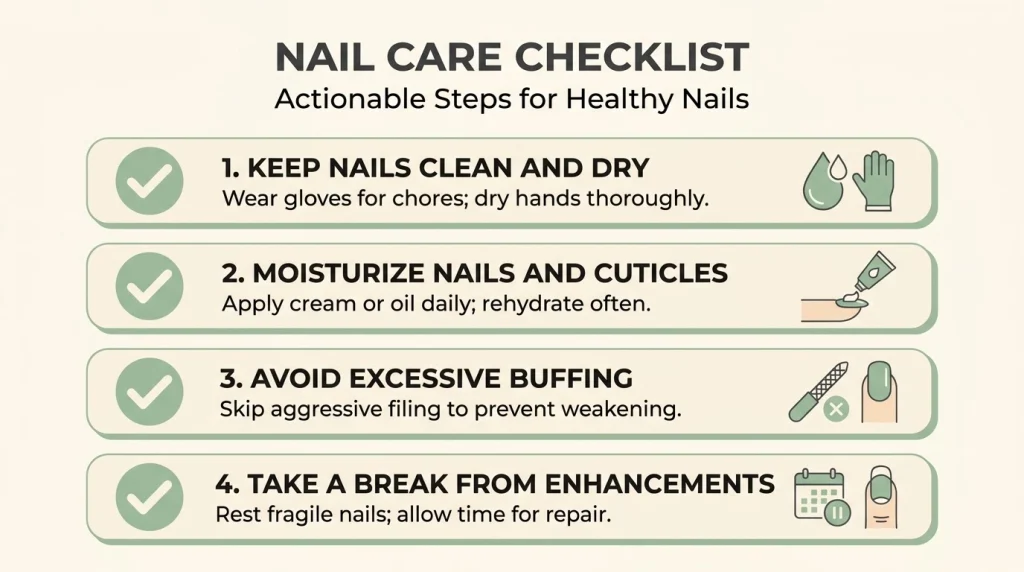
Home care can help protect your nails while superficial staining or minor cosmetic damage grows out.
It is not a substitute for medical treatment when discoloration results from infection, significant trauma, or another nail condition.
Keep Nails Clean and Dry
Wash your hands normally and dry them thoroughly afterward.
When doing dishes or handling cleaning products, use properly fitted protective gloves and remove them when finished.
Avoid leaving your hands inside damp gloves for extended periods.
Moisturize Dry Nails and Cuticles
Dry, rough nails may benefit from a simple fragrance-free hand cream or a small amount of petroleum jelly.
Massage moisturizer into intact nails and surrounding skin after handwashing.
Moisturizer can improve comfort and reduce dryness, but it cannot instantly reverse pigment changes, cure infections, or permanently restore missing nail layers.
Pro Tip
Keep a fragrance-free hand cream beside your sink. Applying it after washing is an easy way to support dry nails without adding complicated treatments to your routine.
Avoid Excessive Buffing
It may be tempting to buff away white patches or yellow stains.
However, repeatedly filing the nail surface removes additional material and can make thin nails weaker.
Focus on maintaining a smooth nail edge rather than aggressively polishing the entire surface.
Choose a Temporary Break From Enhancements
If your nails are visibly thin, brittle, or damaged after removal, avoiding another enhancement can prevent further filing and removal stress.
A manicure break does not directly repair damaged nail cells. Instead, it helps reduce additional trauma while new nail grows.
If you have persistent discoloration, nail lifting, or suspected infection, seek a professional diagnosis before returning to artificial nails.
How Long Does Nail Discoloration Take to Go Away?
Recovery time depends on the cause, the location of the discoloration, and how quickly your nails grow.
Healthy fingernails commonly grow approximately 3 millimeters per month. Complete replacement often takes around four to six months, although individual growth rates vary.
A superficial stain located near the nail tip may disappear sooner as you trim the affected area.
Damage closer to the cuticle may remain visible for several months because the affected portion needs to grow toward the tip.
A bruise beneath the nail may gradually move outward with new nail growth. Some significant injuries can cause the nail to detach or grow abnormally.
Infections have no reliable cosmetic recovery timetable because the outcome depends on the organism, severity, and treatment.
For a deeper explanation of nail growth, read how long split or cracked nails take to grow out.
Which Nail Discoloration Signs Require Medical Attention?
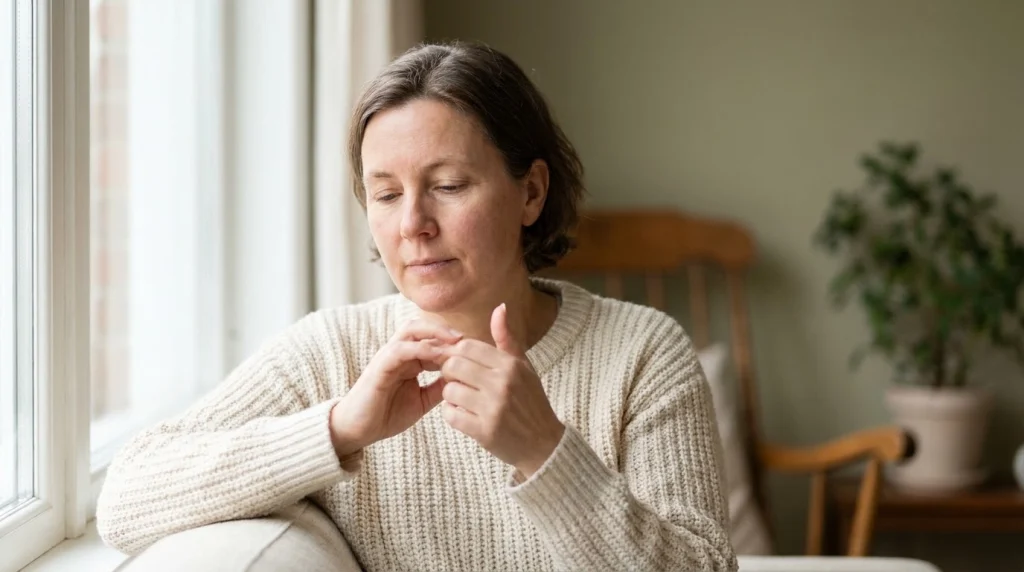
Not every color change is dangerous, but certain signs should never be ignored.
Warning Signs
- A new or changing brown or black streak
- Dark pigment spreading onto nearby skin
- Green discoloration under an enhancement
- Increasing redness, swelling, warmth, or tenderness
- Pus or drainage around the nail
- Significant nail lifting or separation
- Severe throbbing pain after an injury
- Persistent or progressive color changes without a clear cause
Seek urgent care for a crushed finger, severe pain, suspected fracture, rapidly spreading redness, fever with nail infection symptoms, or a painful collection of blood beneath the nail.
Never attempt to puncture or drill a bruised nail at home to release pressure.
A dermatologist can also evaluate unusual nail pigmentation and determine whether additional testing is needed.
What Products Can Help Protect Damaged Nails?
You do not need an expensive recovery kit to care for nails after gel or acrylic removal.
Simple moisturizing and protection products are often the most practical starting point for dry, fragile nails.
Affiliate disclosure: As an Amazon Associate, we earn from qualifying purchases. Product links below are optional shopping searches, not treatments for nail infections or unexplained pigmentation.
Recommended Product
CeraVe Moisturizing Cream
A fragrance-free moisturizing cream can help condition dry hands and surrounding nail skin after frequent washing or manicure removal.
Recommended Product
CND SolarOil Nail and Cuticle Care
This type of nail and cuticle oil can be used to condition dry, intact cuticles and surrounding skin. It does not treat bacterial or fungal infections.
Recommended Product
Fine-Grit Glass Nail File
A smooth glass nail file can help maintain short, even nail edges without unnecessary surface buffing.
How Can You Prevent Discoloration After Future Manicures?
Although you cannot prevent every nail problem, careful manicure habits can lower the risk of avoidable damage.
Choose Gentle Removal Techniques
Follow the removal procedure appropriate for your specific gel or acrylic system.
Avoid pulling, prying, or scraping enhancements from the natural nail.
If the product does not loosen as expected, seek assistance rather than applying additional force.
Avoid Excessive Nail Filing
Your natural nail does not need aggressive thinning before every manicure.
Ask your nail technician about their preparation technique and whether filing can be minimized.
Replace Lifted Enhancements Promptly
Do not ignore acrylic or gel products that have started separating from the natural nail.
Lifted material can trap dirt or moisture and may create conditions that contribute to further problems.
A qualified technician can assess cosmetic lifting, but a discolored or painful nail should be evaluated medically rather than simply covered.
Protect Your Cuticles
Your cuticles help protect the area where new nail emerges.
Avoid cutting healthy cuticle tissue or allowing aggressive trimming that causes bleeding.
Pay Attention to Changes Between Appointments
Check the appearance of your natural nails whenever your manicure is removed.
Look for changes in color, texture, thickness, attachment, and comfort.
Noticing problems early can help you decide when to change your nail care routine or contact a healthcare professional.
What Should You Do and Avoid When Your Nails Are Discolored?
DO
- Keep nails clean and dry.
- Moisturize intact nails and skin.
- Protect nails from impact.
- Use gentle nail files.
- Monitor color changes.
- Seek care for concerning signs.
DON’T
- Peel off enhancements.
- Buff stains aggressively.
- Cover suspected infections.
- Use household bleach.
- Drill bruised nails at home.
- Ignore new dark streaks.
What If Your Nail Color Is Not Improving?
Sometimes discoloration remains visible longer than expected. The next step depends on the pattern and accompanying symptoms.
Problem: Yellow staining remains after several weeks
If the nail otherwise looks normal, staining may still be growing out. Avoid aggressive whitening treatments. Seek evaluation if the area spreads, thickens, crumbles, or does not behave like ordinary staining.
Problem: White patches appear after every gel manicure
Repeated filing or removal damage may be contributing. Discuss gentler preparation and removal methods with your nail technician and avoid further enhancement stress while the nails are fragile.
Problem: A green patch appears under acrylics
Do not apply another enhancement. Arrange professional assessment because bacterial infection is one possible cause. Treatment depends on the diagnosis.
Problem: A dark spot does not move with nail growth
Have a dermatologist examine it, especially if you cannot recall an injury or the pigmentation is changing. Do not assume that all dark marks are bruises.
Frequently Asked Questions About Nail Discoloration
Is nail discoloration normal after gel removal?
Some temporary staining or superficial damage may become visible after gel removal. However, persistent discoloration, nail lifting, pain, or unusual dark or green changes should not be dismissed as normal.
Why are my nails yellow after removing acrylics?
Yellow discoloration may result from polish staining, but infection or another nail condition is also possible. Thickening, crumbling, spreading discoloration, or nail separation warrants professional evaluation.
Can green nails go away without treatment?
Green discoloration can indicate a bacterial infection and should be evaluated rather than covered with nail products. Whether treatment is necessary depends on the underlying condition and examination findings.
Can I apply nail polish over a discolored nail?
If the cause is unexplained, avoid covering the nail until you understand what is happening. Polish can hide changes that deserve monitoring, particularly when there is pain, lifting, or suspected infection.
How long does a bruised fingernail take to heal?
A minor bruise may move outward as your nail grows, which can take several months. Severe pain, substantial injury, or unexpected pigmentation needs medical evaluation rather than home treatment.
Final Thoughts on Nail Discoloration After Gel, Acrylic Removal or Injury
Nail discoloration after gel, acrylic removal or injury can have several causes, from harmless pigment staining to nail plate damage, bruising, and infections.
The safest approach is to identify the accompanying symptoms, avoid further manicure trauma, protect your natural nails, and seek medical attention when the color change is unexplained, painful, spreading, or persistent.
Save this guide to your Pinterest nail care board so you can recognize important nail changes and make informed decisions before your next manicure.

Hi, I’m Jessica, the creator behind Unique Lash & Nails Katy.
I created this website for anyone who loves beautiful nails as much as I do. Here, I share trendy nail designs, seasonal manicure ideas, easy nail care tips, honest product recommendations, and step-by-step guides to help you create salon-worthy nails at home. Whether you’re looking for everyday inspiration or your next favorite nail trend, I hope you’ll find something you love.