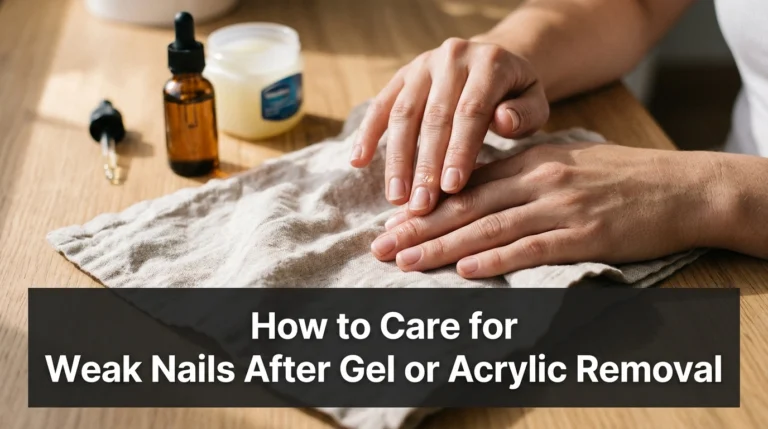
Why Do Nails Look Dull? 9 Causes and Easy Fixes
Quick Answer
Nails often look dull because of dryness, repeated exposure to water and cleaning products, surface scratches, manicure damage, or leftover nail polish residue. Natural ridges can also make nails reflect light unevenly. You can usually improve their appearance by moisturizing daily, protecting your hands, avoiding aggressive buffing, and removing polish gently. However, persistent changes in color, thickness, shape, or texture may need medical attention.
Have you ever removed your favorite nail polish only to discover that your natural nails look cloudy, dry, or strangely lifeless? You’re not alone. Even nails that feel reasonably strong can lose their smooth, healthy-looking finish.
The good news is that dull nails don’t automatically mean unhealthy nails. Sometimes the explanation is as simple as a rough surface or dehydration-related dryness. Other times, changes in nail texture or color deserve closer attention.
Understanding why nails look dull helps you choose the right care routine without accidentally making the problem worse.


What Makes Natural Nails Look Shiny or Dull?
Your nails are primarily made of keratin, a tough structural protein. Unlike living skin, the visible nail plate consists of compacted cells that can’t repair themselves in the same way your skin does.
Healthy-looking nails generally have a relatively smooth surface, consistent color, and a subtle natural sheen. When light hits a smoother surface, more of it reflects in a consistent direction. That reflection creates the shine you notice.
When the nail surface becomes rough, flaky, scratched, or uneven, light scatters in different directions. The result is a matte, cloudy, or dull-looking nail.
This is why nails can lose their shine even when there isn’t an underlying medical problem.
However, appearance alone doesn’t establish nail health. Some perfectly normal nails aren’t particularly glossy, while nails covered with shiny polish can still be damaged underneath.
Why Do Nails Look Dull? 9 Common Causes
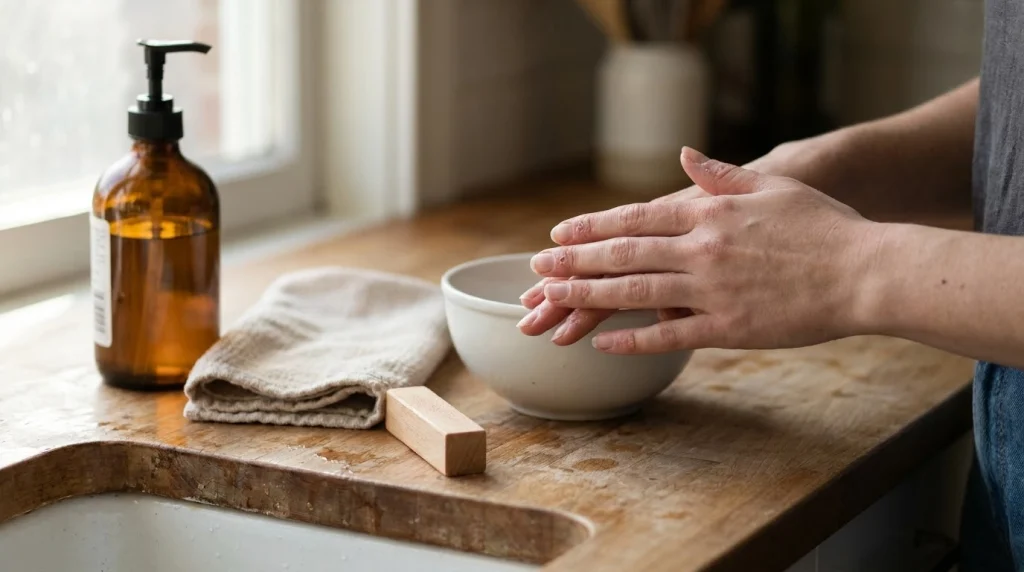
Several everyday habits and environmental factors can change how your natural nails look. Identifying which one applies to you is more useful than immediately buying a nail-strengthening treatment.
1. Your Nails Are Dry
Dryness is one of the most common reasons natural nails appear dull. Your nails and surrounding skin are exposed to soap, water, air, and environmental conditions every day.
When the nail plate becomes excessively dry, it may develop a rougher texture, making it less reflective.
You might also notice:
- Dry or peeling cuticles.
- Rough nail edges.
- Small splits near the tips.
- A chalky or matte appearance.
- Increased brittleness.
What helps: Apply a moisturizing hand cream after washing your hands. Work a small amount over the nail plates and around the cuticles rather than focusing only on your skin.
If your fingertips are especially dry, petroleum jelly can help seal in moisture overnight.
2. Frequent Handwashing and Water Exposure
Washing your hands is essential for hygiene, but repeated wetting and drying can affect fragile nails.
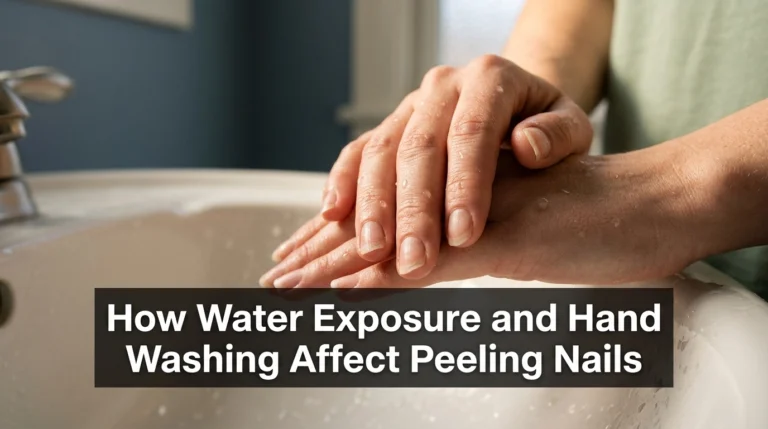
Water temporarily changes the nail plate’s moisture content. Repeated exposure followed by drying can contribute to brittleness, peeling, and surface irregularities.
People who frequently wash dishes, clean bathrooms, work with water, or use cleaning products may notice these changes more often.
What helps: Wear protective gloves when washing dishes or cleaning. Dry your hands thoroughly afterward and apply moisturizer.
For a more complete routine, explore these practical tips on how to protect your natural nails from everyday damage.
3. Nail Polish and Polish Remover
Regular nail polish doesn’t always damage nails, but frequent application and removal can contribute to a dull appearance.
Some removers, especially when used repeatedly, can temporarily dry the nail plate and surrounding skin. Removing stubborn polish with excessive rubbing adds friction.
Dark or highly pigmented nail colors may also leave temporary stains, particularly when applied without a suitable base coat.
After removing polish, your nails might appear:
- Less shiny than before.
- Slightly yellow or discolored.
- Dry around the cuticles.
- Rough where polish was scraped away.
What helps: Remove polish gently, avoid scraping the nail surface, and moisturize after removal.
If you use gel or acrylic manicures, understanding how manicure products affect brittle nails can help you make safer choices.
4. Excessive Nail Buffing
Buffing can temporarily make nails look smoother and shinier, which makes it tempting to do it frequently.
Unfortunately, the improvement can come at a cost.
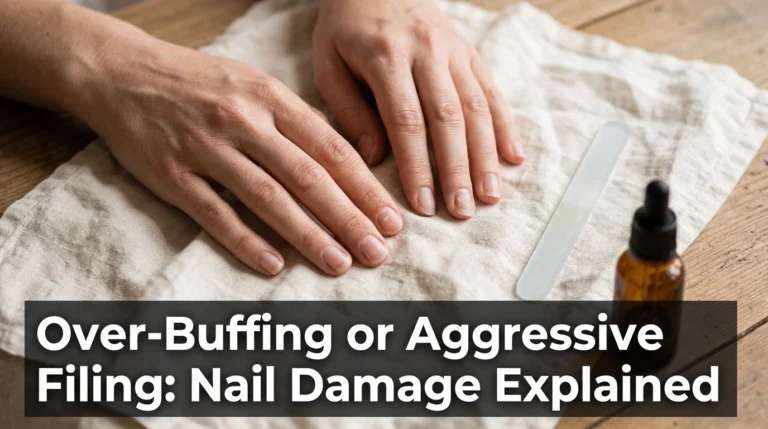
Buffing removes some material from the nail surface. Excessive pressure or repeated sessions can make the nail plate thinner and more vulnerable to peeling or breakage.
Over-buffed nails may eventually look uneven and damaged rather than glossy.
What helps: Avoid aggressively polishing the natural nail plate with abrasive buffers. If your nails are already thin or peeling, skip buffing and allow the damaged sections to grow out.
5. Gel Manicures, Acrylics, and Artificial Nails
Artificial nail enhancements can create a beautiful glossy finish, but the natural nail underneath may look dull after removal.
This can happen when the nail surface is heavily filed during preparation or when attached products are peeled, scraped, or pried away.
Removing gel or acrylic products incorrectly may strip superficial layers from the natural nail plate.
Signs of manicure-related damage include:
- Thin, flexible nails.
- White rough patches.
- Peeling near the tips.
- Increased sensitivity.
- Uneven nail surfaces.
What helps: Choose proper removal methods and avoid peeling attached product. If your nails are damaged, reduce further manicure trauma while healthier nail material grows in.
6. Natural Nail Ridges and Aging
Not every dull nail is damaged. Your nails naturally change over time, and some people have more noticeable ridges than others.
Fine vertical ridges become increasingly common with age. These lines run from the cuticle toward the nail tip and can create an uneven surface that reflects light differently.
As a result, your nails may appear less smooth or glossy than they did several years ago.
What helps: Moisturize consistently and keep nails neatly trimmed. Don’t aggressively buff away normal ridges just to create a perfectly flat appearance.
New deep horizontal grooves, especially across several nails, are different from ordinary fine vertical ridges and should be assessed by a healthcare professional.
7. Exposure to Cleaning Chemicals
Household cleaners and detergents can affect both the skin around your nails and the nails themselves.
Repeated contact may contribute to dryness, irritation, and brittleness. Some products can also cause discoloration or damage when used without appropriate protection.
If your nails look particularly dull after cleaning sessions, consider whether direct chemical exposure is part of the problem.
What helps: Use household gloves suited to the cleaning product, follow product safety instructions, and moisturize after washing your hands.
8. Nutritional Deficiencies or Health Conditions
Sometimes nail changes are associated with health problems, although ordinary dullness by itself is not a reliable sign of nutritional deficiency.
Iron deficiency, thyroid disorders, and certain skin conditions can affect nail strength, texture, or appearance.
For example, iron deficiency may sometimes be associated with unusually thin or spoon-shaped nails. Psoriasis can cause nail pitting, while fungal infections may cause discoloration, thickening, or crumbling.
What helps: Eat a balanced diet containing adequate protein, iron, and other essential nutrients. If your nail changes are persistent or accompanied by fatigue, unusual skin changes, or other symptoms, speak with a healthcare professional.
Don’t assume you need biotin or iron supplements solely because your nails look dull. Supplements aren’t always beneficial and can carry risks.
9. Normal Wear and Everyday Friction
Your nails experience small amounts of wear throughout the day.
Typing, opening packaging, gardening, scratching surfaces, and using your nails as tools can gradually affect their edges and surface.
This wear may be especially noticeable if your nails are long or already brittle.
What helps: Keep nails at a manageable length, smooth snagged edges with a fine nail file, and avoid using your fingernails to pry objects open.
How Can You Tell Whether Dull Nails Are Dry or Damaged?
The best clue is what else has changed besides the shine.
If your nails look dull but otherwise feel strong, maintain their normal color, and have no unusual symptoms, the issue may simply be their natural texture or everyday surface wear.
If the dull appearance developed after repeated manicures, rough filing, or aggressive gel removal, external damage becomes more likely.
Look for these patterns:
- Dull with dry cuticles: Dryness and frequent washing may contribute.
- Dull with peeling tips: Repeated water exposure or mechanical damage may be involved.
- Dull with fine vertical ridges: Natural variation or age-related changes may explain the appearance.
- Dull with white rough patches after gel removal: Surface damage may be involved.
- Dull with thickening, yellowing, or crumbling: A nail condition or infection may need evaluation.
These clues can help you identify possible causes, but they aren’t a substitute for a diagnosis.
How Can You Make Dull Nails Look Shiny Naturally?
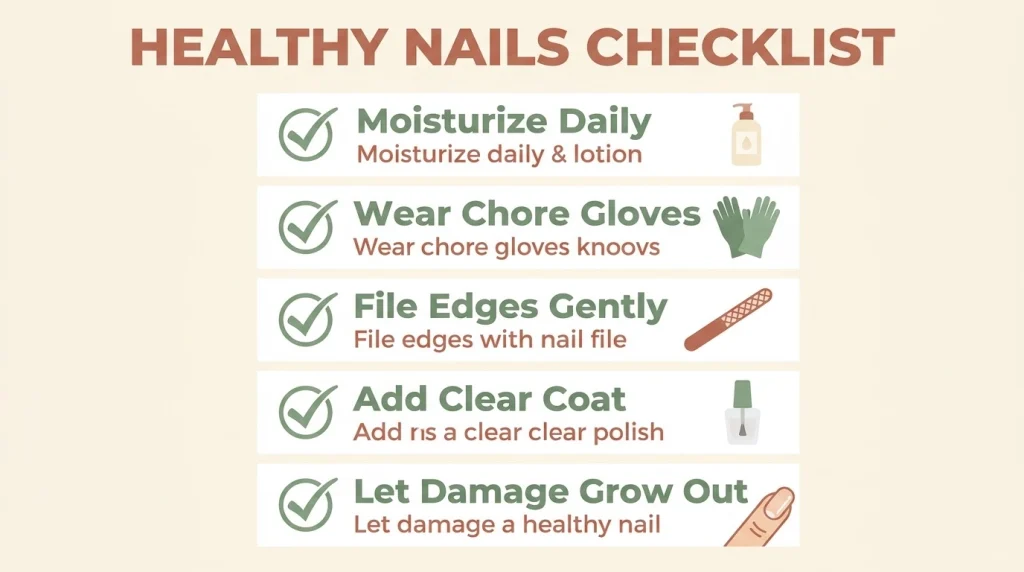
If your nails are simply dry or mildly rough, a gentle daily routine is usually a better starting point than aggressive polishing treatments.
Moisturize Your Nails Every Day
Use hand cream containing ingredients such as glycerin, petrolatum, or other moisturizing agents.
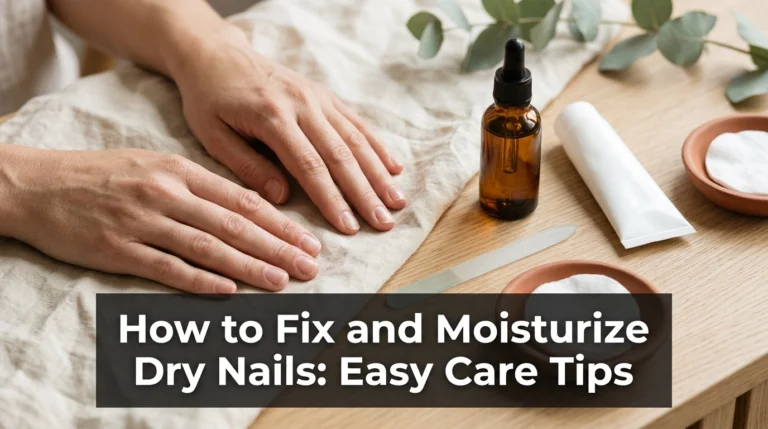
Massage it over your nails and surrounding skin after handwashing and before bed. Regular moisturizing can improve the appearance of dry cuticles and reduce dryness-related roughness.
For an extra conditioning step, apply a small amount of cuticle oil.
Jojoba-based cuticle oils are a popular option because they’re easy to spread and can help condition dry skin around the nail.
Recommended Nail Care Product
Jojoba Cuticle Oil
A simple cuticle oil can help condition dry nail folds and improve the appearance of rough cuticles. It doesn’t permanently repair damaged nail layers.
As an Amazon Associate, we earn from qualifying purchases.
Protect Your Nails During Household Chores
Gloves make a real difference if you frequently expose your hands to detergents or water.
Choose gloves that fit comfortably and suit the products you’re using. If you find your hands sweating inside them, remove the gloves between tasks and dry your hands.
Recommended Nail Protection
Reusable Household Cleaning Gloves
Protective cleaning gloves reduce direct contact with water and cleaning agents that can contribute to dry, brittle nails.
Find Cleaning Gloves on Amazon
As an Amazon Associate, we earn from qualifying purchases.
File Rough Edges Gently
A nail file can help remove small snags that make your nails look untidy and encourage peeling.
Use a fine-grit file with light pressure. Avoid repeatedly filing back and forth with force, especially if your nails split easily.
Focus on smoothing the free edge rather than thinning the top of the nail plate.
Recommended Nail Tool
Fine-Grit Glass Nail File
A smooth glass nail file can help shape natural nails and remove rough edges without aggressive surface buffing.
Find Glass Nail Files on Amazon
As an Amazon Associate, we earn from qualifying purchases.
Use a Clear Coat for Temporary Shine
If your nails are healthy but naturally matte, a thin layer of clear nail polish can give them a glossy finish.
This is a cosmetic option, not a treatment for damaged nails.
Apply it to clean, dry nails and remove it gently when needed. Avoid covering nails that are painful, lifting, unusually discolored, or showing signs of infection.
When choosing polish, remember that a shiny surface doesn’t necessarily mean the underlying nail has become stronger.
Allow Damaged Nails to Grow Out
If your nails have been thinned by harsh manicures or repeated buffing, no oil or cream can instantly rebuild the missing nail layers.
The damaged nail plate needs to move outward as new nail grows from the base.
Until then, keep your routine gentle. Avoid additional filing, picking, and repeated aggressive product removal.
For more everyday guidance, see how to properly care for your nails.
Pro Tip
Before buying a nail hardener, identify whether your nails are actually breaking or simply look matte. A hardening treatment won’t solve every cause of dullness, and some formulas can make already brittle nails more rigid.
Should You Buff Dull Nails to Make Them Shine?
Buffing can produce immediate cosmetic shine, but it isn’t always the best solution.
Every abrasive buffing session removes a small amount of nail material. When repeated too often, the process can thin your natural nails.
If your nails are already peeling, flexible, painful, or visibly damaged, avoid buffing.
For otherwise healthy nails, occasional very gentle surface smoothing may be tolerated, but it’s optional. You don’t need to buff to maintain healthy nails.
A moisturizing routine and a removable clear coat are generally more conservative ways to improve appearance without deliberately thinning the nail plate.
Warning
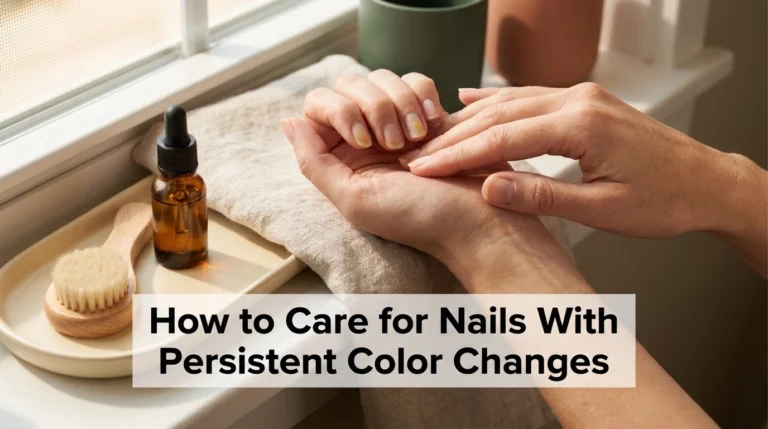
Don’t attempt to buff away unexplained dark streaks, discoloration, painful spots, or thickened areas. These changes may require medical assessment rather than cosmetic treatment.
What Daily Habits Help Prevent Dull Nails?
You don’t need a complicated nail-care routine to keep your nails looking neat and conditioned.
Focus on reducing unnecessary damage and maintaining moisture around your nails.
Do
- Moisturize after washing.
- Keep nails neatly trimmed.
- Wear gloves while cleaning.
- File snags gently.
- Remove polish carefully.
- Check your bare nails regularly.
Don’t
- Over-buff the nail surface.
- Peel off gel polish.
- Pick at your cuticles.
- Use nails as tools.
- Ignore unexplained changes.
- Take supplements without a reason.
If your nails are prone to splitting as well as dullness, the prevention methods in this guide to preventing nail splitting can help you address both concerns.
How Long Does It Take for Dull Nails to Look Healthy Again?
The timeline depends on what’s causing the dull appearance.
If your nails simply look dry, moisturizing may improve their appearance quickly, sometimes after the first few applications. This doesn’t mean the underlying nail plate has been permanently repaired.
If roughness comes from repeated gel removal, heavy buffing, or physical injury, improvement takes longer because the damaged portion must grow outward.
Fingernails typically grow around 3 millimeters per month, although growth varies between individuals.
A complete fingernail replacement often takes approximately four to six months. Significant damage near the base may therefore remain visible for several months.
Rather than expecting instant repair, look for gradual improvements such as fewer splits, smoother new growth, and less irritation around the nail folds.
Can Dull Nails Be a Sign of a Health Problem?
Most cases of ordinary nail dullness aren’t emergencies. However, changes in nail color, texture, or shape sometimes reflect medical conditions.
It’s particularly important to pay attention when dullness occurs alongside new symptoms.
Consider speaking with a healthcare professional if you notice:
- Unexplained yellowing accompanied by thickening or crumbling.
- New dark streaks or changing pigmentation.
- Nails separating from the nail bed.
- Persistent pain, redness, warmth, or swelling.
- Unusual spoon-shaped nails.
- Deep horizontal grooves developing across several nails.
- Sudden or unexplained changes affecting multiple nails.
These symptoms don’t automatically indicate a serious disease, but they deserve appropriate assessment.
A dermatologist can evaluate nail changes and determine whether testing or treatment is necessary.
If your nails suddenly appear blue and you also experience breathing difficulty or chest pain, seek emergency medical care.
You can find more information about concerning nail changes from the American Academy of Dermatology and other established medical resources.
Frequently Asked Questions About Dull Nails
Q: Why do my nails look dull after removing nail polish?
A: Nail polish remover, friction, surface residue, or previous manicure preparation can leave nails looking dry or rough. Moisturize after removal and avoid scraping or aggressively buffing the nail plate.
Q: Can dehydration make your nails look dull?
A: Dry nail surfaces can look dull, but dullness alone doesn’t establish that your body is dehydrated. Frequent washing, detergents, and local dryness are common contributors. Use moisturizer and maintain normal hydration.
Q: Why are my nails dull but not brittle?
A: Natural surface texture, fine ridges, minor scratches, and cosmetic residue can reduce shine without noticeably weakening your nails. If their color and shape are normal, you may simply have naturally less-glossy nails.
Q: Does cuticle oil make natural nails shiny?
A: Cuticle oil can temporarily improve the appearance of dry nails and condition the surrounding skin. However, it won’t permanently repair thinning, deep ridges, or damaged nail layers.
Q: Can vitamin deficiencies cause dull nails?
A: Certain nutritional deficiencies may affect nail texture, strength, or shape, but dullness alone doesn’t identify a deficiency. A healthcare professional can assess whether testing is appropriate based on your symptoms and history.
How Can You Keep Your Natural Nails Looking Beautiful?
When your nails lose their shine, the best response isn’t necessarily another treatment or manicure product.
Start by understanding what’s changed. Dryness, environmental exposure, natural ridges, and manicure-related damage are all possible explanations.
For most routine care, moisturizing, gentle grooming, protective gloves, and careful polish removal provide a sensible foundation.
If you want a more complete approach to everyday nail health, explore what’s healthiest to put on natural nails.
Remember that healthy nails don’t have to look perfectly glossy. A consistent nail-care routine matters more than chasing instant shine.
Save this guide to your Pinterest nail-care board so you can revisit these tips whenever your nails need some extra attention.

Hi, I’m Jessica, the creator behind Unique Lash & Nails Katy.
I created this website for anyone who loves beautiful nails as much as I do. Here, I share trendy nail designs, seasonal manicure ideas, easy nail care tips, honest product recommendations, and step-by-step guides to help you create salon-worthy nails at home. Whether you’re looking for everyday inspiration or your next favorite nail trend, I hope you’ll find something you love.