Hand Washing, Sanitizer and Soap: Nail Moisture Guide
Quick Answer
Frequent hand washing, alcohol-based sanitizer, and some soaps can contribute to dry nails and cuticles by repeatedly exposing them to water, cleansing agents, and alcohol. Soap removes oils from your skin, sanitizer can increase dryness, and repeated wet-dry cycles can stress fragile nails. Protect nail moisture by using gentle soap, avoiding unnecessarily hot water, applying fragrance-free hand cream after washing, and moisturizing your cuticles daily. Keep washing your hands whenever hygiene requires it.
You wash your hands after using the bathroom, before preparing food, and throughout your daily routine. Maybe you also keep a small bottle of sanitizer in your handbag. These habits help protect your health, but your nails and cuticles might not always feel comfortable afterward.
If you’ve noticed rough cuticles, peeling nail tips, or tight skin around your fingertips, frequent cleansing may be one contributing factor.
Understanding how hand washing, sanitizer and soap affect nail moisture can help you protect your nails without compromising hygiene. Here’s what happens to your nails during cleansing and how to build a practical moisturizing routine.


Why Does Hand Washing Affect Nail Moisture?
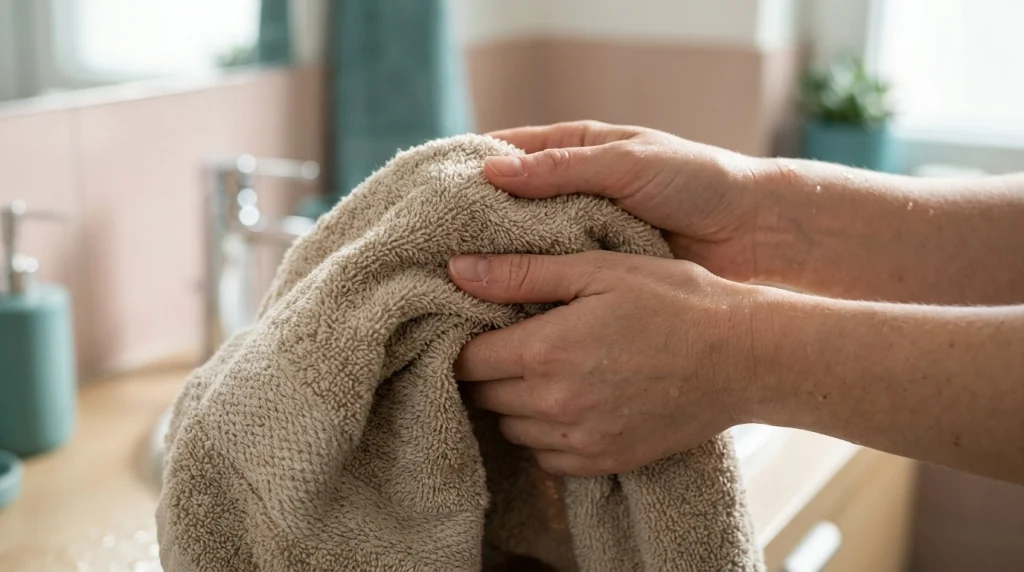
Your nails and surrounding skin respond differently to water, but both can be affected by repeated washing.
The visible nail plate is made primarily of keratin, a tough protein that forms protective layers. Although nails feel hard, they can absorb water and change slightly as their moisture content changes.
The surrounding skin, including your nail folds and cuticle area, contains a protective barrier that helps limit unnecessary water loss.
Frequent washing can interfere with this balance in several ways.
1. Repeated Water Exposure Changes Nail Hydration
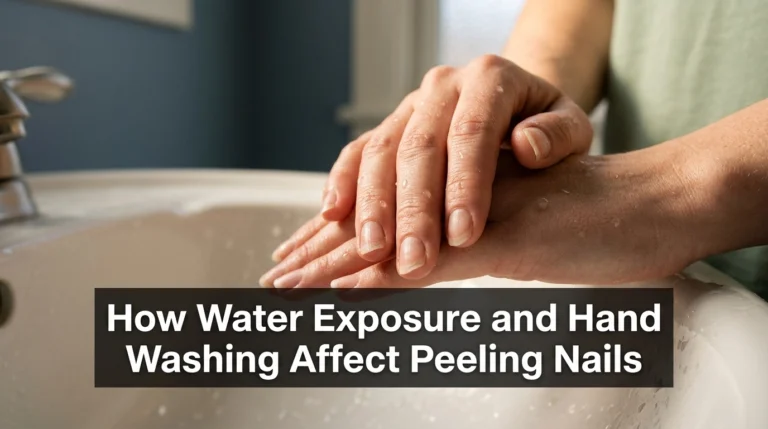
When your fingernails spend time in water, the nail plate absorbs some moisture. As your hands dry, that moisture gradually leaves.
Normal hand washing isn’t automatically harmful. However, repeated wetting and drying, especially when combined with detergents or prolonged soaking, may contribute to splitting and peeling in nails that are already fragile.
Think about how your nails sometimes feel softer after a long bath. That temporary change illustrates their ability to absorb water.
The practical solution isn’t avoiding water. Instead, reduce unnecessary soaking and protect your hands during wet household chores.
2. Cleansing Can Remove Protective Skin Oils
Your skin naturally produces lipids that help support its protective barrier.
Soap removes dirt, germs, and oils from the surface of your hands. This cleansing action is useful for hygiene, but frequent exposure to harsh formulations can also leave the skin around your nails dry.
When your nail folds lose moisture, they may feel tight, rough, or uncomfortable.
Applying moisturizer after washing helps replace some of the barrier support that repeated cleansing can reduce.
3. Hot Water Can Make Dryness More Noticeable
Very hot water can aggravate dry or sensitive skin, particularly when combined with frequent soap use.
You don’t need extremely hot water to clean your hands effectively. According to the Centers for Disease Control and Prevention, warm and cold water can both work for hand washing.
Choose a comfortable temperature and focus on proper washing technique rather than increasing the heat.
How Does Soap Affect Your Nails and Cuticles?
Soap is one of the most important products in everyday hand hygiene. It helps lift germs, dirt, and oils so they can be rinsed away with water.
However, not every cleansing formula feels the same on your skin.
Can Regular Hand Soap Dry Out Your Nails?
Yes, regular soap can contribute to dryness, particularly when you wash your hands frequently or already have sensitive skin.
Some soaps contain stronger cleansing ingredients or added fragrances that may increase irritation in susceptible people.
The immediate effects are often most noticeable around your cuticles rather than deep inside the nail plate.
You might notice:
- Dry, tight skin around your fingernails.
- Rough or flaky cuticles.
- Increased hangnails.
- Stinging when applying certain products.
- Greater discomfort after repeated cleansing.
These symptoms don’t automatically mean your soap is damaging your nails. Dry weather, cleaning chemicals, eczema, and manicure habits can also contribute.
Is Antibacterial Soap More Drying Than Regular Soap?
Whether a soap feels drying depends on its overall formulation, not simply whether its label says antibacterial.
For routine household hand washing, plain soap and water are generally sufficient. The CDC notes that consumer antibacterial soaps haven’t demonstrated an added health benefit over plain soap for everyday use.
If your hands feel irritated, try a gentle, fragrance-free hand cleanser rather than assuming that an antibacterial label means better protection.
What Ingredients Should You Look For in Hand Soap?
When shopping for a cleanser, consider formulas intended for sensitive skin.
- Glycerin: A humectant that helps attract and retain water in the skin.
- Gentle cleansing agents: May feel more comfortable than strongly stripping formulas.
- Fragrance-free formulations: Can reduce exposure to common fragrance irritants.
- Moisturizing ingredients: May improve how your hands feel after washing.
No ingredient guarantees that a soap will never cause dryness. Your individual skin response matters, so pay attention to how your hands feel after repeated use.
If you want a more detailed explanation, explore our guide on how soap affects nail moisture.
Does Hand Sanitizer Dry Out Nails More Than Soap?
Alcohol-based hand sanitizer can cause dryness, especially with frequent use, but it isn’t accurate to say sanitizer is always more damaging than soap and water.
The effect depends on the sanitizer formula, your skin condition, frequency of use, and whether you apply moisturizer afterward.
In some professional healthcare settings, well-formulated alcohol-based hand rubs can cause less skin irritation than repeated soap-and-water washing.
What Does Alcohol Do to the Nail Area?
Alcohol-based sanitizers work by inactivating many germs on the skin.
As the alcohol evaporates, your hands may feel dry or tight. Repeated exposure can contribute to irritation around the nail folds, particularly if your skin barrier is already compromised.
That doesn’t mean sanitizer permanently removes moisture from the entire nail plate or inevitably causes brittle nails.
Dry cuticles and irritated fingertips are often the more noticeable concerns.
Can You Moisturize After Using Sanitizer?
Yes. You can apply hand cream after sanitizer has dried completely.
This is a particularly helpful habit if you sanitize frequently throughout the day.
Use the correct amount of sanitizer, cover all surfaces of your hands, and rub until dry. Don’t wipe it away early or dilute it with lotion before it has finished drying.
Pro Tip
Keep a travel-size fragrance-free hand cream beside your sanitizer. Once your sanitizer is completely dry, massage a small amount of cream over your hands, fingertips, and cuticle area. This makes moisturizing easier to remember without interfering with proper sanitizer use.
Hand Washing vs. Sanitizer: Which Is Better for Nail Moisture?
Both approaches can affect the moisture balance of your hands, and neither is automatically best for every situation.
| Factor | Soap and Water | Alcohol-Based Sanitizer |
|---|---|---|
| Main cleaning action | Removes dirt, germs, and oils | Inactivates many germs |
| Potential dryness | Can strip skin oils | Can dry or irritate skin |
| Nail exposure | Water and cleansing ingredients | Alcohol and other formulation ingredients |
| Best situation | Routine washing, visibly dirty hands, food preparation | When soap and water aren’t available |
| Moisturizing approach | Apply cream after washing and drying | Apply cream after sanitizer dries |
The important distinction is that hand hygiene should be based on infection-prevention needs, not simply which product feels more moisturizing.
When soap and water are available, they’re the preferred choice in most everyday situations. If they’re unavailable, use a sanitizer containing at least 60% alcohol.
Whichever method you use, consistent moisturizing can help keep your nail area comfortable.
What Are the Signs That Your Nails Need More Moisture?
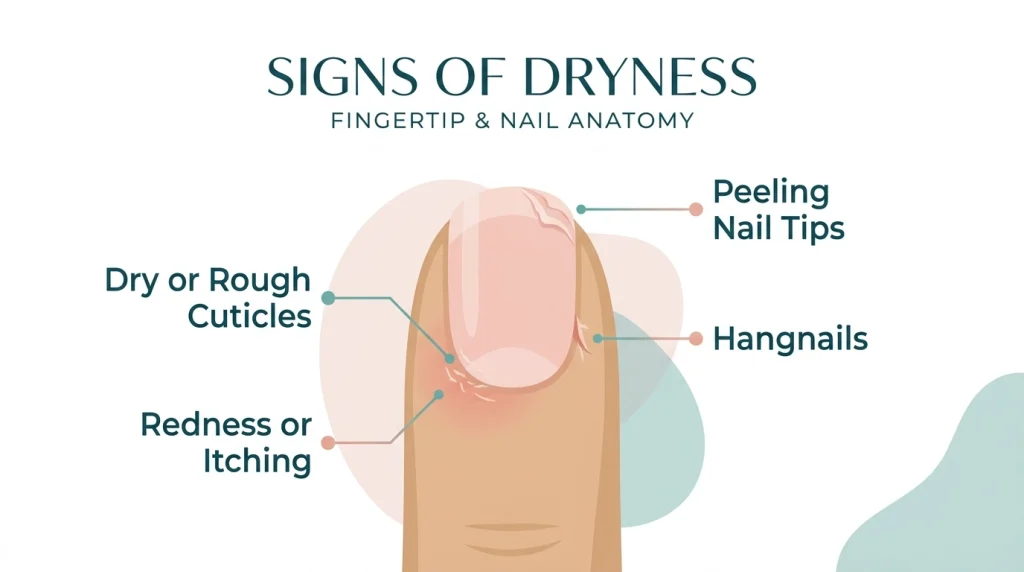
Dryness doesn’t look identical on everyone’s hands. Some people notice uncomfortable cuticles first, while others become concerned about changes in the nail tips.
Dry or Rough Cuticles
Rough cuticles are a common sign that the skin around your nails needs more attention.
You may see fine flakes, uneven skin, or small dry patches near the nail base.
Try moisturizing the area regularly instead of trimming or picking at the skin.
Peeling or Splitting Nail Tips
Layers separating at the free edge may be associated with brittle nails, repeated water exposure, or mechanical damage.
Moisturizer can improve surface conditioning, but it cannot permanently reconnect nail layers that have already split.
Keep affected nails shorter and protect them while new nail grows.
Hangnails Around Your Fingers
Hangnails are small pieces of torn skin along the sides of your nails.
Dryness and friction can make them more likely. Avoid pulling them, because tearing the skin may cause bleeding or increase infection risk.
If necessary, carefully trim only the loose piece with a clean nail tool.
Redness, Itching, or Burning
Persistent redness, itching, or burning may suggest irritation, contact dermatitis, or another skin condition rather than simple dryness.
Switching to a fragrance-free cleanser and moisturizer may help mild irritation, but ongoing symptoms deserve professional evaluation.
Warning
Don’t assume every nail change is caused by washing. Increasing pain, swelling, warmth, pus, nail separation, or persistent discoloration may require medical assessment. If your symptoms worsen or don’t improve with gentle care, consult a qualified healthcare professional.
How Can You Protect Nail Moisture While Washing Your Hands?
You don’t need to wash your hands less often to improve your nail care. The goal is to keep effective hygiene habits while reducing unnecessary irritation.
1. Choose Comfortable Water Temperature
Use cool or comfortably warm running water instead of water hot enough to irritate your skin.
Wet your hands, apply soap, and scrub all surfaces for at least 20 seconds before rinsing thoroughly.
Remember to clean around your fingernails, between your fingers, and across the backs of your hands.
2. Select a Gentle Hand Cleanser
Choose a soap that cleans effectively without repeatedly leaving your hands feeling painfully tight or irritated.
Fragrance-free options can be useful when your skin is sensitive.
Don’t substitute plain water for soap when proper hand washing is needed simply because your nails feel dry.
3. Dry Your Hands Gently
Use a clean towel and avoid rough rubbing around sensitive nail folds.
Make sure you don’t leave moisture trapped under rings or between fingers, where persistent dampness may irritate the skin.
For moisturizing, your skin can be slightly damp when you apply cream.
4. Apply Moisturizer After Washing
This is one of the most useful habits for dry hands and cuticles.
Apply a fragrance-free hand cream or ointment after washing. Massage some over the fingertips, nail plates, and surrounding skin.
Creams containing glycerin, ceramides, mineral oil, or petrolatum can help support the skin barrier.
5. Protect Your Hands During Wet Chores
Washing your hands for hygiene is different from keeping them submerged in dishwater for an extended period.
Wear suitable protective gloves when washing dishes, cleaning bathrooms, or handling household detergents.
If your hands sweat inside gloves, take appropriate breaks, dry them, and choose a comfortable protective-glove setup.
These habits complement a broader nail care routine for healthy nails.
Which Moisturizing Ingredients Help Dry Nails and Cuticles?
You don’t need an expensive treatment marketed specifically for nail growth to support everyday moisture care.
A few familiar skincare ingredients can be helpful.
Glycerin for Everyday Hydration
Glycerin is a humectant that helps attract and hold water in the skin.
It’s a practical ingredient in hand creams because it supports hydration without requiring a complicated beauty routine.
Look for glycerin in products you feel comfortable reapplying throughout the day.
Ceramides for Skin Barrier Support
Ceramides are lipids naturally present in the skin barrier.
Moisturizers containing ceramides can help support skin that feels dry or compromised by frequent cleansing.
The main benefit is to the surrounding skin rather than repairing the internal structure of a damaged fingernail.
Petrolatum for Very Dry Cuticles
Petrolatum forms a protective layer that reduces moisture loss from the skin.
It can be especially useful around rough cuticles before bedtime.
Apply a thin layer over your usual moisturizer when you need additional protection.
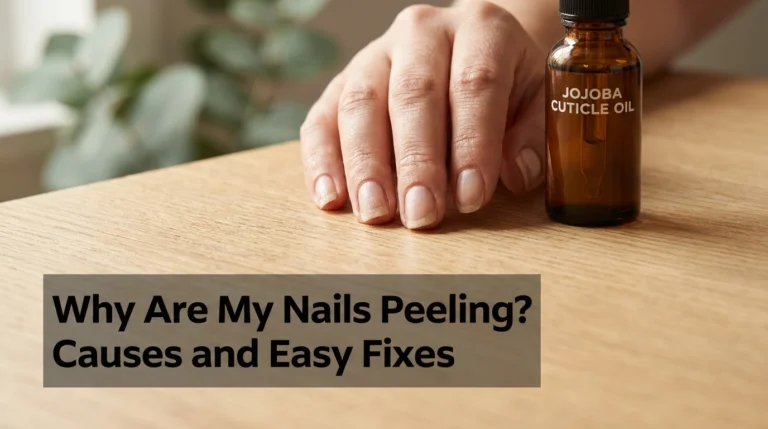
Jojoba Oil for Cuticle Conditioning
Jojoba-based cuticle oils are popular because they’re convenient for conditioning the nail surface and surrounding skin.
Apply a small amount and massage gently.
Cuticle oil may make dry nail edges feel more comfortable, but it won’t instantly repair splitting or make nails grow faster.
For more options, see the healthiest things to put on your nails.
What Products Are Useful for Dry Nails and Hands?
If frequent washing has made your hands uncomfortable, consider starting with a small, simple set of moisturizing products.
You don’t need every item below. Choose products that address your particular needs.
Recommended Product
CeraVe Moisturizing Cream
A ceramide-containing moisturizing cream is a practical option for dry hands and skin surrounding your nails. Choose a version suitable for your skin and follow the label directions.
As an Amazon Associate, we earn from qualifying purchases.
Recommended Product
Vaseline Original Petroleum Jelly
Plain petroleum jelly is useful for sealing moisture into very dry skin around your nails, especially as part of an overnight routine.
As an Amazon Associate, we earn from qualifying purchases.
Recommended Product
Jojoba Cuticle Oil
A simple jojoba-based cuticle oil can condition rough nail edges and surrounding skin between hand-washing sessions. Select a fragrance-free formula if you’re sensitive to added scents.
As an Amazon Associate, we earn from qualifying purchases.
What Daily Routine Helps Maintain Nail Moisture?
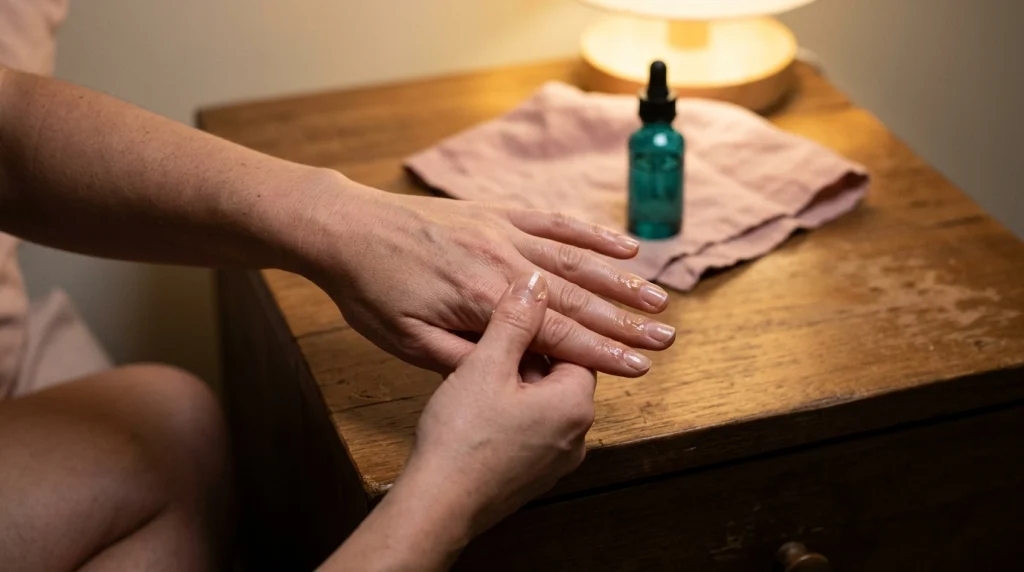
The easiest nail care routine is one that fits naturally into your day.
You don’t need to spend 30 minutes applying products. Instead, focus on short moisturizing habits after cleansing and before bedtime.
Morning: Start With a Protective Moisturizer
After your morning hand washing, apply a fragrance-free cream over your hands and nail area.
Make sure your fingertips and nail folds receive some product rather than concentrating only on your palms.
Allow the cream to absorb before handling objects that require a secure grip.
During the Day: Moisturize After Cleansing
Keep a small tube of moisturizer near your sink, desk, or in your bag.
After washing and drying your hands, apply a little cream. If you use sanitizer, wait until it has dried completely before moisturizing.
You don’t need to apply a large quantity every time. Consistent use matters more than coating your hands heavily.
Evening: Give Your Cuticles Extra Attention
Before bedtime, gently massage moisturizer around your nails.
If your cuticles are particularly dry, add a small amount of cuticle oil or petroleum jelly.
A heavier ointment can be convenient at night because you don’t need to worry as much about temporarily greasy fingertips.
Weekly: Check for Damage
Once a week, inspect your natural nails for peeling, rough edges, or irritated skin.
File snagged edges gently and keep nails at a manageable length while they’re fragile.
Avoid picking at gel polish, cutting healthy cuticles, or scraping the nail surface.
Our guide on moisturizing and cuticle care for weak nails explains how these habits can support fragile nails.
What Nail Care Habits Should You Follow or Avoid?
Small everyday decisions can make a noticeable difference to the comfort of your hands.
Do
- Wash your hands whenever hygiene requires it.
- Use comfortable water temperatures.
- Choose gentle, fragrance-free products when needed.
- Moisturize your hands and cuticles regularly.
- Wear suitable gloves for wet household chores.
- Keep fragile nails neatly trimmed.
Don’t
- Use excessively hot water on irritated skin.
- Scrub your nail folds aggressively.
- Wipe sanitizer off before it dries.
- Pull or bite loose hangnails.
- Cut healthy cuticle tissue unnecessarily.
- Ignore persistent painful skin changes.
How Long Does It Take for Dry Nails and Cuticles to Improve?
The answer depends on whether you’re dealing with surface dryness, irritated skin, or damage to the nail plate itself.
Mild dryness: Your hands and cuticles may feel softer soon after applying moisturizer. Maintaining that improvement requires regular care, particularly when frequent washing continues.
Rough or irritated skin: Improvement may take days or longer depending on the severity, continued exposure, and whether an underlying skin condition is present.
Peeling nail plates: Damaged nail layers don’t heal like living skin. The affected portion must gradually grow outward and be trimmed away. This can take months.
Don’t judge the effectiveness of your routine by expecting all visible nail damage to disappear after a few applications.
Instead, pay attention to whether your surrounding skin feels more comfortable and whether newly growing nails remain protected from repeated damage.
Frequently Asked Questions
Q: Does washing your hands too much make your nails brittle?
A: Repeated wetting and drying, especially alongside harsh cleansers, can contribute to brittle or peeling nails in susceptible people. Maintain proper hand hygiene and protect your nail area with moisturizer and gloves during prolonged wet work.
Q: Is hand sanitizer bad for your fingernails?
A: Proper sanitizer use isn’t automatically harmful to your fingernails, but frequent exposure may cause dryness or irritation around your cuticles. Let sanitizer dry completely, then apply moisturizer when needed.
Q: Should you apply cuticle oil after every hand wash?
A: You can, but it isn’t necessary for everyone. A fragrance-free hand cream after washing and cuticle oil once or twice daily may be a manageable routine. Increase moisturizing as needed for comfort.
Q: Can moisturizing repair nails damaged by soap?
A: Moisturizing can condition the nail surface and help the surrounding skin recover from dryness. However, severely split or peeled nail layers cannot be permanently rebuilt with cream or oil. Those areas need time to grow out.
Q: What soap is best for people with dry cuticles?
A: A gentle, fragrance-free hand cleanser is a reasonable starting point. Choose a formulation that cleans effectively without causing repeated irritation, and follow washing with a suitable moisturizing cream.
Final Thoughts: Keep Your Hands Clean and Your Nails Comfortable
Understanding how hand washing, sanitizer and soap affect nail moisture helps you make better decisions about everyday nail care. You don’t need to choose between clean hands and comfortable cuticles.
Use effective hand hygiene, select gentle products when possible, moisturize after cleansing, and protect your nails from prolonged wet exposure. These simple habits can support healthier-looking nails and more comfortable skin over time.
Save this guide to your Pinterest nail care board so you can return to these easy moisture-protection tips whenever your hands feel dry.

Hi, I’m Jessica, the creator behind Unique Lash & Nails Katy.
I created this website for anyone who loves beautiful nails as much as I do. Here, I share trendy nail designs, seasonal manicure ideas, easy nail care tips, honest product recommendations, and step-by-step guides to help you create salon-worthy nails at home. Whether you’re looking for everyday inspiration or your next favorite nail trend, I hope you’ll find something you love.