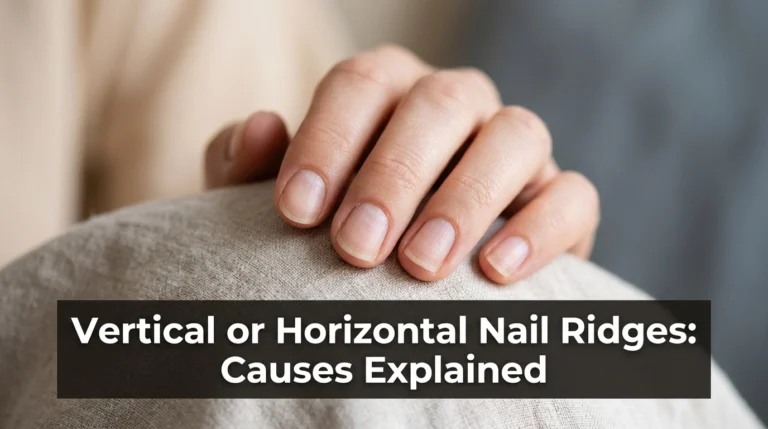
How to File Ridged Nails Safely: Easy Nail Care Tips
Quick Answer
To file ridged nails safely, use a fine-grit nail file on the free edges, apply light pressure, and file in one direction. Don’t file across the raised ridges on the nail surface. If you want a smoother appearance, use a ridge-filling base coat instead of aggressively buffing away nail layers. Finish with moisturizer or cuticle oil to help prevent dryness and splitting.
Time Needed
5–10 Minutes
Difficulty
Beginner
Items Needed
3–4 Basic Tools
Result Lasts
Until Edges Regrow
Those little lines running along your fingernails can make even a fresh manicure look uneven. You might be tempted to grab a buffer and smooth everything until the ridges disappear.
But here’s the important part: filing nail edges and filing the nail surface are two very different things. One helps prevent snags. The other can weaken your nails if you remove too much material.
This guide shows you how to file ridged nails safely, which tools to choose, when to avoid buffing, and how to create a smoother-looking manicure while protecting your natural nails.


Is It Safe to File Nails That Have Ridges?
Yes, you can safely file the free edges of nails with ordinary vertical ridges, provided the nails aren’t painful, severely damaged, or separating from the nail bed.
The free edge is the portion of your nail extending beyond your fingertip. Filing this area helps maintain a comfortable shape and removes rough corners that might catch on clothing.
The raised lines on the top of your nails are different. These ridges are part of the nail plate itself. Removing them through repeated abrasion can leave your nails thinner and more vulnerable to bending or breaking.
The safest approach is to shape the edge, protect the surface, and accept that some natural texture is normal.
Why Do Fingernails Develop Ridges?
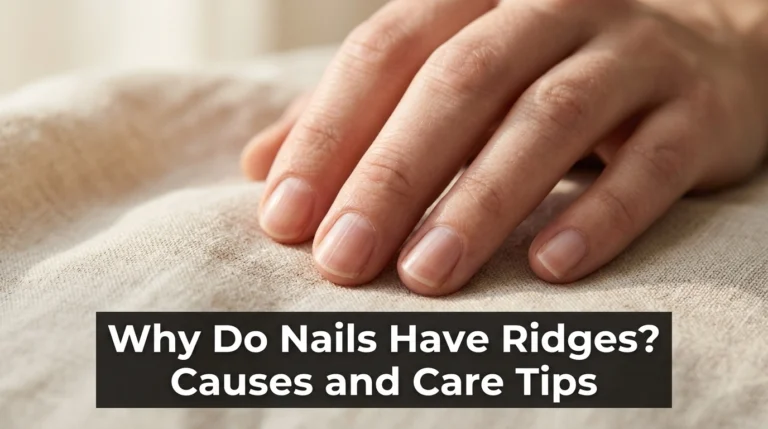
Vertical ridges run from the base of your nail toward the tip. They’re often a normal feature of nail growth and may become more noticeable with age.
Other factors, such as brittle nail changes, repeated chemical exposure, and manicure-related damage, can affect nail texture. Not every ridge has the same cause, though.
Horizontal grooves running across the nail can sometimes appear after illness, injury, or interruptions in nail growth. These deserve more attention, especially when they appear suddenly or affect several nails.
Understanding the difference helps you avoid treating a potential nail health concern as a simple cosmetic problem.
Important Safety Warning
Don’t attempt to file away deep horizontal grooves, painful ridges, or new nail abnormalities. Seek professional medical advice for new dark streaks, unusual discoloration, nail lifting, bleeding, swelling, or sudden changes in nail shape.
What Tools Do You Need to File Ridged Nails Safely?

You don’t need an expensive manicure kit. A few gentle tools are enough to shape your nails without aggressively abrading their surface.
- Fine-grit nail file: A 240-grit emery board is a practical option for gently shaping natural nail edges.
- Nail clippers: Helpful when your nails are too long to shorten comfortably with a file alone.
- Soft nail brush: Removes dust from the nail area without harsh scraping.
- Cuticle oil or fragrance-free moisturizer: Helps condition your nails and surrounding skin after filing.
- Optional ridge-filling base coat: Creates a smoother cosmetic finish without grinding down raised nail texture.
A very coarse file may remove material faster than you intend. For natural, ridged nails, prioritize gentle abrasion and precise control rather than speed.
If you’re experiencing nail splitting alongside ridges, see our guide to stopping and fixing peeling nails before changing your manicure routine.
How to File Ridged Nails Safely: Step-by-Step Guide
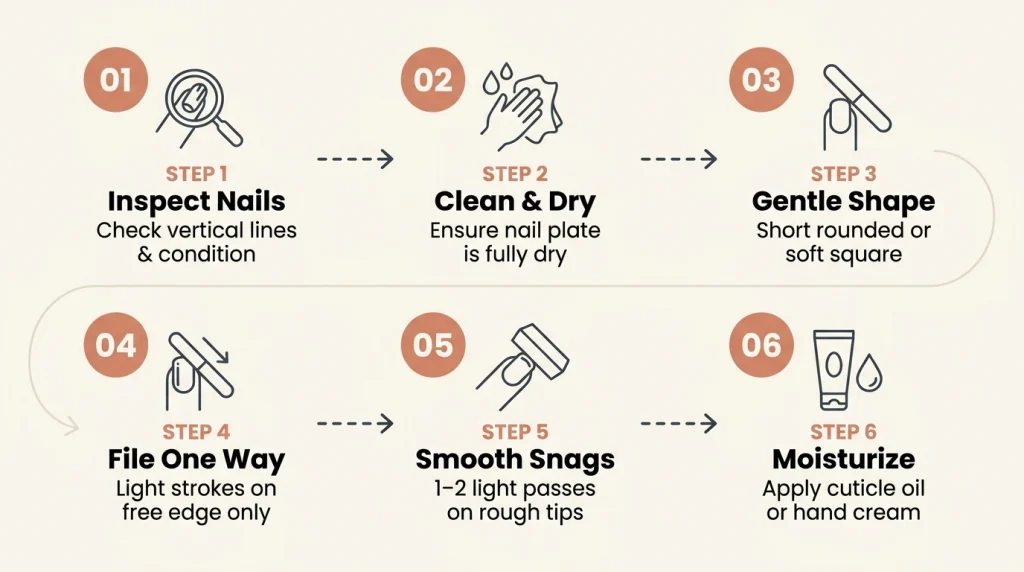
Follow these six steps whenever your nail tips need reshaping. The goal isn’t to erase the ridges. It’s to create smooth, snag-free edges while preserving the natural nail plate.
1 Inspect Your Nails First
Look at your nails under good lighting. Notice whether the lines run lengthwise, whether the free edges are peeling, and whether any nails feel unusually tender.
If your nails have ordinary vertical ridges but otherwise appear healthy, gentle edge filing is generally reasonable. Stop if you notice pain, lifting, inflammation, or an unexplained change.
Common mistake: Assuming every ridge is cosmetic and trying to smooth it away before checking the nail’s condition.
2 Clean and Dry Your Hands
Wash your hands with mild soap, rinse thoroughly, and pat them dry. Remove any old polish if necessary so you can see the nail surface clearly.
Allow your nails to dry before filing. Nails that have absorbed water can feel softer, which may make delicate edges harder to shape precisely.
Common mistake: Filing immediately after a long soak when the nail plate is temporarily softer.
3 Choose a Gentle Nail Shape
Choose a short, rounded or softly squared shape. These shapes have fewer sharp corners that can catch and tear, making them especially practical for fragile nails.
If your nails are long, shorten them carefully with clippers first. Leave enough free edge to avoid cutting into sensitive skin.
Common mistake: Keeping thin nails excessively long, increasing the leverage that contributes to bending and breakage.
4 File the Free Edge in One Direction
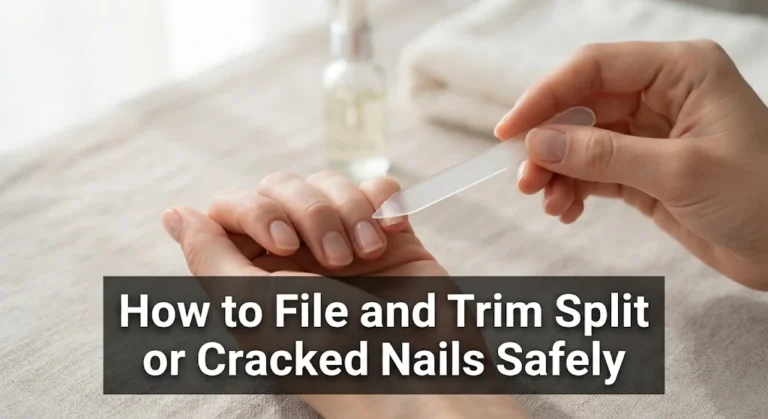
Hold your fine-grit file against the free edge at a comfortable angle. Starting near one side, move toward the center with light, controlled strokes.
Repeat from the opposite side until the shape looks even. Follow a consistent direction rather than rapidly sawing back and forth.
Keep the abrasive surface away from the raised ridges on top of the nail.
Common mistake: Using excessive pressure or aggressive sawing motions that may leave fragile edges rough or split.
5 Check and Smooth Remaining Snags
Gently check the nail tip for rough spots. If you find a snag, make one or two careful passes with your fine file and reassess.
Don’t continue filing just because the nail isn’t perfectly symmetrical. Removing unnecessary material can make already delicate tips weaker.
Common mistake: Repeatedly refining the same small corner until the nail becomes too short or uneven.
6 Moisturize and Protect Your Nails
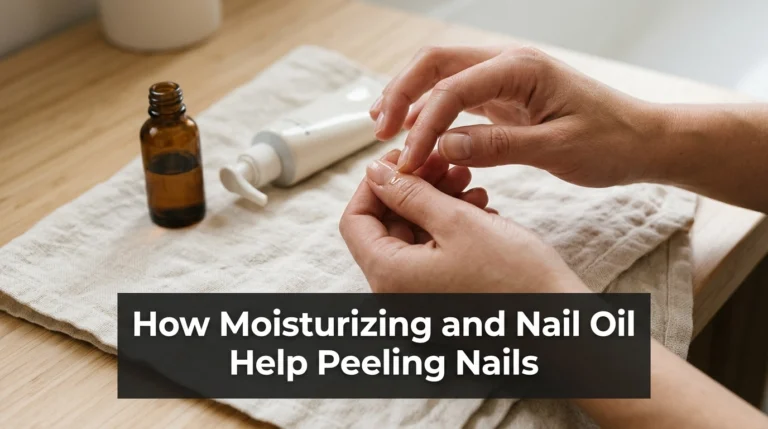
Brush away filing dust, then massage a small amount of moisturizer or cuticle oil onto the nails and surrounding skin.
Pay special attention to the cuticle area and fingertips. Regular moisturizing helps limit dryness and supports more comfortable nail maintenance.
Common mistake: Skipping aftercare and repeatedly exposing freshly shaped nails to harsh detergents without protection.
Should You Buff the Ridges on Your Nails?
For most people, leaving the ridges intact is safer than trying to buff them completely flat. A nail buffer works by removing microscopic layers from the nail plate.
Although very light, occasional cosmetic buffing may be tolerated by some healthy nails, it’s easy to remove too much material when you’re trying to eliminate prominent ridges.
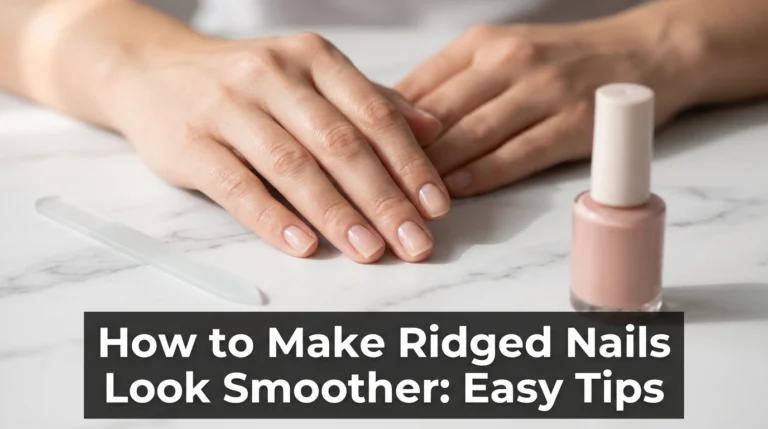
If you already have peeling, flexible, or sensitive nails, skip surface buffing altogether. A smooth appearance isn’t worth weakening the nail underneath.
Our guide to weak nails after over-buffing explains how excessive abrasion affects nail strength and what to do when damage has already occurred.
What Is a Safer Alternative to Buffing?
A ridge-filling base coat is usually the better cosmetic option. Instead of removing the raised surface, the coating helps fill shallow uneven areas so your manicure looks smoother.
Apply a thin, even layer according to the product instructions. Allow it to dry before adding regular nail polish if desired.
Keep in mind that ridge fillers only change the appearance of the nail. They don’t permanently remove ridges or treat an underlying nail condition.
Pro Tip
For a polished appearance without surface abrasion, try a ridge-filling base coat followed by two thin layers of regular nail polish. Remove the manicure gently when needed rather than scraping or peeling it off.
What Are the Biggest Mistakes When Filing Ridged Nails?
Most filing problems come from excessive pressure, inappropriate tools, or trying to remove ridges instead of simply shaping the nail.
Using a Coarse File on Natural Nails
Coarse abrasives are commonly used for certain artificial nail materials. They can remove too much material from delicate natural nails, particularly when applied to the top surface.
Filing Until the Ridges Disappear
This approach removes healthy nail material alongside the raised texture. Even when your nails look smoother immediately, the loss of thickness may make them more fragile.
Using an Electric Drill at Home
Electric nail files can remove material quickly. Without appropriate training and technique, they increase the risk of over-filing natural nails.
Ignoring Peeling or Splitting
A peeling nail needs protection, not more abrasive smoothing. File only loose, snagging free edges as needed and avoid pulling away attached nail layers.
You can also review these common weak nail care mistakes to identify daily habits that might be making your nails more vulnerable.
What Should You Do and Avoid When Caring for Ridged Nails?
Do
- Use a fine-grit nail file.
- File the free edge gently.
- Keep nails comfortably short.
- Moisturize after washing.
- Wear gloves during wet chores.
- Use ridge-filling polish if desired.
Don’t
- Grind away raised ridges.
- Use heavy filing pressure.
- Over-buff thin nails.
- Peel off gel polish.
- Cut or aggressively push cuticles.
- Ignore painful nail changes.
How Often Should You File Ridged Nails?
File your nails when the free edges become too long, uneven, or prone to snagging. You don’t need to follow a strict daily schedule.
For many people, checking the edges about once a week is a reasonable routine. However, the right frequency depends on how quickly your nails grow and how much shaping they need.
Simply smooth an occasional rough spot between regular manicures instead of filing every nail repeatedly.
Remember that filing doesn’t permanently change the way new nail material grows. Vertical ridges may remain visible as the nail grows forward, especially when they’re related to normal aging.
Which Products Help You Care for Ridged Nails?
Choose products that support gentle nail maintenance rather than promising to erase every ridge. You can start with basic tools and add a cosmetic smoothing product only if you need one.
Affiliate disclosure: As an Amazon Associate, we earn from qualifying purchases.
Recommended Product Type
240-Grit Nail File
A fine-grit file offers controlled shaping for natural nail edges. Choose one that feels comfortable to hold and replace it when worn.
Optional Cosmetic Product
Ridge-Filling Nail Base Coat
A ridge-filling base coat can make shallow surface irregularities less noticeable without requiring you to sand down the natural nail plate.
Daily Nail Care
Jojoba-Based Cuticle Oil
Cuticle oil helps condition dry skin around your nails and makes moisturizing easier to incorporate into your routine. It won’t remove ridges or restore lost nail thickness.
What If Your Nails Become Weak After Filing?
If your nails start peeling, bending unusually easily, or feeling sensitive after filing or buffing, stop further abrasion and focus on protection.
Problem: Nail Edges Keep Splitting
Gently shorten any snagging free edges without pulling attached layers apart. Keep the nails short, moisturize regularly, and reduce repeated exposure to water and detergents.
Problem: Nails Feel Thin and Flexible
Stop surface buffing and avoid enhancements requiring additional filing. Protect your nails while healthier nail material grows forward. Existing lost thickness cannot be restored instantly.
Problem: Ridges Still Look Noticeable
Don’t respond by filing deeper. Try a ridge-filling base coat for cosmetic coverage or leave your nails natural. Ridges aren’t automatically a sign that something is wrong.
Problem: Nails Become Painful or Discolored
Stop filing and arrange an evaluation with a healthcare professional. Pain, swelling, new dark streaks, and nail separation require attention rather than another cosmetic treatment.
How Can You Keep Ridged Nails Looking Healthy Between Manicures?
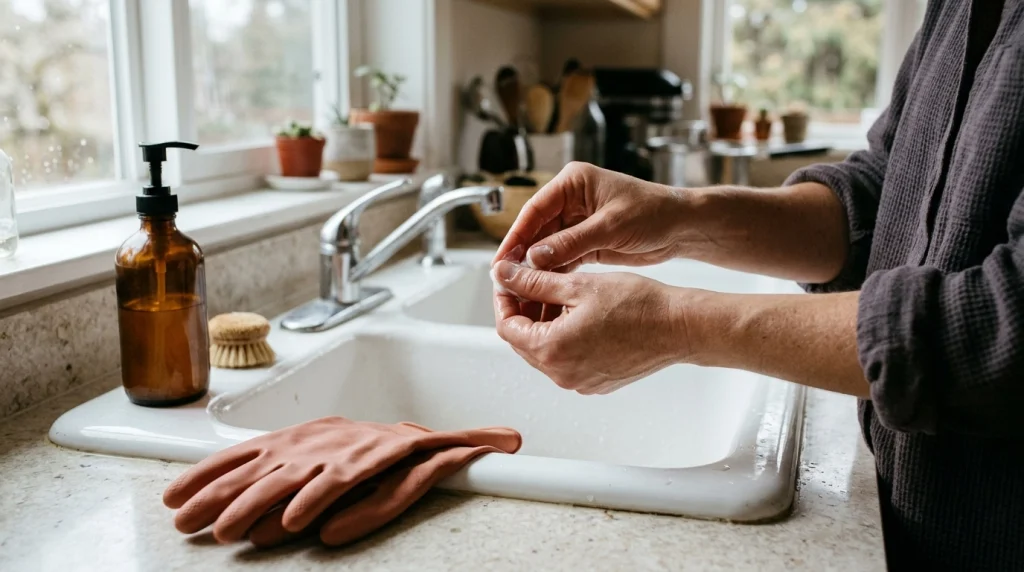
Filing is only one part of nail care. Consistent daily habits often make a bigger difference to how comfortable and manageable your nails feel.
Moisturize After Handwashing
Apply fragrance-free hand cream or a small amount of petroleum jelly around your nails when your skin feels dry. Keeping a moisturizer near the sink makes this habit easier.
Protect Your Hands During Cleaning
Wear suitable gloves while washing dishes or handling household cleaning products. Repeated wetting and drying can contribute to brittle, peeling nails.
Keep Your Cuticles Intact
Your cuticles help protect the nail growth area from outside irritants and germs. Avoid cutting them or pushing them back forcefully.
For more practical advice, explore our article on moisturizing and cuticle care for weak nails.
Be Gentle With Polish Removal
Use an appropriate polish remover and follow the product directions. Don’t peel gel polish away from your natural nails, because doing so can pull off superficial nail layers.
Give sensitive or visibly weakened nails time away from treatments requiring aggressive filing. If their condition doesn’t improve, seek professional advice.
When Should You See a Dermatologist About Nail Ridges?
Ordinary vertical ridges are often harmless. However, certain changes deserve medical attention because they may reflect an injury, infection, or another condition.
Arrange an assessment if you notice:
- New or unexplained horizontal grooves.
- A new or changing dark streak.
- Nails lifting away from the nail bed.
- Persistent pain, redness, swelling, or bleeding.
- Sudden changes in nail shape, thickness, or color.
- Progressively worsening nail abnormalities without an obvious cause.
Cosmetic filing cannot treat the underlying cause of these changes. A dermatologist can examine your nails and recommend appropriate testing or treatment when necessary.
Frequently Asked Questions About Filing Ridged Nails
Q: Can you file down ridges in your fingernails?
A: Filing across raised nail ridges removes part of the nail plate and can cause thinning. It’s safer to file only the free edges and use a ridge-filling base coat if you want a smoother appearance.
Q: What grit nail file is best for ridged natural nails?
A: A fine file around 240 grit is a reasonable choice for gently shaping natural nail tips. Avoid coarse files and heavy pressure, especially when your nails are thin or brittle.
Q: Will nail ridges disappear if I keep filing them?
A: No. Filing doesn’t change how new nail material forms. Repeatedly removing surface layers may temporarily reduce visible ridges but can weaken your nails in the process.
Q: Are vertical nail ridges a sign of unhealthy nails?
A: Not necessarily. Vertical ridges are common and often become more prominent with age. Sudden changes, pain, discoloration, or horizontal grooves should be evaluated by a healthcare professional.
Q: Is a nail buffer better than a nail file for ridges?
A: They have different purposes. A nail file shapes the free edge, while a buffer abrades the surface. For visible ridges, a ridge-filling base coat is generally preferable to repeated surface buffing.
Final Thoughts: Protect Your Nails While Keeping Them Neat
Learning how to file ridged nails safely is about gentle shaping, not removing every visible line. Use a fine-grit file on the free edges, keep pressure light, and avoid grinding down the nail surface.
With consistent moisturizing, careful manicure habits, and a ridge-filling base coat when desired, you can maintain attractive nails while protecting their natural strength.
Save this guide to your Pinterest nail-care board so you can revisit these safe filing steps whenever your nails need a little attention.

Hi, I’m Jessica, the creator behind Unique Lash & Nails Katy.
I created this website for anyone who loves beautiful nails as much as I do. Here, I share trendy nail designs, seasonal manicure ideas, easy nail care tips, honest product recommendations, and step-by-step guides to help you create salon-worthy nails at home. Whether you’re looking for everyday inspiration or your next favorite nail trend, I hope you’ll find something you love.