Weak Nails After Over-Buffing? Easy Recovery Tips
Quick Answer
Weak nails after over-buffing need protection, moisture, and time to grow out. Stop buffing and aggressive filing, keep your nails short, apply cuticle oil or petroleum jelly regularly, and avoid gel or acrylic enhancements while they recover. Existing nail plate damage cannot be reversed, but healthy new nails can gradually replace the thinned areas. Seek medical advice if you develop significant pain, bleeding, swelling, or nail lifting.
Did your nails feel smooth and beautiful immediately after buffing, only to become thin, bendy, or painfully sensitive afterward? Excessive buffing can remove protective layers from your natural nail plate, leaving your nails more vulnerable to splitting and breakage.
The encouraging news is that you can protect your damaged nails while healthier nail material grows in. You don’t need expensive salon treatments or complicated products. You need a gentle routine that avoids further damage.
Here’s how to recognize over-buffing damage, reduce everyday breakage, choose suitable nail care products, and understand what realistic recovery looks like.


Why Do Nails Become Weak After Over-Buffing?
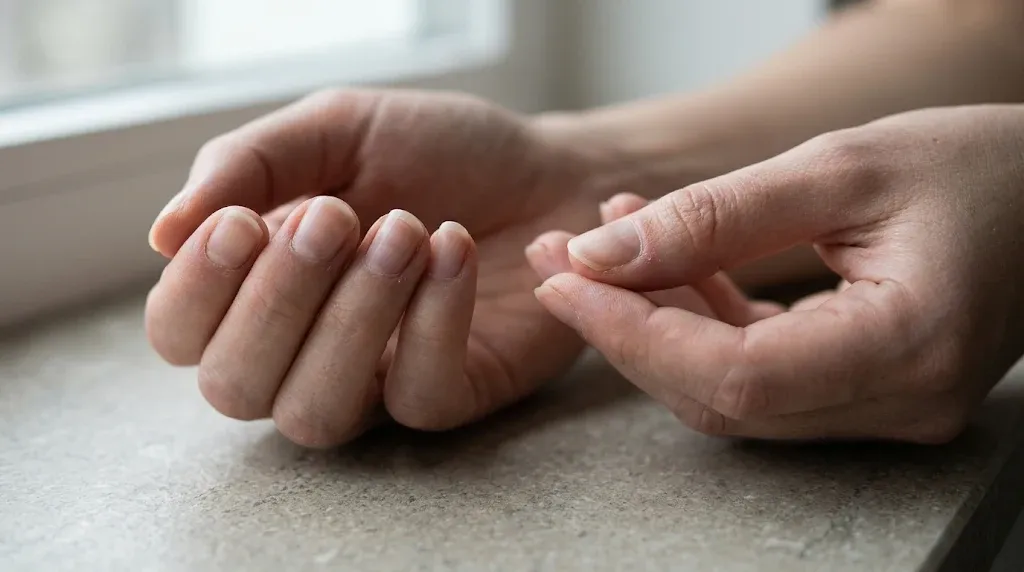
Your natural nails are made primarily of keratin, a tough structural protein. The visible nail plate consists of tightly packed layers that provide strength while allowing some flexibility.
Buffing removes a small amount of surface material to smooth ridges and create shine. Gentle, occasional buffing may be tolerated by healthy nails, but repeated or aggressive buffing can remove too much of the nail plate.
Once the nail becomes thinner, it loses some of its ability to resist everyday pressure. Even ordinary activities, such as washing your hair or opening a drawer, may cause bending, splitting, or discomfort.
Excessive Pressure Removes Too Much Nail Material
Applying heavy pressure with a coarse nail buffer can rapidly thin the nail surface. Electric nail drills are particularly concerning when used aggressively on natural nails because they can remove material faster than intended.
You may not notice the damage immediately. Often, your nails look exceptionally smooth just after treatment, but the weakness becomes obvious over the following days.
Repeated Buffing Compounds Existing Damage
Buffing every week or repeatedly smoothing visible ridges can progressively thin the same section of nail. Unlike living skin, the visible nail plate cannot regenerate removed layers in place.
Instead, new nail material forms beneath the cuticle area and gradually moves forward as your nails grow.
Gel and Acrylic Preparation Can Add More Stress
Some manicures involve roughening the natural nail surface before applying enhancements. Repeated application and removal, especially with aggressive filing, can contribute to additional thinning.
Trying to cover already damaged nails with another enhancement may make the situation worse, particularly if further filing or difficult removal is required.
How Can You Tell If Your Nails Are Over-Buffed?
Over-buffed nails often show recognizable changes in thickness, flexibility, texture, and sensitivity. Compare your current nails with how they looked and felt before your most recent manicure.
1. Your Nails Bend More Easily
Healthy nails have some flexibility, but excessive bending during normal activities can indicate thinning. The nail tips may fold backward or feel noticeably softer than usual.
2. The Surface Looks Thin or Uneven
You might notice unusually translucent areas, fine scratches, or uneven patches where the buffer removed more material. Some nails appear pinker because the underlying nail bed is more visible through the thinner plate.
3. Your Nails Peel in Layers
Peeling usually begins near the free edge, where individual layers of the nail plate separate. Over-buffing can contribute to this problem, although repeated water exposure and harsh removers may also play a role.
4. You Experience Tenderness or Sensitivity
Very thin nails may feel uncomfortable when you apply pressure, wash your hands, or touch surfaces. This happens because the reduced nail plate provides less protection to the sensitive tissue underneath.
Significant pain, persistent burning, bleeding, or redness is not something to ignore.
5. Your Nail Tips Break Repeatedly
Instead of maintaining their usual length, your nails may crack or chip during simple activities. This pattern can indicate that the remaining nail plate is struggling to withstand normal mechanical stress.
When to Seek Medical Advice
Contact a dermatologist if your nails develop severe or worsening pain, bleeding, swelling, unusual discoloration, separation from the nail bed, or signs of infection. Similar symptoms can also occur with nail conditions unrelated to buffing.
What Should You Do Immediately After Over-Buffing Your Nails?
The first goal is to stop additional damage. You don’t need to repair everything immediately. Focus on reducing stress on the nail plate while supporting its natural growth cycle.
Stop Buffing and Surface Filing
Put away your buffing blocks, electric files, and coarse abrasives. Avoid trying to remove scratches or uneven spots by polishing the nail surface again.
Those imperfections are less important than preserving the nail material that remains.
Keep Your Nails Short
Short nails experience less leverage when they catch on clothing, furniture, or other objects. Carefully trim the free edges to a comfortable length.
Use a fine-grit file only to smooth rough edges. Don’t file across the top of the nail plate.
Apply a Gentle Moisturizer
Massage a small amount of unscented hand cream, cuticle oil, or petroleum jelly over your nails and surrounding skin. Reapply after washing your hands and before bedtime.
Moisturizers won’t rebuild missing nail layers, but they can reduce dryness and help the remaining nail plate stay more flexible.
Avoid Aggressive Manicure Products
Skip acrylic applications, hard gel overlays, aggressive gel removal, and other treatments requiring surface abrasion while your nails are noticeably weak.
If your nails are tender, consider leaving them free of polish until they feel comfortable again.
How Can You Help Over-Buffed Nails Recover?
No topical product can permanently replace nail plate layers that have already been removed. However, several practical care methods can reduce further breakage and improve comfort while new nails grow.
Method 1: Moisturize Your Nails Consistently
Best for: Nails that feel dry, rough, or prone to peeling.
Use a simple cuticle oil, fragrance-free hand cream, or petroleum jelly. Apply a thin layer to the entire nail surface, cuticle area, and surrounding skin two or three times daily, especially after washing.
Jojoba-based cuticle oils are a convenient cosmetic option. However, petroleum jelly or an ordinary unscented moisturizer can also work well for maintaining moisture.
Benefits: Helps reduce dryness, supports flexibility, and may limit moisture-related splitting.
Limitation: Moisturizing improves the condition of existing nails but doesn’t restore their original thickness.
Method 2: Protect Your Nails During Household Tasks
Best for: People whose nails frequently encounter water, detergents, or cleaning chemicals.
Wear properly fitting protective gloves when washing dishes, cleaning bathrooms, or handling household detergents. If you use waterproof gloves for extended tasks, consider cotton liners and dry your hands thoroughly afterward.
Repeated wetting and drying can contribute to nail fragility. Reducing unnecessary exposure gives weakened nails a better chance to remain intact during regrowth.
Benefits: Reduces exposure to water and irritating cleaning products.
Limitation: Protection works only when you’re consistent during daily activities.
Method 3: Maintain a Short, Rounded Nail Shape
Best for: Thin nails that frequently catch, tear, or split.
Keep your nails close to fingertip length or shorter. Gently round sharp corners using a fine file, and stop as soon as the edges feel smooth.
A short, softly rounded shape minimizes opportunities for snagging. It can be especially useful if you’re accustomed to wearing long square or coffin-shaped nails.
Benefits: Less leverage, fewer snags, and easier everyday maintenance.
Limitation: You may need to temporarily give up your preferred long nail style.
Method 4: Take a Break From Enhancements
Best for: Nails damaged by repeated buffing, gel removal, or acrylic preparation.
Leave nails free from enhancements that require filing, drilling, or strong adhesive removal. A one-to-two-week polish break may help you reassess dryness and sensitivity, but full replacement of the damaged nail plate takes much longer.
There is no fixed break that works for everybody. If your nails remain fragile, continue avoiding treatments that require abrasion.
Benefits: Prevents additional mechanical damage during recovery.
Limitation: The improvement depends on the severity and location of the existing damage.
Method 5: Support Normal Nail Growth With Balanced Nutrition
Best for: Anyone wanting to maintain healthy long-term nail growth.
Eat a varied diet with adequate protein, iron, zinc, and other essential nutrients. Eggs, beans, fish, lentils, nuts, and leafy greens can contribute to overall nutritional adequacy.
Don’t assume a vitamin supplement will repair over-buffed nails. Supplements aren’t a substitute for preventing physical damage, and high-dose biotin can interfere with certain laboratory tests.
If you suspect a nutritional deficiency, discuss testing and treatment with a healthcare professional.
Pro Tip
Keep a small fragrance-free hand cream next to your sink and another beside your bed. Using products you already own consistently is more useful than purchasing multiple treatments and forgetting to apply them.
How Long Do Weak Nails Take to Recover After Over-Buffing?
Recovery depends on how much material was removed, the location of the damage, your natural nail growth rate, and whether new injuries occur.
Fingernails typically grow around 3 millimeters per month, although individual rates vary. A complete fingernail generally takes approximately four to six months to grow out.
Because the missing layers cannot be restored in place, visible thinning gradually moves toward the nail tip as new nail material grows from the base.
What to Expect During the First Two Weeks
Your nails may still look thin or uneven. Moisturizing and shortening the tips can improve comfort and reduce snagging, but significant thickness changes are unlikely.
It’s important not to mistake temporary smoothness from a cosmetic coating for actual structural recovery.
What to Expect After One to Two Months
You may notice a healthier-looking section of nail growing near the cuticle if the nail-producing area remains healthy.
Older damaged portions will still be present farther toward the tips. Continue protecting them, especially if they’re prone to peeling.
What to Expect After Three to Six Months
A growing proportion of the original thinned nail plate should have moved toward the free edge and been trimmed away.
Many fingernails can replace most or all of their visible nail plate within roughly four to six months, though severe injury or problems involving the nail matrix may take longer or require treatment.
Important: These are general growth estimates, not guaranteed recovery deadlines.
Which Products Are Useful for Weak Nails After Over-Buffing?

You don’t need an expensive nail restoration kit. A few gentle products can help you maintain a protective routine while damaged nail material grows out.
Affiliate disclosure: As an Amazon Associate, we earn from qualifying purchases.
1. Jojoba-Based Cuticle Oil
Recommended Product Type
Jojoba Cuticle Oil
A simple jojoba-based oil helps condition dry cuticles and the surrounding nail area. Choose a fragrance-free formula if your skin is sensitive.
Best for: Daily moisturizing and cuticle care.
Find Jojoba Cuticle Oil on Amazon
As an Amazon Associate, we earn from qualifying purchases.
2. Fragrance-Free Petroleum Jelly
Recommended Product Type
Vaseline Original Petroleum Jelly
A thin layer can help seal in moisture around your nails and cuticles. It’s a straightforward option for nighttime nail care.
Best for: Dry nails and overnight moisture protection.
Find Petroleum Jelly on Amazon
As an Amazon Associate, we earn from qualifying purchases.
3. Fine-Grit Nail File
Recommended Product Type
240-Grit Nail File
A fine-grit file can gently smooth sharp free edges without requiring you to buff the nail surface. Use minimal pressure and stop once the snag is gone.
Best for: Maintaining short, smooth natural nails.
Find Fine-Grit Nail Files on Amazon
As an Amazon Associate, we earn from qualifying purchases.
4. Reusable Household Gloves
Protective gloves help limit prolonged water exposure during cleaning and dishwashing. Choose a comfortable, well-fitting pair and keep the inside clean and dry.
Find reusable cleaning gloves on Amazon.
These products are supportive care tools, not treatments that reverse lost nail thickness. Avoid products that cause stinging, irritation, or worsening discomfort.
What Should You Avoid While Your Nails Recover?

Protecting weak nails is often more important than adding another strengthening treatment. Small everyday habits can either reduce or increase mechanical stress.
Do
- Keep nails short and comfortable.
- Moisturize after handwashing.
- Wear gloves for wet household tasks.
- Use a fine file on sharp edges only.
- Allow damaged sections to grow out.
Don’t
- Buff away surface imperfections.
- Peel off gel polish or nail coatings.
- Apply enhancements to painful nails.
- Use nails to pry open objects.
- Cut or aggressively push back cuticles.
Can Nail Hardeners Repair Over-Buffed Nails?
Nail hardeners may temporarily change how a nail feels, but they cannot replace material already removed by buffing.
Some hardening formulas create a stiffer surface. That can be counterproductive for nails that are already brittle, because excessive rigidity may increase cracking under pressure.
Formaldehyde-containing hardeners deserve particular caution. Frequent use can contribute to nail brittleness or irritation in some people.
If you want to try a protective coating, choose a gentle product that doesn’t require buffing, aggressive removal, or exposure to ingredients that irritate your skin. Avoid coating nails that are painful, lifting, or visibly injured until you’ve received appropriate advice.
Remember that cosmetic improvement and biological regrowth are different things. A smoother appearance doesn’t necessarily indicate that your nail plate has recovered.
How Do You Prevent Over-Buffing Damage in the Future?
Once your nails become stronger, you may want to return to regular manicures. The key is to minimize how much natural nail material is removed.
Choose Gentle Nail Preparation
Ask your nail technician to preserve the natural nail plate and avoid unnecessary surface filing. A manicure shouldn’t require removing noticeable amounts of healthy nail material just to achieve a smooth finish.
Avoid Aggressive Electric Filing
Electric nail drills can be useful professional tools, but inappropriate pressure or technique can rapidly damage natural nails. Never allow a technician to continue filing if you feel pain, heat, or burning.
Don’t Buff Away Every Ridge
Some natural nail ridges are normal. Repeatedly buffing until they’re invisible can unnecessarily reduce nail thickness.
For cosmetic concerns, a gentle ridge-filling polish may provide a smoother appearance without additional abrasion, provided your nails are healthy enough for polish.
Remove Nail Products Carefully
Never peel or scrape off gel polish. Pulling away a coating can remove superficial nail layers along with it.
Use the removal method recommended for your specific product, and seek professional help when needed. Stop if removal becomes painful.
Pay Attention to Early Warning Signs
If your nails become unusually flexible, translucent, tender, or prone to peeling after a manicure, stop buffing and reassess your routine.
It’s easier to prevent additional thinning than to manage months of nail plate regrowth.
Common Problems With Over-Buffed Nails and What to Do
Problem: Your Nails Keep Peeling at the Tips
Immediate fix: Carefully shorten the free edge and moisturize regularly. Don’t pull off loose layers. Prevention: Limit prolonged water exposure and avoid further surface buffing.
Problem: Your Nails Feel Too Soft and Flexible
Immediate fix: Keep them short and avoid pressure on the tips. Prevention: Skip buffing and enhancement preparation until the damaged nail plate has grown out.
Problem: Your Nails Sting When You Apply Products
Immediate fix: Stop using the irritating product and gently rinse it off if appropriate. Avoid polish removers and other harsh treatments. Prevention: Don’t apply products to injured nails. Seek medical advice if pain continues.
Problem: Your Nails Aren’t Improving After Several Weeks
Immediate fix: Look for healthy new nail growth near the cuticle rather than expecting damaged tips to become thicker. Prevention: Continue gentle care. Consult a dermatologist if no healthy new growth appears, symptoms worsen, or you suspect another nail condition.
Frequently Asked Questions About Weak Nails After Over-Buffing
Q: Can nails recover after being over-buffed?
A: Yes, healthy new nail material can gradually replace the damaged section if the nail-growing area remains healthy. However, missing nail layers don’t regenerate directly on the existing nail plate. Complete fingernail replacement often takes around four to six months.
Q: Should I apply gel polish to weak, over-buffed nails?
A: It’s generally better to avoid gel applications while your nails are thin, peeling, or sensitive. Preparation and removal can create additional stress, especially when the natural nail plate has already been damaged.
Q: Does cuticle oil make damaged nails stronger?
A: Cuticle oil can condition the nail and surrounding skin, helping reduce dryness and maintain flexibility. It doesn’t restore missing thickness or permanently repair the keratin layers removed by excessive buffing.
Q: Why do over-buffed nails hurt when touched?
A: Excessive buffing can leave the nail plate thin enough that pressure is felt more readily by the sensitive tissue beneath it. Significant or persistent pain, swelling, or bleeding should be evaluated by a healthcare professional.
Q: Can I buff my nails again once they feel better?
A: Wait until damaged areas have grown out and your nails are no longer thin or sensitive. Even afterward, avoid aggressive or frequent buffing. You don’t need to remove natural ridges to maintain attractive, healthy-looking nails.
Final Thoughts: Give Your Nails Time to Grow Stronger
Weak nails after over-buffing can be frustrating, especially when you love polished, beautiful manicures. The most effective approach is to stop further abrasion, moisturize regularly, protect your hands, and allow healthy new nail material to grow.
Keep your nails short, avoid treatments that cause additional thinning, and pay attention to persistent discomfort. With patience and gentle care, you can give your natural nails the best opportunity to recover.
Save this guide on Pinterest so you can return to these nail recovery tips whenever your manicure routine needs a gentler approach.

Hi, I’m Jessica, the creator behind Unique Lash & Nails Katy.
I created this website for anyone who loves beautiful nails as much as I do. Here, I share trendy nail designs, seasonal manicure ideas, easy nail care tips, honest product recommendations, and step-by-step guides to help you create salon-worthy nails at home. Whether you’re looking for everyday inspiration or your next favorite nail trend, I hope you’ll find something you love.