How Frequent Manicures, Gel Polish and Acrylics Affect Weak Nails
Quick Answer
Frequent manicures can make weak nails more vulnerable to peeling, splitting, and breakage, especially when they involve aggressive filing, acetone exposure, or improper gel and acrylic removal. Gel polish and acrylics aren’t automatically damaging, but repeated treatments can gradually thin the natural nail plate. You can reduce the risk by choosing gentle application, professional removal, regular moisturizing, and occasional breaks from enhancements when your nails show damage.
You love the glossy finish of fresh gel polish, the elegant length of acrylic nails, and the confidence that comes with perfectly shaped fingertips. But what happens when your natural nails start feeling thin, soft, or fragile between appointments?
The connection between frequent manicures and weak nails is more complicated than simply blaming nail polish. The products, preparation techniques, removal process, and condition of your natural nails all matter.
Here’s how different manicures affect nail strength, which warning signs deserve attention, and how you can enjoy beautiful nails without repeatedly damaging them.


Why Can Frequent Manicures Make Your Nails Weak?
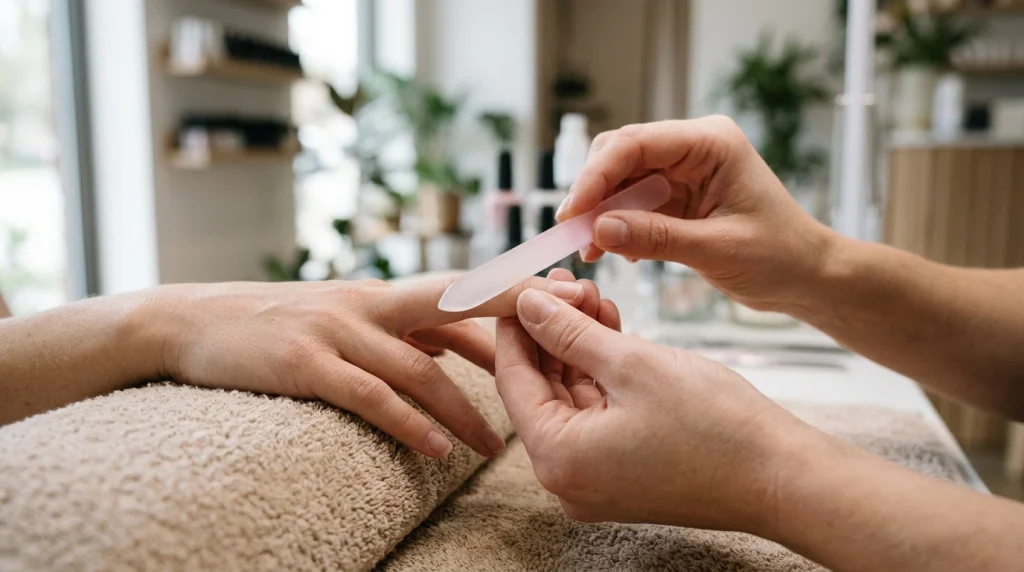
Your natural nail plate consists primarily of layers of hardened keratin. These layers provide structure while allowing some flexibility during everyday activities.
Unlike living skin, the visible nail plate cannot regenerate damaged tissue in place. If filing removes part of your nail’s surface, the missing material must gradually grow out from the nail matrix.
Frequent manicures can create problems when several sources of stress accumulate:
- Repeated filing: Abrasive preparation removes small amounts of the natural nail plate, potentially reducing its thickness.
- Acetone exposure: Repeated use can temporarily dry the nail and surrounding skin.
- Peeling polish: Pulling off gel or enhancements can remove superficial nail layers.
- Mechanical pressure: Long extensions increase leverage when your nails catch on objects.
- Cuticle damage: Cutting protective cuticle tissue increases the risk of inflammation and infection.
- Chemical sensitivity: Certain gel and acrylic ingredients can trigger allergic contact dermatitis.
The important distinction is that manicure frequency alone doesn’t determine whether damage occurs. A carefully performed manicure can be less traumatic than a single aggressive removal.
If your nails were already fragile before you started using enhancements, explore common causes of weak nails to understand other possible contributors.
How Does Gel Polish Affect Weak Nails?
Gel polish is popular because it provides a glossy finish that often remains attractive for approximately two to three weeks, depending on the product and daily activities.
However, the manicure process involves several steps that may challenge already fragile nails.
1. Nail Preparation Can Thin the Surface
Some gel systems require light surface preparation to improve adhesion. When a technician repeatedly buffs or files the natural nail, the nail plate can become progressively thinner.
Over-filing may leave your nails unusually flexible, sensitive, or more likely to split. If your nail plate is already thin, additional abrasion can make these problems worse.
Ask your technician to use the least abrasive preparation compatible with the product. Healthy natural nail material shouldn’t be unnecessarily removed just to make gel adhere.
2. Gel Removal Can Cause Peeling
One of the biggest problems occurs when lifted gel polish is peeled away rather than properly removed.
Because gel adheres strongly to the nail surface, pulling it off may detach layers of natural nail along with the coating.
This can cause:
- White, rough patches on the nail surface.
- Thin or flexible areas after removal.
- Peeling near the free edge.
- Increased sensitivity during subsequent manicures.
Soak-off gels should be removed according to their manufacturer’s directions. Hard gels may require careful professional filing instead, so don’t assume every gel product dissolves in acetone.
3. UV and LED Curing Introduce Additional Considerations
Gel polish usually requires a curing lamp. Both traditional UV lamps and many LED nail lamps emit ultraviolet radiation.
The exposure from an individual manicure is generally limited, but repeated sessions contribute to cumulative UV exposure. Applying broad-spectrum SPF 30 or higher sunscreen to your hands before curing, or using suitable UV-protective fingerless gloves, can help protect exposed skin.
Warning
If gel polish causes itching, burning, redness, swelling, or a rash around your fingers, stop using the product and seek medical advice. These symptoms may indicate an allergy to acrylate ingredients. Repeated exposure can worsen sensitization.
Are Acrylic Nails More Damaging Than Gel Polish?
Acrylic enhancements create a rigid artificial structure over the natural nail or a nail extension. They’re popular for dramatic lengths, sculpted shapes, and durable nail art.
However, acrylic application typically requires surface preparation, and maintenance adds further opportunities for damage.
How Acrylic Application Affects Nail Strength
To improve adhesion, a technician may file the natural nail surface. Repeating this process too aggressively can gradually reduce nail thickness.
The hardened acrylic structure is also relatively rigid. If a long extension catches on clothing, a drawer, or a door handle, the force can transfer to the natural nail underneath.
In severe cases, that force may cause painful cracking or separation of the nail plate from its bed.
Why Acrylic Fills Can Become a Problem
Acrylic nails commonly require maintenance every two to three weeks as the natural nail grows.
A well-performed fill doesn’t necessarily damage the natural nail. Problems arise when each visit includes excessive filing, aggressive lifting of old material, or repeated exposure of already injured nail surfaces.
Damaged acrylic should be assessed rather than simply covered. Trapped moisture beneath lifted enhancements may create conditions that favor microbial growth.
Why Acrylic Removal Requires Extra Care
Acrylic removal may involve appropriate soaking, filing, or a combination of techniques depending on the system.
Never pry acrylic away with another nail, dental floss, or a metal tool. The enhancement can pull attached natural nail layers away with it.
If your nails are already thin, professional removal may be the safest practical option because the technician can evaluate how much product remains.
Gel Polish vs. Acrylics vs. Regular Polish: Which Is Gentler?
If your nails are weak, choosing a manicure involves balancing appearance, durability, application, and removal.
| Manicure Type | Main Concern | For Weak Nails |
|---|---|---|
| Regular polish | Frequent remover use and picking | Often the gentlest practical choice |
| Soak-off gel | Filing, removal, and acrylate sensitivity | Use cautiously if nails are fragile |
| Hard gel | Mechanical filing and removal | Usually not ideal for damaged nails |
| Acrylic extensions | Surface preparation, rigidity, and removal | Best avoided on already damaged nails |
Best practical choice: If your nails are currently peeling, thin, or painful, consider leaving them bare temporarily or using gentle regular polish if your nails and surrounding skin are healthy enough.
You don’t need extra length or a thick coating to create an attractive manicure. Short, softly rounded nails with a sheer pink or nude color can look polished without requiring extensions.
What Are the Warning Signs of Manicure-Damaged Nails?
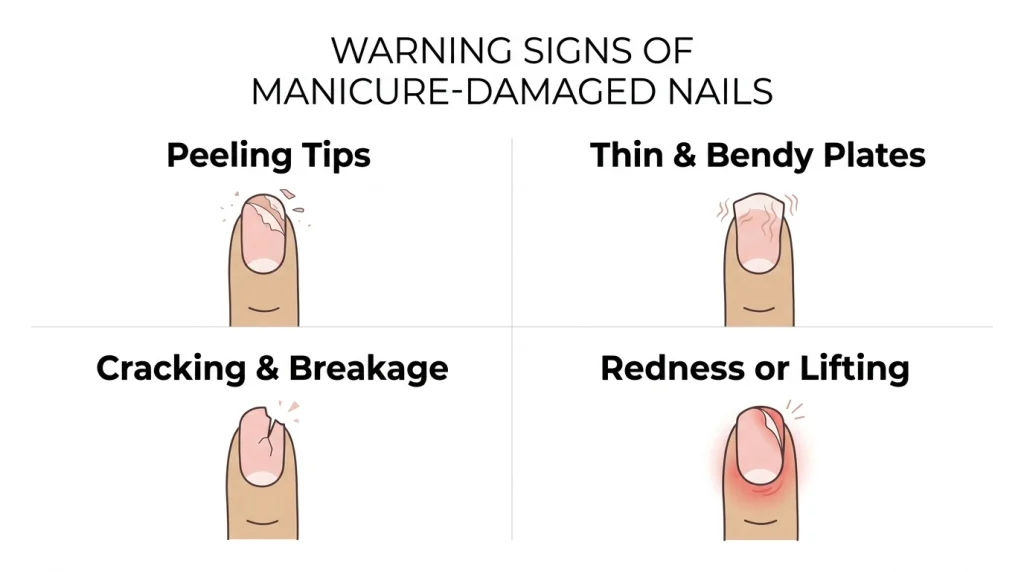
It’s easy to overlook minor changes when your nails are covered with polish. Checking your natural nails between services helps you notice problems before they become more serious.
Peeling Nail Tips
When thin layers separate near your nail’s free edge, repeated moisture exposure, picking, or abrasive removal may be contributing factors.
Peeling can worsen when you file directly across the damaged surface or continue pulling loose layers apart.
Thin, Bendy Nail Plates
Natural nails vary in thickness, but a noticeable change after repeated gel or acrylic removal deserves attention.
If your nails suddenly bend much more easily or become tender when touched, unnecessary filing may have removed protective nail material.
Cracking and Repeated Breakage
Small cracks can develop when nail tips lose flexibility or experience repeated impact.
Long enhancements may increase mechanical stress, especially when your nails catch on hard surfaces.
Redness, Itching, or Nail Lifting
These symptoms aren’t ordinary cosmetic wear. They can indicate irritation, allergic reactions, trauma, or infection.
A green, dark, or otherwise unusual discoloration beneath an enhancement also deserves attention. Don’t simply cover it with another application.
For more targeted advice, see how to care for thin, weak nails.
How Often Should You Get a Manicure If Your Nails Are Weak?
There’s no universal manicure schedule that guarantees healthy nails. Your ideal frequency depends on your natural nail condition, the products used, and how gently each service is performed.
Regular polish may be refreshed when it chips, provided you’re not repeatedly scraping or excessively exposing your nails to remover.
Gel appointments are often scheduled approximately every two to three weeks, while acrylic maintenance frequently follows a similar schedule.
Those intervals reflect typical cosmetic maintenance, not a medically proven safe frequency for fragile nails.
If your nails are actively peeling, thinning, cracking, or becoming painful, reducing or pausing enhancement services is more important than following a fixed appointment schedule.
Pro Tip
Before booking your next manicure, examine your nails without polish. Check for tenderness, peeling, surface thinning, unusual discoloration, or lifting. If you’re noticing progressive damage, postpone enhancements instead of hiding the problem beneath a fresh set.
How Can You Protect Weak Nails Without Giving Up Manicures?
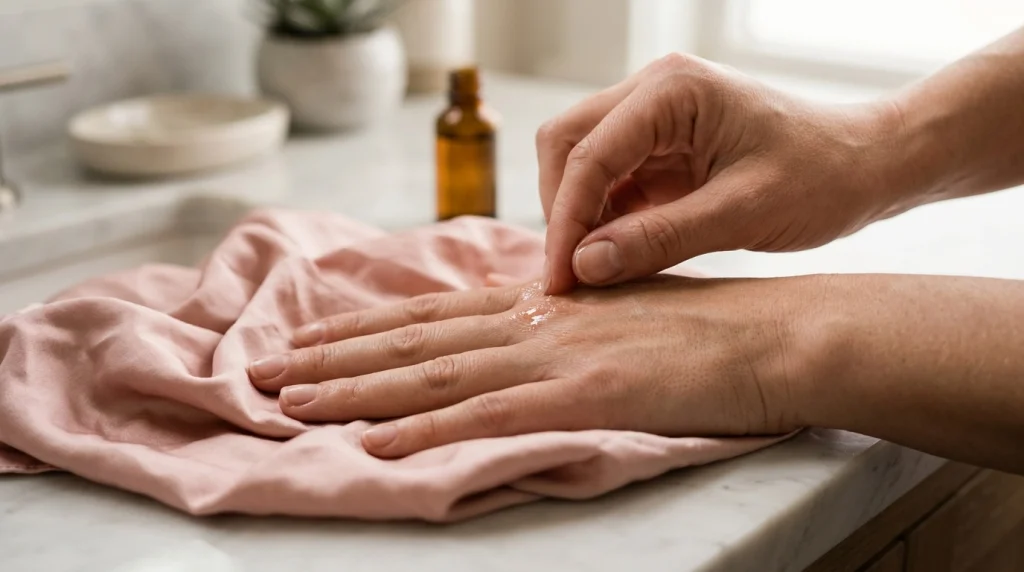
You don’t necessarily have to abandon nail art forever. The goal is to reduce unnecessary trauma and create a routine that supports healthy new nail growth.
1. Choose a Gentle Nail Technician
Look for a professional who respects your natural nail thickness, uses clean tools, follows product instructions, and doesn’t aggressively file the nail surface.
Tell your technician if you’ve experienced peeling or sensitivity after previous appointments. Ask them to explain their preparation and removal methods.
2. Avoid Cutting Your Cuticles
Your cuticles help protect the area where your nail emerges from the skin.
Cutting or aggressively pushing them back can increase the risk of irritation and infection. A gentle approach to surrounding dry skin is preferable.
3. Keep Your Nails Short While Recovering
Short nails are less likely to catch on objects and bend under pressure.
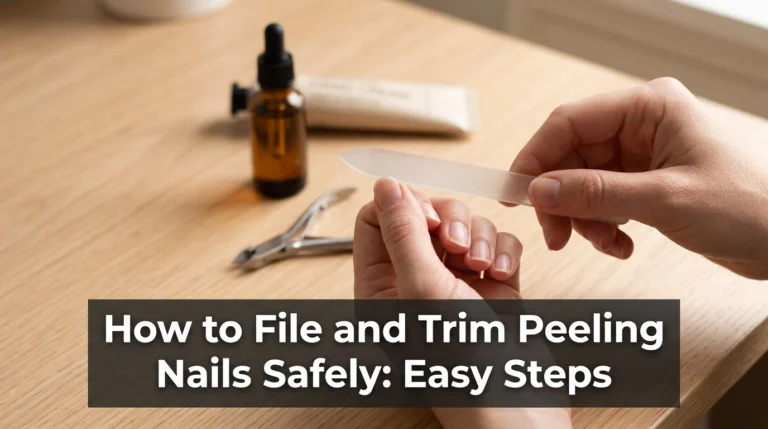
Try a rounded or soft-square shape, using a fine file to remove snags without thinning the nail surface.
4. Moisturize Nails and Cuticles Daily
Apply a fragrance-free hand cream after washing your hands. At bedtime, massage a small amount of cuticle oil or petroleum jelly around your nails.
Moisturizers cannot rebuild missing nail layers, but they can reduce dryness and support the surrounding skin barrier.
5. Protect Your Hands During Cleaning
Repeated wetting and drying can contribute to brittle nails. Strong cleaning chemicals may also irritate your skin.
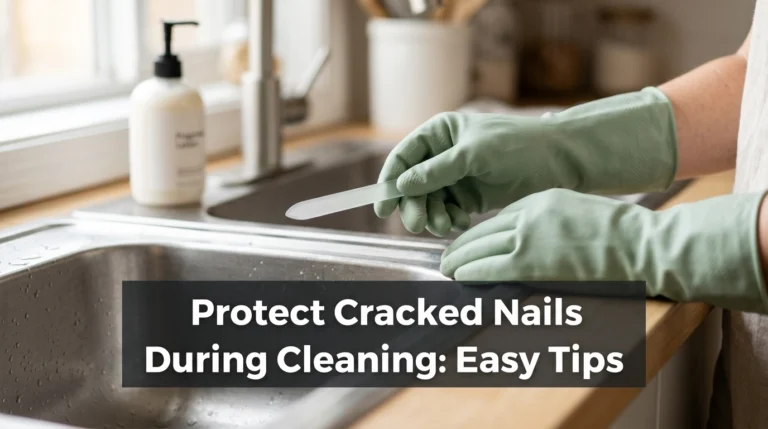
Wear protective household gloves when washing dishes or cleaning. Remove wet gloves promptly and dry your hands afterward.
6. Never Peel Off Gel or Acrylics
This single habit can make a major difference. Picking and peeling place unnecessary force on your natural nail layers.
Always follow the appropriate removal instructions for the exact enhancement system you wear.
For a broader strengthening routine, explore nine easy habits that help strengthen nails.
What Should You Do and Avoid With Weak Nails?
Do
- Moisturize nails and cuticles every day.
- Choose gentle manicure preparation.
- Keep fragile nails short and smooth.
- Wear gloves during cleaning tasks.
- Request appropriate product removal.
- Monitor changes in your natural nails.
Don’t
- Peel off gel polish or acrylics.
- Buff thin nails repeatedly.
- Cut or aggressively push cuticles.
- Cover painful or infected nails.
- Use your nails to open objects.
- Ignore persistent itching or lifting.
How Long Does It Take Weak Nails to Recover?
Recovery depends on how severely your nail plate has been damaged and whether the source of damage has stopped.
Fingernails generally grow approximately 3 millimeters per month. A complete fingernail may take around four to six months, sometimes longer, to grow out.
You may notice improvements at different stages:
- First one to two weeks: Moisturizing may improve dryness, while gentle filing and shorter nails can reduce new snags.
- After several weeks: You may notice fewer new splits if you’ve stopped aggressive filing and removal.
- After two to three months: More newly grown nail becomes visible, allowing you to monitor whether healthier growth is replacing damaged areas.
- After four to six months or longer: Much of the damaged fingernail plate may have grown out, depending on your individual growth rate.
These are approximate observations, not guaranteed recovery deadlines. If an underlying health condition or ongoing trauma is involved, your nails may not improve simply by taking a manicure break.
For realistic expectations, see how long it takes to strengthen nails.
Which Nail Care Products Help Protect Fragile Nails?
You don’t need an expensive manicure recovery kit. A few simple products can help you moisturize, maintain, and protect your natural nails.
The Amazon links below lead to product searches rather than specific verified listings, so compare ingredients, product instructions, and seller information before purchasing.
Recommended Product
CND SolarOil Nail & Cuticle Care
A convenient option for conditioning dry cuticles and nail surfaces between manicures. Apply a small amount around your nails as part of your evening routine. Oil helps with conditioning but doesn’t permanently repair removed nail layers.
As an Amazon Associate, we earn from qualifying purchases.
Recommended Product
GERmanikure Glass Nail File
A fine glass file can help smooth delicate nail edges and reduce snagging. Use light pressure on the free edge rather than filing across the nail plate.
As an Amazon Associate, we earn from qualifying purchases.
Recommended Product
CeraVe Therapeutic Hand Cream
A moisturizing hand cream is useful after frequent handwashing. Apply it over your fingertips, nails, and surrounding skin to help reduce dryness. Check the ingredient list if you have known sensitivities.
As an Amazon Associate, we earn from qualifying purchases.
When Should You See a Dermatologist About Weak Nails?
Not every fragile nail is caused by manicures. Nail changes can also be associated with skin conditions, infections, nutritional deficiencies, thyroid problems, or other medical issues.
When to Seek Medical Advice
Arrange medical evaluation if your nails become painful, swollen, infected, unusually discolored, or separated from the nail bed. A new or changing dark streak also needs professional assessment. Persistent weakness despite gentle care should not be automatically blamed on manicures.
If you experience reactions after gel or acrylic products, a dermatologist may recommend appropriate allergy evaluation, including patch testing when indicated.
Don’t attempt to diagnose an infection from nail color alone or cover unexplained symptoms beneath another enhancement.
Frequently Asked Questions About Manicures and Weak Nails
Q: Can getting your nails done every two weeks weaken them?
A: Yes, repeated appointments can contribute to weakness when they involve excessive filing or aggressive removal. However, a two-week schedule isn’t automatically harmful. Your nail condition and manicure techniques matter more than frequency alone.
Q: Should you take a break from gel nails?
A: If your nails are peeling, thinning, or cracking, a break from gel can help prevent repeated trauma while healthier nail grows. The American Academy of Dermatology suggests a one-to-two-week polish holiday or longer when needed, although significant nail damage may take months to grow out.
Q: Are acrylic nails safe for naturally thin nails?
A: Acrylics may increase stress on already thin nails because preparation, rigid extensions, and removal can cause additional trauma. If your nails are damaged, consider postponing acrylic services and choosing gentler nail care.
Q: Does regular nail polish weaken your nails?
A: Regular polish is often less demanding than enhancements, but frequent remover use, scraping, and picking can still cause dryness or surface damage. Gentle application and removal are important.
Q: Can damaged nails become strong again?
A: Often, yes, if the cause of damage is removed and the nail matrix remains healthy. Existing thin nail material cannot instantly rebuild, but healthier new nail can gradually replace damaged sections as your nails grow.
Final Thoughts: Beautiful Manicures Shouldn’t Cost You Healthy Nails
Frequent manicures, gel polish, and acrylics can contribute to weak nails, especially when harsh filing, improper removal, and repeated trauma become part of your routine.
Protect your natural nails with gentle techniques, daily moisture, shorter lengths, and breaks from enhancements when damage appears. Your healthiest manicure is one that respects the condition of the nails underneath.
Save this guide to Pinterest so you can revisit these nail-care tips before your next salon appointment.

Hi, I’m Jessica, the creator behind Unique Lash & Nails Katy.
I created this website for anyone who loves beautiful nails as much as I do. Here, I share trendy nail designs, seasonal manicure ideas, easy nail care tips, honest product recommendations, and step-by-step guides to help you create salon-worthy nails at home. Whether you’re looking for everyday inspiration or your next favorite nail trend, I hope you’ll find something you love.