What Causes Dry Cuticles? 9 Reasons & Easy Relief
Quick Answer
Dry cuticles are most often caused by frequent handwashing, detergents, cold or dry air, nail polish remover, or picking and cutting the skin around your nails. Irritating nail products and eczema can also cause peeling or cracks. To help, apply fragrance-free hand cream after washing, use petroleum jelly at bedtime, wear gloves for wet chores, and leave your cuticles intact. Pain, swelling, warmth, or pus needs medical attention.
Ever finish a beautiful manicure, then notice flaky little edges around every nail? The skin may feel tight, catch on your sweater, or split when you least expect it. You might wonder whether you’re skipping a magical cuticle product.
Usually, there’s a more practical explanation. Understanding what’s drying or irritating your fingertips helps you choose a simple fix instead of piling on more treatments.


Why Do Cuticles Get Dry in the First Place?
Your cuticle is the thin layer of protective tissue that helps seal the space between your nail plate and the skin at its base. People also use “cuticles” to describe the surrounding nail folds, where most visible flaking actually appears. That seal matters because damaged skin can let irritants and germs reach vulnerable areas.
The skin around your nails loses moisture when its protective barrier is repeatedly exposed to water, chemicals, friction, or dry air. Once that barrier becomes irritated, you may see roughness, peeling, or tiny painful splits. These nine triggers are especially worth checking.
1. Washing Your Hands Frequently Without Moisturizing
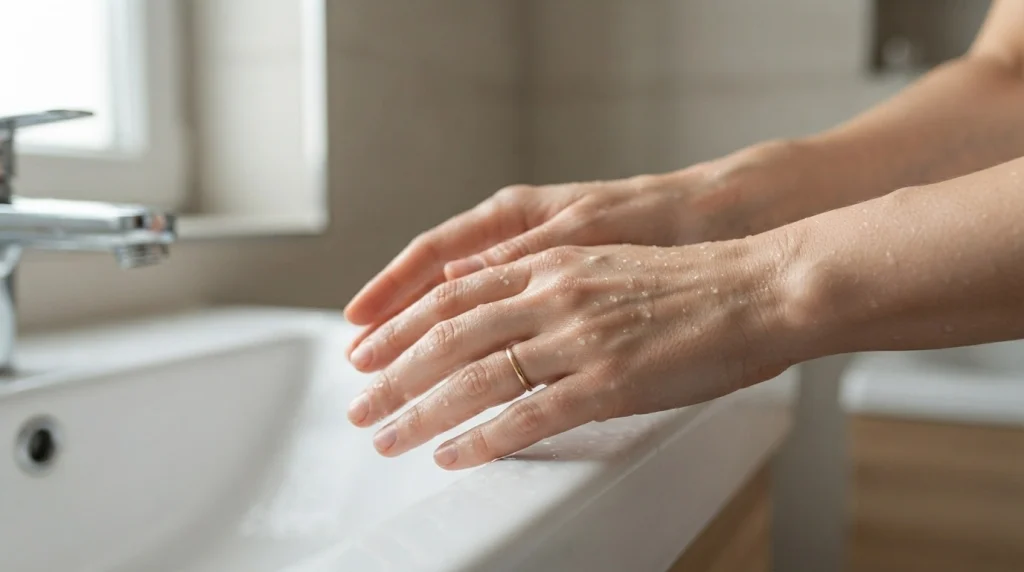
Handwashing is important, but repeated soap-and-water exposure can wash away surface oils. If you scrub dishes, wash your hands throughout a shift, or clean up after children, the skin around your nails may spend much of the day drying out. Hot water and strong cleansers can make the irritation worse.
Keep washing when needed; just follow with a fragrance-free cream while your skin is slightly damp. Rub it into your fingertips instead of stopping at your palms. That small follow-up helps replace moisture each time you cleanse.
2. Spending Too Much Time in Water
Water sounds hydrating, so this cause seems backward. Yet long dishwashing sessions, repeated soaking, and swimming can disturb the skin barrier, especially when drying follows each exposure. The nail plate also absorbs water and changes as it dries, which can contribute to brittle edges.
Wear household gloves for prolonged wet tasks and take them off once you’re done. If your nails also peel, explore how hot water can affect your nails before changing your routine.
3. Cold Weather, Indoor Heating, and Low Humidity
Winter air usually holds less moisture, and indoor heating can make the environment even drier. Your hands face constant exposure because you wash them and use them all day. Cuticle edges may become visibly rough before the rest of your skin starts feeling uncomfortable.
Keep a richer cream near your sink and use a protective ointment before bed. Gloves outdoors can reduce exposure to cold wind. If your room feels exceptionally dry, a properly maintained humidifier may help with overall skin comfort.
4. Acetone and Frequent Nail Polish Removal
Polish remover dissolves coatings, but it can also remove oils from your nail area. Acetone is particularly effective at removing stubborn polish, and repeated long soaking can leave your fingertips feeling chalky or tight. Rubbing harshly with cotton pads adds friction to already irritated skin.
Remove regular polish efficiently rather than scrubbing repeatedly. Keep remover contact as limited as your manicure allows, wash away residue when appropriate, and moisturize afterward. For gentler technique, see how to remove nail polish without excessive scrubbing.
5. Cutting, Pushing, Biting, or Picking Your Cuticles
A ragged cuticle can make you want to trim every uneven edge. Unfortunately, cutting the protective seal or forcefully pushing it back may create microscopic injuries. Picking and biting can turn dry skin into open tears that sting and increase infection risk.
Leave attached cuticle tissue alone. If a loose hangnail catches on clothing, clean the area and carefully clip only the detached piece with clean nail clippers. Never pull it away from living skin or dig into the nail fold.
6. Cleaning Products and Harsh Soaps
Dish soap, household sprays, bleach-containing cleaners, and fragranced cleansers can irritate the skin surrounding your nails. You may notice that the fingertips on your dominant hand look worse because they handle more cleaning and scrubbing.
Choose a mild hand cleanser and wear suitable protective gloves when using household chemicals. Never mix cleaning agents. When you’re finished, rinse and dry your hands according to the product instructions, then moisturize. If your gloves cause sweating, use a breathable lining or take breaks so moisture doesn’t stay trapped.
7. Gel, Acrylic, Dip, and Nail Product Sensitivities
Sometimes what looks like dry cuticles is actually contact dermatitis. Nail glue, gel products, acrylic ingredients, fragrances, and other manicure chemicals can trigger irritation or an allergy in susceptible people. Clues include itching, burning, redness, small blisters, or swelling that begins after a new product or appointment.
Stop using the suspected product until the cause is clear. Don’t assume an itchy rash needs more oil; a fragrance-heavy treatment could make it worse. Persistent or recurring reactions deserve a dermatologist’s assessment, which may include testing for relevant allergens.
8. Eczema or Other Skin Conditions
If the skin around several nails repeatedly cracks despite careful moisturizing, an underlying skin condition may be involved. Hand eczema can make skin dry, itchy, inflamed, or painful. Psoriasis may affect both skin and nails, sometimes with pitting or changes in the nail plate.
Moisturizer supports the skin barrier, but it doesn’t replace treatment for inflammation. Pay attention to rashes elsewhere on your hands, recurring flare-ups, or symptoms that spread. A clinician can help identify the condition instead of leaving you to experiment with cuticle products.
9. Friction and Everyday Habits
Typing, handling cardboard, gardening without gloves, peeling labels, and repeatedly using your nails as tools can rub or snag the skin around your fingertips. Nail biting also adds repeated mechanical injury. These small stresses accumulate, especially when the area is already dry.
Notice which fingers develop hangnails first and what those fingers do each day. Smoothing a rough nail edge, using a proper tool to open packaging, and protecting your hands during messy chores can remove the repeated trigger.
How Can You Tell Dry Cuticles From an Actual Nail Problem?
Simple dryness usually appears as dull, rough, flaky skin at the nail base or sides. Your fingertips may feel tight after washing, and small hangnails can catch on fabric. Mild dryness should not cause significant warmth, throbbing pain, or drainage.
- More consistent with dryness: fine flakes, a tight feeling, rough edges, and improvement after moisturizing.
- More consistent with irritation or allergy: persistent itching, burning, a rash, blisters, or symptoms that follow a particular manicure product.
- Possible infection warning signs: increasing redness, swelling, warmth, significant tenderness, pus, or a painful swollen nail fold.
- Other changes worth checking: nail lifting, unusual discoloration, deep splits, or new nail texture changes alongside persistent skin symptoms.
You can’t diagnose a condition from appearance alone. If you have diabetes, impaired circulation, or a weakened immune system, get advice promptly about injuries or possible infections around your nails rather than attempting aggressive home treatments.
What Actually Helps Dry, Peeling Cuticles?
You don’t need a ten-step nail routine. The most useful approach combines moisture with less exposure to whatever is causing the damage. Start with these habits and give the skin a chance to settle.
Apply Hand Cream Every Time You Wash
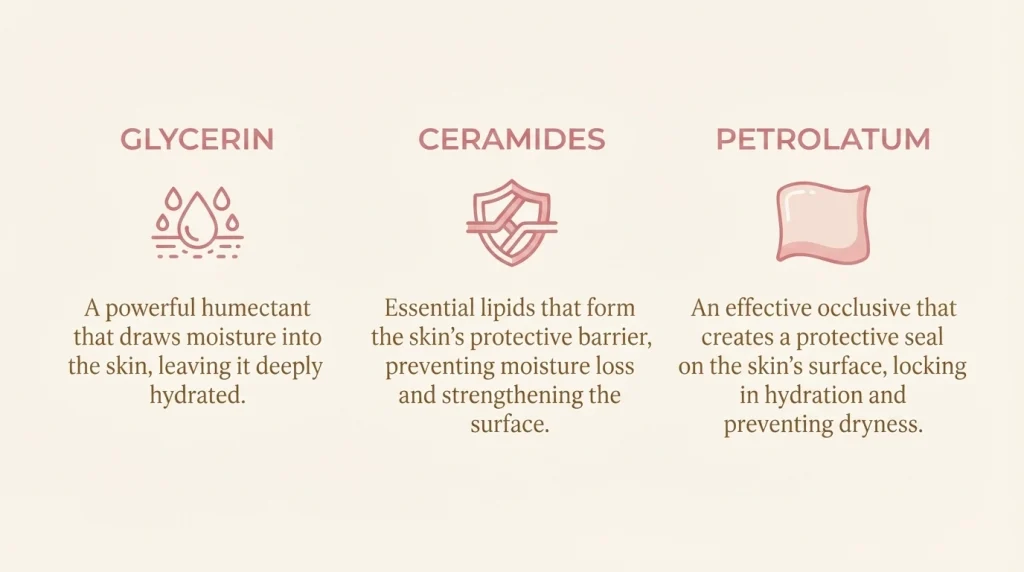
After washing, gently pat your hands until slightly damp. Smooth a fragrance-free cream over your fingers, nails, and skin folds. Look for ingredients such as glycerin, ceramides, mineral oil, or petrolatum. Thick creams generally offer more lasting protection than watery lotions.
A travel-size tube can be easier to use consistently than a bottle kept in the bathroom. For additional everyday ideas, follow this guide on moisturizing and hydrating your nails naturally.
Seal in Moisture Before Bed
At night, apply your regular moisturizer, then spread a thin layer of plain petroleum jelly over especially rough cuticle edges. Petroleum jelly slows water loss; it doesn’t make nails grow faster or cure an infection. You can wear clean, loose cotton gloves if they feel comfortable and help prevent ointment from rubbing onto bedding.
Skip thick ointment over an area that’s draining pus or clearly infected, and seek medical advice instead. For more detail about this ingredient, see what Vaseline can and cannot do for your nails.
Use Cuticle Oil for Convenience, Not as a Miracle Cure
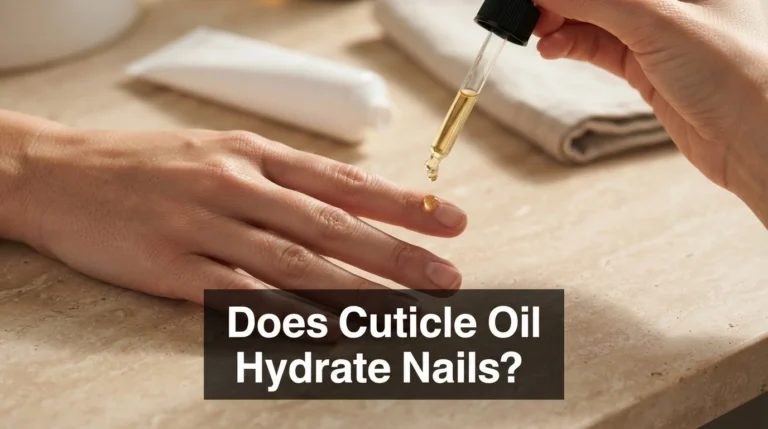
A small drop of jojoba-based cuticle oil can make rough edges feel softer and is convenient between manicures. Massage it gently over the surrounding skin; there’s no need to flood the nail fold. If your skin is cracked or sensitive, choose a simple, fragrance-free formula and stop if it stings.
Oil is an optional extra, not a replacement for a protective cream. If you’re tempted to reapply constantly, our guide to using nail oil without overdoing it explains how to keep your routine practical.
Protect Your Hands During Wet Work
Put on appropriate household gloves before washing dishes or handling cleaners. Avoid letting water collect inside them, and change or remove gloves if the lining becomes wet. Gloves work by reducing exposure to detergent and prolonged water, not by magically hydrating your skin.
After chores, dry your hands thoroughly and reapply cream. If you regularly handle irritants at work, ask about hand-protection options suited to those substances.
Give Damaged Skin a Break From Aggressive Manicures
When the nail area is cracked, skip cuticle cutting, scraping, and unnecessary product changes. Choose a short, gentle manicure or go without enhancements until the skin feels comfortable. Don’t try to hide redness beneath fresh gel or acrylic.
Be patient with visible damage. Mild surface dryness can feel better after moisturizing, but deeper cracks and inflammatory rashes may require more time or specific treatment. There isn’t a guaranteed overnight repair timeline.
Pro Tip
Keep hand cream beside your soap rather than relying only on nighttime cuticle oil. Pairing moisturizer with a handwashing habit targets the exact moment your skin barrier needs support.
Which Products Are Worth Using for Dry Cuticles?
A few simple products beat an overflowing manicure drawer. Choose based on how your skin feels: cream for daily use, plain ointment for severely rough patches, and optional oil when you want a quick, less messy touch-up. If you’re prone to rashes, avoid strongly scented blends and patch-test unfamiliar formulas.
Recommended Product Type
Fragrance-Free Ceramide Hand Cream
A thick, fragrance-free cream is a practical first purchase because you can use it after every handwash and massage it around each nail.
As an Amazon Associate, we earn from qualifying purchases.
Recommended Product Type
Plain Petroleum Jelly
An inexpensive, simple occlusive helps reduce moisture loss from rough skin and works especially well as a thin bedtime layer.
Explore Petroleum Jelly on Amazon
As an Amazon Associate, we earn from qualifying purchases.
Recommended Product Type
Simple Jojoba Cuticle Oil
A small oil pen or bottle is handy for softening dry-looking edges during the day, although it isn’t necessary if your hand cream already works.
Explore Cuticle Oils on Amazon
As an Amazon Associate, we earn from qualifying purchases.
What Should You Avoid When Your Cuticles Are Cracked?
Do
- Moisturize after handwashing.
- Use gloves for wet household chores.
- Choose fragrance-free basics.
- Leave attached cuticle tissue intact.
Don’t
- Cut or pull living cuticles.
- Use lemon juice or harsh DIY scrubs.
- Ignore itching after nail products.
- Cover swollen, painful folds with polish.
When Should You See a Doctor About Dry Cuticles?
Make an appointment if your skin stays cracked or inflamed despite a gentle routine, if you keep getting the same rash after manicures, or if your nails develop unexplained changes. Seek prompt medical evaluation for increasing pain, redness, warmth, swelling, pus, or redness that spreads. These can signal infection around the nail rather than ordinary dryness.
Warning
Don’t cut open a swollen nail fold or try to drain pus at home. A nail-fold infection may need medical treatment, and delaying care can allow it to worsen. If you have fever, rapidly spreading redness, or severe pain, seek urgent care.
Frequently Asked Questions About Dry Cuticles
Q: Why are my cuticles dry even though I use cuticle oil?
A: Oil can soften skin, but repeated washing, detergent exposure, or an irritating manicure product may keep damaging the barrier. Add a fragrance-free hand cream after washing and protect your hands during chores. Persistent itching or redness needs assessment.
Q: Does dry cuticle skin mean I have a vitamin deficiency?
A: Not usually. Dry cuticles alone more often reflect local irritation, environmental dryness, or skin conditions. Don’t start high-dose nail supplements based on this symptom. Ask a clinician about testing if you also have broader health concerns.
Q: Can I cut off the dry skin around my nails?
A: Avoid cutting attached cuticles because they help protect the nail fold. You may carefully snip a fully loose hangnail with clean clippers, but never pull it or cut into tender skin. Moisturize to reduce future snagging.
Q: How long does it take for dry cuticles to heal?
A: Mild dryness can feel softer after a few applications of moisturizer, but cracks and irritated skin take longer and vary by cause. If the area isn’t improving, keeps reopening, or becomes painful, get it checked instead of extending DIY treatment.
Q: Is Vaseline or cuticle oil better for very dry cuticles?
A: Plain petroleum jelly is a useful choice when you need a thicker barrier to slow moisture loss, particularly at night. Cuticle oil is lighter and easier to reapply during the day. Neither treats an allergy or nail-fold infection.
How Do You Keep Cuticles Soft Long-Term?
The most common causes of dry cuticles are ordinary daily exposures, not a lack of expensive nail treatments. Moisturize after washing, protect your hands from cleaners, avoid cutting the protective cuticle seal, and pay attention to products that make your skin itch.
Save this guide to Pinterest so your next manicure starts with comfortable, healthy-looking skin around every nail.

Hi, I’m Jessica, the creator behind Unique Lash & Nails Katy.
I created this website for anyone who loves beautiful nails as much as I do. Here, I share trendy nail designs, seasonal manicure ideas, easy nail care tips, honest product recommendations, and step-by-step guides to help you create salon-worthy nails at home. Whether you’re looking for everyday inspiration or your next favorite nail trend, I hope you’ll find something you love.