Long-Term Nail Health Habits for Stronger Nails (47 characters)
Quick Answer
The best long-term nail health habits are moisturizing your nails and cuticles daily, protecting your hands from excessive water and chemicals, keeping your nails gently filed, and removing manicures without peeling or scraping. Combine these habits with balanced nutrition and consistent weekly maintenance. You’ll gradually reduce avoidable breakage and support healthier-looking new nail growth.
Beautiful nails aren’t built with one expensive treatment or a miracle strengthening polish. They’re maintained through small habits you repeat every day.
If your nails constantly peel, split, or break before reaching your favorite length, your routine might need a few simple changes.
These long-term nail health habits will help you create a realistic system for stronger-looking natural nails, healthier cuticles, and manicures that don’t sacrifice nail health.


Why Are Long-Term Nail Health Habits So Important?
Your fingernails are made primarily of keratin, a tough protein that forms the visible nail plate. New nail grows from the nail matrix underneath the skin near the base of your nail.
Unlike your skin, the visible nail plate can’t heal itself after damage. When aggressive filing, peeling gel polish, or repeated trauma thins your nails, the damaged section generally needs to grow out.
That’s why protecting your nails consistently is more effective than trying to rescue them after every manicure.
A healthy nail care routine can help you:
- Reduce everyday nail splitting, snagging, and breakage.
- Maintain softer cuticles and healthier surrounding skin.
- Protect natural nails between salon appointments.
- Keep a comfortable, manageable nail length.
- Notice nail changes before they become more serious.
- Build a better foundation for nail polish and nail art.
You don’t need perfect nails to begin. What matters is choosing habits that you can maintain for months rather than following an intense routine for a few days.
What Are the 12 Best Long-Term Nail Health Habits?
1. Moisturize Your Nails and Cuticles Every Day
Daily moisturizing is one of the easiest ways to support comfortable, healthy-looking nails.
Frequent handwashing, cold weather, detergents, and dry indoor air can leave the skin around your nails rough and uncomfortable. Moisturizers help reduce moisture loss, while oils can make the cuticle area feel softer.
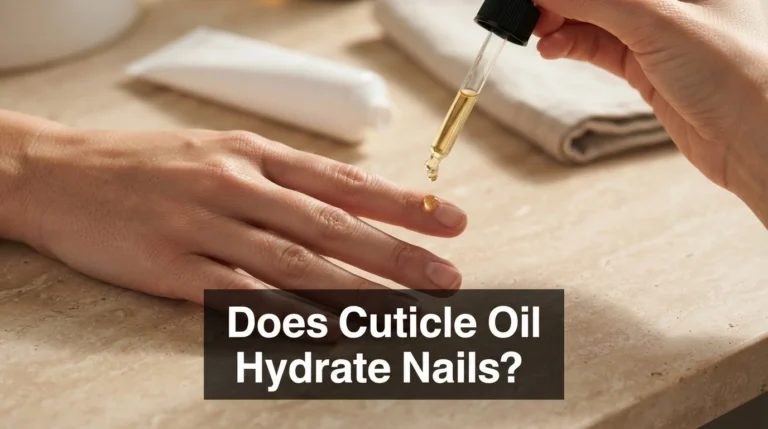
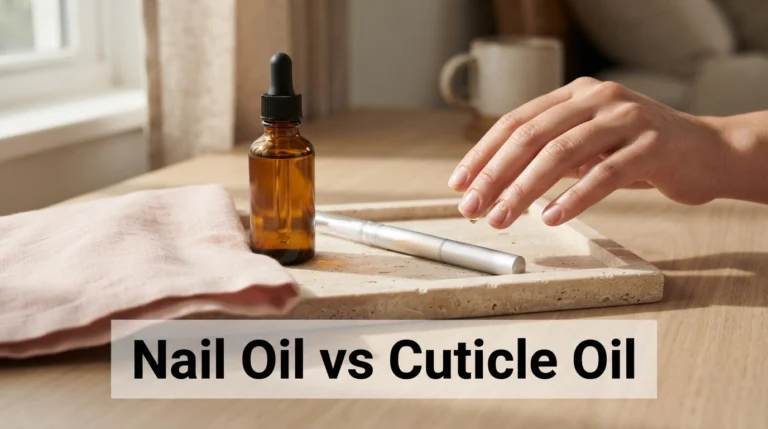
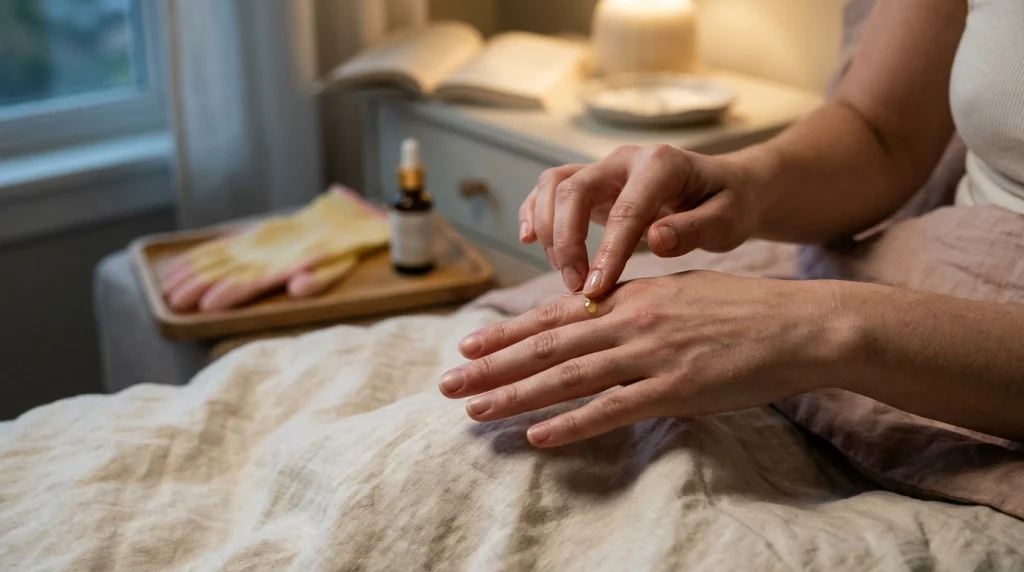
Choose a simple cuticle oil containing jojoba oil, or use a fragrance-free hand cream if your skin is sensitive.
To make moisturizing automatic:
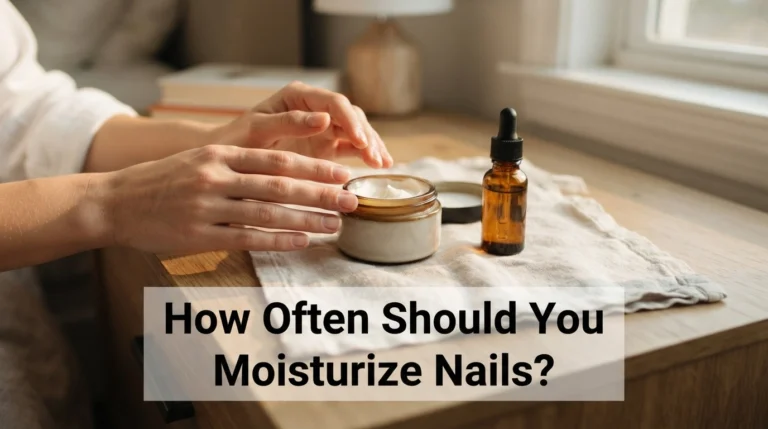
- Apply hand cream after washing your hands.
- Massage a small amount of cuticle oil around each nail before bed.
- Reapply moisturizer after prolonged water exposure.
- Use petroleum jelly over moisturizer when your cuticles feel especially dry.
Remember that cuticle oil doesn’t magically speed up nail growth. Its main benefit is keeping the nail area moisturized and helping you manage dryness.
Pro Tip
Keep a small cuticle oil pen beside your toothbrush or nighttime skincare products. Connecting nail care to an existing habit makes it easier to stay consistent.
2. Protect Your Hands From Water and Cleaning Chemicals
Your nails absorb water and expand slightly when wet. Repeated wetting and drying can contribute to splitting and peeling, particularly if your nails are already brittle.
Household cleaning products may also irritate or dry out the skin surrounding your nails.
Wear protective gloves when:
- Washing dishes for extended periods.
- Scrubbing bathrooms or kitchen surfaces.
- Handling household cleaning solutions.
- Doing wet gardening or similar messy chores.
Choose comfortable, properly fitting gloves. Cotton-lined gloves or thin cotton liners can help if your hands become sweaty.
After finishing, wash away any cleaning residue, dry your hands thoroughly, and apply moisturizer.
This simple prevention habit often matters more than buying another bottle of nail hardener.
3. Keep Your Nails at a Manageable Length
Long nails can look beautiful, especially with almond shapes, glossy nude polish, and trendy Pinterest-inspired designs.
However, extra length also creates more opportunity for the free edge to catch on clothing, bend, or break.
If your nails are currently peeling or splitting, keep them relatively short until the damaged sections grow out.
A short oval, rounded, or softly squared shape is often easier to maintain than sharp corners or very long extensions.
Trim when needed rather than following a strict calendar. Smooth any rough edges immediately so a small snag doesn’t become a larger tear.
Once your nails are easier to maintain, increase their length gradually and watch how they respond.
4. File Gently Instead of Aggressively Buffing
Your filing technique can affect how smooth and comfortable your nail edges feel.
Use a fine-grit nail file suitable for natural nails, and work with gentle, controlled movements. Avoid pressing hard enough to bend the nail.
When shaping your nails, follow these tips:
- Use light pressure rather than forceful sawing.
- Smooth corners that repeatedly catch on fabric.
- Replace worn or damaged files.
- Avoid filing deeply into the sides of your nails.
- Don’t buff away visible ridges simply to make the surface thinner and smoother.
A fine glass nail file is a convenient reusable option for regular edge maintenance.
Remember that the goal is to shape and smooth your nails, not remove unnecessary layers from the natural nail plate.
5. Stop Using Your Nails as Tools
Your nails aren’t designed to open soda cans, scrape stickers, or pry apart tightly fitted objects.
These actions place concentrated pressure on the free edge. Even a nail that looks strong can split when it’s repeatedly used as a tool.
Instead, use a key, small scraper, can opener, or another appropriate household tool.
Pay attention to repetitive habits such as tapping your nails against hard surfaces or picking at packaging.
Protecting your nails from these everyday impacts is especially helpful when you’re trying to maintain longer natural nails.
6. Never Peel Off Gel Polish, Dip Powder, or Acrylic Products
Peeling a manicure might feel satisfying, but it’s one of the easiest ways to damage your natural nail surface.
When gel or other enhancements are forcibly lifted, superficial nail layers can come away with the product. The result may be thin, rough, sensitive nails that require months to grow out completely.
Follow the removal method recommended for your specific manicure system.
- Remove soak-off gel using the manufacturer’s appropriate procedure.
- Don’t force off product that remains firmly attached.
- Avoid scraping aggressively with metal tools.
- Have hard gel and other non-soak-off products removed professionally.
- Stop if removal causes pain, heat, or significant discomfort.
If your nails already feel damaged after enhancements, explore this nail recovery routine for damaged natural nails before scheduling your next manicure.
Warning
Never rip off artificial nails or pull attached gel products from your nail plate. Forced removal can cause significant thinning, pain, and nail separation. Seek professional help when removal is difficult.
7. Leave Your Protective Cuticle Area Intact
Your cuticle forms part of the protective barrier around the base of your nail.
Cutting too deeply or repeatedly pushing back healthy tissue can irritate the area and create opportunities for infection.
For everyday maintenance, focus on moisturizing rather than removing cuticle tissue.
If you develop a hangnail, wash your hands and carefully clip only the loose piece of skin with clean, sharp nippers. Never pull it away with your fingers or teeth.
When visiting a nail salon, request gentle cuticle care and avoid any procedure that makes the surrounding skin bleed.
8. Follow a Balanced, Nail-Friendly Diet
Healthy nail growth depends partly on adequate nutrition, although no individual food can guarantee stronger nails.
Your body needs sufficient protein, iron, zinc, and other nutrients to support normal tissue growth.
Include a variety of nutritious foods in your regular meals:
- Protein: Eggs, fish, chicken, beans, lentils, tofu, or yogurt.
- Iron: Lean meat, lentils, beans, and fortified cereals.
- Zinc: Seeds, nuts, seafood, and legumes.
- Vitamin C: Citrus fruits, berries, peppers, and other vegetables.
- Healthy fats: Nuts, seeds, olive oil, and fatty fish.
Vitamin C helps your body absorb iron from plant-based foods. Eating a varied diet is generally more useful than relying on a single beauty supplement.
Biotin supplements are frequently marketed for nail strength, but evidence of benefit in people without deficiency is limited. High-dose biotin can also interfere with certain medical laboratory tests.
If you notice persistent brittle nails, unusual nail changes, or possible nutritional deficiency, speak with a healthcare professional before starting supplements.
9. Choose Nail Polish and Nail Treatments Thoughtfully
You don’t have to abandon nail polish to have healthy natural nails.
The more important considerations are how your manicure is prepared, applied, worn, and removed.
Avoid excessive buffing before application. Use thin layers of polish and follow the product’s instructions for curing, drying, and removal.
When using gel polish, keep uncured gel away from your skin and use the compatible curing lamp specified by the manufacturer. Repeated skin exposure to uncured gel ingredients can contribute to allergic reactions.
Be selective with nail hardeners, too. Some formulas are intended for short-term use and may not be suitable for every type of brittle nail.
If your nails are already very thin, painful, or separating from the nail bed, cover-up products aren’t a substitute for identifying the cause.
10. Keep Your Nail Tools Clean
Clean tools help reduce the transfer of dirt and microorganisms during nail maintenance.
After using nail clippers, files, or other reusable manicure tools, remove visible debris and clean them according to their material and the manufacturer’s directions.
Let tools dry before storing them in a clean container.
Avoid sharing personal nail tools, particularly if someone has a suspected nail infection.
At a professional salon, look for clean workstations, properly processed reusable instruments, and single-use items that aren’t reused between clients.
These practical hygiene habits support both nail appearance and the health of the surrounding skin.
11. Check Your Bare Nails Between Manicures
It’s easy to overlook nail changes when your hands are constantly covered with dark polish or extensions.
Take a moment to examine your natural nails during manicure changes.
Look for unusual discoloration, new separation from the nail bed, persistent tenderness, or changes in thickness and texture.
Not every ridge or color variation means something serious. However, a new unexplained dark streak, worsening nail separation, swelling, pain, or drainage deserves medical assessment.
Don’t simply cover a concerning change with another layer of polish.
Regular inspection helps you decide when your nails need gentler treatment and when professional advice is appropriate.
12. Stay Consistent Instead of Chasing Instant Results
Your nail care products can’t instantly replace nail material that has already been damaged.
Meaningful improvements in the overall appearance of your nails take time because new nail must grow from the base.
Rather than switching products every week, choose a simple routine and follow it consistently.
Take a photograph of your bare nails once a month under similar lighting if you want to track changes.
Pay attention to reduced snagging, healthier surrounding skin, and new growth near the cuticle area.
Those changes are more useful indicators of progress than expecting dramatically longer nails after a few days.
What Should Your Daily Nail Health Routine Look Like?
A long-term nail care routine should be easy enough to follow on your busiest days.
You don’t need an elaborate manicure every evening. A few minutes of practical maintenance can cover the essentials.
Morning: Protect Your Nails Before the Day Begins
- Apply moisturizing hand cream after your morning handwash.
- Check for rough nail edges that might catch on clothing.
- Keep your nail length comfortable for your daily activities.
- Wear gloves if you’re planning extensive cleaning or dishwashing.
If you already use a morning skincare routine, apply hand cream immediately afterward so nail care becomes part of your normal schedule.
Throughout the Day: Prevent Unnecessary Damage
- Reapply hand cream when your hands feel dry.
- Dry your hands thoroughly after washing.
- Avoid picking polish or pulling hangnails.
- Use appropriate tools rather than your fingernails.
These small decisions reduce repeated stress on your nails without adding a separate beauty appointment to your calendar.
Evening: Moisturize and Inspect
- Wash away any dirt or product residue gently.
- Massage a small amount of cuticle oil around your nails.
- Apply hand cream over your nails and surrounding skin.
- Check for irritation or loose nail edges.
For an easy beginner-friendly version, follow this daily nail care guide for stronger, healthier nails.
What Should You Do for Your Nails Every Week?
Daily care is your foundation. Weekly maintenance helps you catch small problems before they turn into noticeable damage.
Choose a convenient day when you have approximately 10 to 15 minutes available.
- Inspect your nails: Look for peeling, breaks, discoloration, or irritation.
- Trim when needed: Reduce excessive length without cutting too close to the skin.
- Smooth the edges: Gently file any corners or snags that might catch.
- Clean your tools: Keep reusable manicure equipment maintained.
- Moisturize: Finish with hand cream and cuticle oil.
Don’t repeatedly buff your nail surface during weekly maintenance. Normal natural nails don’t need to be thinned or polished with an abrasive buffer every week.
If you’d like a more detailed weekend manicure routine, this simple nail care routine for healthy, strong nails provides additional guidance.
How Long Does It Take to See Healthier Nails?
Some benefits of nail care appear quickly, while others require several months.
Moisturizer can improve the feel of dry cuticles relatively quickly. However, a damaged nail plate must gradually grow out before the affected section disappears.
Fingernails typically grow around 3 millimeters per month, although age, health, and individual differences affect the rate.
A complete fingernail replacement commonly takes approximately four to six months, sometimes longer.
During the First Week
You may notice that your cuticles feel softer and that your hands are less dry after consistent moisturizing.
Keeping your nail edges smooth can also reduce painful snags immediately.
After Four to Six Weeks
You may begin noticing a smoother-looking band of new nail near the base, particularly if you’ve reduced aggressive manicure practices.
Existing damaged tips can still peel or break during this stage.
After Two to Three Months
More new nail has grown, giving you a better opportunity to evaluate whether your routine is helping prevent damage.
Keep trimming away compromised sections gradually rather than forcing your nails to stay long.
After Four to Six Months
Much of an average fingernail may have been replaced through normal growth.
If repeated trauma was the main cause of your nail problems, the newer nail may look noticeably healthier.
Results vary, and persistent nail problems may require medical evaluation rather than additional cosmetic treatments.
Pro Tip
Compare nail progress near the cuticle rather than judging only the tips. The tips are older and can remain rough until the damaged portion grows out.
What Nail Care Habits Should You Do and Avoid?
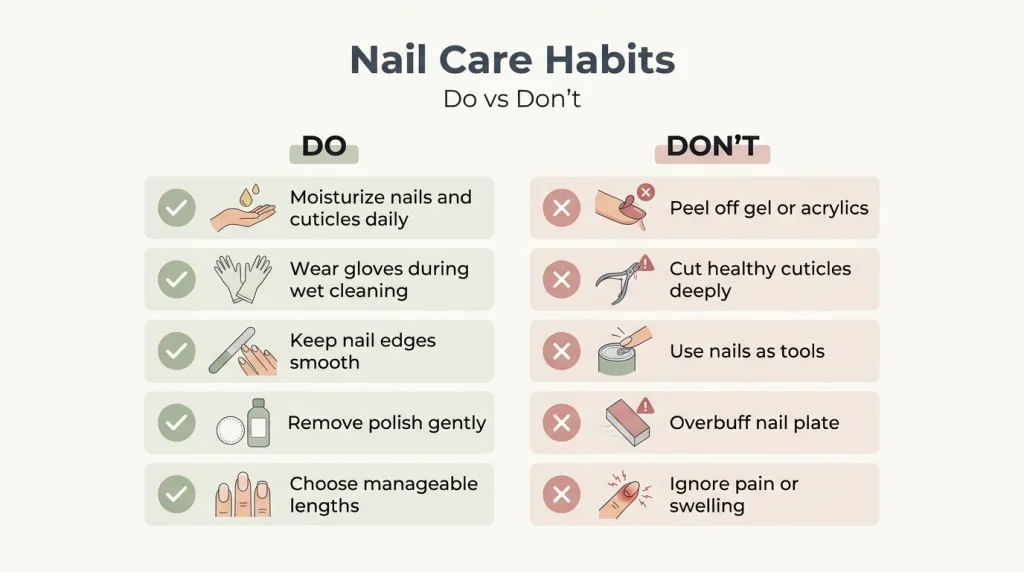
Do
- Moisturize nails and cuticles daily.
- Wear gloves during wet cleaning.
- Keep nail edges smooth.
- Remove polish gently.
- Choose manageable nail lengths.
- Eat a balanced diet.
- Inspect bare nails regularly.
Don’t
- Peel off gel or acrylic products.
- Cut healthy cuticles deeply.
- Use your nails as tools.
- Overbuff natural nail surfaces.
- Ignore pain or swelling.
- Take high-dose supplements casually.
- Expect damaged nails to heal overnight.
Which Nail Care Products Are Actually Worth Buying?
You don’t need a large collection of expensive treatments to maintain healthy natural nails.
Three simple product categories can cover most of your regular maintenance needs.
Disclosure: This section contains affiliate links. As an Amazon Associate, we earn from qualifying purchases at no additional cost to you.
Recommended Product
Jojoba-Based Cuticle Oil
A simple cuticle oil helps you maintain softer surrounding skin and makes daily moisturizing convenient. Look for an uncomplicated formula if you’re sensitive to fragrance.
As an Amazon Associate, we earn from qualifying purchases.
Recommended Product
Fine Glass Nail File
A fine glass file is useful for maintaining smooth natural nail edges without relying on aggressive shaping tools. Choose one with a protective storage case.
As an Amazon Associate, we earn from qualifying purchases.
Recommended Product
Fragrance-Free Hand Cream
A fragrance-free moisturizing cream is especially useful if frequent handwashing leaves your hands and cuticle area dry. Apply it after washing and before bed.
As an Amazon Associate, we earn from qualifying purchases.
Before buying additional products, consider whether your current routine already covers moisturizing, protection, and gentle grooming.
Our guide to the healthiest things to put on your nails explains how everyday moisturizers compare with more complicated treatments.
What Are Some Common Mistakes That Weaken Nails Over Time?
Constantly Changing Nail Treatments
Switching between strengtheners, oils, and home remedies every few days makes it difficult to determine what actually helps.
Better habit: Keep your moisturizing and protection routine consistent, and change one product at a time if necessary.
Keeping Damaged Nails Too Long
Trying to preserve length when your tips are peeling can lead to repeated breaks.
Better habit: Shorten the damaged edges gently, then allow healthier-looking new nail to grow.
Assuming Every Nail Problem Is Cosmetic
Persistent changes in color, thickness, attachment, or surrounding skin can sometimes reflect conditions that need medical attention.
Better habit: Seek assessment for unexplained or worsening changes instead of covering them indefinitely.
Frequently Asked Questions About Long-Term Nail Health Habits
Q: What is the most important habit for healthy nails?
A: Consistently protecting your nails from unnecessary damage is one of the most important habits. Pair gentle grooming with daily moisturizing, sensible nail lengths, and careful manicure removal.
Q: Can you make naturally weak nails stronger?
A: You can reduce preventable breakage with gentle filing, moisturizing, and protective habits. Your natural nail characteristics also depend on genetics and health, so cosmetic care can’t guarantee a permanent change in nail thickness.
Q: Should you apply cuticle oil every day?
A: Daily cuticle oil can be useful when your nail area gets dry. Apply a small amount around your nails and gently massage it into the surrounding skin. Hand cream is also a practical option.
Q: Do your nails need to breathe between manicures?
A: Your nail plate doesn’t breathe like living skin. However, leaving nails bare when they’re damaged or irritated allows you to inspect them and avoid further cosmetic trauma while the affected areas grow out.
Q: How long does it take to build healthier nails naturally?
A: Dry cuticles may feel better quickly, but replacing a damaged fingernail commonly takes around four to six months. Consistent protection helps prevent new damage while healthier-looking nail grows.
Make Healthy Nails a Long-Term Habit
The secret to long-term nail health isn’t an expensive product or a complicated beauty routine. It’s consistent moisturizing, gentle nail maintenance, smart protection, and patience as your nails grow.
Start with two simple habits today: moisturize your cuticles before bed and stop using your nails as tools. Build from there, and give your nails time to show progress.
Save this guide to your Pinterest nail care board so you can return to these long-term nail health habits whenever your routine needs a refresh.

Hi, I’m Jessica, the creator behind Unique Lash & Nails Katy.
I created this website for anyone who loves beautiful nails as much as I do. Here, I share trendy nail designs, seasonal manicure ideas, easy nail care tips, honest product recommendations, and step-by-step guides to help you create salon-worthy nails at home. Whether you’re looking for everyday inspiration or your next favorite nail trend, I hope you’ll find something you love.