Hyponychium Explained: What That Skin Under Your Nails Does
Quick Answer
Your hyponychium is the thickened skin tucked just under the free edge of your nail, where your nail lifts away from your fingertip. It seals that gap, so dirt, water, and germs have a harder time reaching the tender nail bed underneath. You should leave it alone, keep it moisturised, and never cut, scrape, or file it away.
Look at your fingertip from the side and you’ll spot a small ridge of skin hiding under the white tip of your nail. That little ridge has a big job, even though most manicure guides barely mention it. Once you know what it does, you’ll understand why trimming it hurts, why long nails can feel tight, and why gentle care protects your nails far better than aggressive cleaning.


Where Exactly Is Your Hyponychium?
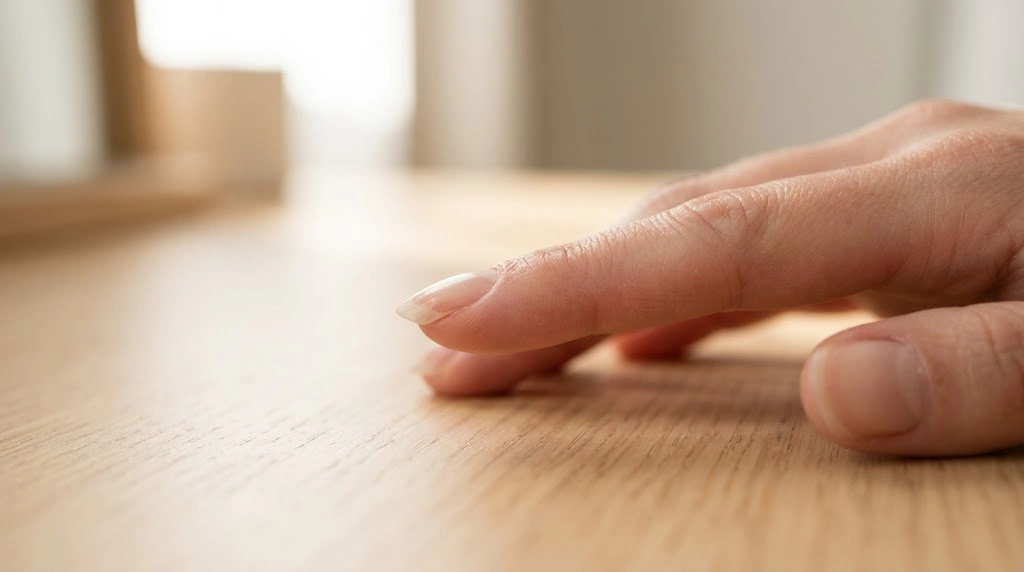
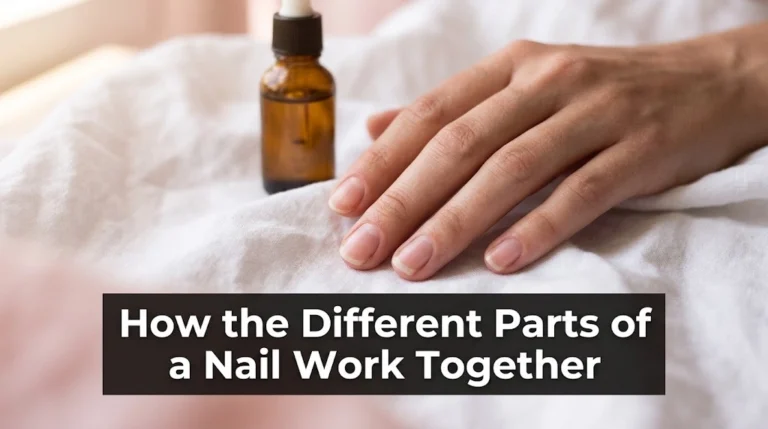
Your hyponychium sits at the far end of your nail bed, right where the pink nail bed ends and the free edge begins. Think of it as the doorway between your nail and your fingertip skin. Above it, your nail plate extends past your finger, while below it, your fingertip skin curves underneath. Between those two layers, your hyponychium forms a soft, slightly raised seal.
On short nails, you might barely notice it because only a thin line shows when you look closely. With longer nails, you’ll see more of it, especially if you tilt your hand and look from underneath. That extra visibility does not mean something has gone wrong, since the skin naturally follows your nail as it grows. It also tends to feel thicker and a little firmer than surrounding skin.
Many people mistake this area for dirt trapped under the nail, and that confusion causes most of the damage. Scraping underneath with a metal tool can tear the seal, leave a raw gap, and invite irritation that takes days to settle. A soft brush and warm water will clean the surface without breaking that protective barrier.
What Does Your Hyponychium Actually Do?
Your hyponychium works like a gasket for your nail, closing the space where your nail separates from your skin. Without that seal, every wash, every handful of soil, and every swipe of cleaning spray could reach the sensitive tissue under your nail plate. Keeping that entry point closed helps your nail bed stay clean, calm, and less prone to infection.
It also supports your nail as it grows outward, giving the free edge a cushioned base instead of a sharp, exposed edge. When your nails grow longer, your hyponychium often grows a little with them, which helps your nail feel more stable. That growth explains why cutting very long nails suddenly short can feel strange or tender, because your skin has extended further than you expected.
Your hyponychium contains nerve endings too, so it reacts quickly when you press, pinch, or catch your nail. That sensitivity is useful, because it warns you before you push a tool too far underneath. Pain there warns you the seal is under pressure, not that you should clean harder.
Gentle habits protect this seal far better than harsh ones, and that same principle applies to the rest of your routine. If you want a softer approach to everyday nail care, this guide to how to shine nails without polish shows how buffing and moisture can replace aggressive filing.
Hyponychium vs Cuticle vs Nail Bed: What’s the Difference?
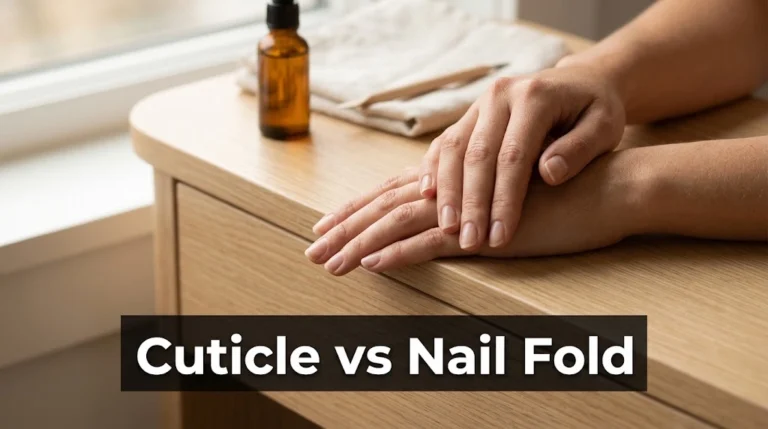
These three parts often get mixed up, because they all sit close together and all affect how healthy your nails look. At the base, near your knuckle, your cuticle covers the spot where your nail emerges from under your skin. Underneath your whole nail plate, your nail bed runs from that base to the tip and gives your nail its pink colour. By contrast, your hyponychium lives only at the tip, under the free edge.
Each part has a different job, so each one needs different care. Your cuticle seals the base and protects new nail growth, while your hyponychium seals the tip and protects the end of your nail bed. Filing, cutting, or pushing either seal too hard can open a gap for bacteria, even when your nails look tidy afterwards. Treating them as separate areas helps you avoid the common mistake of cleaning every edge as if it were the same skin.
Your “quick” is another term that causes confusion, especially if you also care for pets. In human nails, people sometimes use “quick” loosely for the sensitive tissue under the nail, yet your hyponychium is the visible skin at the tip rather than a single blood vessel. Keeping the names straight matters when you talk to a nail technician, because asking them to leave your hyponychium alone is much clearer than asking them not to touch the skin under your nail.
What Does a Healthy Hyponychium Look Like?
A healthy hyponychium usually looks like a smooth, skin-coloured ridge under your nail tip, without redness, swelling, or open cracks. It may look slightly thicker than your fingertip skin, and it may extend a little further on longer nails. Small variations between fingers are normal, because your dominant hand, your nail length, and your daily work all change how much pressure each fingertip takes.
Your hyponychium should feel comfortable when you press your fingertip lightly, type, or grip a mug. Mild tenderness after you catch a nail is common, yet that soreness should fade within a day or two as the skin settles. Persistent pain, throbbing, warmth, or swelling tells a different story, and those signs deserve attention rather than another round of filing.
Colour changes also give you useful clues, though they rarely point to one single cause on their own. A hyponychium that stays pale, dry, and flaky often needs moisture and a break from harsh soaps. One that turns red, puffy, or shiny may be irritated, infected, or reacting to a product, so you should stop using new products on that nail until it calms down.
Why Does Your Hyponychium Get Overgrown, Thick, or Sore?
Overgrowth usually happens gradually, not overnight, and long nails are the most common trigger. As your nail grows, your hyponychium can follow it forward, because your body tries to keep the tip sealed and supported.
Repeated pressure can thicken the skin as well, especially if you type all day, play an instrument, garden, or use your fingertips for detailed work. Your skin responds to that friction by building a tougher layer, much like a callus forms on your heel. Thickening on its own is not dangerous, but it can trap debris and make cleaning feel awkward, which tempts people to scrape harder.
Damage often starts with well-meaning cleaning, because metal picks, sharp orange sticks, and aggressive filing can nick the seal. Once a small tear opens, water, soap, and polish remover can sting and slow healing, while bacteria get an easier route inside. Repeated tearing can leave the area raw, split, or prone to hangnail-like pain at the tip.
Harsh chemicals add another layer of irritation, particularly acetone-heavy removers, strong cleaners, and very hot water. Heat and solvents dry the skin and weaken its barrier, so your hyponychium can crack, peel, or sting after a long soak. Choosing gentler products and shorter soaks helps, and you can learn more about that risk in this guide to whether hot water can damage your nails.
Some people also notice soreness after extensions, press-ons, or very long enhancements, because extra length puts more leverage on the tip. Your hyponychium bears more pull with every tap, catch, or bump, so it may feel tender even when the enhancement itself looks perfect. Shortening gradually, rather than removing a long set and cutting everything at once, gives your skin time to adjust.
How to Care for Your Hyponychium Without Damaging It
Caring for your hyponychium works best as a gentle routine, not a deep-cleaning project. You only need a few minutes, a soft touch, and products that moisturise rather than strip your skin.
Start by washing your hands with lukewarm water and a mild soap, then pat them dry instead of rubbing hard. Use a soft soft nail brush lightly across the top of your nails, rather than digging underneath the free edge. Rinse away any loosened debris, dry your fingertips well, and let the skin settle before you apply polish or oil.
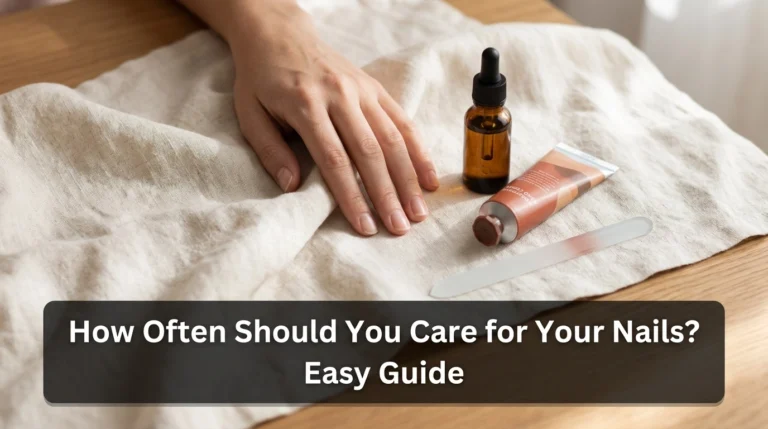
Next, moisturise the whole fingertip, including the skin under the tip, with a rich cream or oil. A drop of jojoba cuticle oil massaged around the nail and lightly under the free edge keeps the seal flexible, which helps it resist cracking. Massage with your fingertip pad, not your nail, and stop if you feel sharp pain, because pressure should feel soothing rather than piercing.
When you file, keep your strokes smooth and work from the outer edge toward the centre, without sawing underneath the tip. A glass nail file gives you a smoother edge with less snagging, so you are less tempted to clean up rough bits by digging below. File your free edge only, leave the skin beneath untouched, and check your length from the side before you shorten further.
If you wear long nails, shorten them in small stages over several days instead of cutting them right back in one go. Each small trim lets your hyponychium retreat gradually, so your fingertips feel less exposed and tender. You can also take a polish-free break when your tips feel dry or sore, and this guide to whether nails are healthier without nail polish explains when that pause helps most.
Pro Tip
Apply oil at night and slip on thin cotton gloves for 20 minutes if your fingertips feel very dry. Your skin absorbs more moisture when it stays covered, and your hyponychium feels softer by morning without any scraping.
Do’s and Don’ts for Your Hyponychium
These quick rules will keep your routine simple, especially when you are tempted to fix a rough tip in a hurry.
Do
- +Moisturise daily, especially after washing your hands.
- +Clean gently with a soft brush and lukewarm water.
- +Shorten long nails gradually over a few days.
Don’t
- −Cut, trim, or peel skin from under your nail tip.
- −Dig underneath with metal tools or sharp sticks.
- −Soak sore fingertips in very hot water or acetone.
Signs You Should Stop and Get Help
Most hyponychium irritation settles with gentle care, rest, and moisture, yet some signs need professional attention. Watch for spreading redness, increasing swelling, warmth, pus, bleeding that will not stop, or pain that worsens after two or three days. Those symptoms can point to infection or a deeper injury, and early care usually prevents a small problem from becoming a bigger one.
See a clinician promptly if you notice a dark streak under your nail, a nail lifting away from its bed, or a sore that keeps reopening in the same spot. You should also seek advice if you have diabetes, poor circulation, or a weakened immune system, because fingertip wounds can heal more slowly and infect more easily in those cases. This article shares general nail-care information only, and it does not replace medical advice for your specific situation.
At a salon, tell your technician clearly that you want your hyponychium left alone, even during a tidy-up. A good technician will clean the nail surface, shape the free edge, and moisturise without digging underneath. If a tool causes sharp pain, ask them to stop straight away, because a pretty manicure is never worth a torn seal.
Warning
Never try to cut away an overgrown hyponychium at home. Cutting that seal can cause bleeding, sharp pain, and an open route for infection, and the skin often grows back thicker while it heals.
Pro Tips for Longer, Happier Nails
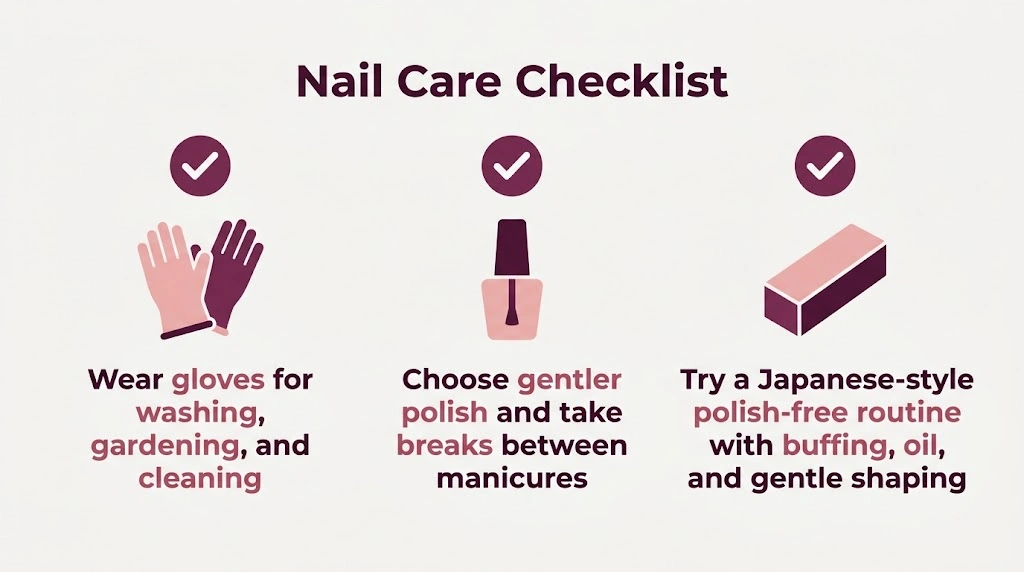
Your hyponychium will thank you for small, consistent habits that most people overlook. Wear gloves for washing up, gardening, and cleaning, because gloves shield your fingertips from hot water, detergents, and soil.
Choose gentler polish and remover options when your tips feel sensitive, and give your nails a break between bold manicures. A safer formula can still look beautiful, and this guide to the safest nail polish brand helps you compare gentler choices without guessing. Keep your polish off the skin under your tip, because polish trapped under the free edge can irritate the seal as it hardens.
Finally, try a slower, kinder manicure style when your nails need recovery, rather than pushing for a perfect shape every week. A Japanese-style, polish-free routine focuses on buffing, oil, and gentle shaping, and you can explore that approach in this guide to what a Japanese manicure without polish is. Your hyponychium gets moisture, pressure stays low, and your nails still look polished without a coat of colour.
Recommended Product
Thick Hand Cream for Dry Fingertips
A rich, fragrance-free cream helps keep your hyponychium flexible after washing, so it cracks less and seals better.
As an Amazon Associate, we earn from qualifying purchases.
Frequently Asked Questions About the Hyponychium
Q: Is the hyponychium the same as the cuticle?
A: No, your cuticle seals the base of your nail, while your hyponychium seals the tip under the free edge. Both protect your nail bed, yet they sit at opposite ends and need separate, gentle care.
Q: Why does my hyponychium hurt when I cut my nails short?
A: Long nails often let the hyponychium extend forward, so a sudden short cut can leave that skin exposed and tender. Trimming gradually over several days gives the skin time to retreat and usually feels much more comfortable.
Q: Can I remove an overgrown hyponychium?
A: You should not cut or peel it away, because that breaks your nail seal and can cause bleeding, pain, and infection. Moisturise daily, shorten your nails gradually, and ask a clinician if overgrowth keeps causing pain.
Q: How do I clean under my nails without damaging the hyponychium?
A: Use lukewarm water, mild soap, and a soft brush on the nail surface, without digging underneath the free edge. Dry your hands well, then apply oil or cream to keep the seal soft and flexible.
Q: Is it normal for the hyponychium to look thick?
A: Yes, mild thickening is common, especially on longer nails or fingertips that take a lot of pressure. Keep it moisturised, avoid scraping, and get advice if thickening comes with pain, swelling, or splitting.
Your Takeaway: Leave the Seal Alone
Your hyponychium may be small, yet it quietly protects every manicure you love. Treat it gently, moisturise it daily, and let it do its sealing job without interference. Save this guide on Pinterest, so you can remind yourself before your next manicure that the skin under your nail tip deserves care, not cutting.

Hi, I’m Jessica, the creator behind Unique Lash & Nails Katy.
I created this website for anyone who loves beautiful nails as much as I do. Here, I share trendy nail designs, seasonal manicure ideas, easy nail care tips, honest product recommendations, and step-by-step guides to help you create salon-worthy nails at home. Whether you’re looking for everyday inspiration or your next favorite nail trend, I hope you’ll find something you love.