Does Moisturizing Help Nail Growth? Simple Facts
Quick Answer
Yes, moisturizing can help your nails grow longer by reducing dryness, peeling, and breakage. However, moisturizers do not directly increase the biological speed of nail growth. Applying hand cream and cuticle oil regularly helps protect your nail plates and surrounding skin, allowing your nails to retain more of their natural growth.
Ever wondered why your nails seem to grow beautifully for a week, only to peel or break before reaching your dream length? The answer may have less to do with how quickly they grow and more to do with how well you protect them.
Moisturizing is one of the simplest nail care habits you can build. But does moisturizing help nail growth, or does it just make your hands look healthier?
Let’s explore what moisturizing actually does, which products are worth using, and how you can create a realistic routine for longer, healthier-looking natural nails.


How Does Moisturizing Help Nail Growth?
Moisturizing primarily supports nail length by helping prevent dryness-related damage. It cannot force your nail matrix to produce new cells faster, but it can make your existing nail plate less vulnerable to everyday wear.
Your nail plate is made mainly of keratin, a tough structural protein. Although nails feel hard, their condition can change with repeated exposure to water, detergents, solvents, and physical stress.
When nails become brittle, the free edges may split into layers or crack. Even if your nails continue growing normally, these small breaks can prevent you from gaining visible length.
Regular moisturizing helps by:
- Reducing dryness: Moisturizing products help limit excessive moisture loss from the nail surface and surrounding skin.
- Supporting flexibility: Properly conditioned nails may be less likely to split during ordinary activities.
- Improving cuticle comfort: Moisturized nail folds are less prone to uncomfortable dryness and cracking.
- Protecting existing length: Fewer broken tips can mean more visible length over time.
- Supporting nail care consistency: A short daily routine encourages you to notice small cracks before they become larger problems.
The important distinction is between growing faster and keeping more of the length your nails naturally produce.
If your nails repeatedly split or peel, our guide to dry nails vs. brittle nails can help you recognize which problem you’re dealing with.
Can Moisturizing Actually Make Nails Grow Faster?
There is no convincing clinical evidence that ordinary hand creams, cuticle oils, or petroleum jelly significantly increase the rate at which healthy fingernails grow.
Your nails grow from a specialized area beneath the skin called the nail matrix. Cells produced there gradually become part of the nail plate and move forward as new nail develops.
This process is influenced by several factors:
- Age and individual genetics.
- General health and nutritional status.
- Injuries or conditions affecting the nail matrix.
- Certain medications and medical conditions.
- Natural differences between individual fingernails.
Applying moisturizer to the visible nail does not directly control these biological processes.
However, protecting your nails from splitting may make them appear to grow faster because less length disappears through breakage.
Understanding the Difference Between Nail Growth and Nail Retention
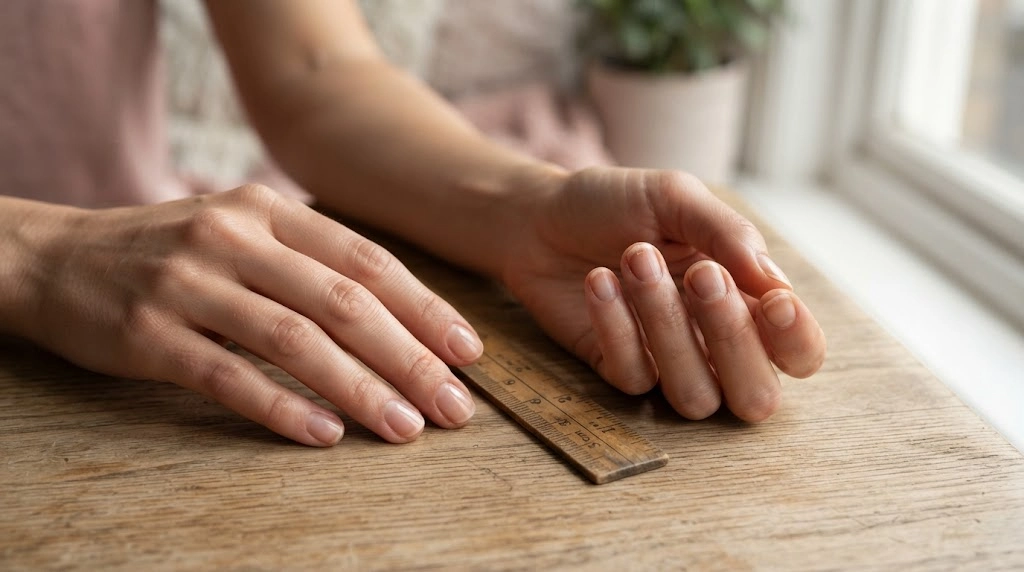
Imagine that your fingernails naturally grow about 3 millimeters in a month.
If your nails remain healthy and intact, much of that new length becomes visible beyond your fingertips.
Now imagine that your nails grow at the same speed but repeatedly lose tiny pieces from their ends. You might finish the month with almost no additional visible length.
Moisturizing is useful mainly because it may reduce one source of that lost length.
For a better understanding of normal growth rates, explore our guide explaining how fast fingernails grow.
Why Do Dry Nails Break Before They Grow Long?
Dryness and brittleness often occur together, although they are not exactly the same condition.
Your nails experience repeated changes in moisture throughout the day. Washing dishes, taking long showers, using cleaning products, and applying certain polish removers can expose the nail plate to cycles of wetting and drying.
Over time, these exposures may contribute to peeling and splitting, particularly when combined with physical damage.
1. Repeated Water Exposure
Water temporarily changes the moisture content of the nail plate. Repeated soaking and drying can make vulnerable nails more likely to peel.
Moisturizing after washing your hands helps protect the surrounding skin, while wearing gloves during lengthy wet chores reduces unnecessary exposure.
2. Harsh Nail Polish Removal
Frequent use of nail polish remover can leave your nails feeling dry. Acetone is especially effective at removing polish, but repeated exposure may contribute to dryness.
After removing polish, wash away any remaining product according to its instructions, dry your hands, and apply moisturizer to the nails and cuticles.
3. Aggressive Filing or Buffing
Rough filing, excessive buffing, and peeling off gel polish can physically damage the nail plate.
Moisturizing supports comfort and flexibility, but it cannot instantly rebuild nail layers that have already been removed.
4. Dry Skin Around the Nails
The skin surrounding your nails acts as a protective barrier. When it becomes dry and cracked, you may develop hangnails or irritated nail folds.
Applying a fragrance-free moisturizer regularly can help maintain this barrier.
5. Other Causes of Brittle Nails
Not every brittle nail is caused by dryness. Aging, skin conditions, repeated trauma, and certain health problems can also affect nail appearance and strength.
If your nails remain unusually fragile despite gentle care, consider speaking with a dermatologist rather than assuming you simply need a stronger moisturizer.
What Are the Best Moisturizers for Nail Growth and Strength?
The best nail moisturizer is one you’ll use consistently. You don’t need an expensive product promising miraculous growth.
Choose products that help maintain the nail surface and protect the surrounding skin.
1. Cuticle Oil for Daily Nail Care
Cuticle oils are popular because they’re easy to apply directly around each nail. Products containing jojoba oil or other skin-conditioning oils can help soften dry nail folds.
Best for: Dry cuticles, rough nail edges, and quick moisturizing throughout the day.
How to use: Apply a small drop around each nail, then gently massage it over the surrounding skin and nail surface.
Pros: Convenient, lightweight, and easy to carry in your handbag.
Cons: Some formulas feel oily, and oil alone may not provide enough protection for very dry hands.
Look for simple formulations without heavily irritating fragrances if your skin is sensitive.
2. Hand Cream for Nails and Surrounding Skin
A rich hand cream can moisturize your fingers, nail folds, and nail surfaces together.
Ingredients such as glycerin help attract moisture, while petrolatum, mineral oil, and other emollient ingredients help reduce water loss.
Best for: Frequent handwashing, dry weather, and daily maintenance.
How to use: Massage the cream into your hands after washing, including the fingertips and surrounding nail folds.
Pros: Affordable, practical, and useful for both skin and nails.
Cons: Some lightweight lotions may not be rich enough for severely dry skin.
3. Petroleum Jelly for Overnight Protection
Petroleum jelly is an occlusive moisturizer. It creates a protective layer that helps reduce water loss from the skin.
Best for: Very dry cuticles, cracked-looking skin, and overnight moisturizing.
How to use: Apply a thin layer to clean, slightly damp skin around your nails before bedtime.
Pros: Inexpensive, fragrance-free in its plain form, and effective at limiting moisture loss.
Cons: Its greasy texture may feel uncomfortable during daytime activities.
Petroleum jelly doesn’t make your nails grow faster, but it can be a useful part of a protective nail care routine.
4. Urea or Glycerin Cream for Persistent Dryness
Some nail and hand moisturizers contain humectants such as glycerin or urea, which help improve water retention.
Best for: Persistent roughness and brittle-looking nails that need more intensive conditioning.
How to use: Follow the product directions and begin with a gentle formula appropriate for hands and nails.
Pros: Useful ingredients for improving moisture retention and skin texture.
Cons: Stronger urea formulas may sting irritated or broken skin.
Pro Tip
You don’t need to choose between hand cream and cuticle oil. Apply a small amount of cuticle oil around your nails, then use a fragrance-free hand cream when your skin needs additional moisture. Consistency matters more than the number of products.
How Should You Moisturize Your Nails Every Day?
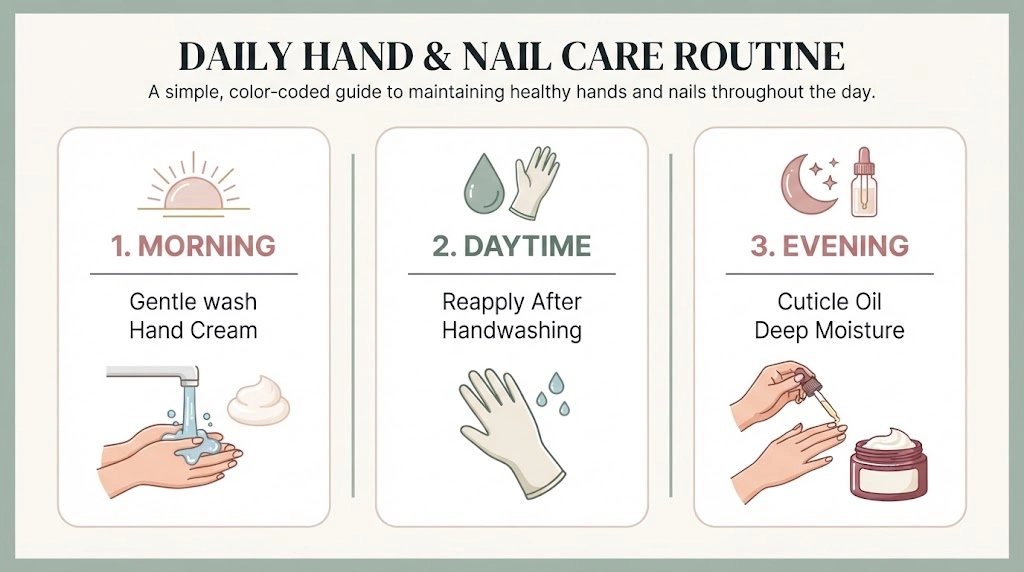
A reliable nail care routine doesn’t need to be complicated. The goal is to prevent repeated dryness and protect your nails from unnecessary damage.
Try this simple routine for several weeks before deciding whether it helps.
Morning: Protect Your Nails Before the Day Begins
- Wash your hands gently and dry them thoroughly.
- Apply a small amount of hand cream to your fingertips and nail folds.
- Add cuticle oil if the surrounding skin feels especially dry.
- Keep a travel-size moisturizer in your handbag for later use.
If your morning routine includes makeup or styling your hair, apply your nail products after finishing tasks that would immediately wash or rub them away.
During the Day: Reapply After Washing
Frequent handwashing is sometimes unavoidable, especially if you work in healthcare, food service, childcare, or another hands-on environment.
Reapply hand cream after washing whenever practical. Focus on the fingertips, where dryness often becomes noticeable first.
If you wash dishes or handle cleaning products, wear appropriate protective gloves and dry your hands afterward.
Evening: Focus on Moisture Retention
- Remove rings if they interfere with applying moisturizer.
- Wash and thoroughly dry your hands.
- Massage a small amount of cuticle oil around your nails.
- Apply a generous layer of fragrance-free hand cream.
- Use a thin layer of petroleum jelly on especially dry nail folds if needed.
You can wear clean cotton gloves overnight if you find them comfortable, but this is optional.
For a broader maintenance plan, see our daily nail care routine for healthier nails.
How Often Should You Moisturize Your Nails?
For most people, moisturizing after handwashing and before bedtime is a reasonable starting point.
The ideal frequency depends on your skin, climate, and how often your hands encounter water or cleaning chemicals.
- Normal nails: Apply hand cream after washing and use cuticle oil when needed.
- Dry nails and cuticles: Moisturize several times throughout the day, especially after washing.
- Brittle nails: Combine regular moisturizing with protective gloves and gentle nail maintenance.
- After removing nail polish: Apply moisturizer once your nails are clean and dry.
- During cold or dry weather: Increase moisturizing as needed to prevent uncomfortable dryness.
There is no proven number of daily applications that guarantees faster nail growth.
Instead, use dryness and skin comfort as your guide. If your cuticles feel tight, flaky, or uncomfortable, they may benefit from another application.
How Long Does Moisturizing Take to Improve Nail Health?
Moisturizing can make dry skin feel softer quickly, but improving visible nail length takes longer.
Fingernails typically grow around 2–3 millimeters per month, although the rate varies between individuals.
Because new nail develops gradually, maintaining longer nails is usually a matter of patience and consistent protection.
During the First Week
You may notice softer cuticles, reduced tightness around your fingers, and a smoother appearance.
Your nail growth speed is unlikely to change simply because you’ve started moisturizing.
After Two to Four Weeks
If dryness has been contributing to peeling or breakage, you may begin noticing fewer new splits.
This improvement isn’t guaranteed. It depends on the underlying cause and whether you’ve reduced the activities that damage your nails.
After Six to Eight Weeks
With continued protection, you may be able to retain more length than before.
Compare photographs of your nails taken several weeks apart rather than expecting dramatic changes from one day to the next.
After Three to Six Months
Several months of growth allow a substantial portion of the visible nail to be replaced by newly produced nail.
If you’ve reduced damaging habits, this new growth may remain in better condition.
A complete fingernail typically takes several months to grow from its base to its tip. Moisturizing cannot instantly repair deeply damaged nail layers, so give the process time.
Does Cuticle Oil Work Better Than Hand Cream for Nail Growth?
Neither cuticle oil nor hand cream has been proven to accelerate normal nail growth significantly.
However, each serves a slightly different moisturizing purpose.
Cuticle oil is convenient when you want to condition a small area around each nail. Its texture makes it easy to apply to dry nail folds and fingertips.
Hand cream covers a larger area and may contain a combination of humectants, emollients, and occlusive ingredients.
For many people, hand cream alone is sufficient for daily nail care. Cuticle oil is an optional addition rather than an essential growth treatment.
If your main concern is preventing brittleness, consider the overall formula and your routine instead of focusing entirely on whether a product is labeled an oil or cream.
What Common Mistakes Stop Nails From Growing Longer?
Even a great moisturizer cannot compensate for every damaging habit.
These common mistakes can make it harder to maintain natural nail length.
Expecting Overnight Nail Growth
No ordinary topical moisturizer can produce several millimeters of new nail growth overnight.
Products promising dramatically faster results should be approached cautiously. Nail growth is a gradual biological process.
Using Too Much Oil Without Protecting Your Nails
Applying more oil doesn’t necessarily mean better results.
A small amount is usually enough to condition the nail folds. Repeatedly washing away excess oil can create additional wetting and drying cycles.
Skipping Moisturizer After Handwashing
Handwashing removes surface oils from the skin. Reapplying moisturizer afterward helps reduce dryness and discomfort.
Keep a fragrance-free cream near your sink to make this habit easier.
Cutting or Picking at Cuticles
Your cuticles help protect the area where the nail emerges from the skin.
Cutting living cuticle tissue or aggressively pushing it back can create small injuries and increase the risk of infection.
Moisturize the area rather than repeatedly trimming it.
Ignoring Splits at the Nail Tips
A small snag can catch on clothing and develop into a larger break.
Use a gentle nail file to smooth rough edges before the damaged area spreads.
Using Nails as Tools
Opening packages, scraping labels, and prying objects with your nails all create mechanical stress.
Even well-moisturized nails can break when subjected to enough pressure.
What Should You Do and Avoid for Longer Natural Nails?
Do
- Moisturize after handwashing.
- Use cuticle oil for dry nail folds.
- Wear gloves for wet chores.
- Keep nail edges smooth.
- Maintain a comfortable nail length.
- Eat a balanced diet.
- Monitor unusual changes.
Don’t
- Expect instant growth.
- Cut living cuticles.
- Peel off gel polish.
- Over-buff your nail plates.
- Use nails to open objects.
- Rely on unproven supplements.
- Ignore painful nail changes.
Which Nail Moisturizing Products Are Worth Trying?
You don’t need a complicated collection of nail growth products. A few practical options can support your everyday routine.
Choose products based on your dryness level, skin sensitivity, and preferred texture.
Recommended Product Type
Jojoba Cuticle Oil
A jojoba-based cuticle oil is a convenient choice for conditioning dry nail folds. Look for a formula with minimal fragrance if your skin is sensitive.
As an Amazon Associate, we earn from qualifying purchases.
Recommended Product Type
Fragrance-Free Moisturizing Hand Cream
A rich hand cream containing glycerin and protective emollients is useful if frequent washing leaves your fingertips and cuticles dry.
As an Amazon Associate, we earn from qualifying purchases.
Recommended Product Type
100% Pure Petroleum Jelly
Plain petroleum jelly is a simple option for protecting dry nail folds overnight. Apply a thin layer after moisturizing clean skin.
As an Amazon Associate, we earn from qualifying purchases.
Can Moisturizing Help Nails Recover After Gel or Acrylic Manicures?
Moisturizing can help manage dryness after gel or acrylic removal, but it cannot instantly reverse physical damage to the nail plate.
If your nails feel thin or flexible after removing enhancements, aggressive filing or scraping may have removed some of their protective layers.
Try these habits while the damaged area grows out:
- Keep your nails relatively short to reduce leverage on weak tips.
- Apply hand cream and cuticle oil regularly.
- Avoid picking at remaining product.
- Reduce unnecessary exposure to polish removers.
- Protect your hands during cleaning and dishwashing.
- Allow damaged nail sections to gradually grow out.
If you’re dealing with fragile nails after extensions, our guide to making your nails healthy again explains how to build a gentle recovery routine.
What Else Helps Your Nails Grow Longer Naturally?
Moisturizing is helpful, but nail health involves more than topical products.
If you want to retain healthy natural length, consider these additional habits.
Eat Enough Protein and Essential Nutrients
Your body needs adequate nutrition to produce normal nail tissue.
A balanced diet containing protein, iron, zinc, and other essential nutrients supports general health, including nail formation.
However, extra vitamins do not automatically make healthy nails grow faster. Avoid taking high-dose supplements without a clear reason or professional guidance.
Keep Your Nails at a Manageable Length
Longer nails experience more leverage during ordinary activities. If they repeatedly break, maintaining a shorter length temporarily may help.
A softly rounded or squoval shape can reduce sharp corners that catch on clothing.
Use Protective Gloves
Dishwashing, bathroom cleaning, and repeated contact with detergents can contribute to dry or brittle nails.
Wear gloves suited to the products you’re using, and make sure your hands are dry before putting them on.
Be Gentle With Nail Products
Choose careful removal techniques for gel, acrylic, and regular polish.
Avoid scraping away attached product or aggressively buffing the natural nail.
Pay Attention to Your Nail Health
Healthy nails vary in appearance, and minor ridges or occasional white marks are often harmless.
However, persistent changes deserve attention, especially when they involve discomfort or an unusual change in color or shape.
Warning
Moisturizer is not a treatment for nail infections or unexplained nail abnormalities. Seek medical evaluation if you notice painful swelling, pus, significant nail lifting, persistent unusual discoloration, or a new dark streak. Avoid covering concerning changes with artificial nails.
How Can You Tell Whether Your Nail Moisturizing Routine Is Working?
You don’t need expensive tracking tools or daily measurements.
Start by taking a clear photograph of your natural nails in consistent lighting.
Then follow your moisturizing and protection routine for several weeks.
Look for practical improvements such as:
- Less flaky or uncomfortable skin around the nails.
- Fewer new hangnails.
- Less peeling at the free edges.
- Fewer nails catching on clothing.
- Reduced breakage during ordinary activities.
- More visible length retained between trims.
Remember that your results may depend on the cause of your nail problem.
If dryness was the main issue, moisturizing may help noticeably. If your nails are damaged by repeated mechanical stress or an underlying condition, you’ll need to address those factors as well.
Frequently Asked Questions About Moisturizing and Nail Growth
Q: Does moisturizing your nails every day make them grow faster?
A: Daily moisturizing can help reduce dryness and breakage, but it hasn’t been proven to significantly increase normal nail growth speed. Its main benefit is helping you retain more of your existing nail length.
Q: Is cuticle oil or lotion better for growing nails?
A: Both can help condition nails and surrounding skin. Cuticle oil is convenient for targeted application, while lotion or hand cream moisturizes a larger area. Neither has strong evidence of directly speeding up nail growth.
Q: Does Vaseline help nails grow longer?
A: Petroleum jelly helps reduce moisture loss from dry skin and nail folds. It doesn’t stimulate the nail matrix, but protecting the surrounding skin and limiting dryness may support a healthier nail care routine.
Q: How long should I moisturize my nails before seeing results?
A: Dry cuticles may feel softer after the first few applications. Improvements in breakage and visible nail length generally take several weeks or longer, depending on your nails’ condition and daily habits.
Q: Can you moisturize nails too much?
A: Applying ordinary moisturizer frequently is usually fine if your skin tolerates it. However, irritating ingredients can cause reactions, and prolonged soaking or constantly wet hands can worsen nail brittleness. Moisturizing and excessive water exposure are not the same thing.
The Bottom Line: Does Moisturizing Help Nail Growth?
Moisturizing helps you maintain healthier-looking nails and may prevent breakage, but it does not directly make nails grow faster. For the best results, combine regular hand cream or cuticle oil with gentle filing, protective gloves, and careful manicure habits.
You don’t need a miracle growth serum. Start with a simple routine, stay consistent, and give your natural nails time to grow. Save this guide to your Pinterest nail care board so you can return to these tips whenever your nails need extra attention.

Hi, I’m Jessica, the creator behind Unique Lash & Nails Katy.
I created this website for anyone who loves beautiful nails as much as I do. Here, I share trendy nail designs, seasonal manicure ideas, easy nail care tips, honest product recommendations, and step-by-step guides to help you create salon-worthy nails at home. Whether you’re looking for everyday inspiration or your next favorite nail trend, I hope you’ll find something you love.