Why Do Nails Look Pale? 7 Causes Explained
Quick Answer
Why do nails look pale? Your nails may appear unusually light because of temporary changes in blood flow, anemia, or another underlying health condition. Sometimes, lighting and your natural nail color explain the appearance. However, persistent pale nail beds, especially with fatigue, dizziness, or shortness of breath, deserve medical evaluation. Nail color alone cannot diagnose a disease.
Have you ever removed your nail polish, looked at your hands, and wondered why your nails suddenly seem much paler than usual?
It can feel unsettling, especially when you’re used to seeing naturally pink nail beds. You might immediately worry about low iron, vitamin deficiencies, or a circulation problem.
Fortunately, not every light-colored nail signals something serious. The important thing is understanding what has changed and whether you’re experiencing other symptoms.
Here’s how to recognize different types of nail paleness, understand the possible causes, and decide what to do next.


What Does It Mean When Your Nails Look Pale?
Your fingernails consist of several structures, including the visible nail plate and the underlying nail bed.
The nail plate is made primarily of keratin, a protective protein. It’s partly translucent, so the blood vessels in the tissue underneath influence the color you see.
When blood flow or the amount of hemoglobin in your blood changes, your nail beds may appear lighter than your usual color.
However, natural nail color varies between individuals. Some people have distinctly pink nail beds, while others have lighter, beige, brownish, or less visibly pink nails.
What matters most is a change from your normal appearance.
What Do Healthy Nail Beds Normally Look Like?
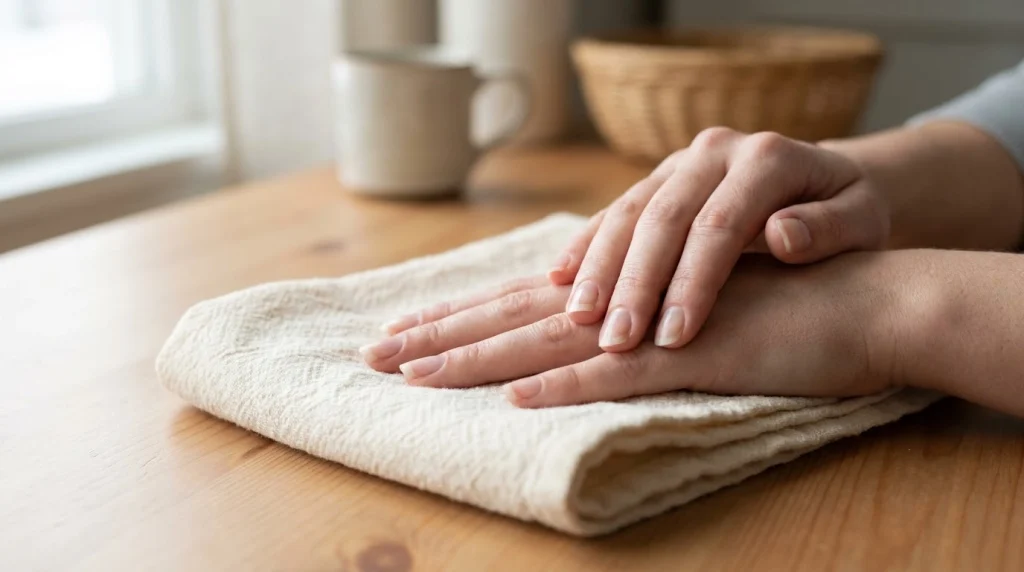
Healthy nail beds generally have an even appearance appropriate to your natural skin tone.
Your nail tips may look white because they extend beyond the attached nail bed. You might also notice a small, pale, crescent-shaped area near the base called the lunula.
These features are not the same as an unusually pale nail bed.
If your nails have always looked light and you feel well, their color may simply reflect your natural anatomy.
What Is the Difference Between Pale Nails and White Nails?
This distinction is important because pale nail beds and genuinely white nail plates can have different explanations.
- Pale nail beds: The underlying nail bed looks lighter or less pink than usual.
- White nail spots: Small white marks appear within the nail plate, often following minor nail injury.
- Mostly white nails: Much of the nail appears white, sometimes with a narrow band of another color near the tip.
- White free edges: The naturally white portions extending past your fingertips.
These appearances should not automatically be treated as the same condition.
For example, white spots after a manicure usually have a different explanation from persistent paleness affecting every nail bed.
Why Do Nails Look Pale? 7 Possible Causes
Several factors can change how much color you see through your nail plates. Some are temporary, while others deserve a closer medical look.
1. Iron-Deficiency Anemia
Iron-deficiency anemia is an important possible cause of unusually pale nail beds.
Your body needs iron to produce hemoglobin, a protein inside red blood cells that carries oxygen throughout your body.
When iron levels become too low, your body may not produce enough healthy red blood cells or hemoglobin. As a result, your skin and nail beds can appear paler.
You might also notice:
- Unusual tiredness or weakness.
- Dizziness or lightheadedness.
- Headaches.
- Shortness of breath during activities.
- A racing or noticeable heartbeat.
- Brittle nails or, in some cases, spoon-shaped nails.
People with heavy menstrual bleeding, inadequate iron intake, pregnancy-related iron requirements, or certain digestive conditions may have a higher risk of iron deficiency.
However, pale nails do not prove that you’re iron deficient. A healthcare professional may recommend a complete blood count and iron studies to investigate.
Important
Don’t start high-dose iron supplements simply because your nails look pale. Excess iron can be harmful, and anemia has several possible causes. Ask your healthcare provider whether testing or supplementation is appropriate.
2. Temporary Changes in Blood Circulation
Your nail beds may briefly look pale when the tiny blood vessels in your fingertips narrow.
This can happen when you’re exposed to cold temperatures. Your body reduces blood flow near the skin surface to help conserve heat.
As your hands warm up, normal color generally returns.
For some people, especially those with Raynaud’s phenomenon, cold or emotional stress can trigger more noticeable color changes.
During an episode, fingers may become white, sometimes followed by blue or red coloring. They may also feel numb, cold, painful, or tingly.
If you’re experiencing recurring episodes, discuss them with a healthcare professional rather than assuming they’re harmless.
3. Vitamin B12 or Folate Deficiency
Iron isn’t the only nutrient involved in healthy red blood cell production.
Vitamin B12 and folate are also necessary for your body to make normal red blood cells.
A deficiency can cause certain types of anemia, potentially contributing to general paleness.
Depending on the deficiency, additional symptoms may include:
- Persistent fatigue.
- Reduced energy or weakness.
- Difficulty concentrating.
- A sore or unusually smooth tongue.
- Numbness or tingling, particularly with vitamin B12 deficiency.
You can’t determine which nutrient is low simply by looking at your fingernails.
Blood tests and a review of your symptoms and diet may be needed to identify the cause.
4. Natural Nail Color and Lighting
Sometimes, the explanation is much simpler than a medical condition.
Bright bathroom lighting, camera exposure, cool-toned light bulbs, and reflections can make your nails appear lighter than they do outdoors.
Your natural skin tone and nail thickness also influence how the nail beds look.
Try examining your clean, unpolished nails in indirect daylight. Compare their appearance with your normal nail color rather than relying on social media photographs.
If they’ve always looked the same and you have no other concerning symptoms, you may simply be noticing a normal variation.
5. Kidney or Liver Conditions
Certain medical conditions can cause distinctive changes in nail appearance.
For example, some people with liver disease develop nails that look predominantly white, sometimes with a narrow pink or brown band near the tip. This pattern is often called Terry’s nails.
Another pattern, known as half-and-half nails, has a pale or whitish area closer to the base and a darker area toward the tip. It has been associated with kidney disease.
These patterns are not identical to ordinary nail-bed paleness, and neither is enough to establish a diagnosis.
They can also occur in circumstances unrelated to serious disease.
If several nails develop a new, persistent white appearance, particularly with swelling, jaundice, or other unexplained symptoms, arrange a medical examination.
6. Other Forms of Anemia or Chronic Illness
Iron deficiency is a common cause of anemia, but it’s not the only one.
Anemia can also develop because of blood loss, certain chronic illnesses, vitamin deficiencies, or problems affecting red blood cell production or survival.
When the amount of hemoglobin in your blood decreases, you may notice paleness in several areas, including your nails, palms, and inner eyelids.
Some conditions develop gradually, so symptoms may be easy to overlook at first.
That’s why persistent nail paleness accompanied by fatigue or reduced exercise tolerance should be assessed rather than covered with nail polish.
7. Medication Effects or Other Health Changes
Some medicines and medical treatments can affect blood counts, circulation, or the appearance of your nails.
Changes in nail color can also occur alongside medical conditions involving the skin or nail unit.
If you’ve recently started a new medication and notice unexplained paleness, mention the change to your prescribing clinician.
Don’t stop a prescribed medicine without medical guidance.
Remember that nail appearance is only one clue. Your medical history, symptoms, and examination matter much more than any single photograph.
What Other Symptoms Should You Check Alongside Pale Nails?
The most useful question isn’t simply whether your nails look pale. It’s whether anything else has changed in your body.
Pay attention to these symptoms:
- Fatigue: Feeling unusually tired despite adequate rest.
- Dizziness: Feeling lightheaded when standing or during everyday activities.
- Breathlessness: Becoming short of breath during tasks that previously felt easy.
- Cold or numb fingers: Particularly when your fingertips change color in response to cold.
- Changes in menstrual bleeding: Especially unusually heavy or prolonged periods.
- Nail shape changes: New spoon-shaped, thickened, or distorted nails.
These symptoms don’t automatically confirm a specific condition. However, they help your healthcare provider decide what to investigate.
If your nails are also peeling or breaking, explore our guide to why nails become brittle. Nail fragility and nail paleness can occur together, but they aren’t necessarily caused by the same problem.
Can You Check Pale Nails at Home?
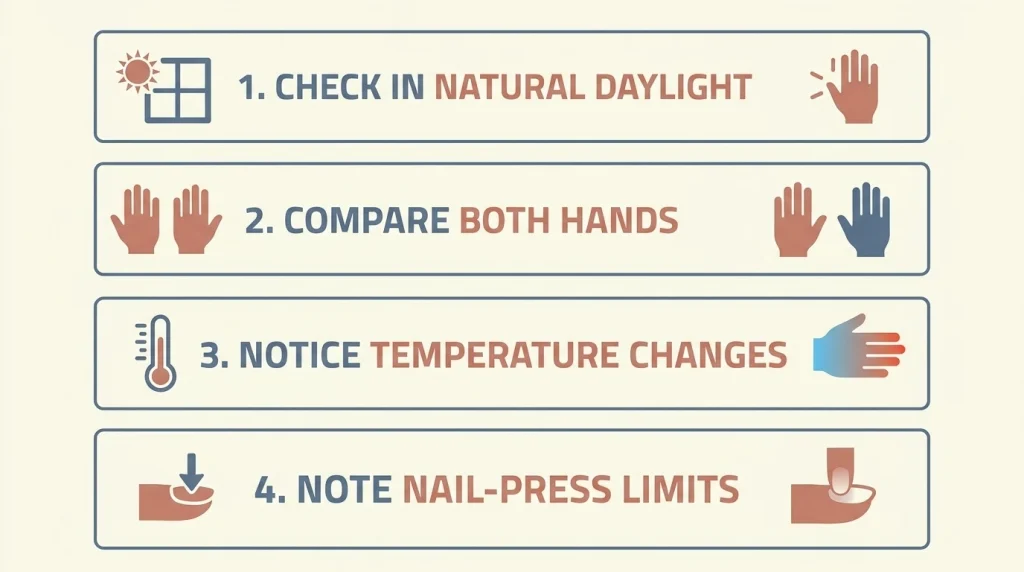
You can make a few observations at home before deciding whether to seek medical advice. These checks aren’t diagnostic tests, but they may help you describe what you’ve noticed.
Look at Your Nails in Natural Light
Remove nail polish gently if you already intend to take it off. You don’t need to remove an intact gel or acrylic manicure just to perform this check.
Once your nails are clean and visible, examine them under indirect daylight.
Notice whether the entire nail bed looks pale or whether you’re seeing isolated white spots or patches.
Compare Several Fingers
Look at both hands rather than focusing on one nail.
If every nail looks lighter than usual, the change may be more widespread. A single abnormal nail may have a different explanation, such as injury or a localized nail condition.
Pay attention to the color of your fingertips and whether they’re unusually cold.
Notice Whether the Color Changes With Temperature
If your hands are cold, warm them gradually in a comfortable indoor environment.
Observe whether their normal color returns.
Don’t use very hot water or direct heat, especially if your fingers feel numb.
Understand the Limits of the Nail-Press Test
You may have heard about pressing on a fingernail and watching the color return.
This is commonly called a capillary refill check. Healthcare professionals sometimes use it as one part of a circulation assessment.
However, temperature, lighting, pressure, and other factors can influence the result.
A home nail-press test cannot diagnose anemia, iron deficiency, or a specific circulation disorder. A normal result doesn’t rule out illness, either.
Practical Tip
If the color change persists, take a clear photograph in natural light and note when you first noticed it. This can help you explain the change during a medical appointment.
When Should You See a Doctor About Pale Nails?
Arrange a medical appointment if your nails have become persistently paler than normal without an obvious explanation.
It’s particularly important to seek advice when the change appears alongside unusual fatigue, dizziness, weakness, heavy menstrual bleeding, or other concerning symptoms.
New nail-color patterns affecting multiple nails also deserve attention.
A healthcare professional may examine your nails, check for other signs of paleness, ask about your diet and medical history, and recommend appropriate testing.
What Blood Tests Might Be Recommended?
Depending on your symptoms and examination, your clinician may consider:
- Complete blood count (CBC): Measures hemoglobin and other blood-cell characteristics to help identify anemia.
- Ferritin: Helps assess your body’s iron stores.
- Additional iron studies: May help clarify whether iron deficiency is present.
- Vitamin B12 and folate tests: Used when a related deficiency is suspected.
- Kidney, liver, or thyroid testing: Considered when other symptoms or findings suggest a possible problem.
Not everyone needs all these tests. Your healthcare provider can select the appropriate investigations based on your circumstances.
Seek Urgent Help
Seek emergency medical care if sudden, marked paleness occurs with chest pain, severe difficulty breathing, fainting, confusion, uncontrolled bleeding, or blue lips. These symptoms may indicate a serious medical problem that requires immediate assessment.
How Can You Support Healthy-Looking Nails?
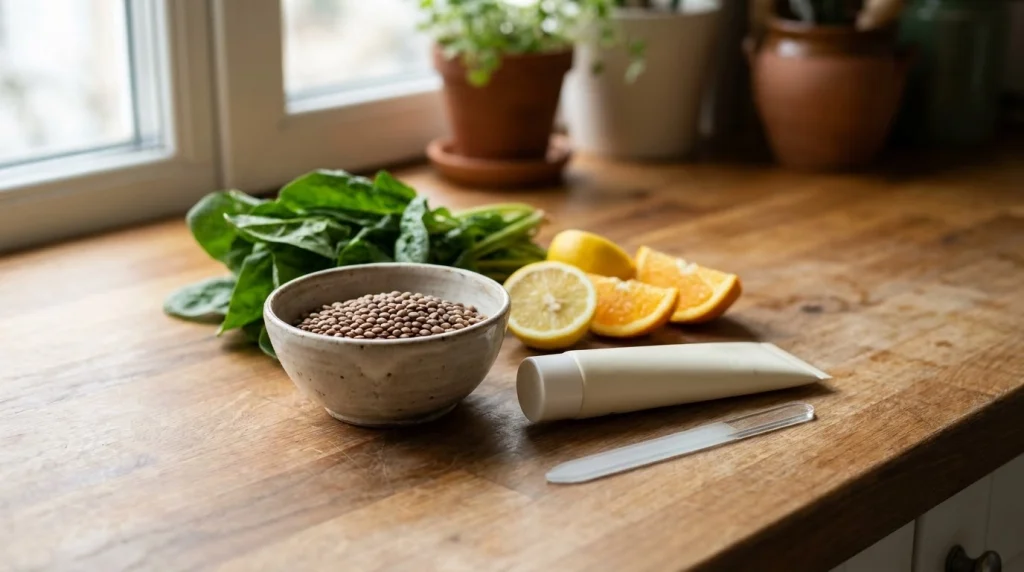
Once you’ve considered whether medical evaluation is needed, you can focus on gentle everyday nail care.
These habits protect the nail surface and surrounding skin. They do not treat anemia or other underlying causes of persistent nail-bed paleness.
Eat a Balanced, Nutrient-Rich Diet
Your body needs adequate protein, iron, vitamins, and other nutrients to support normal tissue function and nail growth.
Useful foods include:
- Beans, lentils, and chickpeas.
- Lean meat, poultry, and seafood, if included in your diet.
- Eggs and dairy products.
- Leafy vegetables and other varied produce.
- Fortified cereals and whole grains.
- Vitamin C-rich fruits and vegetables, which can help your body absorb non-heme iron from plant foods.
If you follow a vegan diet, pay particular attention to reliable sources of vitamin B12, such as fortified foods or appropriately selected supplements.
Dietary changes can support your overall nutrition, but they may not be enough to correct an established deficiency or ongoing blood loss.
Keep Your Nails and Cuticles Moisturized
Frequent handwashing, detergents, and dry environments can leave the nail plate and surrounding skin feeling rough.
Apply a fragrance-free moisturizer after washing your hands.
For particularly dry cuticles, a small amount of petroleum jelly or cuticle oil may help reduce moisture loss.
Consistent hydration supports comfortable, healthier-looking nails, but it won’t change a pale nail bed caused by anemia.
Our guide to weak nails and nail hydration explains how to manage dryness without overcomplicating your routine.
Protect Your Nails During Household Chores
Repeated exposure to water, cleaning solutions, and friction can weaken the nail plate.
Wear suitable gloves when washing dishes or using household cleaning products. Dry your hands thoroughly afterward.
Keep your nails at a manageable length and avoid using them to pry open containers.
Be Gentle With Manicure Products
Gel polish, acrylic extensions, and regular lacquer can hide changes in your natural nail appearance.
That doesn’t mean you need to avoid manicures altogether.
Instead, remove products properly, avoid unnecessary surface buffing, and examine your natural nails periodically.
If your nail plate is thin or brittle after removal, consider the advice in our article about manicure products and brittle nails.
Don’t use polish or extensions to conceal persistent, unexplained discoloration without getting it assessed.
Which Nail-Care Products Are Actually Helpful?
You don’t need an expensive collection of nail treatments to support basic nail care.
A few affordable products can help manage dryness, rough edges, and household exposure.
Affiliate disclosure: Some links below are Amazon affiliate search links. As an Amazon Associate, we earn from qualifying purchases.
Nail-Care Essential
Fragrance-Free Moisturizing Hand Cream
A gentle hand cream can help condition dry cuticles and skin surrounding your nails. Look for ingredients such as glycerin or petrolatum.
For moisturizing only; not a treatment for pale nail beds.
Nail-Care Essential
Jojoba Cuticle Oil
Cuticle oil can provide additional conditioning for dry nail folds and help improve the appearance of rough surrounding skin.
Useful for cosmetic conditioning, not correcting anemia.
Nail-Care Essential
Fine-Grit Glass Nail File
A fine-grit glass file lets you gently smooth snags and maintain shorter natural nails without aggressive shaping.
Find Glass Nail Files on Amazon
For gentle nail maintenance.
What Should You Do and Avoid When Your Nails Look Pale?
Do
- Compare nails in natural light.
- Notice changes from your normal color.
- Track associated symptoms.
- Eat a balanced diet.
- Seek medical advice for persistent changes.
Don’t
- Diagnose anemia by nail color alone.
- Take high-dose iron without advice.
- Ignore breathlessness or dizziness.
- Hide unexplained changes with polish.
- Assume every white mark means disease.
How Long Does It Take for Pale Nails to Return to Normal?
The answer depends entirely on the cause.
If your nail beds appear pale because your hands are cold, their usual color may return as circulation improves.
If anemia is responsible, improvement depends on identifying and treating the underlying problem.
Some people begin feeling better after treatment starts, but rebuilding iron stores and correcting anemia may take weeks or months.
Changes involving the nail plate itself can take longer to grow out. Fingernails generally require several months to replace much of the visible nail.
There’s no single timeline that applies to every pale nail.
Rather than expecting a cosmetic treatment to restore color, focus on identifying the cause when the change persists.
Frequently Asked Questions About Pale Nails
Q: Are pale nails always a sign of anemia?
A: No. Pale nail beds can occur with anemia, temporary circulation changes, and other factors. Some people naturally have light-looking nails. A blood test is needed to establish whether anemia is present.
Q: Can low iron make your nails look pale?
A: Yes. Iron-deficiency anemia can cause paleness and may be associated with brittle or spoon-shaped nails. However, pale nails alone cannot confirm low iron levels.
Q: Why are my nails pale but I feel completely healthy?
A: Your natural nail color, lighting, and temporary temperature changes may explain the appearance. Still, some medical conditions produce few early symptoms. Arrange an assessment if the change is new, unexplained, or persistent.
Q: Can dehydration make your nails look pale?
A: Dehydration may affect your general physical condition, but pale nail beds aren’t a reliable way to diagnose it. Dryness more commonly affects the texture of nails and surrounding skin. Persistent paleness deserves a broader evaluation.
Q: Should I take iron supplements if my nails are pale?
A: Not without appropriate medical guidance. Iron supplementation is useful when indicated, but unnecessary iron can cause side effects or harm. Your clinician can recommend testing and the right treatment.
Final Thoughts: Should You Worry About Pale Nails?
If you’ve been asking, “Why do nails look pale?” remember that appearance alone rarely gives you a complete answer.
Temporary circulation changes and natural variation can be harmless, while persistent paleness may indicate anemia or another condition that deserves attention.
Watch for changes, protect your natural nails, and seek medical advice when symptoms are unexplained or concerning.
Save this guide to your Pinterest nail-care board so you’ll know what to check the next time your nails look unusually pale.
Medical References
- American Academy of Dermatology: 12 Nail Changes a Dermatologist Should Examine.
- MedlinePlus: Nail Abnormalities.
- MedlinePlus: Paleness.
- Cleveland Clinic: Pallor (Paleness).
- MedlinePlus: Iron Deficiency Anemia.
Medical disclaimer: This article is for general educational purposes and is not a substitute for professional medical advice, diagnosis, or treatment. Consult a qualified healthcare professional about persistent or concerning nail changes.
Hi, I’m Jessica, the creator behind Unique Lash & Nails Katy.
I created this website for anyone who loves beautiful nails as much as I do. Here, I share trendy nail designs, seasonal manicure ideas, easy nail care tips, honest product recommendations, and step-by-step guides to help you create salon-worthy nails at home. Whether you’re looking for everyday inspiration or your next favorite nail trend, I hope you’ll find something you love.