How to Use Nail Oil or Cuticle Oil for Dry Nails: Tips
Quick Answer
To use nail oil or cuticle oil for dry nails, wash your hands, gently pat them dry, and apply a small drop of oil around each nail. Massage it into the cuticles, surrounding skin, and exposed nail surface for 20–30 seconds. Follow with hand cream to help retain moisture. Repeat daily, especially after handwashing and before bedtime.
If your cuticles feel rough, your nails look dull, or the skin around your fingertips keeps peeling, a little nail oil can make your daily routine more comfortable.
The trick isn’t using an expensive formula or soaking your fingers in oil. It’s applying the right amount, concentrating on the areas that need it, and protecting your hands from the things that cause dryness.
Here’s how to use nail oil or cuticle oil for dry nails, choose a suitable product, and build a routine that you can actually maintain.
Time Needed
2–3 minutes
Difficulty
Beginner
Items Needed
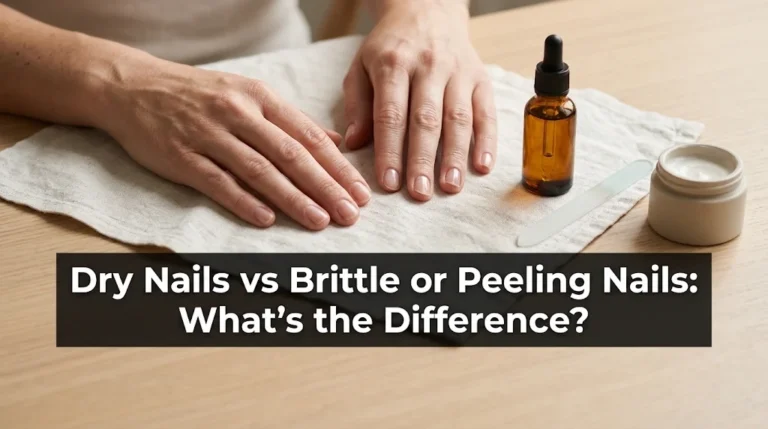
Oil, towel, hand cream
Results
Softness may improve after application


What Does Nail Oil Actually Do for Dry Nails?
Nail oil is a moisturizing product designed for the nail surface and the skin surrounding it. Cuticle oil serves essentially the same purpose, although some formulas focus more on the delicate skin at the base of your nails.
Your nail plate is made primarily of keratin, a tough structural protein. Unlike your skin, the visible nail plate doesn’t have living cells that can repair themselves after damage.
However, moisturizing products can help condition the nail surface, reduce the dry feeling around the nail folds, and support a more comfortable manicure routine.
Regular application may help you:
- Soften rough cuticles: Oil conditions the dry skin around your nails and makes it feel more flexible.
- Reduce surface dryness: A light oil layer helps limit moisture loss from the nail and surrounding skin.
- Make hangnails less likely: Keeping surrounding skin moisturized may reduce the dryness that contributes to torn skin.
- Improve nail appearance: Conditioned nails can look smoother and less dull.
- Support everyday nail care: Daily moisturizing encourages you to pay attention to dryness before it becomes uncomfortable.
One important distinction: cuticle oil isn’t a cure for every nail problem. It cannot permanently repair a split nail, reverse damage inside the nail plate, or treat a fungal infection.
What You’ll Need Before Applying Cuticle Oil
You don’t need a complicated manicure kit. Start with three basic items and keep the process gentle.
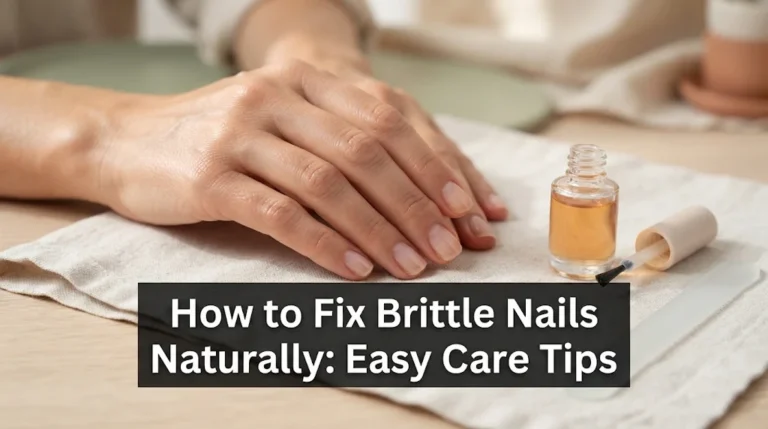
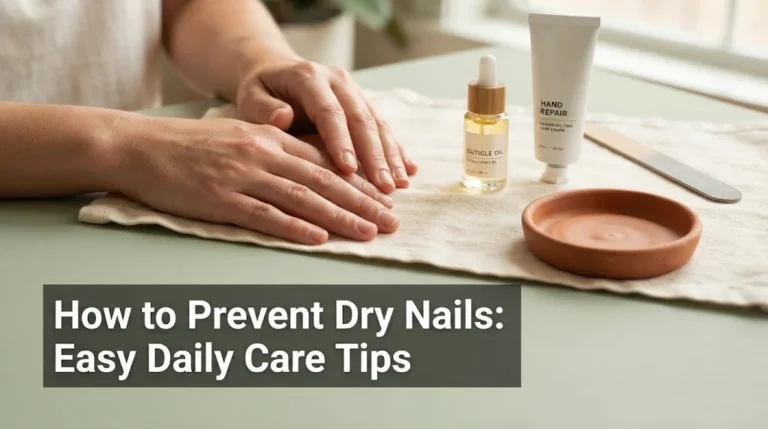
- Nail or cuticle oil: Choose a comfortable formula, preferably fragrance-free if you have sensitive skin.
- Clean towel: Use a soft towel to remove excess water after washing.
- Moisturizing hand cream: A cream containing glycerin, petrolatum, or ceramides can complement your oil.
- Optional cotton gloves: Lightweight gloves can help keep your moisturizer on your hands overnight.
- Optional nail brush: A soft brush can remove visible dirt, but avoid aggressive scrubbing around the cuticles.
A dropper bottle works well at home, while a brush-tip or pen-style oil can be convenient when you’re traveling.
How to Use Nail Oil or Cuticle Oil for Dry Nails: Step by Step
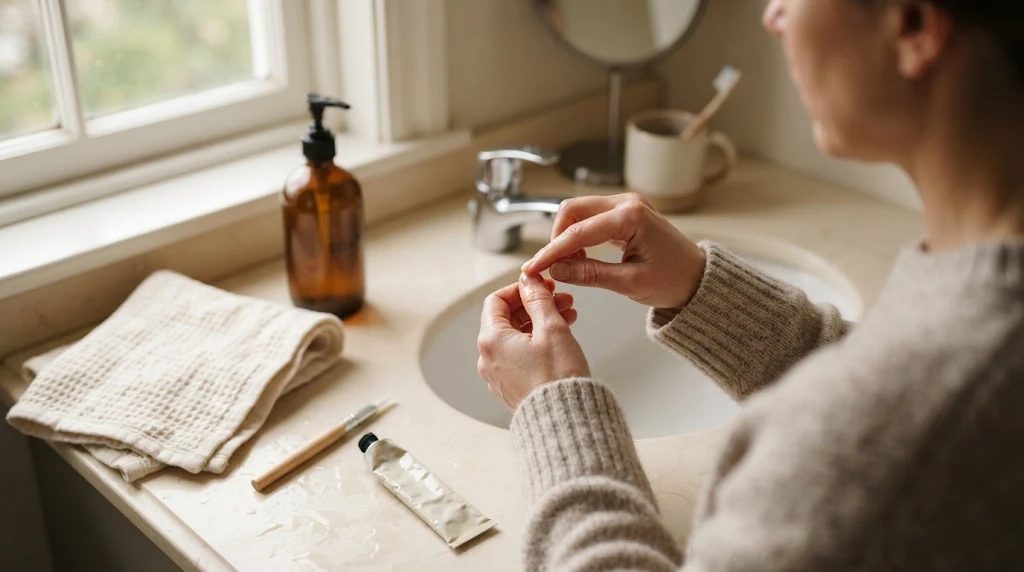
The following method works for a simple at-home nail-care routine. There’s no need to cut, scrape, or push back your cuticles before applying oil.
Step 1: Wash Your Hands Gently
Wash your hands using lukewarm water and a mild cleanser. Remove visible dirt from around your fingertips without scrubbing the nail folds aggressively.
Pat your hands dry with a soft towel. It’s fine if your skin is still slightly damp, but avoid applying oil to dripping-wet fingers.
Common mistake: Using very hot water or strong soap repeatedly. Both can make already-dry skin feel tighter and more uncomfortable.
Step 2: Apply a Small Amount of Oil
Place a tiny drop of cuticle oil along the base of each nail. A brush-tip applicator can make this easier because it lets you control exactly where the product goes.
Start with less than you think you need. You can always add another small amount if your cuticles still feel dry.
Common mistake: Flooding your fingertips with oil. Excess product doesn’t guarantee better results and can make your hands unnecessarily greasy.
Step 3: Massage Around Each Nail
Use the fingertip of your opposite hand to gently massage the oil around the base and sides of each nail for approximately 20–30 seconds.
Spread any remaining product over the exposed nail surface. Use light circular movements rather than forceful pressure.
Common mistake: Pushing, picking, or scraping the cuticles while massaging. The cuticle helps protect the nail area, so leave it intact.
Step 4: Apply Moisturizing Hand Cream
After the oil has been distributed, apply a small amount of fragrance-free hand cream over your fingertips and hands.
Oil and cream can complement each other. Many hand creams contain ingredients that attract water, while oils and protective ingredients can help slow moisture loss.
Common mistake: Depending only on cuticle oil when the entire hand is very dry. Your fingertips, knuckles, and palms may also need a moisturizing cream.
Step 5: Repeat Consistently
Apply your cuticle oil at least once daily as a practical starting routine. Bedtime is especially convenient because you’re less likely to wash the product away immediately.
If your hands become dry during the day, reapply a small amount as needed. After frequent handwashing, prioritize moisturizing your hands and cuticles again.
Common mistake: Applying oil once and expecting permanently hydrated nails. The moisturizing effect needs regular maintenance.
Pro Tip
Keep a small cuticle oil pen beside your hand cream rather than storing it with your occasional manicure supplies. Linking both products to a daily habit makes consistent use much easier.
Which Oil Is Best for Dry Nails and Cuticles?
The best oil is one that feels comfortable, doesn’t irritate your skin, and is easy enough to use regularly.
Several ingredients are common in nail-care products, but their textures and characteristics differ.
Jojoba Oil for a Lightweight Feel
Jojoba oil is actually a liquid wax with a lightweight texture. It spreads smoothly and can be a comfortable option if you dislike products that leave your fingertips feeling heavily coated.
Look for a simple jojoba-based cuticle oil if you want something that works well with a daytime routine.
Sweet Almond Oil for Dry Cuticles
Sweet almond oil is a common ingredient in cuticle conditioners. It provides a smooth, emollient feel that can help soften rough surrounding skin.
However, if you have an almond allergy or are uncertain about the product’s ingredients, choose an alternative and check the label carefully.
Vitamin E Oil for a Richer Formula
Vitamin E appears in many nail oils, often as tocopherol or tocopheryl acetate. It can be included alongside other conditioning ingredients.
Thick vitamin E products aren’t automatically more effective than lighter cuticle oils. Some formulas may cause contact irritation, so discontinue use if you notice itching or a rash.
Mineral Oil for Sensitive Nail Care
Plain mineral oil is an uncomplicated emollient commonly used in skin-care products. It helps slow moisture loss and can be useful when you prefer a fragrance-free option.
For extremely dry skin, a petrolatum-based ointment may provide stronger moisture protection than a light cosmetic oil.
How Often Should You Use Cuticle Oil?
For most people, once daily is a reasonable place to start. You can adjust based on how your skin feels, how frequently you wash your hands, and whether your nails are exposed to cleaning products.
Morning Routine
After washing your hands, apply moisturizer to your nails and surrounding skin. If your cuticles still feel rough, use a small amount of lightweight oil.
Give the product a moment to spread before handling paper, clothing, or your phone.
After Handwashing
Repeated washing can contribute to dry hands and cuticles. Reapplying hand cream after washing is especially useful because it helps replace moisture protection.
You don’t need a full oil massage every single time. A little moisturizer worked into the nail folds may be enough.
Before Bed
Bedtime is a convenient opportunity for a more thorough treatment. Massage a small amount of oil around your nails, then apply hand cream or a thin layer of petroleum jelly.
If your hands are particularly dry, consider wearing clean cotton gloves overnight, provided they feel comfortable and don’t irritate your skin.
How Long Does Cuticle Oil Take to Work?
You may notice that your cuticles feel softer and look less flaky immediately after applying oil. That’s the surface-conditioning effect of the product.
For persistent dryness, the longer-term picture depends on whether you also address the causes of moisture loss.
- Immediately: Nails may look shinier, and dry surrounding skin may feel smoother.
- Over several days: Regular moisturizing may help reduce tightness and visible flaking.
- Over several weeks: Better moisture habits and reduced exposure to irritants may help improve recurring dryness.
- Over months: Previously damaged nail sections gradually grow outward. Oil cannot instantly replace or repair those sections.
These are general expectations, not a guaranteed timeline. Persistent peeling, painful cracking, or ongoing nail changes deserve professional assessment.
Can You Use Cuticle Oil on Gel, Acrylic, or Press-On Nails?
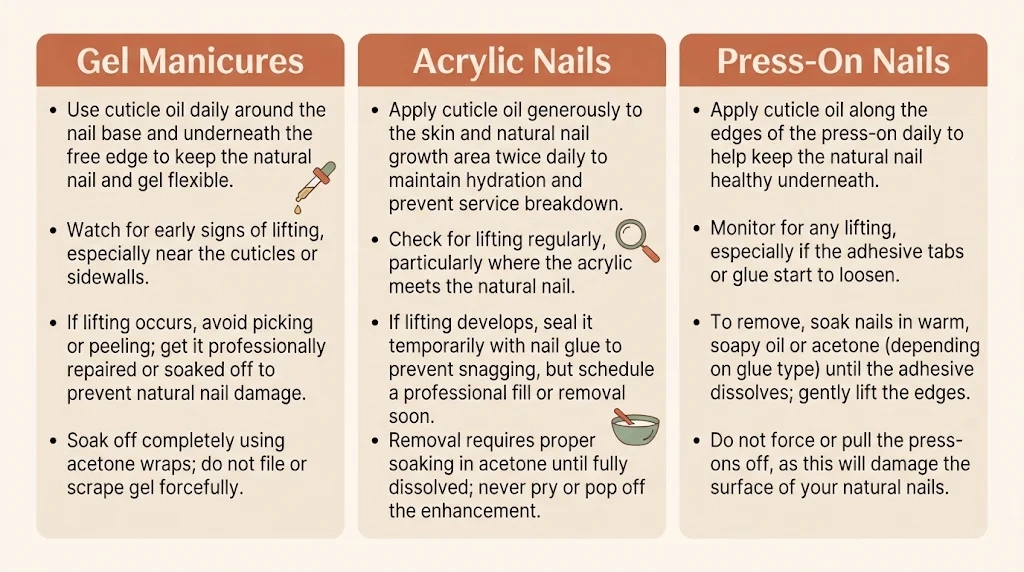
Yes, cuticle oil can often be used on the surrounding skin while you’re wearing nail enhancements. The important thing is to avoid treating it as a solution for damage caused by lifting or improper removal.
Gel Manicures
Apply oil around the nail folds and exposed skin. Regular moisturizing is useful because repeated manicure preparation and removal can contribute to dryness.
Don’t pick off lifting gel polish. Removing attached gel by force may damage the underlying nail surface.
Acrylic Nails
Use a small amount of oil around the skin at the base and sides of the acrylic. Keep your surrounding skin comfortable without saturating areas where product has begun lifting.
If an acrylic nail is lifting, painful, or trapping moisture, arrange professional assessment or removal rather than attempting to seal it with oil.
Press-On Nails
Applying a small amount of cuticle oil after the adhesive has fully set may help condition nearby skin. Always follow your press-on manufacturer’s application instructions.
Before applying a new press-on set, make sure your natural nails are clean and free of oily residue because oil can interfere with adhesion.
Common Mistakes That Make Dry Nails Worse
Even an excellent nail oil won’t fully compensate for habits that repeatedly stress your nails and skin.
Using Too Much Oil
A thick, slippery layer usually isn’t necessary. Apply enough to coat the target area lightly and massage away the excess.
Cutting Your Cuticles
Cuticles help protect the area where the nail emerges. Cutting or aggressively pushing them back can increase the risk of irritation and infection.
If you have an uncomfortable hangnail, avoid pulling it. Carefully clip only the loose piece of skin with clean, appropriate tools.
Ignoring Detergents and Cleaning Products
Frequent wet work, household cleaners, and repeated washing can contribute to brittle nails and dry skin.
Wear properly fitting protective gloves when washing dishes or handling cleaning products. This simple habit can be as important as applying oil.
Using Heavily Fragranced Products
Some fragranced nail products and essential oils may irritate sensitive skin. If your cuticles become red, itchy, or uncomfortable after application, stop using the product.
A fragrance-free formula with a short ingredient list is often a sensible starting point.
Cuticle Oil Do’s and Don’ts
Do
- Apply oil regularly.
- Use gentle massage.
- Moisturize after washing.
- Choose comfortable formulas.
- Wear gloves for wet chores.
- Keep damaged nails short.
Don’t
- Cut living cuticle tissue.
- Pick at peeling nails.
- Ignore itching or redness.
- Use excessive pressure.
- Expose hands to harsh cleaners unprotected.
- Expect oil to cure infection.
What If Your Nails Stay Dry After Using Cuticle Oil?
If your nails aren’t improving, consider whether the product, application routine, or underlying problem needs attention.
Problem: Cuticles Still Feel Rough
Apply fragrance-free hand cream after washing and use oil daily. For extra protection at night, try a small amount of petroleum jelly. Reduce unnecessary exposure to hot water and detergents.
Problem: Nails Keep Peeling
Keep your nails relatively short, file snags gently, and avoid picking at the layers. Reduce repeated wetting, drying, and harsh manicure removal. Seek evaluation if peeling persists.
Problem: Oil Makes Your Fingers Itchy
Stop using the product and wash it off gently. Check for fragrance, botanical extracts, or other possible irritants. If symptoms persist or become significant, consult a healthcare professional.
Problem: Skin Around the Nail Is Swollen
Don’t massage oil into painful, swollen, or possibly infected tissue. Redness, warmth, throbbing pain, or pus may indicate an infection that needs medical attention.
When to Seek Professional Help
If you develop severe pain, spreading redness, pus, unexplained dark nail discoloration, nail lifting, or changes that don’t improve, consult a healthcare professional. Cuticle oil is cosmetic care, not a substitute for medical treatment.
Helpful Products for a Simple Nail Oil Routine
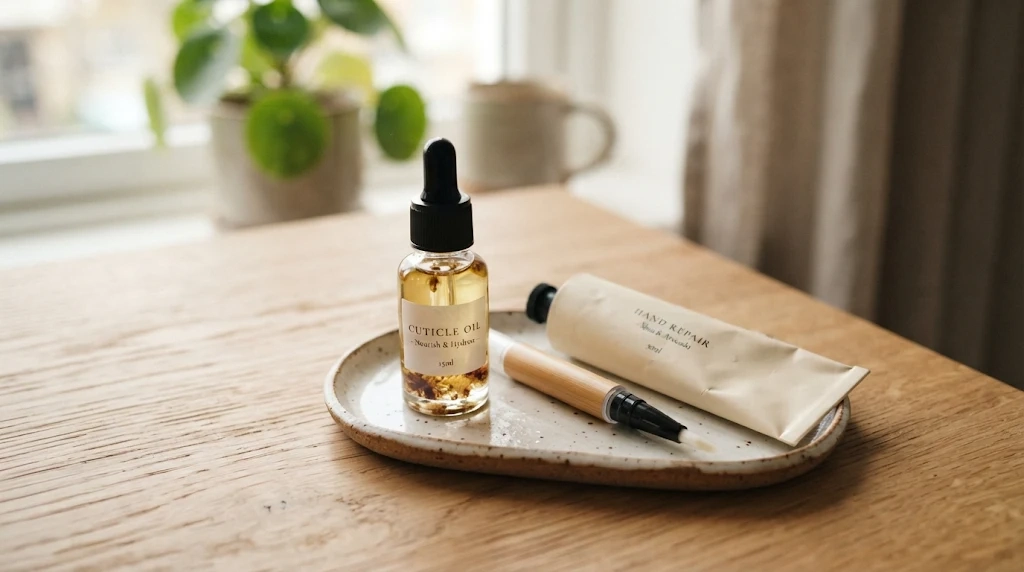
You don’t need to purchase an entire manicure collection. Choose products based on how dry your nails feel and whether you prefer a lightweight or richer texture.
1. Jojoba-Based Cuticle Oil
A jojoba-based formula is a practical choice when you want a lightweight product for regular use. Look for a brush or dropper that makes application easy.
Browse jojoba cuticle oils on Amazon.
2. Fragrance-Free Nail and Cuticle Oil
If your skin is sensitive, prioritize an uncomplicated formula without added perfume. Read the ingredient label and consider testing a small area before regular use.
Browse fragrance-free cuticle oils on Amazon.
3. Portable Cuticle Oil Pen
A pen-style applicator can make it easier to moisturize dry cuticles when you’re away from home. It also helps you avoid dispensing more oil than you need.
Browse cuticle oil pens on Amazon.
4. Fragrance-Free Hand Cream
Hand cream is an important companion to nail oil, particularly if your entire hand becomes dry after washing. Look for glycerin, ceramides, or protective moisturizing ingredients.
Browse moisturizing hand creams on Amazon.
Recommended Product Type
Jojoba Cuticle Oil with Brush Applicator
A lightweight jojoba-based cuticle oil with a convenient brush can make daily nail care easier without requiring a complicated routine.
As an Amazon Associate, we earn from qualifying purchases.
Frequently Asked Questions About Nail Oil and Cuticle Oil
Q: Should I apply cuticle oil before or after hand cream?
A: Either order can work, depending on the formulas. For a simple routine, massage a little cuticle oil around your nails and follow with hand cream. The important thing is using both consistently when your skin needs them.
Q: Can I use cuticle oil every day?
A: Yes. Daily use is generally appropriate if the product doesn’t irritate your skin. Start with one application per day and adjust according to how dry your cuticles feel.
Q: Does cuticle oil make nails grow faster?
A: There’s no reliable evidence that ordinary cuticle oil significantly speeds up nail growth. It helps condition the nail area, while reducing dryness and breakage may make it easier to maintain length.
Q: Can I use olive oil instead of cuticle oil?
A: Olive oil can act as an emollient, but a purpose-made, fragrance-free cuticle oil may feel less greasy. If you use a plain household oil, make sure it’s suitable for your skin and stop if irritation develops.
Q: Is nail oil the same as cuticle oil?
A: They are often very similar. Both typically contain conditioning oils intended for the nail surface and surrounding skin. The ingredient list and product texture matter more than the name on the bottle.
Final Thoughts: Make Cuticle Oil Part of Your Daily Routine
Learning how to use nail oil or cuticle oil for dry nails is simple: apply a small amount, massage gently, moisturize your hands, and repeat regularly.
For the best everyday results, combine your moisturizing routine with protective habits such as wearing gloves during cleaning and avoiding aggressive cuticle removal.
Save this guide to your Pinterest nail-care board so you can return to these easy steps whenever your nails or cuticles start feeling dry.

Hi, I’m Jessica, the creator behind Unique Lash & Nails Katy.
I created this website for anyone who loves beautiful nails as much as I do. Here, I share trendy nail designs, seasonal manicure ideas, easy nail care tips, honest product recommendations, and step-by-step guides to help you create salon-worthy nails at home. Whether you’re looking for everyday inspiration or your next favorite nail trend, I hope you’ll find something you love.