What Is the Lunula? Your Nail Half-Moon Explained
Quick Answer
The lunula is the pale, crescent-shaped area near the base of some fingernails. Its name means “little moon,” and it represents the visible portion of the nail matrix, where nail cells are produced. A lunula may be prominent, faint, or completely hidden by surrounding skin. Not seeing one is usually normal.
Look closely at your thumbnails. See that soft white half-moon near the cuticle? That’s your lunula, one of the most recognizable features of nail anatomy. You might see it on every finger, only your thumbs, or not at all. Here’s what this tiny shape actually does, why it varies, and which changes deserve a closer look.


Where Is the Lunula Located?
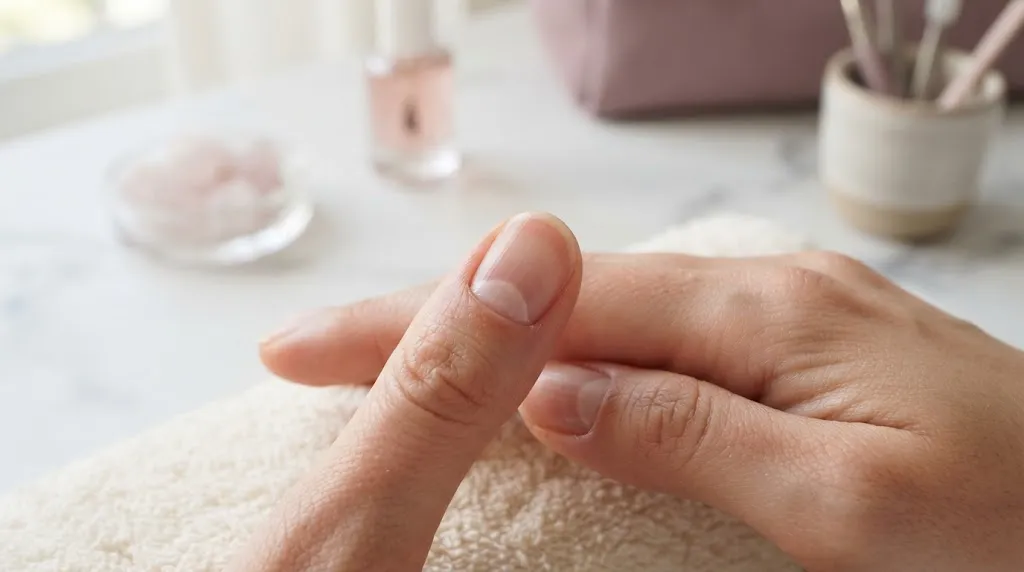
The lunula sits at the proximal end of your nail, just beyond the skin fold at the base. It’s part of the nail matrix, the tissue responsible for generating the cells that become your nail plate. Most of the matrix is tucked beneath the proximal nail fold, so you can’t see it directly. The lunula is the portion that sometimes shows through.
Your thumbnail often has the most noticeable lunula because the shape and visibility of the matrix vary by finger. Smaller fingernails may show only a thin pale arc, while the little finger may show none.
Why Is the Lunula White?
Your nail plate is partly translucent, which is why the pink color of the nail bed shows through most of your nail. Near the base, the structure and optical properties of the newly formed nail plate and underlying matrix scatter light differently. That makes the lunula appear milky white instead of pink.
It’s not a pocket of air, a painted-on mark, or a sign that your nail lacks blood circulation. Its color reflects the anatomy beneath the nail plate. The curved edge is the visible boundary between this pale region and the pinker nail bed beyond it.
What Does the Lunula Actually Do?
The lunula itself isn’t a separate organ with a special task. Rather, it is a visible landmark of the nail-producing matrix. Matrix cells multiply, mature, and become tightly packed keratinized cells that form the hard nail plate. As new cells form, they push the existing plate forward.
This is why damage near the nail base can matter more than a small chip at the free edge. An injury affecting the matrix may change how the nail grows, sometimes leaving ridges, splits, or lasting deformity.
Is the Lunula the Same as the Cuticle?
No. The lunula is visible through the nail plate, while the cuticle is a thin layer of dead tissue attached to the nail plate near its base. The proximal nail fold is the living skin just behind that area. Together, these structures help protect the vulnerable region where new nail forms.
When you push back or trim cuticles during a manicure, you aren’t working directly on the lunula. Still, aggressive scraping or cutting near the base can injure protective tissue and potentially the matrix underneath.
Is It Normal Not to Have Visible Lunulas?
Yes. Some healthy people have obvious half-moons on several fingers; others have barely visible ones. Your skin tone, nail thickness, finger anatomy, and how much of the matrix is covered by the proximal nail fold all affect what you can see.
If your lunulas have always been difficult to spot and your nails otherwise look and feel normal, their absence alone generally isn’t a reason for concern. You don’t need to force the skin back to search for them.
Pro Tip
Compare your nails with your own previous appearance, not a picture online. A long-standing pattern is usually more informative than whether your lunulas match someone else’s.
Why Are Some Lunulas Bigger Than Others?
A large-looking lunula can simply reflect the position and size of the matrix and how much is exposed. It’s common for thumbnails to display wider half-moons than other fingers. One hand may also differ slightly from the other.
There is no universally ideal lunula size that proves your nails are healthy. A bigger white crescent doesn’t automatically mean faster nail growth, better nutrition, or stronger nails. Similarly, a small one isn’t proof of a vitamin deficiency.
Can Your Lunula Change Over Time?
Yes. Changes in nail growth, injury, inflammation, or the position of surrounding skin can alter how the lunula looks. Sometimes a difference becomes noticeable only because you’ve removed opaque polish or started paying closer attention.
One isolated change doesn’t identify a specific illness. However, a new change affecting several nails, especially alongside other symptoms, is worth discussing with a healthcare professional.
When a Color Change Matters
A typical lunula is pale or whitish. Unusual red, blue, or other discoloration can have several explanations, including lighting, staining, injury, and sometimes medical conditions. The appearance alone can’t establish the cause.
Seek medical evaluation for persistent, unexplained changes, particularly when several nails are involved. If your fingers or lips suddenly turn blue and you also have trouble breathing, chest pain, or severe dizziness, seek emergency care.
Warning
Don’t diagnose anemia, heart disease, or a vitamin deficiency from the size or visibility of your lunula. Social media nail charts often assign specific diseases to half-moon shapes without reliable evidence.
What Nail Changes Should You Watch For?
Instead of monitoring lunula size alone, pay attention to the overall condition of your nails and the surrounding skin. These signs are more useful reasons to seek an assessment:
- New dark streaks: Especially a brown or black band that develops or changes without an obvious cause.
- Persistent pain or swelling: Redness, warmth, tenderness, or drainage near the nail base may indicate infection or inflammation.
- Sudden distortion: New deep grooves, splitting from the base, or changes in how a nail grows.
- Unexplained separation: The nail plate lifting away from the nail bed.
- Widespread color changes: Several nails changing appearance alongside fatigue, breathlessness, or other symptoms.
A dermatologist can examine the nail unit and determine whether testing or treatment is appropriate. Changes after a recent manicure or injury can also deserve attention if they persist or worsen.
How Can You Protect the Lunula and Nail Matrix?
You can’t make a hidden lunula appear with a serum, but you can protect the tissue responsible for growing your nails. The most effective habits are gentle and consistent.
Keep the Nail Base Clean Without Digging
Wash your hands with mild soap, rinse thoroughly, and dry around the nail folds. Avoid sliding sharp tools beneath the proximal nail fold to expose the white crescent. That skin provides a protective barrier against irritation and infection.
Moisturize the Surrounding Skin
Massage a small amount of plain hand cream or cuticle oil into the skin around your nails after washing. A fragrance-free moisturizer is a good choice if your skin reacts easily. Hydration helps reduce dry, cracked skin, though it won’t enlarge your lunula or change your nail matrix anatomy.
If you prefer an easy daily routine, a fragrance-free cuticle oil can make moisturizing convenient. A basic fragrance-free hand cream works well too.
Be Gentle With Manicures
Don’t cut deeply into living skin or scrape the nail base to create a larger-looking half-moon. If you use gel polish, avoid peeling it off. Follow the product’s removal instructions or ask a trained nail professional for help.
When filing, focus on shaping the free edge rather than thinning the surface near the lunula. A fine-grit glass nail file can help you shape natural nails with controlled pressure.
Protect Your Hands From Repeated Irritation
Wear suitable gloves for prolonged cleaning or dishwashing, particularly when using detergents. Repeated wetting and drying can irritate nail folds and make nails more prone to splitting. Choose gloves that fit comfortably and dry them between uses.
Can Nail Polish Hide Your Lunula?
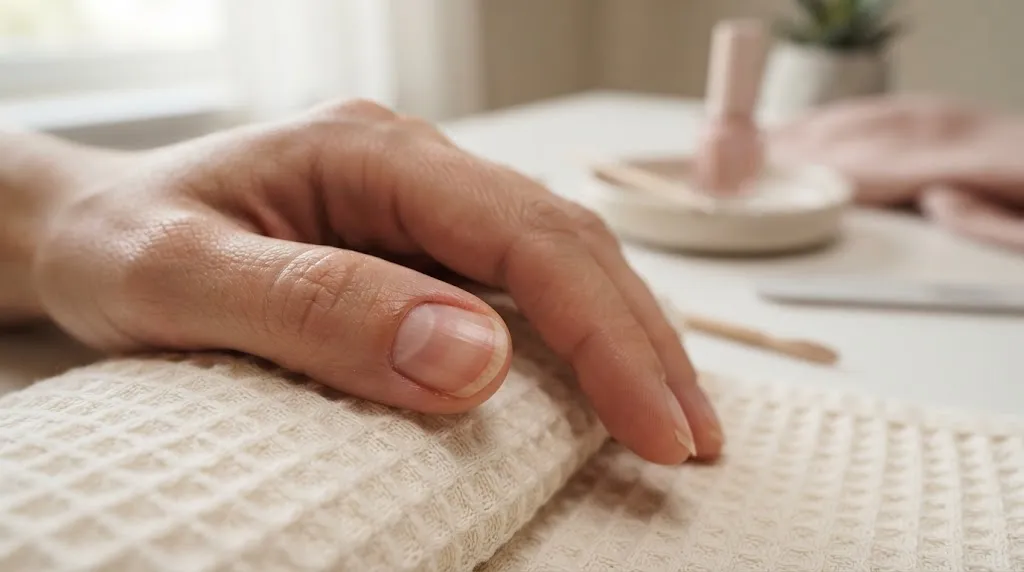
Absolutely. Opaque polish, gel color, acrylic overlays, and press-on nails can cover the lunula completely. After removing your manicure, you may notice the half-moon again. This doesn’t mean it disappeared or returned; it was simply hidden beneath the cosmetic layer.
Sheer nude and translucent pink manicures may leave it visible. A reverse French manicure or half-moon design can also emphasize the shape. Those styles are cosmetic choices, not indicators of nail health.
Does the Lunula Tell You How Fast Your Nails Grow?
Not reliably. The matrix creates the nail plate, but the visible size of the lunula isn’t a practical growth-rate meter. Fingernails typically grow around 3 millimeters per month on average, although growth varies with age, finger, health, and other factors.
If you want to observe growth, photograph a small natural feature on your nail at the same angle every couple of weeks. Avoid marking or scraping the nail near the matrix. Keep in mind that complete fingernail replacement generally takes several months.
Common Myths About the Lunula
Myth: Every Healthy Nail Must Have a White Half-Moon
False. Many healthy nails have no visible lunula because the relevant part of the matrix is concealed. Visibility is not a pass-or-fail health test.
Myth: A Bigger Lunula Means Better Health
There’s no dependable rule connecting larger lunulas with better general health. Size differs naturally between people and fingers.
Myth: Missing Lunulas Always Mean Vitamin Deficiency
No. Nutritional deficiencies can affect nail health in some circumstances, but an invisible lunula alone doesn’t diagnose a deficiency. If you have persistent fatigue, brittle nails, or other concerning symptoms, a clinician can assess the full picture.
Myth: You Can Grow Your Lunula With Cuticle Products
Moisturizers can improve dry skin around the nail, but they don’t reliably change the anatomical size of the visible matrix. Be skeptical of products promising to restore half-moons as proof of improved health.
Frequently Asked Questions About the Lunula
Q: What is the lunula on a fingernail?
A: It’s the pale half-moon near the base of some nails. It marks the visible portion of the nail matrix, where the cells that form your nail plate are produced.
Q: Why can I only see lunulas on my thumbs?
A: Thumbnails often have the most visible lunulas. On smaller fingers, the matrix may be covered by the skin fold. This is a common normal variation.
Q: Is it bad if my lunula disappears?
A: Not necessarily. Visibility can vary. If the change is new, persistent, or accompanied by pain, nail distortion, or other symptoms, ask a healthcare professional to evaluate it.
Q: Can the lunula be damaged during a manicure?
A: Aggressive tools or trauma near the nail base can injure the underlying matrix or surrounding protective skin. Gentle manicure techniques reduce that risk.
Q: Do toenails have lunulas too?
A: Yes, toenails have a matrix and may show a lunula, particularly on the big toe. The half-moon is often less noticeable on smaller toes.
The Bottom Line
The lunula is a normal visible part of your nail’s growth anatomy, not a scorecard for your health. Whether yours are bright white, faint, or hidden, focus on protecting the nail base and watching for meaningful changes. Save this guide to your Pinterest nail-care board for a quick anatomy refresher.

Hi, I’m Jessica, the creator behind Unique Lash & Nails Katy.
I created this website for anyone who loves beautiful nails as much as I do. Here, I share trendy nail designs, seasonal manicure ideas, easy nail care tips, honest product recommendations, and step-by-step guides to help you create salon-worthy nails at home. Whether you’re looking for everyday inspiration or your next favorite nail trend, I hope you’ll find something you love.