What Is the Nail Root? Location, Function & Care
Quick Answer
The nail root is the hidden, proximal part of your nail, tucked beneath the skin at the base of your finger or toe. It is closely associated with the nail matrix, the living tissue that produces new nail cells. As these cells mature, they form the hard nail plate you see. Protecting this area helps support healthy nail growth.
Have you ever wondered where your nails actually begin growing? Surprisingly, the visible nail isn’t where most new nail cells are made. That process happens beneath the skin near the base of your nail.
Understanding what the nail root is helps you make better decisions about manicures, cuticle care, nail injuries, and everyday nail health. Here’s how this hidden structure works and why it deserves your attention.


Where Is the Nail Root Located?
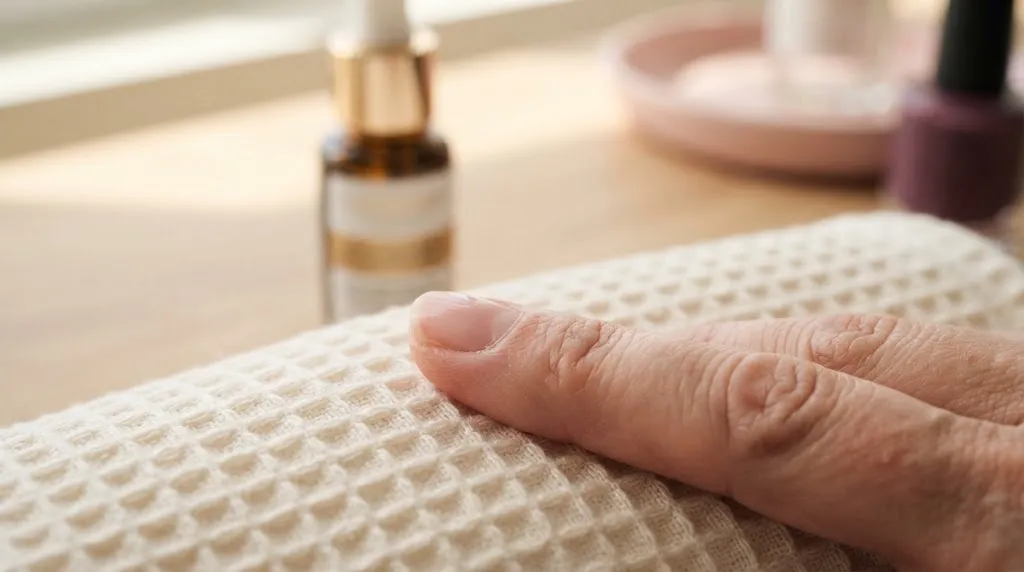
Your nail root sits underneath the skin at the base of your nail, beneath the proximal nail fold. Unlike the free edge of your nail, you can’t normally see the root simply by looking at your fingertip.
To understand its position, look at the area where your nail plate disappears beneath the skin near your knuckle. The root is hidden under that fold of skin.
The surrounding anatomy includes several important structures:
- Nail root: The hidden proximal portion of the nail plate, located beneath the proximal nail fold.
- Nail matrix: The specialized tissue responsible for producing most of the nail plate.
- Proximal nail fold: The skin fold covering and protecting the base of the nail.
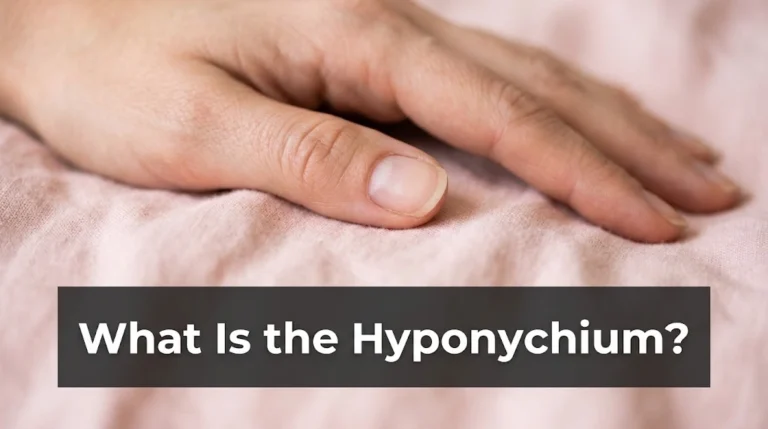
- Cuticle: A thin layer of dead tissue that adheres to the nail plate and helps seal the space beneath the proximal nail fold.
- Lunula: The pale, crescent-shaped area sometimes visible near the nail base, representing part of the underlying matrix region.
These structures work together, but they aren’t interchangeable. The nail root describes a hidden portion of the nail, while the matrix is the tissue responsible for producing new nail cells.
What Does the Nail Root Do?
The nail root is part of the growing nail structure. Its position within the protective skin fold places it close to the nail matrix, where new nail material is produced.
When people describe the nail root as the place where nails grow, they’re usually referring to the root and matrix region together.
1. It Connects to the Nail’s Growth Region
Most nail plate production happens in the matrix beneath the proximal nail fold. Matrix cells divide, mature, and become compacted into the tough keratinized structure that forms your nail.
As new cells are produced, older nail material moves forward. That’s why your nails grow outward from the base rather than lengthening at their tips.
2. It Helps Explain the Direction of Nail Growth
Your nail plate moves forward over the nail bed as new material is produced behind it. The root is the portion still hidden beneath the skin.
This is also why damage near the nail base can have different consequences from a small chip at the free edge.
3. It Is Protected by Surrounding Skin
The proximal nail fold helps shield the delicate structures beneath it. The cuticle contributes to a protective seal between the nail plate and surrounding skin.
When you aggressively cut, scrape, or tear this area, you can disrupt that protection and create an opening for irritation or infection.
Nail Anatomy Tip
Your visible nail plate is made of tightly packed, dead keratinized cells. The living matrix underneath the skin produces new nail material. That’s why trimming the free edge doesn’t hurt, but injuring the tissue beneath the nail base can be painful.
How Does the Nail Root Relate to Nail Growth?
Your nails grow through a continuous biological process. The matrix makes new cells, and the developing nail plate moves outward from beneath the proximal nail fold.
Here’s what happens:
- Cell production: Specialized cells in the nail matrix divide to create new nail material.
- Keratinization: As cells mature, they become flattened and filled with structural proteins, including keratin.
- Nail plate formation: The compacted cells form the hard nail plate.
- Forward movement: Continued production pushes the nail plate outward across the nail bed.
- Free-edge formation: Eventually, the nail extends beyond your fingertip and can be trimmed.
How Fast Do Fingernails Grow?
Healthy adult fingernails typically grow around 3 millimeters per month, although growth varies between people and even between fingers.
Toenails generally grow more slowly, often around 1 to 1.5 millimeters per month.
Your growth rate can be influenced by age, general health, circulation, nutrition, illness, and injury.
A fingernail commonly takes approximately four to six months to replace itself completely. A toenail may take 12 to 18 months or longer.
These timelines matter if you’ve injured the nail base. Even when the underlying tissue recovers, a visible ridge or irregularity may take months to move toward the tip.
Is the Nail Root the Same as the Nail Matrix?
No. Although the terms are sometimes used loosely, the nail root and nail matrix describe different structures.
The nail root is the proximal part of the nail plate hidden beneath the skin. The nail matrix is the specialized tissue responsible for creating new nail plate cells.
Think of the matrix as the production site and the nail root as part of the nail structure emerging from that region.
| Feature | Nail Root | Nail Matrix |
|---|---|---|
| What it is | Hidden proximal nail plate | Nail-producing tissue |
| Location | Under the proximal nail fold | Beneath and near the nail base |
| Main role | Part of the developing nail plate | Produces nail cells |
| Visibility | Normally hidden | Mostly hidden; part may be visible as the lunula |
This distinction becomes especially important when discussing nail injuries. Damage to the matrix can interfere with the production of new nail material, potentially affecting how your nails grow afterward.
What Happens if the Nail Root Is Damaged?
Damage near the nail root can range from temporary irritation to an injury involving the matrix or surrounding tissues.
A minor injury may heal without affecting future nail growth. More serious injuries involving the matrix can cause lasting changes in nail shape, thickness, or surface texture.
Common Causes of Damage Near the Nail Root
- Crushing injuries: Closing a finger in a door or dropping a heavy object on a toe can damage tissues beneath the nail.
- Aggressive manicure techniques: Excessive filing, cutting, or scraping near the proximal nail fold can injure delicate skin and underlying structures.
- Repeated picking: Pulling at the cuticle or surrounding skin can create inflammation and repeated trauma.
- Inflammation or infection: Conditions affecting the nail folds may disrupt normal nail growth.
- Certain skin conditions: Psoriasis, eczema, and other inflammatory disorders can affect the nail unit.
Signs That the Nail Growth Area May Be Injured
Pay attention to changes that begin near the base of your nail, especially after an injury.
- New grooves or ridges that develop across the nail.
- Unusual nail splitting or distortion.
- Swelling, redness, or tenderness around the proximal nail fold.
- A nail that stops growing normally.
- Repeated changes in the shape of new nail growth.
- Separation of the nail plate following significant trauma.
These signs don’t automatically mean the root or matrix is permanently damaged. Nail changes can have several causes, and an examination may be needed to identify the problem.
Warning
Seek medical care promptly for severe nail injuries, deep cuts near the nail base, intense throbbing pain, or a nail partly torn away. Increasing redness, warmth, swelling, pus, or fever can indicate infection. Don’t try to lift the nail or explore the hidden root yourself.
Can a Damaged Nail Root Grow Back?
Recovery depends on which structures were injured and how severe the damage was.
If the surrounding skin is mildly irritated but the matrix remains healthy, your nail may continue growing normally once the irritation resolves.
If the matrix is temporarily affected, you might see a ridge or groove that gradually travels toward the free edge as your nail grows.
However, significant matrix scarring can permanently alter nail production. In some cases, the nail may grow with a persistent split, ridge, or deformity.
Because the root and matrix are hidden beneath the skin, you can’t reliably judge the severity of an injury by looking at the visible nail alone.
If your nail becomes distorted after an injury, a dermatologist or appropriately qualified healthcare professional can assess whether the matrix may be involved.
How Can You Protect Your Nail Root?
You don’t need an elaborate nail-care routine to protect the root area. The most important habits involve preventing trauma, maintaining healthy surrounding skin, and using gentle manicure techniques.
1. Be Gentle With Your Cuticles
Your cuticle helps seal the space between your nail plate and proximal nail fold. Cutting away healthy cuticle tissue can compromise that protective barrier.
Instead of aggressively trimming the area, moisturize the surrounding skin and leave the protective seal intact.
If you have a loose hangnail, carefully trim only the detached piece with clean nail scissors or clippers. Avoid pulling it because tearing can extend into healthy skin.
2. Moisturize the Nail Folds Daily
Dry skin around your nails is more likely to crack or develop uncomfortable hangnails.
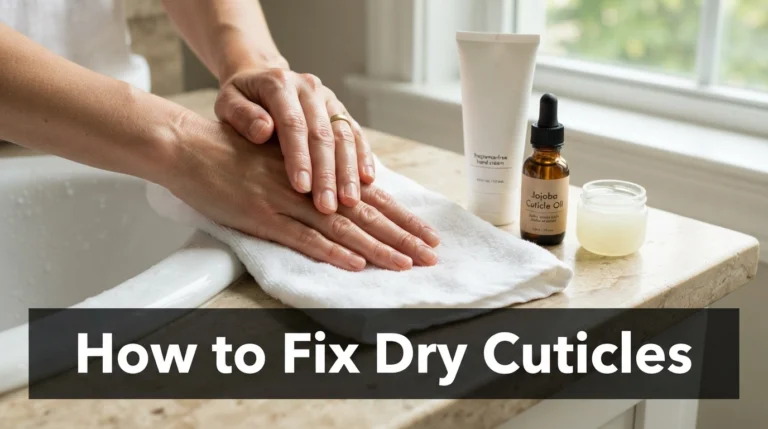
Massage a small amount of fragrance-free hand cream or cuticle oil around the nail folds after washing your hands and before bed.
Products containing glycerin, petrolatum, or jojoba oil can help maintain skin moisture. They don’t directly accelerate matrix cell production, but they can improve the condition of the surrounding skin.
Pro Tip
Keep a small tube of fragrance-free hand cream beside your sink. Applying it after handwashing makes moisturizing more consistent and helps protect skin that frequently encounters soap and water.
3. Avoid Excessive Pressure During Manicures
The skin near the nail base is delicate. Aggressive cuticle pushing, rough scraping, and electric-file pressure can injure the proximal nail fold.
When visiting a nail salon, ask your technician to avoid cutting living cuticle tissue or using excessive pressure near the base of your nail.
If a manicure technique causes pain, burning, or bleeding, stop the procedure rather than assuming discomfort is normal.
4. Protect Your Hands During Household Tasks
Frequent exposure to detergents, cleaning chemicals, and prolonged moisture can irritate the skin around your nails.
Wear appropriately fitted protective gloves when washing dishes or using household cleaners. Dry your hands thoroughly afterward and moisturize the surrounding skin.
This reduces irritation around the nail folds and helps preserve their protective function.
5. Support Nail Growth With Balanced Nutrition
The matrix needs adequate nutrients to produce healthy nail material. Protein, iron, zinc, and other essential nutrients contribute to normal tissue function.
A varied diet containing protein-rich foods, vegetables, fruits, whole grains, and healthy fats supports overall health, including your nails.
Supplements aren’t automatically necessary. If you notice persistent nail changes alongside fatigue, hair loss, or other symptoms, ask a healthcare professional whether testing for a nutritional deficiency is appropriate.
Does Cuticle Oil Help the Nail Root?
Cuticle oil can support the skin surrounding the nail root, but it doesn’t directly stimulate the matrix to grow nails faster.
Its main benefit is moisturizing the nail folds and reducing dryness that can contribute to cracking and picking.
For everyday maintenance, a simple jojoba-based oil or fragrance-free moisturizer is usually enough.
Optional Nail-Care Product
Jojoba Cuticle Oil for Daily Moisturizing
A simple cuticle oil can soften dry skin around the nail folds and make daily nail care easier without aggressive trimming.
As an Amazon Associate, we earn from qualifying purchases.
What Should You Avoid Doing Near the Nail Root?
Some popular nail-care habits can cause unnecessary irritation around the root and matrix region.
Do
- Moisturize your nail folds regularly.
- Use clean manicure tools.
- Protect your hands from harsh cleaners.
- Keep your nails at a manageable length.
- Get persistent nail changes evaluated.
Don’t
- Cut away healthy cuticle tissue.
- Dig underneath the proximal nail fold.
- Ignore pain during manicures.
- Pull or tear hangnails.
- Attempt to remove an injured nail yourself.
Can Gel Nails or Acrylics Damage the Nail Root?
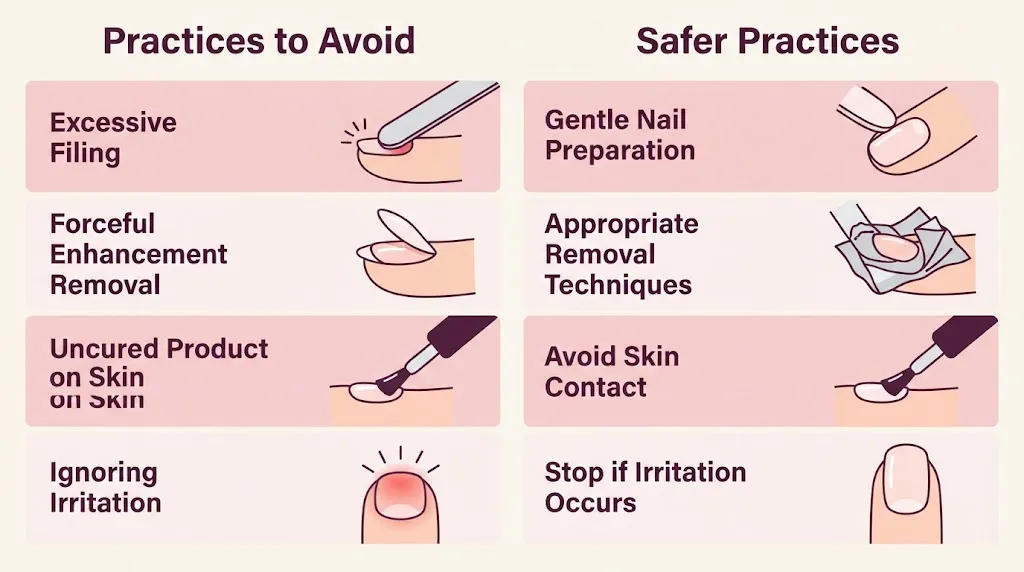
Gel polish and acrylic enhancements don’t automatically damage the nail root. However, improper application, aggressive preparation, and forceful removal can injure the nail unit.
For example, excessive filing near the proximal nail fold can damage the nail plate or surrounding tissue. Pulling off enhancements can strip layers from the natural nail and sometimes cause painful separation.
Repeated irritation or allergic reactions to nail products may also cause inflammation around the nail folds.
To reduce these risks, avoid contact between uncured nail products and your skin, follow product curing instructions, and have enhancements removed using appropriate techniques.
If your skin becomes itchy, swollen, blistered, or persistently irritated after a manicure, discontinue the suspected product and seek professional advice.
Why Does Nail Root Health Matter for Nail Appearance?
The appearance of your nail plate reflects several factors, including how the matrix produces cells, how the nail grows over its bed, and what happens to the plate after it emerges.
Changes involving the matrix can sometimes produce visible patterns in the growing nail.
Horizontal Grooves
Deep horizontal grooves, sometimes called Beau’s lines, can appear when nail production temporarily slows or stops. Possible triggers include significant illness, injury, and certain medical conditions.
As growth resumes, the groove gradually moves toward the nail tip.
Longitudinal Ridges
Vertical ridges are common, particularly with aging, and aren’t necessarily evidence of root damage.
However, a new, pronounced ridge affecting one nail may deserve evaluation, especially when accompanied by splitting, pain, or other changes.
Nail Splitting
Splitting can result from dryness, repeated wetting and drying, trauma, or problems involving nail formation.
A persistent split that repeatedly develops from the same point near the nail base may suggest an underlying matrix problem.
Changes in Nail Thickness or Shape
Thickening, thinning, unusual curvature, and irregular growth can have many causes. These include injury, inflammatory skin conditions, infections, and other medical issues.
Rather than assuming every change is caused by a damaged nail root, consider whether it is new, persistent, painful, or affecting multiple nails.
When Should You See a Dermatologist?
Most minor nail concerns don’t require emergency treatment. However, certain symptoms should be evaluated because they may indicate an injury, infection, or another nail disorder.
Arrange medical evaluation if you notice:
- A nail that repeatedly splits from its base.
- Persistent swelling or tenderness around the proximal nail fold.
- New nail deformity following an injury.
- Progressive nail separation or unusual thickening.
- A new or changing dark streak, especially if pigment extends onto surrounding skin.
- A nail that appears to have stopped growing.
Seek prompt care for severe trauma, spreading redness, pus, or intense pain. Early assessment is especially important when the matrix may be injured.
A dermatologist can examine the nail unit, review your symptoms, and determine whether further testing or treatment is needed.
Frequently Asked Questions About the Nail Root
Q: Is the nail root visible?
A: No. The nail root is normally hidden beneath the proximal nail fold at the base of your nail. The pale lunula you sometimes see is associated with the matrix region, not the entire nail root.
Q: Do nails grow from the root or the tip?
A: Nails grow from the matrix near the base of the nail. New nail cells form there and push the existing nail plate forward. Your nail doesn’t grow by adding new material at the free edge.
Q: Can nail root damage be permanent?
A: It can be if an injury causes significant scarring of the nail matrix. Minor injuries often heal without lasting changes. A healthcare professional can assess serious injuries near the nail base.
Q: Does massaging the nail root make nails grow faster?
A: There’s no strong evidence that massaging the nail base significantly speeds nail growth. Gentle application of moisturizer can benefit the surrounding skin, but it shouldn’t be considered a treatment for slow nail growth.
Q: What happens if the nail root is removed?
A: Removing the nail plate alone doesn’t necessarily stop future nail growth if the matrix remains intact. However, destruction or surgical removal of the matrix can prevent normal nail regrowth. Never attempt to remove the nail root or matrix yourself.
Final Thoughts: Why Your Nail Root Matters
The nail root is a hidden part of your nail, closely connected to the matrix that produces new nail material. Although you can’t normally see it, the health of the surrounding nail structures can influence how your nails grow and look.
Protect the nail base, avoid aggressive cuticle treatments, and pay attention to unusual growth changes. Small, consistent care habits can help keep your nails and surrounding skin healthy.
Save this guide to your Pinterest nail-care board so you can revisit the anatomy of your nails whenever you need a refresher.

Hi, I’m Jessica, the creator behind Unique Lash & Nails Katy.
I created this website for anyone who loves beautiful nails as much as I do. Here, I share trendy nail designs, seasonal manicure ideas, easy nail care tips, honest product recommendations, and step-by-step guides to help you create salon-worthy nails at home. Whether you’re looking for everyday inspiration or your next favorite nail trend, I hope you’ll find something you love.