Why Do Nails Look Green? Causes and Safe Fixes
Quick Answer
Nails often look green because of green nail syndrome, a condition usually associated with Pseudomonas bacteria growing around a damaged or lifted nail. Moisture trapped beneath acrylics, gel extensions, or press-on nails can increase the risk. Remove artificial nail products carefully, keep the affected nail dry, and avoid covering the discoloration. A healthcare professional can confirm the cause and recommend treatment.
Noticing a green spot beneath your manicure can be alarming, especially when your nails looked perfectly healthy a few days ago. You might wonder whether it’s fungus, a reaction to nail polish, or something more serious.
The reassuring news is that many cases of green nail discoloration are treatable. However, identifying the cause matters because covering the problem with another manicure can make it harder to monitor.
Here’s what you need to know about why nails turn green, how to recognize possible green nail syndrome, what you can safely do, and when professional treatment is necessary.


What Causes Nails to Turn Green?
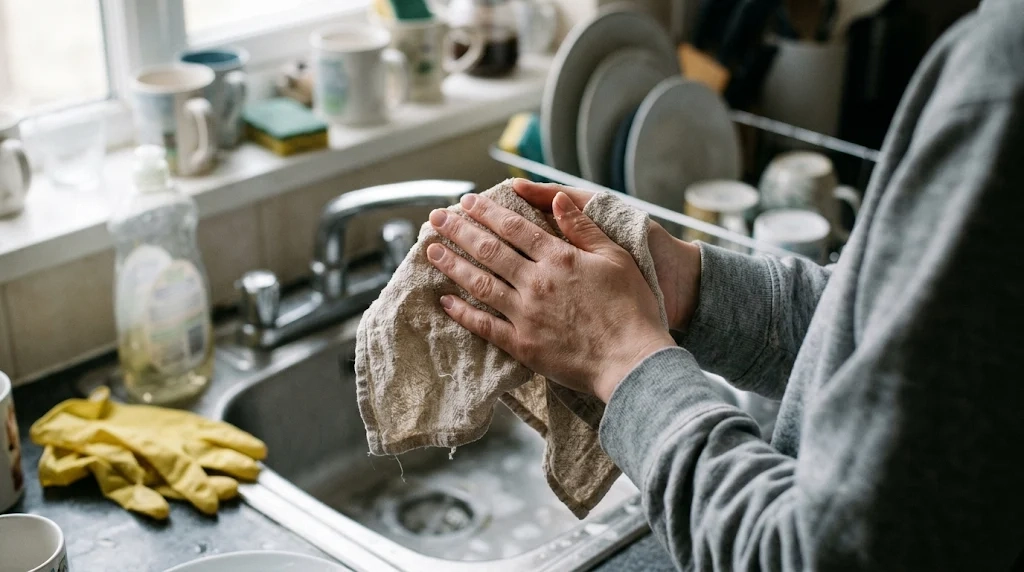
The most recognizable medical cause of green nail discoloration is green nail syndrome, also called chloronychia. It is commonly associated with a bacterium named Pseudomonas aeruginosa.
These bacteria thrive in damp environments and can colonize the space beneath a nail that has partially separated from its nail bed. The condition may also occur alongside chronic inflammation of the surrounding nail folds.
Pseudomonas produces pigments, including pyocyanin and pyoverdine, that can create a distinctive green or blue-green appearance.
The discoloration may range from pale green to deep green, blue-green, or almost black. Because the pigment can be within or beneath the nail plate, ordinary washing usually doesn’t remove it.
1. Bacteria Growing Beneath a Lifted Nail
Your natural nail normally forms a protective connection with the skin underneath it. When that connection breaks, a small space develops where water and debris can collect.
This separation is called onycholysis. It can happen after an injury, aggressive filing, repeated exposure to water, or certain nail conditions.
Pseudomonas bacteria can settle in this moist space and produce their characteristic pigment. Sometimes the nail looks green without significant discomfort.
2. Moisture Trapped Under Artificial Nails
Acrylics, gel extensions, and press-on nails can create conditions favorable for bacterial growth when the enhancement begins lifting away from your natural nail.
Water may enter through tiny gaps during handwashing, showering, swimming, or household cleaning.
If that moisture remains trapped, bacteria have an opportunity to multiply, particularly when the underlying nail is already damaged or separated.
Important: Artificial nails don’t automatically cause green nail syndrome. The concern is compromised adhesion, trapped moisture, and existing nail damage.
3. Repeated Exposure to Water
Spending long periods with wet hands can weaken your skin’s protective barrier and increase the risk of nail separation.
You may be more susceptible if your daily routine includes frequent dishwashing, cleaning, food preparation, swimming, or wearing damp gloves.
Constant contact with detergents and other irritants can contribute to nail and cuticle damage, giving bacteria additional opportunities to establish themselves.
4. Nail Injuries and Aggressive Manicures
Filing too aggressively, scraping beneath the nail, picking at enhancements, or removing acrylics improperly may damage the natural nail plate.
Even minor repeated trauma can encourage lifting. Once the protective seal is disrupted, moisture and microorganisms can enter the exposed space.
This is one reason careful nail preparation and gentle removal techniques are important for maintaining healthy natural nails.
5. Other Nail Conditions or External Staining
Not every green-looking nail has a bacterial infection. Nail fungus, existing nail disorders, and certain external pigments can sometimes create similar changes.
For example, dyes or staining products may discolor the nail surface. Fungal infections can also coexist with bacterial colonization.
A green or dark mark that changes shape, spreads, or doesn’t have an obvious explanation deserves professional evaluation rather than an assumed diagnosis.
What Does Green Nail Syndrome Look Like?
Green nail syndrome commonly affects one or a few nails rather than every fingernail at once. Its appearance can vary depending on the degree of nail separation and the amount of pigment present.
Watch for these possible signs:
- Green discoloration: A pale, olive, blue-green, or dark green area beneath the nail.
- Nail lifting: Part of the nail separates from the underlying skin.
- Persistent staining: The green color doesn’t disappear after normal handwashing.
- Nail changes: The affected area may appear uneven, damaged, or unusually discolored.
- Surrounding irritation: Redness, tenderness, or swelling may occur when inflammation or another infection is present.
Many uncomplicated cases are painless. However, pain, pus, warmth, or spreading redness can suggest a more significant infection that needs prompt medical assessment.
Why Do Nails Look Green After Acrylics or Gel Polish?
Finding a green patch after removing acrylics or gel polish can be particularly surprising because the discoloration may have been hidden beneath the enhancement.
The underlying issue often begins when the artificial product loses its secure bond with your natural nail.
Green Spots Under Acrylic Nails
Acrylic enhancements can lift near the cuticle, along the sidewalls, or around the free edge. These gaps allow water to enter during ordinary daily activities.
If moisture becomes trapped against an already separated or damaged nail, bacterial colonization becomes more likely.
You might not notice the discoloration until the acrylic is removed or a lifted section becomes visible.
Rather than filling over a suspicious green area, have the enhancement removed carefully and arrange an appropriate nail assessment.
Green Discoloration Under Gel Nails
Gel polish and structured gel enhancements can also develop lifting, especially when nail preparation, application, or wear compromises adhesion.
The green coloration is not necessarily a chemical reaction between the gel and your natural nail. In some cases, bacteria beneath a lifted nail are responsible.
If you notice an unusual green patch, avoid applying additional gel layers to hide it. The affected area needs to remain visible for proper evaluation.
Green Nails After Press-Ons
Press-on nails are convenient, but worn adhesive can loosen and create small pockets that retain water.
Reusing press-ons without cleaning them properly or wearing a loose set for too long can contribute to unhygienic conditions.
Remove loose press-ons gently according to their adhesive instructions. Never force or pry them away from your natural nails.
Warning
Do not seal a green nail beneath fresh acrylic, builder gel, or press-on adhesive. Covering the discoloration can conceal worsening symptoms and may trap additional moisture.
Is a Green Nail Fungus or Bacteria?
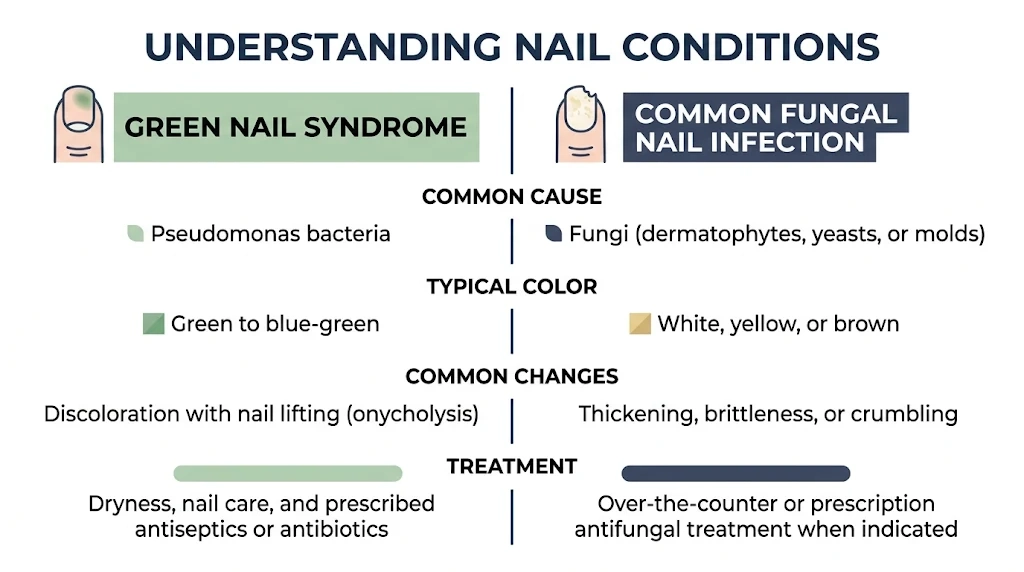
Green nail discoloration is often mistakenly described as nail fungus. Although fungal conditions can occur at the same time, classic green nail syndrome is most commonly associated with bacteria.
Here are some useful differences:
| Feature | Green Nail Syndrome | Common Fungal Nail Infection |
|---|---|---|
| Common cause | Pseudomonas bacteria | Fungi |
| Typical color | Green to blue-green | White, yellow, or brown |
| Common changes | Discoloration with nail lifting | Thickening, brittleness, or crumbling |
| Treatment | Dryness, nail care, and sometimes prescribed antiseptics or antibiotics | Antifungal treatment when indicated |
These differences can provide clues, but appearance alone isn’t always enough to distinguish the conditions.
A dermatologist may examine your nail and collect a sample for bacterial or fungal testing if the diagnosis is uncertain.
What Should You Do If Your Nail Turns Green?
Your first priority is preventing further nail damage while getting the cause assessed. The following steps are practical precautions, not a substitute for medical treatment.
1. Stop Applying New Nail Products
Don’t apply another layer of polish, acrylic, gel, or nail glue over the green area.
Keeping the nail uncovered allows you to observe changes and helps your healthcare professional examine it properly.
2. Remove Artificial Enhancements Carefully
If an acrylic, gel, or press-on enhancement is covering the discoloration, arrange gentle removal.
Use a qualified nail professional who follows appropriate hygiene procedures, or follow the product’s safe removal directions if removal can be completed without damaging your nail.
Do not pull, peel, or scrape firmly bonded enhancements. Additional trauma can worsen nail separation.
3. Keep the Nail Clean and Dry
Wash your hands normally with mild soap and water, then dry them thoroughly, especially around the affected nail.
Avoid unnecessary soaking and prolonged wet work. If you must clean or wash dishes, protective gloves with a dry cotton liner can help reduce moisture exposure.
Replace damp liners promptly rather than leaving moisture against your fingertips.
4. Avoid Digging Beneath the Nail
It may be tempting to scrape away the green pigment with a metal nail tool. Don’t do this.
Digging under a separated nail can injure the exposed nail bed and increase irritation.
Keep the free edge reasonably short using clean clippers, but avoid cutting attached nail tissue or attempting to remove a large detached section yourself.
5. Arrange a Medical Evaluation
Contact a dermatologist or another qualified healthcare professional when you notice persistent unexplained green discoloration, especially if it appears beneath a lifted nail.
They can determine whether bacterial colonization, fungal disease, staining, or another nail problem is responsible.
Pro Tip
Take a clear photograph of your nail when you first notice the discoloration. Comparing photographs over time can help you explain changes in color, size, or nail lifting to your healthcare professional.
How Is Green Nail Syndrome Treated?
Treatment depends on the condition’s severity, how much nail separation is present, and whether the surrounding skin is infected.
Managing the moisture and nail damage that allowed the bacteria to grow is an important part of treatment.
Keeping the Nail Dry and Managing Lifting
For some cases, a clinician may recommend minimizing water exposure, keeping the nail short, and carefully trimming the detached portion when appropriate.
Removing the source of trapped moisture can help prevent continued bacterial growth. However, cutting or removing attached nail tissue yourself can cause injury.
Prescription Topical Treatments
Doctors sometimes prescribe topical medications, including certain antibiotic preparations, for confirmed or strongly suspected Pseudomonas-associated nail problems.
Gentamicin is one example described in medical literature, although the appropriate medication and method of application depend on the individual case.
Do not apply leftover prescription antibiotics or medications intended for another condition without professional guidance.
What About Vinegar Soaks?
You may see online suggestions recommending diluted vinegar for green nails. Acetic acid, the ingredient responsible for vinegar’s acidity, has been discussed as a possible topical treatment in medical literature.
However, evidence is limited, and the correct concentration and application depend on the circumstances. Improper use can irritate damaged skin.
Ask your healthcare professional whether an acetic acid treatment is appropriate before attempting it at home.
Why You Should Avoid Household Bleach Experiments
Some medical publications describe carefully controlled antiseptic treatments containing sodium hypochlorite.
That doesn’t mean undiluted household bleach is safe for your nails. Household cleaning products can irritate or burn skin when used incorrectly.
Never apply concentrated bleach to your nail bed or mix bleach with vinegar or other cleaning chemicals. Follow a clinician’s specific instructions if an antiseptic treatment is recommended.
When More Intensive Treatment Is Needed
Unusual, persistent, or severe cases may require additional testing, more targeted medication, or professional management of a substantially separated nail.
Oral antibiotics are not routinely necessary for uncomplicated discoloration. A clinician considers them when the clinical findings justify systemic treatment.
How Long Does It Take for Green Nails to Return to Normal?
Recovery doesn’t happen at exactly the same speed for everyone.
The visible green color may persist even after the underlying bacterial problem has been treated because stained nail material sometimes needs to grow out.
Fingernails commonly take approximately four to six months to replace themselves completely, while toenails usually take considerably longer, often around 12 to 18 months.
The actual recovery period depends on several factors:
- How much of the nail is discolored.
- Whether the nail has separated from its bed.
- How quickly the underlying cause is identified and managed.
- Whether repeated moisture exposure continues.
- Your normal nail growth rate and overall nail health.
Successful treatment doesn’t always make the entire green patch disappear immediately. What matters is whether the condition is improving and healthy new nail is growing.
If discoloration spreads, discomfort develops, or the nail doesn’t improve as expected, arrange a follow-up examination rather than repeatedly trying new home remedies.
Can You Still Get a Manicure With a Green Nail?
It’s best to postpone cosmetic nail enhancements until the cause of the discoloration has been identified and the nail is sufficiently healthy.
Applying new products over a potentially infected or separated nail can conceal changes that need attention.
If you have a scheduled salon appointment, tell your nail technician about the discoloration before the service begins.
A responsible nail professional should avoid applying enhancements over a suspected infection and recommend appropriate medical evaluation.
Once your healthcare professional confirms the condition has resolved or is safe to manage, you can discuss returning to regular manicures.
When you resume, consider shorter enhancements, gentle preparation techniques, and regular checks for lifting.
How Can You Prevent Green Nails in the Future?
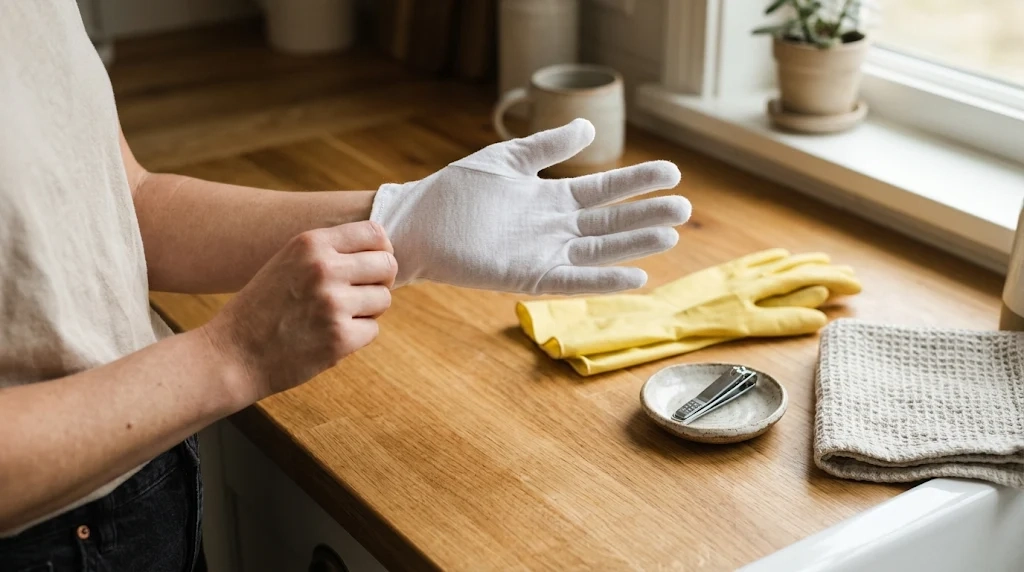
Prevention focuses on protecting the connection between your natural nail and nail bed while limiting prolonged moisture exposure.
Do
- Dry your nails after washing.
- Address lifting promptly.
- Use clean, sanitized nail tools.
- Protect hands during wet work.
- Choose gentle enhancement removal.
- Inspect natural nails between manicures.
Don’t
- Ignore visible nail lifting.
- Glue over damaged nails.
- Share unclean manicure tools.
- Keep damp gloves on for hours.
- Pull acrylics or gels off forcefully.
- Cover unexplained green spots.
Check Nail Enhancements for Lifting
Look along the cuticle, sidewalls, and free edge for gaps or looseness. Don’t repeatedly press detached enhancements back into place or seal them with extra glue.
A nail professional can determine whether removal is necessary. If discoloration is present, seek medical advice before applying another product.
Maintain Clean Nail Tools
Clean reusable tools according to their manufacturer’s instructions and disinfect appropriate nonporous implements between uses.
Disposable items should not be reused when their intended use requires disposal. Porous files and buffers can be difficult to disinfect adequately.
At a salon, look for proper hand hygiene and appropriate tool disinfection practices.
Protect Your Natural Nail Plate
Avoid excessive buffing, forceful cuticle cutting, and aggressive cleaning beneath the free edge.
These habits can weaken or injure the structures that help protect your nail bed.
Gentle maintenance supports healthier nails and reduces opportunities for damage-related lifting.
Use Protective Gloves Correctly
Wear suitable protective gloves when working with cleaning products or water for extended periods.
For lengthy tasks, a dry cotton liner may make gloves more comfortable and help manage moisture.
Remove your gloves afterward, wash your hands when appropriate, and dry them thoroughly.
When Should You See a Doctor About Green Nails?
Arrange a medical evaluation for unexplained or persistent green nail discoloration. While many cases remain localized, other conditions can look similar and require different treatment.
Seek Prompt Medical Attention
Seek prompt care if you develop significant pain, increasing swelling, warmth, pus, or spreading redness. Fever or rapidly worsening symptoms need urgent assessment. If you have diabetes, poor circulation, or a weakened immune system, contact a healthcare professional early rather than attempting prolonged self-treatment.
Also have unexplained dark streaks or changing dark nail pigmentation assessed, especially when the pigment extends onto surrounding skin.
Not every dark nail mark is caused by Pseudomonas, and some nail pigmentation changes require investigation for other conditions.
Frequently Asked Questions About Green Nails
Q: Can green nails go away on their own?
A: Some mild discoloration may improve when moisture exposure and nail lifting are addressed. However, a persistent green patch should be evaluated because bacterial colonization or infection may require treatment.
Q: Is green nail syndrome contagious?
A: Green nail syndrome isn’t typically spread through ordinary casual contact like a cold. However, Pseudomonas bacteria can spread through contaminated water, surfaces, or tools. Good hygiene helps reduce exposure.
Q: Why is my nail green but not painful?
A: Green nail syndrome can cause visible pigmentation without pain. Bacteria may colonize a lifted nail without producing significant surrounding inflammation. The absence of pain doesn’t confirm that the discoloration is harmless.
Q: Can I paint over a green nail?
A: Avoid painting over unexplained green discoloration until its cause has been assessed. Polish can hide changes in the affected nail, making it harder to monitor whether the problem is improving or worsening.
Q: Can green nails happen without acrylics?
A: Yes. Green nail syndrome can affect natural fingernails or toenails. Nail injuries, existing nail separation, chronic irritation, and prolonged moisture exposure are possible risk factors even when you never wear artificial nails.
Final Thoughts: Why Do Nails Look Green?
Green nail discoloration is often linked to Pseudomonas bacteria, especially when a nail has lifted or moisture has collected beneath an enhancement.
Don’t panic or try to hide the color with another manicure. Protect the nail from further damage, keep it dry, and seek a professional assessment so you can address the actual cause.
Healthy nails begin with careful maintenance, proper hygiene, and attention to unexpected changes. Save this guide to your Pinterest nail-care board so you can remember the warning signs and prevention tips before your next manicure.
Medical References
For additional evidence-based information about green nail syndrome and nail discoloration, consult these medical resources:
- MSD Manual: Green Nail Syndrome
- PubMed: Green Nail — Etiology and Treatment of Chloronychia
- Nail Health in Women — Medical Review
Medical disclaimer: This article provides general educational information and does not replace a diagnosis or treatment plan from a qualified healthcare professional.

Hi, I’m Jessica, the creator behind Unique Lash & Nails Katy.
I created this website for anyone who loves beautiful nails as much as I do. Here, I share trendy nail designs, seasonal manicure ideas, easy nail care tips, honest product recommendations, and step-by-step guides to help you create salon-worthy nails at home. Whether you’re looking for everyday inspiration or your next favorite nail trend, I hope you’ll find something you love.