How Soap Affects Nail Moisture: Easy Care Tips (47 characters)
Quick Answer
Soap affects nail moisture by removing oils from the surrounding skin and contributing to the repeated wetting and drying of your nails. Frequent washing, harsh cleansers, and hot water can leave your cuticles dry and your nail edges more prone to peeling. Choose a gentle cleanser, wash with lukewarm water, dry thoroughly, and apply hand cream to your nails and cuticles after washing. You can keep your hands clean without sacrificing comfortable, healthy-looking nails.
You wash your hands throughout the day, but have you noticed your nails feeling rougher afterward? Maybe your cuticles look flaky, your fingertips feel tight, or your beautiful manicure starts showing peeling edges.
Understanding how soap affects nail moisture can help you protect your nails without compromising hand hygiene.
The important part isn’t avoiding soap. It’s understanding what happens during washing and developing a moisturizing routine that works with your daily life.


How Does Soap Affect Nail Moisture?
Soap cleans your hands by helping water lift away oils, dirt, and other materials from your skin. Its cleansing ingredients, called surfactants, are useful for hygiene, but they can also remove some of the natural oils that help your skin retain moisture.
Your nails are different from your skin. The visible nail plate consists primarily of layers of hardened keratin. It contains water, but it doesn’t produce its own protective oils.
During handwashing, several things happen:
- Water enters the nail plate: Your nails temporarily absorb water and become more flexible.
- Cleansers remove surface oils: Soap can strip some protective oils from the skin around your nails.
- Water evaporates afterward: The nail plate loses absorbed water as it dries.
- Repeated cycles create stress: Frequent swelling and drying may contribute to splitting or peeling in vulnerable nails.
- Cuticles may become uncomfortable: Reduced moisture in the surrounding skin can cause tightness, roughness, and visible flaking.
These effects depend on the cleanser, washing frequency, water temperature, and your existing nail condition.
A single normal handwash isn’t likely to damage healthy nails. Problems become more noticeable when your hands are repeatedly exposed to water, detergents, and insufficient moisturizing.
Why Does Frequent Handwashing Make Nails Feel Dry?
Frequent handwashing exposes your nails to repeated changes in moisture. The nail plate absorbs water during washing and loses that extra water afterward.
This process is normal. However, repeated cycles can become troublesome when your nails are already thin, brittle, or damaged by manicure removal.
1. Repeated Wetting and Drying
Imagine a material that repeatedly expands slightly when wet and contracts as it dries. Your nail plate behaves somewhat similarly because its keratin structure interacts with water.
With enough repeated exposure, vulnerable nails may develop weakened edges, especially when combined with mechanical damage.
That doesn’t mean every wash causes a new crack. Rather, repeated water exposure can be one contributing factor in brittle nail problems.
2. Loss of Protective Skin Oils
Your skin produces natural oils that help support its protective barrier. Soap and detergent can remove some of those oils during cleaning.
When the surrounding skin loses too much moisture, your nail folds and cuticles may become dry, rough, or irritated.
Applying moisturizer afterward helps replace some of the barrier protection lost during washing.
3. Exposure to Strong Cleansing Ingredients
Some soaps and cleaning products contain cleansing agents that can be irritating, especially with frequent use.
Highly alkaline soaps and strongly fragranced products may be less comfortable for people with sensitive skin.
Importantly, a product labeled “natural” isn’t automatically gentle. Its overall formulation matters more than its marketing description.
4. Hot Water and Extended Washing
Hot water can increase discomfort in already dry skin. Long periods of soaking also expose nail plates to more water than an ordinary handwash.
Use comfortable lukewarm water and avoid unnecessary soaking when cleaning your hands.
Can Soap Cause Brittle or Peeling Nails?
Soap can contribute indirectly to brittle or peeling nails, particularly when repeated washing is combined with detergents, water exposure, and existing nail damage.
However, soap isn’t the only possible cause.
Common contributors to brittle nails include:
- Frequent handwashing and wet household chores.
- Repeated exposure to cleaning chemicals.
- Picking or peeling off gel nail polish.
- Aggressive buffing or filing.
- Regular acetone exposure without adequate aftercare.
- Repeated physical trauma to nail tips.
- Some underlying skin or medical conditions.
If your nails are peeling at the tips, inspect how you wash, clean, and maintain them before assuming soap is solely responsible.
For more targeted help, explore our guide on how to fix dry nails and peeling.
What Are the Signs That Soap Is Drying Your Nails?
Soap-related dryness usually affects both the nails and the surrounding skin. The changes may become more noticeable after washing or cleaning.
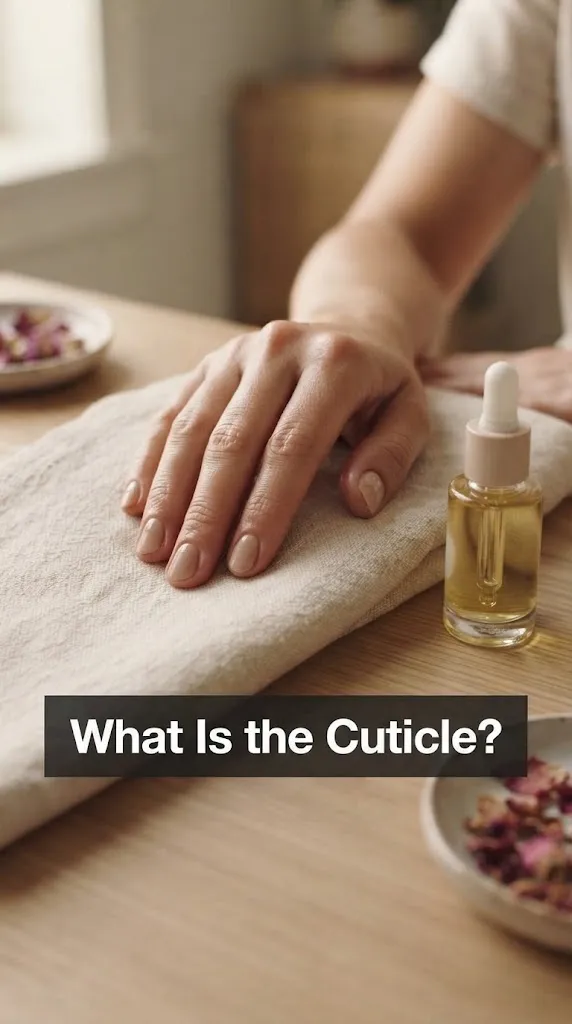
Dry, Rough Cuticles
Your cuticles may look white, flaky, or uneven when the surrounding skin becomes dry. You might also notice small pieces of skin catching on clothing.
A simple moisturizing routine often makes these areas feel more comfortable.
Peeling Nail Tips
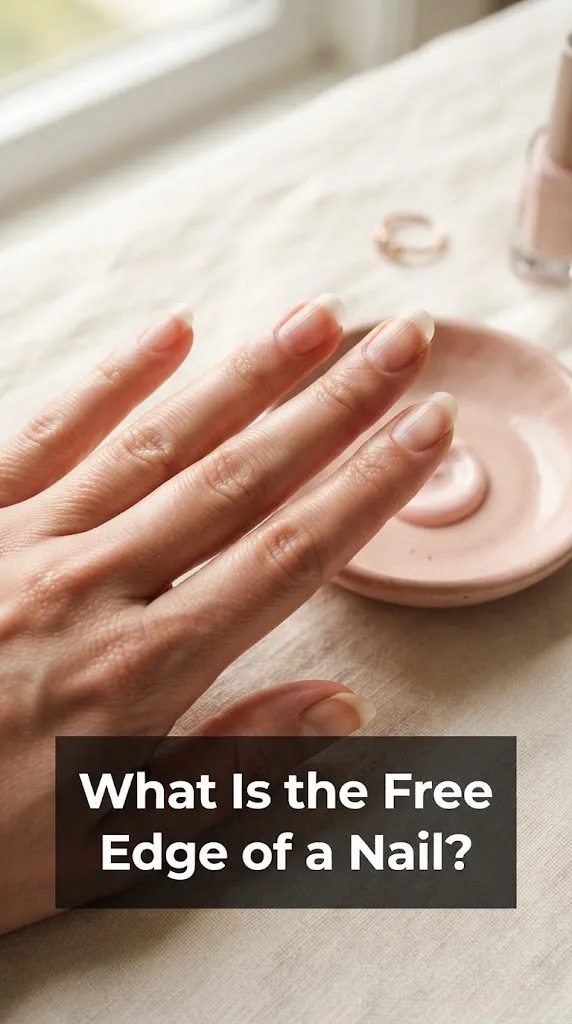
The free edges of your nails may start separating into thin layers. Repeated wetting, drying, and physical stress can contribute to this problem.
Keep peeling edges short and smooth rather than pulling the loose layers away.
Tight Skin Around Your Fingertips
If your fingertips feel uncomfortable immediately after washing, your cleanser may be too drying for your skin or your moisturizing routine may be insufficient.
Apply a fragrance-free cream while your skin is freshly dried.
Frequent Snags and Splits
Dry, fragile nail edges can catch on clothing and become more vulnerable to splitting.
Gently filing rough tips helps prevent small snags from developing into larger breaks.
Important Warning
Persistent nail separation, painful swelling, bleeding, unexplained discoloration, or significant changes in nail thickness aren’t necessarily caused by soap. Seek medical advice if these symptoms appear or worsen.
Does Antibacterial Soap Dry Out Nails More Than Regular Soap?
Not necessarily. Whether a cleanser is drying depends on its complete formula, how often you use it, and your individual skin sensitivity.
The label “antibacterial” alone doesn’t tell you how moisturizing or irritating a product will be.
For routine handwashing, ordinary soap and water are generally sufficient. You don’t need antibacterial ingredients simply to maintain everyday cleanliness.
If your hands feel consistently tight or uncomfortable after using a particular cleanser, try a gentler alternative while continuing recommended hand hygiene.
Is Liquid Soap or Bar Soap Better for Nail Moisture?
Both liquid and bar soaps can clean your hands effectively. Neither format is automatically better for keeping your nails moisturized.
The ingredient combination makes the difference.
Liquid Hand Soap
Liquid cleansers can contain moisturizing ingredients such as glycerin. Some use milder synthetic detergents rather than traditional soap.
However, heavily fragranced or strongly cleansing liquid products can still irritate sensitive skin.
Traditional Bar Soap
Traditional soap bars are often alkaline. Some people tolerate them well, while others notice dryness after frequent use.
A moisturizing cleansing bar formulated for sensitive skin may feel gentler than an ordinary soap bar.
Syndet Cleansing Bars
Syndet bars are made with synthetic cleansing agents and may be formulated closer to the skin’s natural pH.
They can be useful when traditional soap leaves your skin feeling uncomfortable, although individual formulations still vary.
The practical choice: Pick a fragrance-free, gentle cleanser that cleans effectively without leaving your skin feeling tight.
How Can You Protect Nail Moisture When Washing Your Hands?
You don’t need to stop washing your hands. Instead, make a few changes that reduce unnecessary dryness.
1. Choose a Gentle Hand Cleanser
Look for products labeled fragrance-free or suitable for sensitive skin. Ingredients such as glycerin can help support a more comfortable cleansing experience.
Avoid assuming that more foam means better cleaning. Extra lather isn’t a reliable measurement of cleansing effectiveness.
2. Use Lukewarm Water
Choose a comfortable water temperature instead of very hot water.
Lukewarm water works well for normal handwashing and may feel less irritating when your skin is already dry.
3. Wash Thoroughly Without Scrubbing Aggressively
Follow standard handwashing guidance, including scrubbing with soap for at least 20 seconds when appropriate.
Clean between your fingers and around your fingertips without aggressively scraping or brushing the nail plate.
For gentle nail hygiene techniques, see our guide on how to clean nails at home.
4. Dry Your Hands Carefully
Use a clean towel to pat your hands dry. Pay attention to the skin around your nails and beneath longer free edges.
You don’t need to rub aggressively. Gentle drying helps remove excess surface water while avoiding unnecessary friction.
5. Apply Moisturizer After Washing
Once you’ve dried your hands, apply a small amount of fragrance-free cream.
Massage it across your fingertips, exposed nail plates, cuticle areas, and surrounding skin.
Ingredients such as glycerin, ceramides, and petrolatum can help support moisture retention in the skin.
Pro Tip
Keep a small tube of hand cream beside the sink you use most often. Applying moisturizer immediately after drying your hands makes the habit easier to maintain than waiting until your nails feel uncomfortable.
What Ingredients Help Maintain Nail and Cuticle Moisture?
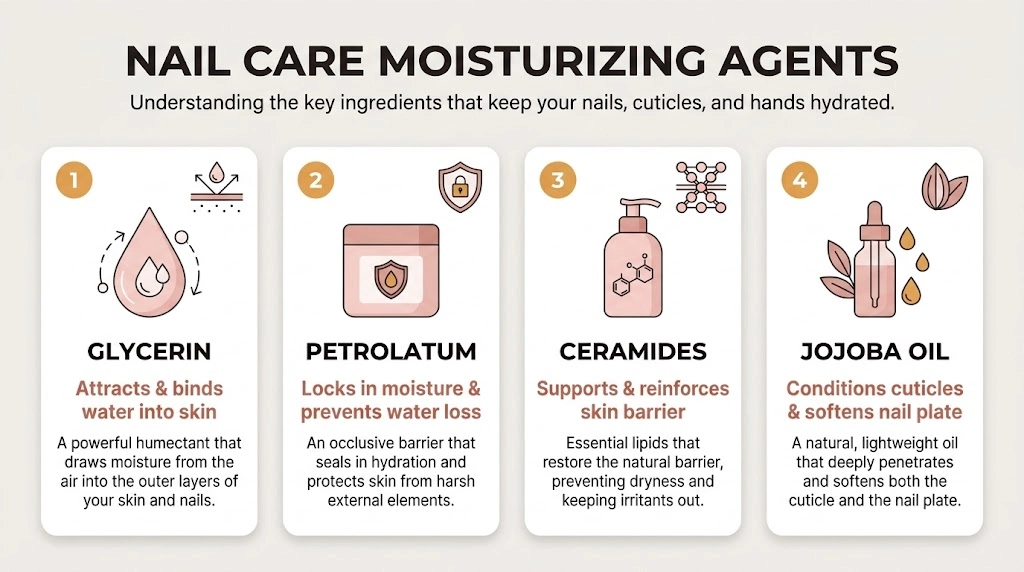
You don’t need an expensive nail treatment to manage routine dryness. A few familiar moisturizing ingredients can make a meaningful difference.
Glycerin
Glycerin is a humectant, meaning it attracts and holds water. In hand creams, it helps hydrate the surrounding skin.
Look for glycerin in a fragrance-free cream that feels comfortable enough for repeated use.
Petrolatum
Petrolatum helps reduce water loss by forming a protective layer over the skin.
It’s particularly useful around dry cuticles before bedtime, when a slightly heavier product may be more convenient.
Ceramides
Ceramides are lipids found naturally in the skin barrier. Moisturizers containing ceramides can support barrier function when your skin feels dry.
These ingredients are particularly helpful for the skin around the nail rather than physically rebuilding damaged nail layers.
Jojoba Oil
Jojoba-based cuticle oils can condition the nail surface and surrounding skin, making rough cuticles feel softer.
They are useful as part of regular maintenance, although no oil can permanently repair a nail plate that has already split.
Which Products Can Help With Dry Nails After Handwashing?
If you’re choosing products for your nail care routine, prioritize a gentle cleanser and a moisturizer you’ll actually use.
Fragrance-Free Moisturizing Hand Cream
A thick cream containing glycerin or ceramides is a sensible everyday choice when frequent washing leaves your fingertips uncomfortable.
Recommended Product Type
Fragrance-Free Ceramide Hand Cream
A barrier-supporting hand cream can help reduce dryness around your nails after frequent washing. Choose a formula that suits your skin sensitivity.
As an Amazon Associate, we earn from qualifying purchases.
Jojoba-Based Cuticle Oil
A simple cuticle oil is useful when your nail edges feel dry or the surrounding skin looks rough.
Apply a small amount around each nail after moisturizing or before bedtime.
Recommended Product Type
Jojoba Cuticle Oil
A simple conditioning oil is convenient for dry cuticles and exposed nail edges, especially when applied consistently.
As an Amazon Associate, we earn from qualifying purchases.
Gentle Fragrance-Free Hand Wash
If your current soap makes your skin feel tight, consider switching to a gentle hand cleanser.
Check the ingredient list and choose products intended for sensitive skin rather than relying only on attractive packaging.
Recommended Product Type
Gentle Fragrance-Free Hand Wash
A mild cleanser can make frequent handwashing more comfortable while still supporting routine hand hygiene.
As an Amazon Associate, we earn from qualifying purchases.
How Often Should You Moisturize Nails If You Wash Your Hands Frequently?
Apply hand cream after washing whenever practical, especially when your skin feels dry or irritated.
You don’t have to use cuticle oil after every wash. For many people, a small application once or twice a day is a manageable addition.
Your ideal routine depends on how often you wash your hands, your environment, and your skin’s sensitivity.
If you’re frequently handling water at work, a richer cream may be more useful than a lightweight lotion that disappears quickly.
For more detailed techniques, explore our daily guide to moisturizing nails.
What Daily Routine Helps Keep Nails Moisturized?
A consistent routine doesn’t need to take more than a few minutes outside your normal handwashing.
Morning: Start With Moisture
- Wash your hands with a gentle cleanser.
- Pat your hands and fingertips dry.
- Massage hand cream over the nail area.
- Check for rough edges that might catch on clothing.
During the Day: Protect After Washing
- Continue washing your hands whenever hygiene requires it.
- Reapply moisturizer after frequent washing.
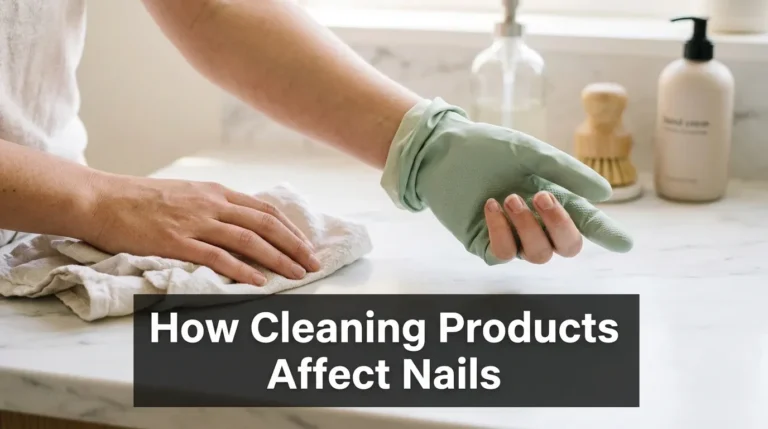
- Wear protective gloves during prolonged wet chores.
- Avoid using your fingernails to scrape or pry objects.
Evening: Add Extra Cuticle Care
- Clean and dry your hands gently.
- Apply a small drop of cuticle oil around each nail.
- Massage fragrance-free hand cream into your fingertips.
- Use a thin layer of petroleum jelly on especially dry areas.
Repeated daily care is more helpful than relying on an intensive treatment once every few weeks.
What Should You Do and Avoid to Protect Nail Moisture?
Do
- Choose a gentle cleanser.
- Use lukewarm water.
- Moisturize after washing.
- Keep nail edges smooth.
- Wear gloves for wet chores.
- Apply cuticle oil regularly.
Don’t
- Scrub nail plates aggressively.
- Use very hot water unnecessarily.
- Soak nails for long periods.
- Peel off damaged nail layers.
- Cut healthy cuticles.
- Ignore persistent irritation.
Can Soap Damage Gel Polish or Acrylic Nails?
Normal handwashing with soap and water generally shouldn’t damage a properly applied, fully cured manicure.
However, repeated exposure to water, detergents, and physical stress may contribute to lifting or wear, especially when the manicure is already compromised.
Once polish or an enhancement begins lifting, water may enter gaps between the product and natural nail.
Don’t try to glue down a lifted enhancement over trapped moisture or conceal concerning discoloration.
Have lifting or damaged artificial nails assessed and corrected safely.
For household chores, our article on how to protect nails while washing dishes offers practical ways to reduce exposure.
How Long Does It Take for Dry Nails to Improve?
The surrounding skin may feel softer soon after applying moisturizer. Some people notice greater comfort the same day.
Visible changes to peeling or damaged nail plates take longer because the existing keratin cannot completely rebuild itself.
As new nail grows, the damaged portion gradually moves toward the free edge and can eventually be trimmed away.
Fingernails typically take several months to grow out completely, although growth rates vary.
During this period, keep your nails reasonably short, protect them from repeated trauma, and maintain regular moisturizing.
If your nails remain unusually brittle despite gentle care or you notice unexplained changes, consult a healthcare professional rather than relying only on cosmetic products.
Frequently Asked Questions About Soap and Nail Moisture
Q: Does washing your hands too much weaken your nails?
A: Frequent wetting and drying can contribute to brittle or peeling nails, especially when combined with detergents and existing nail damage. Continue necessary handwashing, but use a gentle cleanser and moisturize afterward.
Q: Can moisturizing soap prevent dry nails?
A: A gentle moisturizing cleanser may reduce discomfort compared with a harsher product, but it doesn’t replace leave-on moisturizer. Apply hand cream after drying your hands to support the surrounding skin barrier.
Q: Is hand sanitizer worse than soap for nail moisture?
A: It depends on the formula and your skin. Alcohol-based sanitizers can feel drying, although some contain moisturizing ingredients. Use soap and water when recommended, sanitizer when appropriate, and moisturizer to manage dryness.
Q: Should you put cuticle oil on after every handwash?
A: You don’t need to apply cuticle oil after every wash. Regular hand cream is often more convenient during the day. Add cuticle oil once or twice daily if your cuticles feel dry.
Q: Can damaged nails regain moisture naturally?
A: Nail plates naturally exchange water with their environment, and moisturizing products can improve their condition and flexibility. However, permanently damaged nail layers must gradually grow out rather than heal like living skin.
Final Thoughts: Keep Your Nails Clean and Comfortable
Understanding how soap affects nail moisture helps you make smarter everyday nail care choices. Soap is essential for hygiene, but repeated washing and insufficient moisturizing can leave your nails and cuticles feeling dry.
Choose a gentle cleanser, dry your hands carefully, apply moisturizer regularly, and protect your nails during wet chores. These simple habits can help maintain comfortable cuticles and healthier-looking nails.
Save this guide to Pinterest so you can return to these easy nail moisture tips whenever your hands need a little extra care.

Hi, I’m Jessica, the creator behind Unique Lash & Nails Katy.
I created this website for anyone who loves beautiful nails as much as I do. Here, I share trendy nail designs, seasonal manicure ideas, easy nail care tips, honest product recommendations, and step-by-step guides to help you create salon-worthy nails at home. Whether you’re looking for everyday inspiration or your next favorite nail trend, I hope you’ll find something you love.