How to Keep Long Nails Clean: Easy Daily Tips
Quick Answer
To keep long nails clean, wash your hands regularly with soap and water, gently clean underneath your nails with a soft nail brush, and dry your hands thoroughly. Avoid sharp tools, aggressive scraping, and harsh chemicals. Maintain a manageable nail length, moisturize your cuticles, and clean your nails after activities that leave dirt or residue behind.
Long nails can make your hands look elegant, polished, and beautiful, but keeping them clean takes a little extra attention. Dirt, food particles, and everyday residue can collect underneath your nail tips, especially when you enjoy long natural nails, acrylics, or gel extensions.
The good news is that you don’t need an expensive manicure or complicated cleaning routine to maintain beautiful, hygienic nails. With a few simple habits, you can keep your long nails looking fresh without damaging your manicure or irritating your skin.
This guide explains how to clean long nails safely, which tools to use, how often to maintain them, and what mistakes to avoid.


What You’ll Need to Keep Long Nails Clean
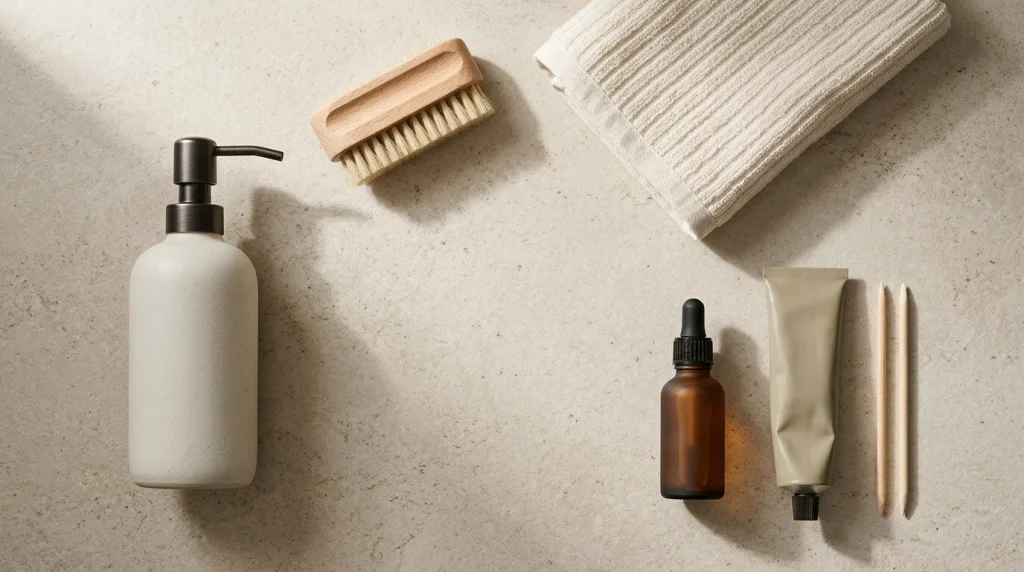
Before you start your nail-cleaning routine, gather a few gentle tools. You probably already have most of these items at home.
- Gentle hand soap: Helps remove dirt, oils, and everyday residue from your hands and nails.
- Soft nail brush: Cleans underneath your nail tips without requiring aggressive scraping.
- Clean, lukewarm water: Rinses away loosened dirt and soap.
- Clean towel: Helps you dry your hands and the areas around your nails thoroughly.
- Cuticle oil: Helps keep the skin around your nails moisturized.
- Hand moisturizer: Prevents your hands and surrounding skin from becoming excessively dry.
- Wooden manicure stick: An optional tool for carefully removing visible debris when necessary.
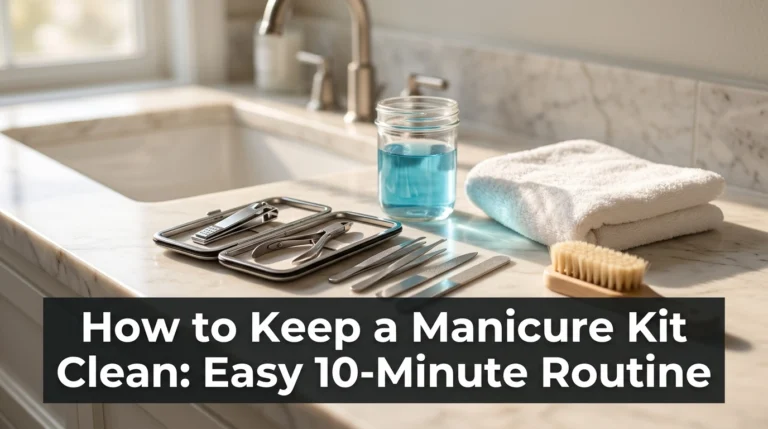
You can find a soft nail brush or a basic manicure kit if you need additional cleaning tools.
Important: You don’t need every tool listed above. Gentle handwashing and careful cleaning with a soft brush are usually enough for everyday nail hygiene.
How to Keep Long Nails Clean: Step-by-Step Guide
Follow this simple routine whenever your nails need a thorough cleaning. The goal is to remove debris without scratching your nail plate, damaging your manicure, or irritating the skin underneath your nails.
Step 1: Wash Your Hands With Gentle Soap
Start by wetting your hands with clean, running water. Apply gentle soap and rub your palms, fingers, fingertips, and the areas around your nails. Pay attention to the spaces between your fingers and the skin around your nail beds.
Handwashing helps remove surface dirt, oils, and germs before you begin cleaning underneath your long nails.
Common mistake: Washing only your palms. Dirt and germs can remain around your fingertips and nail edges if you neglect these areas.
Step 2: Gently Clean Underneath Your Nail Tips
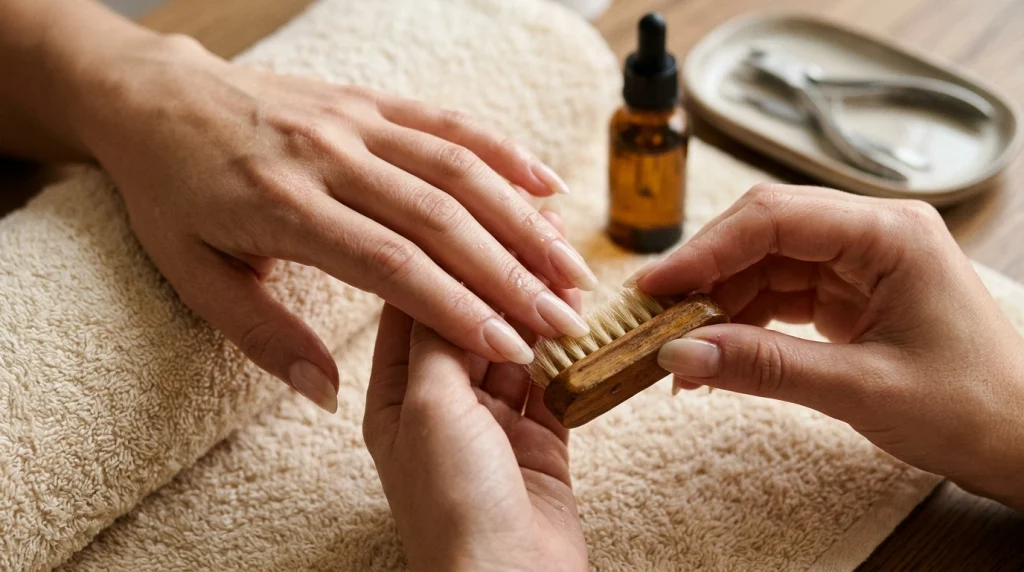
Use a clean, soft nail brush to gently remove visible dirt underneath your nail tips. Hold the brush at a comfortable angle and use light strokes rather than pressing hard against the sensitive skin beneath your nails.
Move across each fingertip carefully. Rinse the brush and your nails with clean water when you’re finished.
Common mistake: Scrubbing aggressively. Excessive pressure can irritate the skin underneath your nails and may cause discomfort.
Step 3: Remove Stubborn Visible Debris Carefully
If a small piece of debris remains, don’t force it out with a sharp metal tool. You can gently remove visible material using a clean, blunt wooden manicure stick when appropriate.
Keep the tool near the free edge of your nail. Never push it deeply underneath the nail or use it to scrape sensitive tissue.
Common mistake: Digging deeply under the nail. This can injure the skin and create an opportunity for infection.
Step 4: Rinse Your Nails Thoroughly
Rinse your fingertips with clean running water to remove loosened dirt and any remaining soap. Check the underside of your nail tips to make sure no visible residue remains.
Pay special attention to the edges of your nails, where soap and debris can sometimes collect.
Common mistake: Leaving soap residue behind. Thorough rinsing helps prevent unnecessary irritation and keeps your nails feeling fresh.
Step 5: Dry Your Hands and Nails Completely
Use a clean towel to dry your hands carefully. Make sure the areas around your fingertips and underneath the free edges of your nails are not left excessively damp.
Drying your hands thoroughly is an important part of nail hygiene, particularly when you wear artificial nails or extensions.
Common mistake: Leaving your hands wet after washing. Persistent moisture can contribute to skin irritation and may create problems around artificial nail enhancements.
Step 6: Moisturize Your Cuticles and Hands
Finish by applying a small amount of cuticle oil around your nail beds and a nourishing hand moisturizer to your hands. Massage gently into the surrounding skin.
Moisturizing helps maintain comfortable, supple skin and can improve the appearance of your manicure.
Common mistake: Applying excessive oil or lotion without allowing it to absorb. Use a small amount so your hands don’t feel greasy.
How Often Should You Clean Long Nails?
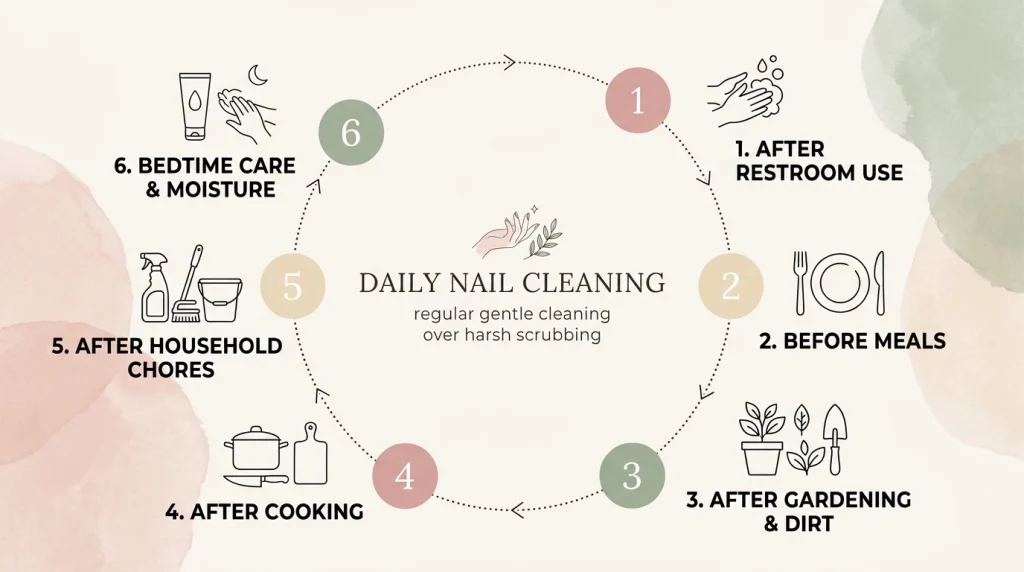
Long nails benefit from regular cleaning throughout the day rather than one intensive cleaning session every few days.
- After using the bathroom: Wash your hands with soap and water.
- Before preparing or eating food: Clean your hands and fingertips thoroughly.
- After gardening or handling dirt: Remove visible debris gently.
- After cooking: Clean your nails if food particles or residue have collected underneath them.
- After cleaning or household chores: Wash your hands and check for debris.
- Before bedtime: Complete a gentle cleaning routine if your nails need it and moisturize your hands.
You don’t need to scrub underneath your nails every time you wash your hands. A soft brush can be useful when visible dirt is present, but excessive brushing may irritate your skin.
How to Keep Long Acrylic and Gel Nails Clean
Artificial nails require additional attention because the space around nail enhancements can collect debris, and moisture may become trapped if the enhancement lifts from your natural nail.
Cleaning Long Acrylic Nails
Wash your hands regularly and gently clean the areas around your acrylic nail tips with a soft brush. Avoid pulling, lifting, or scraping your acrylics to remove dirt.
If you notice that an acrylic nail is lifting, don’t attempt to seal it back down with household glue. Contact a qualified nail technician to assess the enhancement.
Cleaning Long Gel Nails
Gel manicures should be cleaned with gentle handwashing. Avoid harsh scrubbing that could damage the finish or contribute to lifting.
If your gel polish begins to peel, resist the temptation to pick at it. Picking can damage the natural nail surface underneath.
Warning: Don’t Ignore Nail Lifting
When an artificial nail enhancement lifts, moisture and debris may collect in the gap. Don’t aggressively clean or pry open the area. Have the enhancement assessed and removed or repaired appropriately. If you notice pain, redness, swelling, or discoloration, seek professional advice.
Do’s and Don’ts for Keeping Long Nails Clean
Do
- Wash your hands regularly.
- Use a soft nail brush when needed.
- Dry your hands thoroughly.
- Keep your nail tools clean.
- Maintain a manageable nail length.
- Moisturize your cuticles.
Don’t
- Use sharp objects to scrape underneath nails.
- Bite or pick at your nails.
- Ignore artificial nail lifting.
- Share personal nail-cleaning tools.
- Scrub your nail beds aggressively.
- Leave dirty nails uncleaned after messy activities.
Pro Tips for Maintaining Beautiful, Clean Long Nails
1. Use Gloves for Messy Household Tasks
Wear protective gloves when gardening, washing dishes, or handling cleaning products. Gloves help reduce dirt buildup, protect your manicure, and limit exposure to irritating chemicals.
2. Keep Your Nail Length Practical
Very long nails can make everyday cleaning more challenging. If you frequently notice dirt accumulating underneath your nails, consider shortening them slightly while maintaining your preferred nail shape.
3. Clean Your Nail Brush Regularly
Your nail brush needs cleaning too. Rinse it thoroughly after use, remove visible debris, and allow it to dry completely. Replace it when the bristles become worn or the brush cannot be cleaned properly.
4. Avoid Using Your Nails as Tools
Opening cans, scratching labels, and digging into containers can collect dirt underneath your nail tips and increase the risk of breakage. Use appropriate tools instead.
Common Long Nail Cleaning Problems and How to Fix Them
Dirt Keeps Collecting Under Your Nails
Gently wash your hands and use a soft nail brush when visible debris is present. If the problem continues, consider reducing your nail length or wearing gloves during activities that involve dirt.
Your Nails Look Yellow or Stained
Surface staining may result from nail polish, pigments, or other substances. Give your nails a break from colored polish if appropriate and avoid aggressive whitening treatments. Persistent discoloration, especially with thickening or pain, should be assessed by a healthcare professional.
Your Nail Beds Feel Sensitive After Cleaning
Stop using the tool or brush that causes discomfort. Avoid scraping underneath the nail and allow irritated skin to recover. Persistent pain, swelling, or redness warrants professional evaluation.
Your Artificial Nails Have Debris Around the Edges
Wash your hands and gently clean around the nail enhancement with a soft brush. Don’t force a tool underneath a lifted enhancement. Have lifting or damage assessed by a nail technician.
Frequently Asked Questions
Q: How do you keep long nails clean every day?
Wash your hands with soap and water regularly, gently remove visible debris underneath your nail tips, and dry your hands thoroughly. Clean your nails after activities that leave dirt or residue behind.
Q: Is it safe to clean underneath long nails with a toothpick?
It’s better to avoid sharp toothpicks and other pointed objects. They can injure the sensitive skin underneath your nails. A soft nail brush is a safer choice for routine cleaning.
Q: Can you use a nail brush every day?
You can use a clean, soft nail brush when needed, but you don’t need to scrub underneath your nails aggressively every day. Gentle cleaning helps prevent irritation.
Q: Do long nails carry more dirt than short nails?
Longer nail tips provide more space for dirt and debris to collect underneath. Regular handwashing and careful nail hygiene help manage this buildup.
Q: How do you keep long nails clean while cooking?
Wash your hands before preparing food and after handling raw ingredients. Keep your nails clean, avoid touching food with dirty nail tips, and use food-safe gloves when appropriate for the task.
Conclusion: Keep Your Long Nails Clean and Beautiful
Keeping long nails clean doesn’t have to be difficult. Regular handwashing, gentle cleaning underneath your nail tips, thorough drying, and proper moisturizing can help you maintain beautiful nails while supporting good hygiene.
Choose a routine that works with your nail length and manicure style, and avoid aggressive cleaning tools that may cause damage. Save this guide to Pinterest so you can revisit these easy long-nail hygiene tips whenever you need them!
Editorial note: External research was not available for this run. The article provides general nail-hygiene guidance and does not replace individualized medical advice.
“`

Hi, I’m Jessica, the creator behind Unique Lash & Nails Katy.
I created this website for anyone who loves beautiful nails as much as I do. Here, I share trendy nail designs, seasonal manicure ideas, easy nail care tips, honest product recommendations, and step-by-step guides to help you create salon-worthy nails at home. Whether you’re looking for everyday inspiration or your next favorite nail trend, I hope you’ll find something you love.