Dry Nails vs Brittle Nails: Easy Ways to Tell & Treat
Quick Answer
Dry nails lack enough moisture and often look dull, rough, or flaky. Brittle nails are fragile nails that split, peel, crack, or break easily; dryness can be one cause, but repeated water exposure, manicure damage, and occasionally medical conditions can contribute too. If your nails feel dry, moisturize and protect them. If they keep breaking, combine moisture with shorter nails, gentler grooming, and a closer look at the cause.
You notice a rough nail surface, then a tiny split, and suddenly you’re wondering: are your nails dry or actually brittle? The difference matters because another bottle of nail oil won’t fix every kind of breakage.
This dry nails vs brittle nails guide helps you recognize the clues, choose realistic products, and build a routine that protects your natural nails without giving up your favorite manicure style forever.


Dry Nails vs Brittle Nails: What’s the Real Difference?
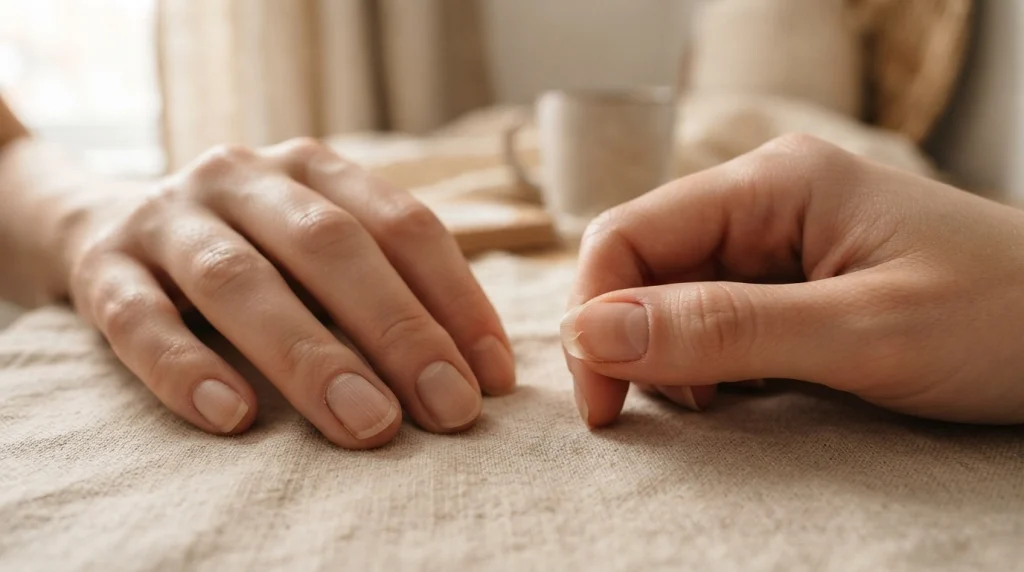
Here’s the important detail: dryness describes a moisture problem, while brittleness describes how easily a nail becomes damaged. Those problems overlap. A nail can be dry without breaking much, brittle without feeling particularly dry, or both at once.
Your nail plate is made mostly of hardened keratin. Unlike living skin, a damaged section of nail doesn’t heal itself back into a perfect plate. Moisturizers can condition the surface and reduce further damage, while healthier new nail gradually grows forward.
Dry Nails
- Dull, chalky, or rough-looking surface
- Tight, flaky cuticles or surrounding skin
- Edges may feel dehydrated or snag slightly
- Often feel better after regular moisturizing
Brittle Nails
- Repeated splitting, chipping, or cracking
- Tips peel into thin layers
- Length breaks during ordinary activities
- May feel hard and fragile or soft and bendy
Think of it this way: dry nails tell you about the condition of the nail and surrounding skin. Brittle nails tell you what happens when the nail meets everyday stress. Your treatment should address both if you notice both.
How Can You Tell Which Nail Problem You Have?
Signs your nails are mainly dry
Look closely after washing and thoroughly drying your hands. If the nail plates seem matte, the skin beside them feels tight, and the cuticles look ashy or flaky, dryness may be the main complaint. Your nails might still hold their length without constant snapping.
Dryness commonly becomes more noticeable in cold weather, after frequent sanitizer use, or following polish removal. It doesn’t mean you’re drinking too little water. Exposure on the outside of your hands is often the more immediate issue.
Signs your nails are genuinely brittle
If the free edge separates into visible layers, corners crack whenever you reach into your bag, or several nails break before you can grow them, brittleness is the more useful description. Peeling across the tip is sometimes called onychoschizia; lengthwise splitting or pronounced ridging can be described as onychorrhexis.
Those terms describe what you see, not automatically why it happened. Excess water, rough removal techniques, age-related changes, and other causes can produce similar-looking damage.
What if you have both?
That’s common. If your nail tips keep peeling and your cuticles feel dry, start with both moisture and protection. Take a photo of your bare nails today, keep them short, and compare again after several weeks of consistent care. New growth and fewer fresh splits are more useful clues than whether an oil makes your nails look shiny for an hour.
Why Do Nails Become Dry, Weak, or Brittle?
The biggest everyday culprits are surprisingly ordinary. Repeatedly soaking nails and then letting them dry makes the nail plate swell and shrink. Over time, that cycle can contribute to peeling and splitting. Strong detergents, frequent polish remover, and physical trauma add more stress.
- Frequent wet work: Dishwashing, repeated handwashing, and cleaning expose your nails to prolonged moisture and drying cycles.
- Manicure removal: Picking gel polish, scraping acrylic residue, or filing the natural nail too aggressively can remove protective nail layers.
- Long nail length: A long free edge has more leverage when it catches on clothing, keyboards, or packaging.
- Cold air and harsh products: Dry indoor air, detergents, and solvents can aggravate dryness around the nails.
- Health-related factors: Eczema, psoriasis, thyroid disorders, iron deficiency, infections, certain medications, and aging can contribute to nail changes in some people.
A nutrition deficiency isn’t the default explanation for every chipped nail. If your nails changed suddenly or you have other symptoms, speak with a healthcare professional rather than starting high-dose supplements on your own.
If you’re struggling with damage after a manicure, this guide on repairing a damaged nail safely at home explains what you can protect while the affected section grows out.
What’s the Best Treatment for Dry Nails?
Option 1: Use a simple moisturizing cream
What it does: A fragrance-free cream containing glycerin or other moisturizing ingredients helps condition the nail area and soften tight skin. Best for: Rough nails, frequent handwashing, and dry cuticles.
How to use it: After washing, pat your hands dry and massage a pea-sized amount over all ten nail plates, the cuticle lines, and fingertips. Repeat whenever your hands feel dry, especially before bed.
Pros: Affordable, quick, and useful for your whole hands. Limitation: Cream won’t permanently reattach layers that have already peeled away.
Option 2: Add a lightweight cuticle oil
What it does: A small amount of jojoba-based or mineral-based nail oil conditions the surface and helps reduce that rough, dry feeling. Best for: Anyone who prefers a less heavy option during the day.
How to use it: Massage a drop around each nail and along the free edge once or twice daily. You don’t need to soak your fingers in oil for half an hour.
Pros: Easy to keep in a handbag; helpful for maintaining soft-looking cuticles. Limitation: Oil alone can’t reverse structural damage or treat an infection.
If you want to compare formulas before buying, see which oils work best for weak, damaged, or brittle nails.
Option 3: Seal very dry skin overnight
What it does: A thin layer of petroleum jelly forms a protective barrier that slows moisture loss. Best for: Flaky cuticle edges and painfully dry-looking fingertip skin without signs of infection.
How to use it: Apply cream first, then smooth a little petroleum jelly around the nails before sleeping. Cotton gloves are optional if you want to keep the product off your bedding.
Pros: Inexpensive and fragrance-free in its plain form. Limitation: It feels greasy and won’t make a cracked nail instantly whole.
What Should You Do If Your Nails Keep Splitting or Breaking?
With brittle nails, reducing mechanical stress matters as much as moisturizing. Use this practical reset instead of layering on several strengthening treatments at once.
Keep the free edge short and smoothly shaped
Trim nails near fingertip length for now. Use sharp clippers and a fine-grit or glass file to round sharp corners gently. File without sawing aggressively across an already peeling tip. A smooth edge is less likely to snag and tear farther down.
Protect your hands during wet chores
Wear well-fitting household gloves whenever you’re washing dishes or handling cleaning products. If your hands sweat inside them, use breathable cotton liners and remove the gloves afterward so moisture isn’t trapped against your skin.
Stop peeling off enhancements
When gel, dip, or acrylic starts lifting, don’t pull it away. That can take natural nail layers along for the ride. Choose proper removal, limit unnecessary surface buffing, and consider a manicure break if your nails are already thin or sore.
Skip harsh hardeners as your first fix
Extremely rigid nails may crack instead of flexing. Some formaldehyde-containing hardeners can also irritate the surrounding skin. A gentle grooming routine and protection from wet work are better starting points for unexplained brittle nails.
Warning
Don’t glue a deep, painful split back together or cover an inflamed nail with acrylic or gel. Bleeding, swelling, pus, nail lifting, or a changing dark streak warrants medical evaluation rather than a cosmetic cover-up.
What Daily Routine Helps Both Dry and Brittle Nails?
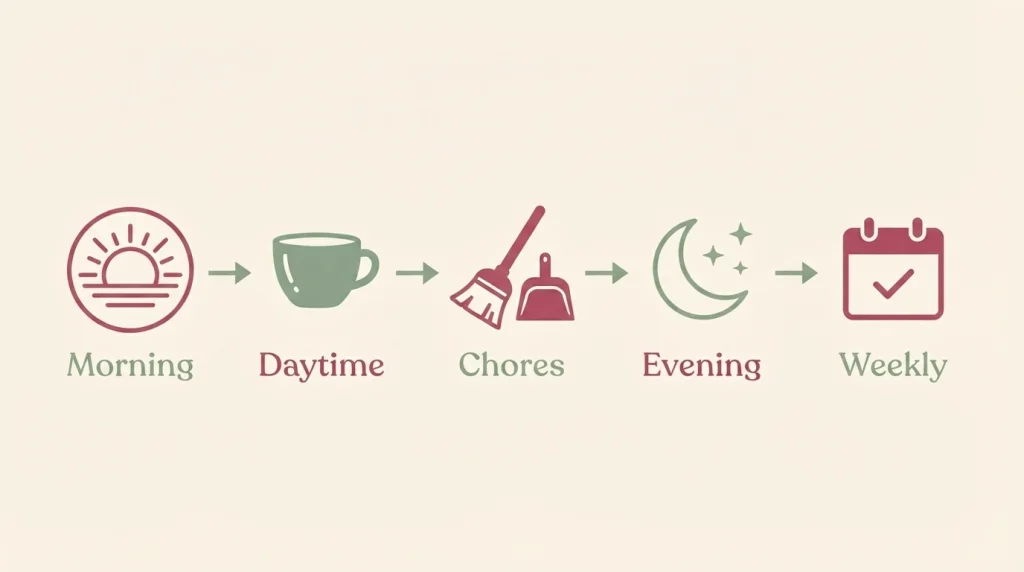
You don’t need a ten-product shelf. Make these small habits automatic and give them time to work.
- Morning: After washing, dry your hands and apply fragrance-free hand cream over your nails and cuticles.
- During the day: Reapply cream after frequent washing. Add a small amount of oil if the cuticle area feels tight.
- Before chores: Put on protective gloves for dishwashing and cleaning, then remove and dry them when finished.
- Evening: Check for snags, gently smooth only the rough edge, and moisturize again. Use petroleum jelly around dry cuticles if needed.
- Once a week: Look at new growth, trim excess length, and check whether you are seeing fewer fresh splits.
For a longer-term system you can maintain even when life gets busy, try this simple daily nail-care routine.
Which Nail Products Are Actually Worth Buying?
Choose products by the problem they solve, not by how dramatic the bottle’s claims sound. You may already own everything you need. The links below are Amazon search links, so you can compare ingredients, sizes, and prices rather than relying on a single listing.
Affiliate disclosure: As an Amazon Associate, we earn from qualifying purchases.
Recommended Product
Fragrance-Free Hand Cream with Glycerin
A practical first purchase if your nail plates and cuticles feel dry after handwashing.
As an Amazon Associate, we earn from qualifying purchases.
For targeted daytime care, a jojoba cuticle oil pen is easy to apply without coating your entire hand. For wet chores, cotton-lined dishwashing gloves can reduce repeated water and detergent exposure.
A fine glass nail file is another useful purchase if your tips snag often. Use gentle pressure; even a good file can damage nails when used roughly. Skip supplement bundles that promise overnight growth or instant repair.
How Long Does It Take for Dry or Brittle Nails to Improve?
Moisturized skin around your nails may feel more comfortable within days, but a nail plate that has already split won’t fuse itself together again. Your main goal is to prevent fresh damage while that weakened section grows out.
Fingernails typically grow about 3 millimeters per month, and complete replacement often takes around four to six months. Growth varies with age, health, and the individual nail. You may notice fewer snags after a few weeks of careful grooming, but judge lasting improvement over months rather than days.
Try taking a photo every four weeks in similar lighting. That makes it easier to see whether the newer nail near the cuticle looks smoother while older damage moves toward the tip.
Should You Stop Wearing Nail Polish?
Not necessarily. Regular polish doesn’t automatically make nails unhealthy, but repeated removal and rough manicure techniques can worsen dryness and brittleness. If your nails are comfortable and intact, you may choose a gentle regular-polish manicure rather than an enhancement that needs extensive filing or soaking.
If you’re already peeling, cracking, or sore, give your nails a period without enhancements so you can monitor them and avoid further removal trauma. Don’t buff away visible layers just to make polish sit flat. When you do remove color, work gently and moisturize afterward.
Curious whether bare nails are better for your situation? Explore what’s healthiest to put on your nails before buying another treatment polish.
What Should You Do and Avoid While Your Nails Recover?
Do
- Moisturize nails and skin after washing.
- Keep damaged tips short and smooth.
- Wear gloves for prolonged wet work.
- Let weakened nail gradually grow out.
Don’t
- Peel off gel, acrylic, or dip products.
- Scrub or buff thin nail surfaces.
- Use nails to pry open packaging.
- Assume every break means vitamin deficiency.
What Small Changes Make the Biggest Difference?
Pro Tip
Keep hand cream beside the sink, not only in your beauty drawer. Applying it immediately after washing makes consistent care easier than remembering one complicated treatment at night.
- Check both hands: If damage is worst on the fingers you use to pick stickers, open cans, or type forcefully, mechanical stress may be part of the story.
- Watch the free edge: Smooth a tiny snag promptly instead of waiting until it catches a sweater and becomes a deeper split.
- Separate appearance from progress: An oil can make a dull nail look glossy right away. Fewer new cracks and healthier growth are better measures of improvement.
- Keep your routine gentle: Strong fragrances, frequent polish changes, and aggressive cuticle cutting aren’t necessary for attractive natural nails.
When Should You See a Dermatologist About Brittle Nails?
Home care is reasonable for mild dryness and obvious cosmetic damage. Arrange medical advice if brittleness starts suddenly, persists despite gentle care, affects many nails without an explanation, or appears alongside fatigue, hair changes, or other new symptoms.
Get a nail examined if you notice pain, redness, swelling, pus, significant nail lifting, a thick yellow or crumbly nail, or an unexplained dark band that is new or changing. These signs can have causes that oil and nail strengthener won’t treat.
If a clinician suspects a deficiency or thyroid problem, they can decide whether testing is appropriate. Don’t self-prescribe high-dose iron or biotin. Biotin in particular can interfere with some blood tests, including tests used in urgent medical situations.
Dry Nails vs Brittle Nails: Frequently Asked Questions
Q: Are dry nails and brittle nails the same thing?
A: No. Dry nails lack moisture and may look dull or rough. Brittle nails are prone to cracking, peeling, or splitting. Dryness can contribute to brittleness, so you may have both at once.
Q: Can cuticle oil fix brittle nails?
A: Oil can help condition dry nail surfaces and surrounding skin, but it cannot glue split layers back together. Pair oil with shorter nails, protective gloves, and gentle removal habits for a more complete approach.
Q: Why do my nails peel even when I moisturize them?
A: Frequent water exposure, nail picking, polish removal, or old manicure damage can keep causing fresh splits. Moisturizer helps with dryness, but peeling usually needs less trauma and time for new nail to grow.
Q: Do brittle nails mean I’m low in iron?
A: Not necessarily. Iron deficiency is one possible cause, but everyday wet work and physical damage are common explanations. Ask a healthcare professional about testing if nail changes are unexplained or accompanied by other symptoms.
Q: How can I make brittle nails stronger naturally?
A: Keep them short, moisturize regularly, protect them from detergents and repeated soaking, and avoid picking or excessive filing. These habits reduce damage while healthier nail grows forward; persistent changes deserve evaluation.
What’s the Most Important Takeaway?
When you’re comparing dry nails vs brittle nails, remember that moisture and strength aren’t competing goals. Condition dry nails, protect fragile nails, and give existing damage time to grow out. You don’t need an expensive miracle treatment to begin.
Save this guide to your Pinterest nail-care board so your next manicure starts with healthier habits, not another round of peeling and breakage.

Hi, I’m Jessica, the creator behind Unique Lash & Nails Katy.
I created this website for anyone who loves beautiful nails as much as I do. Here, I share trendy nail designs, seasonal manicure ideas, easy nail care tips, honest product recommendations, and step-by-step guides to help you create salon-worthy nails at home. Whether you’re looking for everyday inspiration or your next favorite nail trend, I hope you’ll find something you love.