Common Nail Health Mistakes: 12 Habits to Avoid
Quick Answer
The most common nail health mistakes include peeling off gel polish, cutting your cuticles, over-filing, skipping moisturizer, using your nails as tools, and exposing them to cleaning chemicals without gloves. These habits can contribute to peeling, splitting, brittleness, and nail damage. You can protect your natural nails by moisturizing daily, removing manicures gently, keeping nails at a manageable length, and avoiding unnecessary trauma.
You might spend hours choosing the perfect Pinterest nail design, only to notice your natural nails becoming weaker underneath. The surprising part? Some of your everyday beauty habits could be contributing to the damage.
Many common nail health mistakes seem harmless at first. However, repeated filing, picking, harsh removal, and neglected cuticles can gradually leave your nails looking thin, dry, or uneven.
Here’s how to recognize 12 habits worth changing, understand why they matter, and build a simple nail care routine that supports healthier-looking nails without giving up your favorite manicures.


What Are the Most Common Nail Health Mistakes?
Most everyday nail damage doesn’t happen in one dramatic moment. Instead, repeated friction, moisture exposure, chemical contact, and improper manicure techniques can gradually weaken the nail plate.
Your visible nails are made primarily of hardened keratin. Unlike living skin, damaged portions of the nail plate cannot fully heal themselves. They must gradually grow forward as new nail forms underneath the cuticle area.
That makes prevention particularly important. Here are the mistakes to watch for.
1. Peeling Off Gel Polish Instead of Removing It Properly
Peeling gel polish is one of the most damaging manicure habits because the coating may pull superficial layers of your natural nail away with it.
When gel begins lifting around the edges, it’s tempting to grab a loose corner and peel everything off. Unfortunately, the bond between the gel and your nail can remain strong even when one small section has separated.
Repeated peeling can leave your nails with white patches, rough surfaces, and thin areas that bend or split easily.
What to do instead: Remove soak-off gel according to the manufacturer’s instructions, using controlled acetone wraps when appropriate. Never scrape away product that hasn’t loosened. Hard gel or certain extensions may require professional filing.
Warning
Never force gel, acrylic, or dip powder off your natural nails. If removal causes pain, bleeding, or significant nail lifting, stop and seek appropriate professional care.
2. Cutting Your Cuticles Too Aggressively
Perfectly clean cuticle lines look beautiful in close-up nail photography. However, cutting too deeply can create problems that aren’t worth the temporary appearance.
Your cuticle helps seal the space between your nail plate and surrounding skin. Removing living tissue around this protective area can increase irritation and create an opening for infection.
What to do instead: Soften dry skin with cuticle oil or hand cream. Avoid cutting or forcefully pushing back attached cuticle tissue. If you have a hangnail, carefully trim only the loose piece with clean clippers.
For a more complete routine, explore how to properly care for your nails without damaging the surrounding skin.
3. Filing Your Nails Too Aggressively
Filing helps maintain your preferred nail shape, but excessive pressure and coarse abrasives can make already fragile nails more vulnerable to splitting.
Repeatedly filing the top surface is especially problematic. Your nail plate has a limited thickness, and removing too much material can leave it unusually flexible or sensitive.
What to do instead: Use a fine-grit or glass nail file to smooth the free edge. Apply light pressure, avoid repeatedly dragging a coarse file across the nail surface, and stop filing once the shape is even.
If your nails are naturally thin, skip unnecessary surface buffing altogether.
4. Forgetting to Moisturize Your Nails and Cuticles
You probably moisturize your face and hands, but how often do you pay attention to your nails?
Frequent handwashing, dry weather, and cleaning products can leave the nail surface and surrounding skin feeling dry. Dry, brittle nails may be more likely to split or peel.
What to do instead: Massage a small amount of cuticle oil around your nails once or twice daily. Apply hand cream after washing your hands, and spread some over your nails rather than stopping at your knuckles.
A jojoba cuticle oil pen is a convenient option to keep in your handbag or desk drawer.
Pro Tip
Apply cuticle oil after washing and drying your hands, then follow with hand cream. This helps reduce the dry, tight feeling around your nails and makes regular moisturizing easier to maintain.
5. Using Your Fingernails as Tools
Opening soda cans, peeling stubborn labels, and scraping dried residue might seem convenient. Unfortunately, your nails weren’t designed for repeated prying and scraping.
These activities put pressure on the free edge, where cracks and breaks commonly begin. Longer nails may be particularly vulnerable because the added length increases leverage.
What to do instead: Use a proper tool for opening packages and scraping surfaces. Open cans with your fingertip pads or an appropriate opener, not the edge of your nail.
If your nails break frequently, keep them slightly shorter until their condition improves.
6. Washing Dishes and Cleaning Without Gloves
Repeated wetting and drying can be surprisingly hard on your nails.
Your nail plate absorbs water and expands slightly when wet. As it dries, it contracts. Frequent cycles can contribute to splitting and peeling, especially when nails are already fragile.
Household detergents and cleaning solutions can also irritate your skin and make dryness worse.
What to do instead: Wear well-fitting protective gloves during dishwashing, bathroom cleaning, and other extended wet tasks. Dry your hands thoroughly afterward and apply moisturizer.
Choose comfortable reusable household cleaning gloves so you’re more likely to wear them consistently.
7. Wearing Nail Extensions That Are Too Long for Your Lifestyle
Extra-long acrylics and dramatic nail shapes can look stunning, but they aren’t always practical for every daily routine.
Long extensions create leverage when they catch on clothing, furniture, or other objects. A strong impact can damage the enhancement, lift the natural nail, or injure the nail bed.
What to do instead: Choose a nail length that fits your work and activities. If you type frequently, play sports, or do hands-on tasks, consider shorter almond, oval, or rounded-square nails.
Visit a qualified nail technician when extensions lift or break instead of repairing deep cracks yourself.
8. Reapplying Nail Enhancements Over Already Damaged Nails
When your nails look thin after removing acrylics or gel, covering them immediately with another enhancement might seem like the easiest solution.
However, repeated filing, buffing, and removal can make existing damage worse if the original cause hasn’t been addressed.
What to do instead: Inspect your natural nails after removal. If they look severely thinned, rough, or tender, avoid unnecessary procedures and give the affected areas time to grow out.
You don’t necessarily need a permanent break from manicures. The important part is reducing repeated trauma and ensuring your nails are healthy enough for the next service.
Learn more about whether nails are healthier without polish and when a temporary manicure break may help.
9. Biting Your Nails or Picking the Skin Around Them
Nail biting often happens automatically when you’re distracted, anxious, or bored. Unfortunately, repeated biting creates irregular edges that can catch and tear.
Picking the surrounding skin can cause small wounds and increase the risk of irritation or infection.
What to do instead: Keep your nails neatly trimmed, smooth rough edges promptly, and try replacing the habit with a small fidget object.
A bitter-tasting nail coating may help some people, but avoid applying it to injured skin. If biting causes repeated bleeding or feels difficult to control, consider getting support from a healthcare professional.
10. Sharing Nail Tools Without Proper Cleaning
Sharing nail clippers, files, or cuticle tools without appropriate hygiene can transfer microorganisms, particularly when tools contact broken skin.
Disposable files and porous buffers may be difficult to disinfect adequately. Reusing them between people isn’t a good habit.
What to do instead: Keep a personal nail kit, clean reusable tools after use, and follow suitable disinfection procedures when tools are shared.
At salons, look for clean workstations, properly processed reusable instruments, and single-use items where appropriate.
11. Using Harsh Nail Products Too Frequently
Acetone and other nail solvents have legitimate uses, but repeated exposure can temporarily dry the nail plate and surrounding skin.
The bigger problem is combining frequent chemical exposure with aggressive scraping, excessive buffing, or repeated enhancement removal.
What to do instead: Use the correct remover for your manicure system and follow product directions. Avoid prolonged unnecessary soaking and moisturize after removal.
Don’t assume that every acetone-free product is automatically gentler or that homemade removal methods are effective.
For additional guidance, see why vinegar and coconut oil aren’t reliable gel polish removers.
12. Ignoring Persistent Changes in Your Nails
Not every nail problem comes from a manicure mistake.
Persistent discoloration, unusual thickening, nail separation, swelling, and painful changes may indicate a condition that needs medical attention.
Covering these changes with polish or extensions can make them harder to monitor and may delay appropriate care.
What to do instead: Pay attention to new or worsening symptoms. Seek medical evaluation for unexplained dark streaks, persistent green or yellow discoloration, pain, swelling, drainage, or significant nail lifting.
Our guide to common signs of unhealthy nails explains other changes worth recognizing.
How Can You Tell If Your Nail Habits Are Causing Damage?
Your nails often show subtle changes before more obvious problems develop. Watch for patterns that appear after particular products, manicure services, or daily activities.
- Peeling tips: Layers separate near the free edge, sometimes after repeated wetting or removal trauma.
- Frequent splitting: Nails crack before reaching your preferred length.
- Rough white patches: Surface changes may follow picking, scraping, or aggressive enhancement removal.
- Unusual flexibility: Excessive filing can leave the nail plate thinner than normal.
- Dry, cracked surrounding skin: Frequent washing, irritants, or insufficient moisturizing may contribute.
- Persistent soreness: Pain is not a normal consequence of a healthy manicure and deserves attention.
These signs don’t automatically confirm a specific cause. If changes persist despite gentler care, affect several nails, or appear without an obvious explanation, consult a healthcare professional.
What Should You Do and Avoid for Healthier Nails?
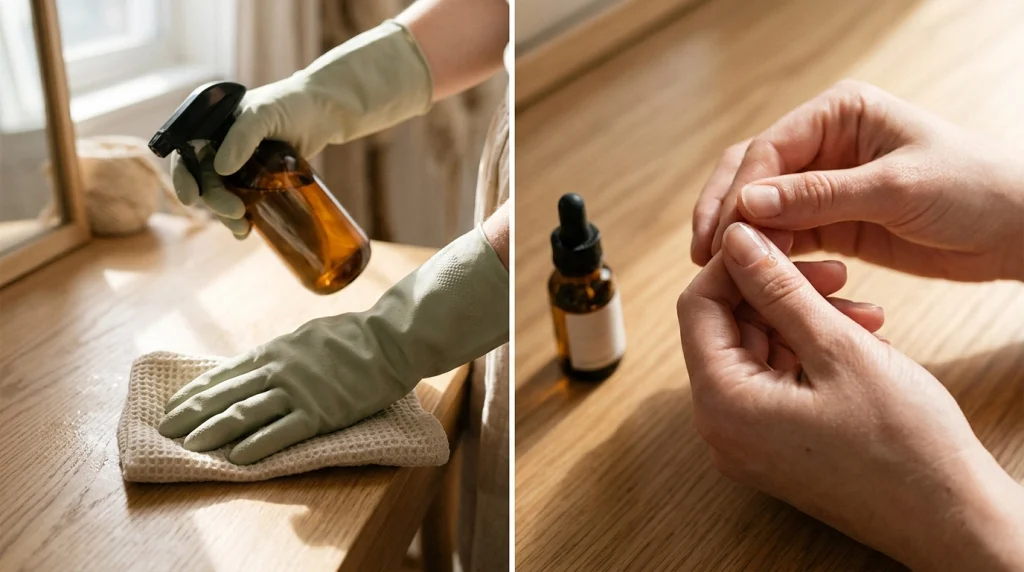
You don’t need an expensive collection of nail treatments. A few consistent habits can make your routine much gentler.
Do
- Moisturize nails and cuticles daily.
- Wear gloves for wet cleaning tasks.
- File rough edges gently.
- Keep nail tools clean.
- Remove manicures properly.
- Choose practical nail lengths.
Don’t
- Peel off gel or acrylics.
- Cut living cuticle tissue.
- Over-buff thin nails.
- Use nails to open objects.
- Ignore painful nail changes.
- Cover suspicious discoloration.
How Can You Fix Common Nail Health Mistakes With a Simple Daily Routine?
The best nail care routine is one you can actually maintain. Rather than using multiple treatments at once, focus on preventing damage and keeping your nails comfortable.
Morning: Protect Before Your Day Starts
- Wash your hands gently and dry them thoroughly.
- Apply hand cream over your nails and surrounding skin.
- Add a small amount of cuticle oil if your skin feels dry.
- Check for rough edges that could catch on clothing.
During the Day: Reduce Repeated Damage
- Reapply moisturizer after frequent handwashing.
- Wear gloves for dishes, cleaning, and prolonged wet work.
- Use proper tools instead of your fingernails.
- Avoid picking at polish or biting dry cuticles.
Evening: Give Your Nails Extra Moisture
- Massage cuticle oil into each nail and the surrounding skin.
- Use a fragrance-free hand cream if your skin is sensitive.
- Apply a thin layer of petroleum jelly over very dry areas when needed.
- Keep nails comfortably short while damaged portions grow out.
Pro Tip
Keep a mini cuticle oil pen beside your hand cream. Pairing the two products makes it easier to remember daily nail care without adding a complicated beauty routine.
How Long Does It Take to Recover From Nail Damage?
Recovery depends on what caused the damage and how much of the nail plate is affected.
Dry skin around your nails may feel more comfortable within several days of consistent moisturizing. Small splits at the free edge can often be trimmed away as the nail grows.
However, a significantly thinned or damaged nail plate usually needs much longer because the affected section must grow out.
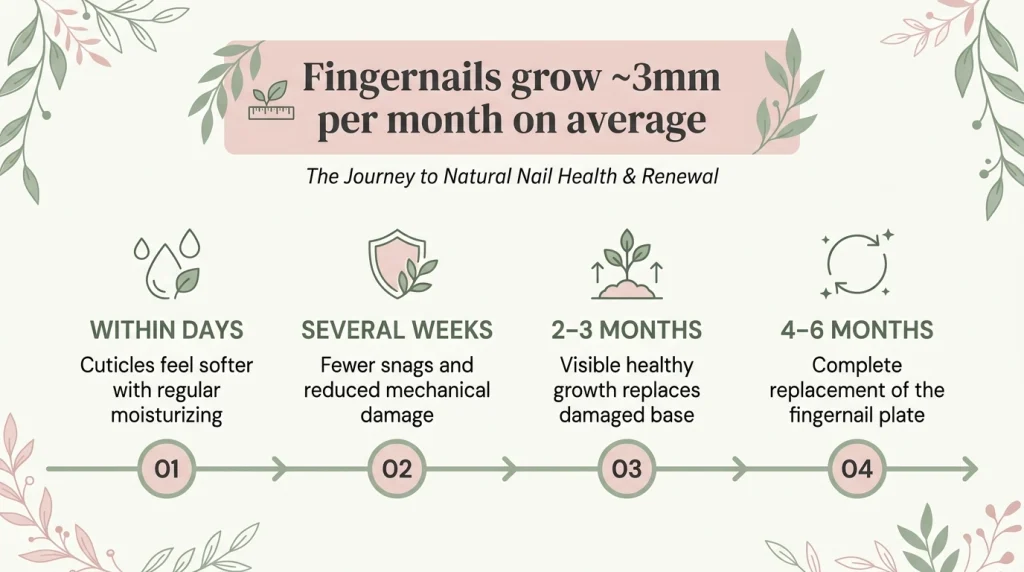
Fingernails grow approximately 3 millimeters per month on average. Completely replacing a fingernail commonly takes around four to six months, although individual growth rates vary.
- Within days: Dry cuticles may feel softer with regular moisturizing.
- After several weeks: You may notice fewer new snags if you’ve reduced mechanical damage.
- After two to three months: More new nail growth becomes visible near the base.
- After four to six months: Many fingernails can replace most or all of an originally damaged nail plate.
These are general expectations, not guaranteed recovery deadlines. Continued trauma, underlying nail conditions, or injuries affecting the nail-growing area can change the outcome.
Which Nail Care Products Are Actually Worth Buying?
You don’t need an overflowing manicure drawer. These three practical essentials can help you avoid common nail health mistakes.
Recommended Product
Jojoba Cuticle Oil Pen
A portable cuticle oil pen makes daily moisturizing convenient and helps soften dry skin around your nails. Look for a simple formula if you’re sensitive to fragrance.
As an Amazon Associate, we earn from qualifying purchases.
Recommended Product
Fine-Grain Glass Nail File
A quality glass file can help you smooth small snags without relying on a coarse abrasive. Use gentle strokes and avoid over-filing.
As an Amazon Associate, we earn from qualifying purchases.
Recommended Product
Reusable Household Cleaning Gloves
Comfortable household gloves protect your hands during dishwashing and cleaning, reducing repeated water and detergent exposure.
As an Amazon Associate, we earn from qualifying purchases.
What Extra Habits Help Keep Natural Nails Healthy?
Once you’ve corrected the most obvious mistakes, a few additional habits can make nail care easier.
Choose a Nail Shape That Minimizes Snagging
Rounded or softly oval nails have fewer sharp corners to catch on fabric. If your nails split easily, try a shorter rounded shape while they grow.
Avoid Overusing Nail Hardeners
Some strengthening products help temporarily reinforce nails, but not every formula suits every nail type. Certain hardeners may make already brittle nails feel less flexible and more prone to breaking.
Follow product instructions and stop using a treatment if irritation develops.
Eat a Balanced Diet Instead of Relying on Supplements
Your nails need adequate nutrition for normal growth. Protein, iron, zinc, and other nutrients play roles in overall health, but taking extra supplements won’t necessarily strengthen nails when you don’t have a deficiency.
High-dose biotin can interfere with certain laboratory tests. Talk with a healthcare professional before using supplements for persistent nail problems.
Photograph Your Natural Nails Occasionally
Take a clear picture every few weeks if you’re recovering from cosmetic damage. Comparing photographs can help you recognize new growth and see whether damaged areas are gradually moving toward the tips.
Don’t rely on photographs to diagnose unexplained nail changes, though. Persistent or concerning symptoms should be professionally assessed.
Frequently Asked Questions About Common Nail Health Mistakes
Q: What is the biggest mistake people make with their nails?
A: Peeling off gel, acrylic, or other bonded nail enhancements is one of the most damaging common habits. It can remove superficial nail layers and leave the natural nail thin, rough, and vulnerable to splitting.
Q: Does wearing nail polish every day damage your nails?
A: Wearing ordinary nail polish doesn’t automatically damage healthy nails. Problems are more likely when you repeatedly peel polish, use harsh removal methods, or file the natural nail excessively.
Q: Can damaged nails become healthy again?
A: Many nails damaged by cosmetic habits can improve as new nail grows. The damaged nail plate itself doesn’t regenerate, so protecting it from further trauma while it grows out is essential.
Q: Should you cut your cuticles to keep nails healthy?
A: No. Your cuticle helps protect the nail-growing area. Moisturize dry skin instead of cutting living tissue, and carefully trim only loose hangnails with clean tools.
Q: How can you prevent nails from peeling and breaking?
A: Keep nails at a practical length, moisturize regularly, wear gloves during wet cleaning, smooth rough edges gently, and avoid peeling off manicures. Seek medical advice if splitting or peeling persists without an obvious cause.
How Can You Stop Making Common Nail Health Mistakes?
Healthy-looking nails don’t require perfect manicures or expensive products. The biggest improvements often come from changing small daily habits: stop peeling polish, protect your hands during cleaning, keep cuticles intact, and moisturize consistently.
Choose two or three changes to start today, then give your nails time to grow without repeated damage. Save this guide on Pinterest so you can revisit these common nail health mistakes before your next manicure.

Hi, I’m Jessica, the creator behind Unique Lash & Nails Katy.
I created this website for anyone who loves beautiful nails as much as I do. Here, I share trendy nail designs, seasonal manicure ideas, easy nail care tips, honest product recommendations, and step-by-step guides to help you create salon-worthy nails at home. Whether you’re looking for everyday inspiration or your next favorite nail trend, I hope you’ll find something you love.