How to Prevent Nail Splitting: 8 Easy Habits That Help
Quick Answer
To prevent nail splitting, keep your nails short with softly rounded edges, moisturize the nail plates and cuticles after handwashing, and wear protective gloves for dishes and cleaning. File snags gently, avoid peeling off gel polish or buffing the nail surface, and stop using your nails as tools. Existing splits must grow out, but these habits can help protect new growth.
Time needed
5 minutes daily; 10 weekly
Difficulty
Beginner
Items needed
4 basic essentials
Result lasts
Ongoing with consistency
One day your nails look smooth, and the next a tiny split catches on your sweater. If this keeps happening, you probably need less aggressive nail maintenance, not another miracle strengthening treatment. The right prevention routine protects the edges you have now while healthier-looking nail grows in. Here’s how to make those small changes without giving up every manicure you love.


Why do your nails keep splitting in the first place?
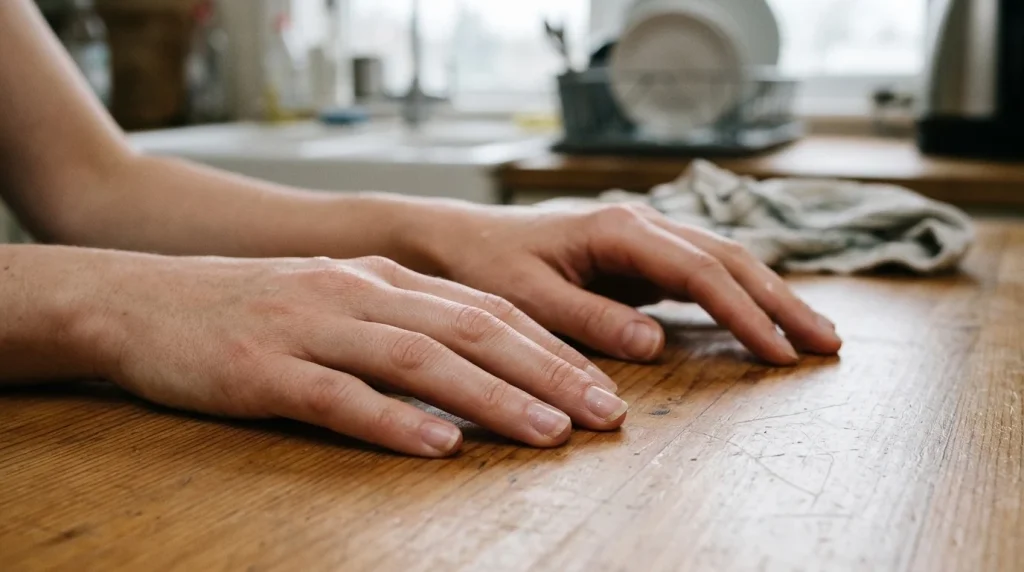
Your nail plate is made of layers of hardened keratin. Those layers can separate at the free edge, creating horizontal peeling or splitting, sometimes called onychoschizia. A lengthwise crack is different: it may begin at the tip, follow a ridge, or occasionally relate to an injury or nail condition. Both deserve gentler handling, but a deep or persistent lengthwise split needs closer attention.
For many people, the biggest trigger is repeated wetting and drying. Water temporarily changes the nail’s flexibility; drying, detergents, friction, and repeated polish removal add stress. Long tips then catch on everyday objects and turn weak spots into visible tears. If your fingernails split while your toenails stay strong, daily hand exposure may be part of the explanation.
Other contributors include picking off gel, aggressive surface buffing, pushing or cutting cuticles, nail biting, and using your nails to open packaging. Medical problems or nutrient deficiencies are possible but not the usual explanation for every brittle nail. For a deeper look at these triggers, see our guide to common causes of weak nails.
What do you need to stop your nails from splitting?
You don’t need an expensive nail recovery kit. Start with tools that reduce stress rather than promising to make your nail plate rock-hard:
- A fine glass nail file: A smooth fine-grit glass nail file helps tidy rough corners without scraping the top of the nail.
- Clean, sharp nail clippers: Choose a small pair that cuts without crushing or tearing an edge.
- Protective gloves: Keep cotton-lined dishwashing gloves near the sink so you actually use them.
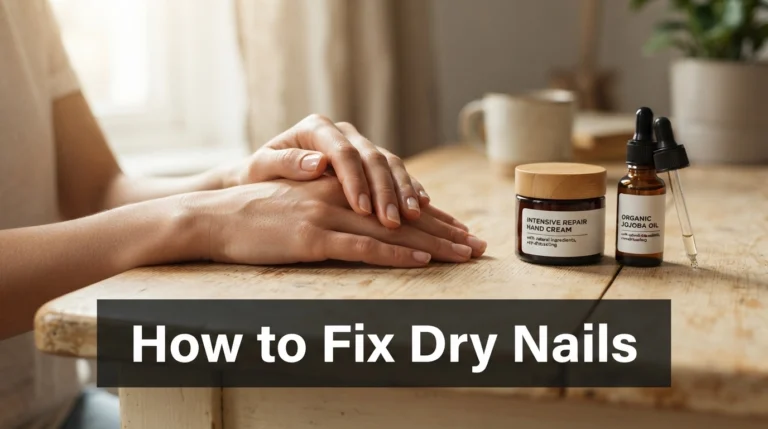
- A simple moisturizer: Use fragrance-free hand cream on the nails and surrounding skin, plus plain petroleum jelly if you prefer a thicker bedtime barrier.
Cuticle oil is optional if you enjoy it, not a requirement for healthy nails. The essential purchase is whichever moisturizer you’ll reapply. Avoid piling on treatments that sting, make nails excessively rigid, or require frequent stripping with remover.
Warning
Don’t pull apart a split or seal a painful crack that reaches the attached nail bed with household superglue. That can worsen injury, trap irritants, or delay appropriate care. Keep the area protected and seek medical advice for bleeding, severe pain, lifting, redness, or swelling.
How can you prevent nail splitting step by step?
Make this your basic prevention sequence. It’s designed for natural nails that are peeling, catching, or repeatedly breaking at the tips—not for treating an infection or a deep nail injury.
1
Trim back vulnerable length
Keep your nails short enough that the fingertip, rather than a long nail edge, meets a tabletop first. Cut almost straight across, leaving a little free edge, and don’t clip into the pink attached area. Shorter nails have less leverage when you bump a door, zip a bag, or type.
Common mistake: Cutting the nail flush against your skin or taking one huge bite with the clipper can create a new tear.
2
Smooth and round each corner
File only the free edge with light, controlled strokes, moving in one direction when practical. Aim for a soft oval or rounded-square shape without sharp side corners. Gently remove any snag as soon as you notice it, before a tiny catch becomes a larger split.
Common mistake: Filing down the broad nail surface to erase ridges removes protective thickness and may worsen splitting.
3
Shield your hands during wet chores
Put on well-fitting protective gloves before washing dishes, scrubbing counters, or handling cleaning products. If your hands sweat inside, use a cotton lining, take breaks, and dry your hands afterward. The goal is fewer long wet-to-dry cycles, not avoiding normal hand hygiene.
Common mistake: Wearing sweaty, damp gloves for hours can leave your nails and surrounding skin irritated.
4
Moisturize after every wash
Pat your hands dry, then massage a small amount of cream over each nail plate, cuticle area, and fingertip. Repeat before bed; use petroleum jelly over very dry areas if needed. This helps limit dryness and keeps the surrounding skin comfortable, even when frequent washing is unavoidable.
Common mistake: Moisturizing only your palms leaves the nails and dry edges—the areas that need attention—untouched.
Prefer a lighter oil for daytime and a richer barrier at night? Our Vaseline versus cuticle oil comparison explains how each fits into an everyday routine.
5
Leave your cuticles intact
Keep the thin protective seal at the base of your nails rather than cutting it away for a perfectly bare crescent. Soften dry skin with moisturizer. If a hangnail is loose, trim only the detached piece using clean tools instead of tugging at living skin.
Common mistake: Cutting or forcefully pushing back cuticles can injure the protective nail fold and invite irritation or infection.
6
Stop peeling, scraping, and picking
Use a tool to open cans, lift stickers, and pry lids. Resist picking polish from a chipped nail, especially if you wear gel or dip. Removing a stuck coating by force can take surface nail layers with it, leaving a thinner tip that splits again.
Common mistake: Thinking that peeling off one lifting corner is harmless; the attached coating may pull nail material away.
7
Simplify manicure removal
If your nails are fragile, choose a manicure that’s easy to remove and avoid changing polish every couple of days. Both acetone and non-acetone removers can dry the nail with repeated use. Follow the coating’s removal directions, work gently, and moisturize afterward.
Common mistake: Trying to rub away stubborn gel with harsh scraping instead of using the proper removal method.
You don’t necessarily have to quit regular lacquer. The bigger concern is how often you prep, strip, buff, and remove it. Read our guide to whether nails are healthier without polish before deciding what to wear next.
8
Check for snags once a week
Look at your nails in natural light. Notice which fingertips peel first, whether the damage follows a manicure, and whether a particular chore makes the edges worse. Lightly smooth rough tips, but don’t repeatedly file healthy nail just because you’re checking it.
Common mistake: Trying a different serum every few days makes it impossible to tell which protective habit is actually helping.
Should you use a nail hardener to prevent splitting?
Be cautious with products marketed as extra-hard or instantly stronger. A nail that feels stiffer isn’t necessarily less likely to crack: excessive rigidity and repeated remover exposure can make fragile nails worse. Some strengthening formulas also contain ingredients that irritate sensitive nail folds. Don’t use a harsh hardener to compensate for ongoing wet work or mechanical damage.
If you like a clear, traditional polish, use a gentle, easily removed formula and keep the removal schedule reasonable. Consider leaving your nails bare while they’re unusually thin, sore, or peeling after enhancements. You can still have neat-looking nails with short tips, healthy cuticles, and regular moisture—without another layer of product.
Pro Tip
Keep a small tube of cream beside your sink and another by your bed. When the product is already within reach, moisturizing after washing becomes a habit instead of another beauty chore to remember.
What should you do if a nail has already started splitting?
A small, painless split confined to the white free edge may be manageable at home. Carefully trim the nail shorter if you can do so without pulling attached tissue, then gently smooth the edge. Avoid catching it on clothing, and protect the nail while the damaged portion grows forward.
If the crack runs into the pink attached part, bleeds, hurts, or keeps extending toward the cuticle, don’t cut or glue over it yourself. Cover it with a clean, nonstick dressing if it’s catching and arrange medical advice. Recurrent splitting of the same nail can sometimes indicate an underlying nail problem that needs examination.
Remember that moisturizer doesn’t fuse torn keratin layers back together. Your best strategy is preventing additional damage while new nail replaces the affected area. For more on that process, explore how a damaged nail grows back.
How long does it take to see less nail splitting?
You can reduce new snags immediately by trimming rough tips and wearing gloves. But visible improvement takes patience because the split section cannot simply heal in place. Fingernails generally need several months—often around four to six—to grow out fully, and your pace may vary. Watch the new nail emerging at the base rather than expecting the old tip to become flawless in a week.
Try this repeatable schedule: after each handwash, dry and moisturize; during wet chores, use gloves; before bed, apply another layer of cream; and once weekly, check length and smooth only the rough edges. If you want a broader schedule alongside your manicure habits, our simple guide to caring for your nails puts those basics together.
Take a photo of clean, bare nails once a month in similar lighting. Look for fewer fresh splits near the tips and smoother new growth. A monthly comparison is more meaningful than staring at your nails every morning, and it helps you notice whether the same finger repeatedly develops a crack.
What are the biggest do’s and don’ts for splitting nails?
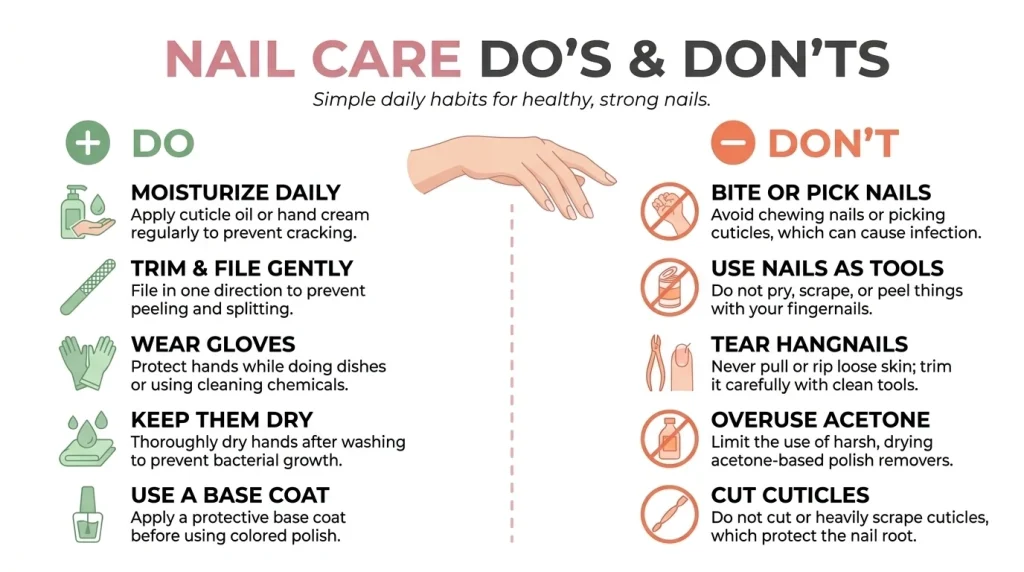
Do
- +Keep your nail tips short and softly rounded.
- +Moisturize nails and cuticles after washing.
- +Wear gloves for prolonged wet or chemical work.
Don’t
- −Peel gel, acrylic, or dip products off.
- −Buff ridges until the nail surface is thin.
- −Use nails to pry, scrape, or open things.
When is nail splitting a sign you should see a dermatologist?
Everyday splitting at the free edge often responds to less exposure and gentler care. But don’t assume every nail change is cosmetic. Ask a dermatologist or healthcare professional about repeated deep vertical cracks, a nail lifting away from its bed, marked thickening, changes affecting only one nail, or splitting that continues despite a careful routine.
Seek prompt evaluation for increasing pain, swelling, warmth, pus, bleeding, or a new dark streak that isn’t clearly explained by an injury. Mention other symptoms such as fatigue or changes in skin and hair, because a clinician may consider conditions such as iron deficiency, thyroid disease, psoriasis, or infection based on the full picture. Avoid starting high-dose biotin simply for splitting nails; benefits are uncertain and biotin supplements can interfere with some laboratory tests.
Frequently asked questions about preventing nail splitting
Q: Why do my nails split in layers at the tips?
A: Repeated water exposure, detergents, friction, and manicure damage can cause layers of the nail plate to separate. Keep your nails short, moisturize regularly, and protect them during wet chores.
Q: Does cuticle oil actually prevent nail splitting?
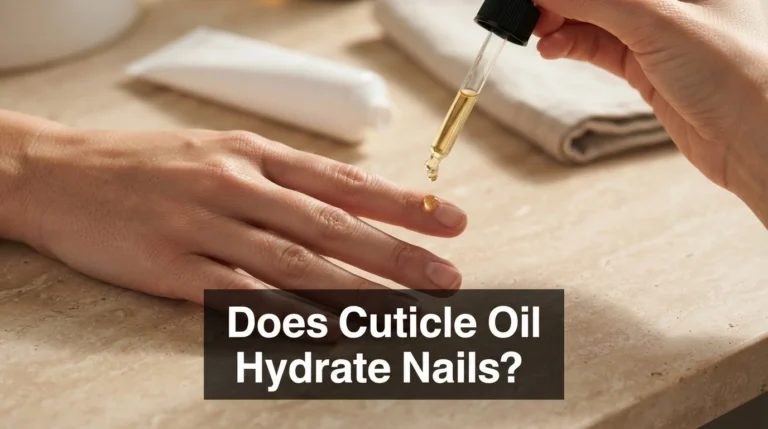
A: Cuticle oil can help condition dry nails and surrounding skin, but it’s not a cure for existing cracks. A plain hand cream or petroleum jelly can also support moisture; reducing repeated damage matters just as much.
Q: Can nail polish stop a nail from splitting?
A: Ordinary polish may give a temporary protective coating, but it cannot permanently repair a split. Repeated removal, scraping, and very rigid hardeners may leave brittle nails worse, so use polish gently.
Q: Do I need vitamins for nails that keep splitting?
A: Not usually. Most routine splitting is related to exposure or trauma, though a clinician may investigate a deficiency or medical condition if your symptoms suggest one. Don’t self-prescribe high-dose supplements.
Q: Will a split nail heal on its own?
A: A split in the nail plate doesn’t knit back together like skin. Small splits may be trimmed away as they grow out, while painful, deep, or persistent splits need professional assessment.
Make your next nail growth cycle gentler
Learning how to prevent nail splitting isn’t about finding the strongest coating. It’s about giving your nails fewer chances to snag, dry out, or lose their surface layers. Start with short, smooth tips, gloves, and daily moisturizer. Save this guide on Pinterest so your simple nail-protection routine is always easy to find.

Hi, I’m Jessica, the creator behind Unique Lash & Nails Katy.
I created this website for anyone who loves beautiful nails as much as I do. Here, I share trendy nail designs, seasonal manicure ideas, easy nail care tips, honest product recommendations, and step-by-step guides to help you create salon-worthy nails at home. Whether you’re looking for everyday inspiration or your next favorite nail trend, I hope you’ll find something you love.