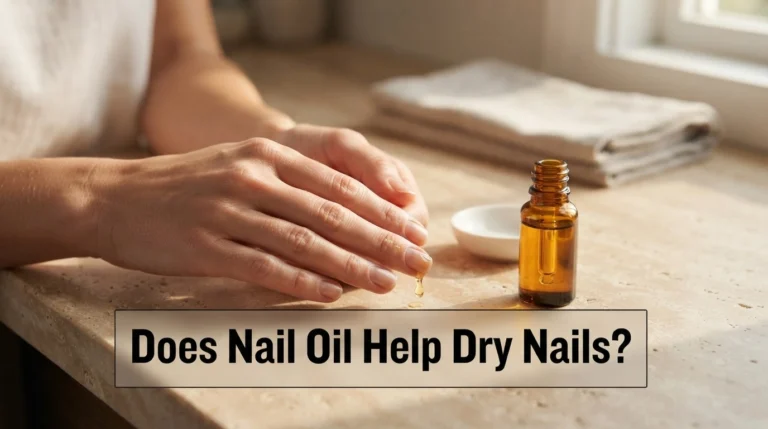
How to Strengthen Nails: 9 Easy Habits That Help
Quick Answer
To strengthen nails, moisturize your nails and cuticles daily, wear gloves for wet chores, keep nail tips short and smooth, and stop picking off polish or gel. Choose gentle manicures and eat balanced meals with enough protein and iron. You’ll likely prevent some new breaks quickly, but stronger-looking nail growth takes months, not days.
If your nails peel at the tips, bend when you reach for something, or break just as they’re getting longer, another miracle-strengthener bottle probably isn’t your first priority. Your habits matter more than an elaborate routine.
This guide shows you how to strengthen nails without giving up manicures. You’ll get nine practical habits, a realistic timeline, and product choices that help you protect the nail you already have.


Why Are Your Nails Weak or Breaking So Easily?
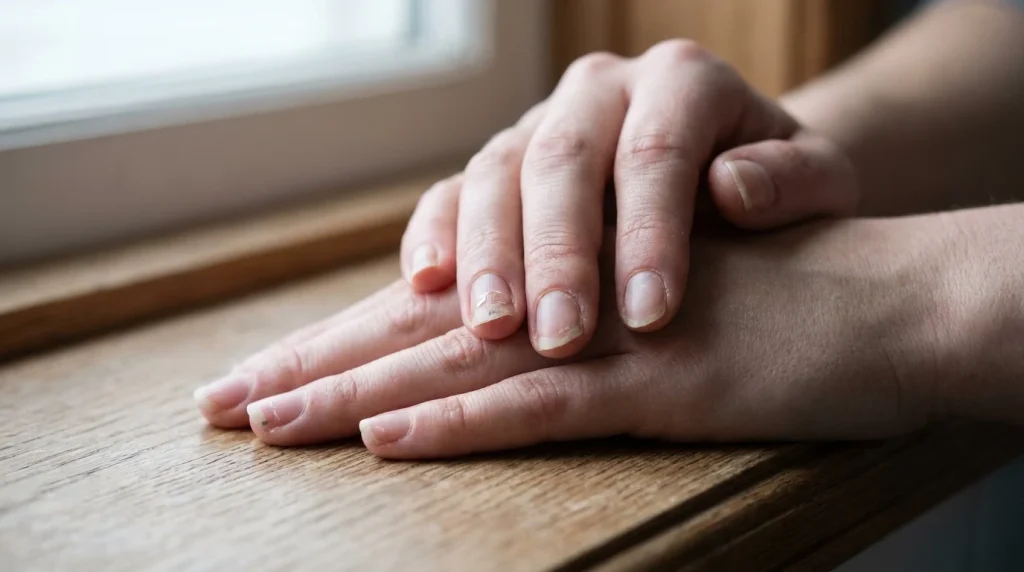
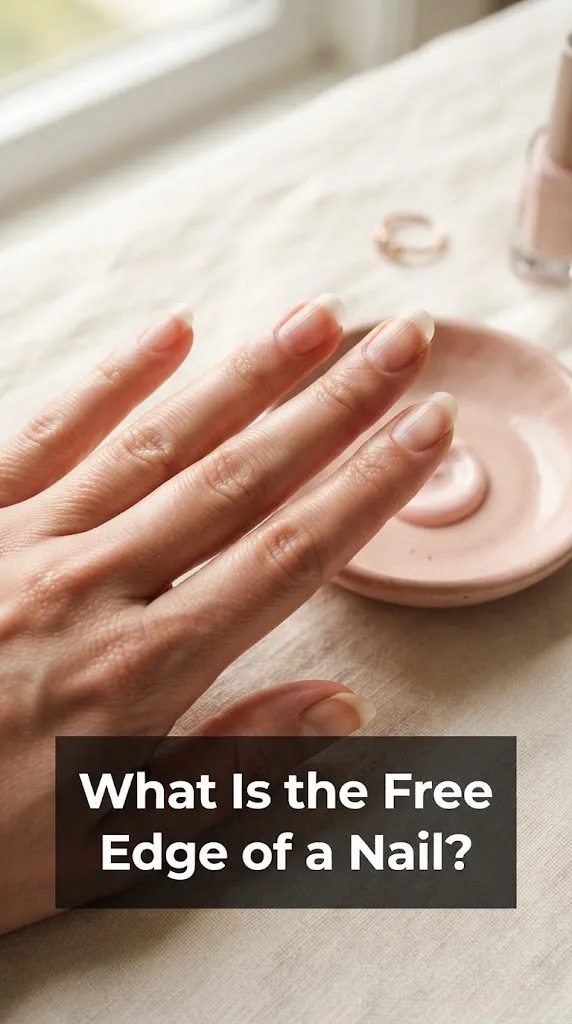
Your nail plate is made mainly of keratin, a tough protein arranged in layers. Those layers need a sensible balance of moisture and flexibility. Repeated soaking, drying, friction, and rough product removal can leave the free edge splitting or peeling. A nail can feel hard yet still break easily if it’s too rigid.
Common causes include frequent dishwashing, harsh detergents, biting or picking, aggressive buffing, long nail extensions, and removing gel by peeling it away. Sometimes brittleness also comes from aging, an underlying skin condition, iron deficiency, or a thyroid problem. A nail-care routine can reduce outside damage, but it can’t treat an undiagnosed medical condition.
Notice where the trouble begins. Tips that peel after cleaning or a gel removal often suggest repeated stress. Nails that change suddenly across several fingers, become painful, lift, or develop unusual discoloration deserve a medical opinion rather than another cosmetic treatment.
How Can You Strengthen Nails Naturally? Try These 9 Habits
1. Moisturize Your Nails and Cuticles Every Day
Think of moisturizing as basic maintenance, not a one-time rescue. After washing your hands, massage a fragrance-free hand cream over your fingertips, nail plates, and skin around each nail. At bedtime, add a little cuticle oil or petroleum jelly so your nails aren’t left feeling dry overnight.
Look for a cream containing glycerin or petrolatum; both help keep the area moisturized. A jojoba-based oil is a convenient option if you prefer something lightweight. It won’t magically bond split nail layers together, but regular moisturizing can help reduce dryness and make surrounding skin less likely to crack.
Keep a cream near your sink and a small oil pen by your bed. If you’re starting from scratch, this daily nail care routine can help you build the habit without adding extra steps.
2. Wear Gloves When Your Hands Are in Water
One of the biggest nail-strengthening changes happens outside your manicure routine. Repeated wetting and drying can make the nail plate expand and contract, contributing to peeling and brittleness over time.
Slip on household gloves before washing dishes, scrubbing the bathroom, or handling cleaning products. If your hands get sweaty, dry them during breaks and consider a thin cotton liner inside waterproof gloves. The goal is to protect your nails without trapping moisture against your skin for long periods.
Normal handwashing is important; you don’t need to avoid it. Just dry your hands afterward and moisturize when possible. For a closer look at the connection between soaking and splitting, read how hot water can damage your nails.
3. Keep Your Nail Tips Short, Smooth, and Practical
Long nail tips act like little levers. When they hit a keyboard, door handle, or countertop, pressure concentrates at the free edge. If your nails are already peeling, keeping them close to fingertip length helps reduce the chances of another snag turning into a break.
Trim with sharp, clean clippers, then use a fine-grit or glass nail file to soften the corners. A short oval or soft-square shape is an easy place to start. Move the file in controlled strokes rather than pressing hard or sawing rapidly. You only need to remove roughness, not thin the whole nail.
Keep a small file in your bag for emergency snags. Smoothing one rough corner before it catches on clothing is more useful than waiting until the next full manicure.
4. Stop Using Your Nails as Tools
You can follow a beautiful nail-care routine and undo much of its benefit by using your nails to pry open cans, scratch off labels, or separate key rings. These actions put force directly on the tip and can start splits that travel farther down the nail.
Use the side of your finger, a spoon handle, or an actual opener instead. If you tend to pick at polish when you’re bored, keep a smooth file nearby and remove chipped polish properly when you get home. Shorter nails are especially helpful while you break a biting or picking habit.
Don’t pull hangnails either. Wash the area, carefully snip only the loose piece with clean clippers, and moisturize the surrounding skin.
5. Be Gentler With Regular Nail Polish
You don’t have to give up every colorful manicure to strengthen nails. The main issue is often what happens before and after polishing. Rough prep, scraping off leftovers, or changing polish constantly can create unnecessary wear on the nail plate.
For regular polish, start with clean, dry nails and apply a thin base coat, thin color coats, and a top coat if you like. Remove the polish with an appropriate remover and cotton rather than picking it away. After removal, wash off residue and apply moisturizer to your nails and cuticles.
If bare nails feel comfortable, wearing no color for a while is fine too. A polish break is most useful when it gives you time to stop harsh application and removal habits, not because nails need to breathe. See whether nails are healthier without polish for help deciding what suits you.
6. Give Damaged Nails a Break From Gel and Acrylics
Gel and acrylic manicures can look stunning, but repeated filing, adhesives, and removal may leave natural nails thin or brittle. If your nails bend unusually easily after an enhancement comes off, consider switching to regular polish or leaving them bare while the damaged sections grow out.
Never peel, rip, or pry off gel, dip, or acrylic product. Follow the manufacturer’s removal method or ask a qualified nail professional to remove it. At your next appointment, request minimal filing on your natural nail and ask the technician not to cut or forcefully push back your cuticles.
A break won’t instantly thicken a section that’s already been overfiled. It simply stops repeating the damage while newer nail gradually moves forward. If you develop itching, burning, swelling, or a rash after a product, discontinue it and seek medical guidance.
7. Skip Aggressive Buffing and Very Hard Nail Hardeners
A buffing block can make ridges less visible, but every abrasive pass removes some nail material. When your nails are thin, peeling, or tender, skip surface buffing completely. Smooth only the tip if it catches.
Be cautious with products promising rock-hard nails overnight. Some hardeners increase stiffness without improving flexibility, making an already brittle nail more likely to snap. Products containing formaldehyde can also irritate skin or contribute to brittleness with repeated use. Choose moisture and physical protection before adding a treatment coating.
If you want a clear cosmetic finish, a regular base coat may suit you better than a rigid hardener. Stop using any coating that causes discomfort, lifting, redness, or worsening splits.
8. Eat Enough Protein and a Variety of Nutrient-Rich Foods
Because nails grow from living cells that produce keratin, your overall nutrition matters. Build meals around foods such as eggs, beans, fish, tofu, yogurt, or lean meat. Add iron-containing foods, whole grains, vegetables, and nuts or seeds for a broader range of nutrients.
You don’t need to buy an expensive nail vitamin if your diet is adequate. Biotin supplements are heavily marketed for stronger nails, but evidence of benefit for otherwise healthy people is limited. High doses can also interfere with certain laboratory tests, so ask a healthcare professional before taking them. Never start iron supplements without a reason to suspect or confirm deficiency.
For practical food combinations instead of supplement hype, explore foods that support stronger, healthier nails.
9. Repeat a Simple Routine Instead of Switching Treatments
Consistency wins here. If you buy a new strengthener every few days, you’ll struggle to know what actually reduces breakage. Choose just a few habits: moisturize after washing, wear gloves for wet chores, file snags promptly, and remove polish gently.
Take a clear photo of your nails at the beginning, then compare at four-week intervals under similar lighting. Look for fewer splits at the tips and healthier growth near the cuticles, not an overnight change in thickness. If your nails keep worsening despite gentle care, don’t keep layering more products over the problem.
How Long Does It Take to Strengthen Weak Nails?
Your results depend on whether you’re preventing daily damage or waiting for injured nail plate to grow out. Fingernails commonly grow around 3 millimeters per month, so replacement happens slowly. A completely new fingernail often takes about six months to grow.
- Within days: Regular cream or oil may make the nail area feel less dry, and filing snags can prevent an immediate tear.
- After several weeks: You may notice fewer new chips if you’ve reduced wet work, picking, and rough removal. This varies with your starting nail condition.
- Over three to six months: More of the visibly damaged nail plate can grow forward and be trimmed away, assuming new damage isn’t occurring.
Avoid judging progress by how hard the tip feels after one coat of treatment. Your better measures are fewer painful breaks, smoother free edges, and nails that withstand normal activities without constant repairs.
What Daily and Weekly Nail Routine Should You Follow?
Here’s a manageable schedule for busy mornings and evenings. It isn’t meant to become another complicated beauty obligation.
Every Morning
- Check for lifted polish or a sharp edge and smooth snags gently.
- Apply hand cream after washing, rubbing a little over each nail.
- Put on gloves before lengthy dishwashing or cleaning sessions.
Every Evening
- Wash and dry your hands as usual.
- Massage a small amount of oil or petroleum jelly around your nails.
- Leave peeling edges alone instead of picking them before bed.
Once a Week
- Trim or shape only if the length or edges need attention.
- Inspect the nail surface and surrounding skin for changes.
- Remove or refresh polish gently rather than layering over lifted areas.
Need a broader plan for upkeep? Pair these habits with the site’s best nail care routine and adjust the frequency to what your nails actually need.
What Should You Do and Avoid When Trying to Strengthen Nails?
Do
- Moisturize nails and skin daily.
- Wear gloves for wet chores.
- Keep tips short and filed smooth.
- Remove polish without scraping.
Don’t
- Pick off gel or acrylics.
- Buff weak nail surfaces repeatedly.
- Cut living cuticle tissue.
- Rely on supplements as a quick fix.
Which Small Changes Make the Biggest Difference?
Pro Tip: Protect your dominant hand
If one hand breaks more often, notice which fingers you use for opening packaging, typing, and cleaning. Keeping those tips a little shorter can reduce repeat impact without shortening every nail equally.
Pro Tip: Put moisture where you’ll see it
A cream beside your hand soap and an oil pen near your nightstand can be more useful than a costly treatment you forget. Attach nail care to routines you’re already doing.
Pro Tip: Photograph the new growth
Take monthly photos from the same angle rather than testing nail hardness every day. Watch how the newer nail near the base grows forward as older damage moves toward the tip.
Which Nail Care Products Are Actually Worth Buying?
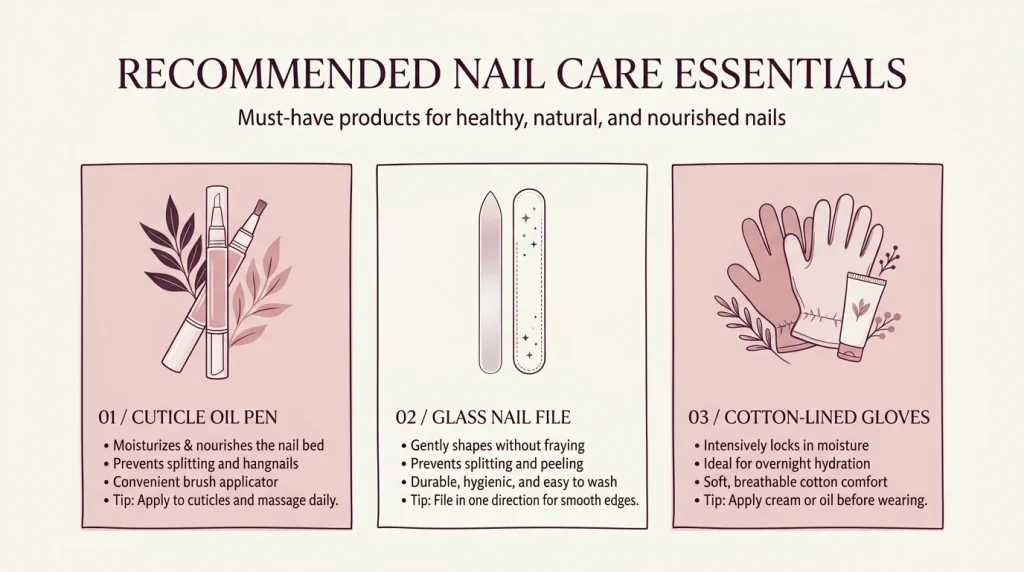
You can build a routine with simple tools. Start with protection and moisture before purchasing a collection of strengthening treatments. These links are Amazon searches so you can compare ingredients, sizes, and current listings.
Recommended Product
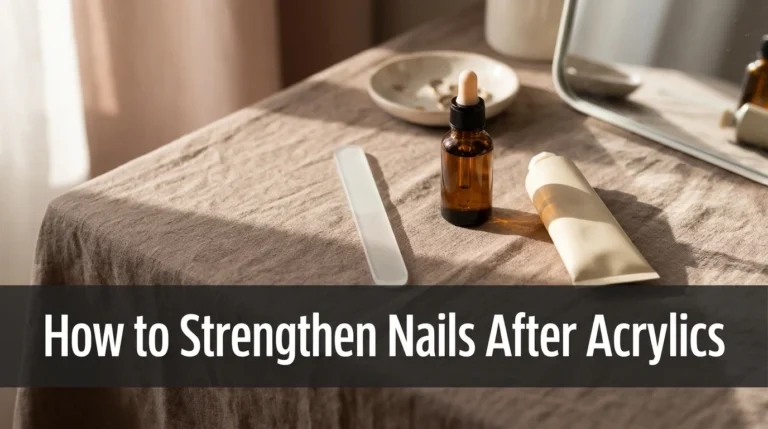
Jojoba Cuticle Oil Pen
A portable oil pen makes it easy to condition the skin surrounding your nails without carrying a full bottle. Choose one you can apply without irritating fragrances if your skin is sensitive.
As an Amazon Associate, we earn from qualifying purchases.
Recommended Product
Fine-Edge Glass Nail File
A smooth, fine file is useful for removing tiny snags before they turn into deeper splits. Choose a comfortable size and use light, controlled strokes.
As an Amazon Associate, we earn from qualifying purchases.
Recommended Product
Reusable Cleaning Gloves With Cotton Lining
Water-resistant gloves provide a practical barrier during dishwashing and cleaning. A soft lining can make longer chores more comfortable; dry the gloves thoroughly between uses.
As an Amazon Associate, we earn from qualifying purchases.
When Should You Get Weak or Changing Nails Checked?
Warning
See a qualified healthcare professional if your nails suddenly become fragile, change color or shape, separate from the nail bed, or develop pain, swelling, or signs of infection. Persistent brittleness can sometimes accompany conditions such as iron deficiency or thyroid disease. Don’t self-treat with high-dose supplements or cover unexplained changes with extensions.
Frequently Asked Questions About Strengthening Nails
Q: How can I strengthen my nails quickly?
A: The fastest useful changes are protecting your nails from impact and water, smoothing snags, and applying moisturizer. These steps can help prevent new breaks, but they cannot instantly replace thin or damaged nail layers.
Q: Does cuticle oil actually make nails stronger?
A: Cuticle oil helps condition the surrounding skin and can reduce dryness, but it doesn’t rebuild damaged nail layers or guarantee faster growth. Use it alongside hand cream and protective habits, not as a stand-alone cure.
Q: What vitamin helps weak nails?
A: If you have a nutrient deficiency, treating it may help. But routine high-dose biotin hasn’t been proven to strengthen nails in most healthy adults and can affect lab results. Ask a clinician about testing before taking supplements.
Q: Should I stop wearing nail polish if my nails are weak?
A: Not necessarily. Regular polish can fit into a gentle routine if you remove it without scraping or peeling. If your nails are already thin after gel or acrylic removal, reduce further enhancements while the damaged areas grow out.
Q: Can naturally thin nails become thicker?
A: You can’t safely force your nail plate to become dramatically thicker overnight. Gentle care may preserve healthy new growth and prevent thinning from overfiling. If your nails have suddenly become unusually thin, ask a dermatologist about possible causes.
What’s the Best Way to Keep Your Nails Strong Long-Term?
The most reliable way to strengthen nails is to protect them from repeated damage while newer nail grows. Start with daily moisture, gloves for wet chores, shorter smooth tips, and gentle polish removal; add more products only when they serve a clear purpose.
Save this guide on Pinterest so you can come back to your nail-strengthening routine whenever your tips start feeling fragile.

Hi, I’m Jessica, the creator behind Unique Lash & Nails Katy.
I created this website for anyone who loves beautiful nails as much as I do. Here, I share trendy nail designs, seasonal manicure ideas, easy nail care tips, honest product recommendations, and step-by-step guides to help you create salon-worthy nails at home. Whether you’re looking for everyday inspiration or your next favorite nail trend, I hope you’ll find something you love.