Is It Good to Put Toothpaste on Your Nails? Overnight & Brushing Guide
Quick Answer
Putting toothpaste on your nails may temporarily make superficial stains or dullness look lighter because some formulas contain mild abrasives or whitening ingredients. It won’t make your nails grow faster or permanently strengthen them. Leaving toothpaste on overnight isn’t a good idea because prolonged contact can dry or irritate your nails, cuticles, and surrounding skin.
That tube beside your bathroom sink looks harmless enough, so it’s easy to understand why toothpaste has become a popular DIY nail hack.
You may have seen someone brush whitening toothpaste over yellow nails, leave it sitting for several minutes, or even sleep with it on overnight. The before-and-after can sometimes look convincing.
The important question isn’t whether toothpaste can change how your nails look for a moment. It’s whether that change is useful enough to justify putting a product designed for teeth on your nail plate and skin.
Here’s what toothpaste can realistically do, what it can’t do, and what to use instead if you want cleaner, brighter, healthier-looking nails.
What Does Toothpaste Actually Do to Your Nails?
Toothpaste isn’t formulated as a nail treatment. However, several ingredients commonly used in toothpaste explain why this beauty hack can occasionally create a visible difference.
Many formulas contain cleaning or polishing particles such as hydrated silica, calcium carbonate, or baking soda. These ingredients help physically remove deposits from tooth surfaces. When rubbed across a nail, they can also remove a little surface residue or dull buildup.
Some whitening formulas contain additional ingredients intended to make teeth look brighter. That doesn’t mean they’re proven nail whiteners, but they may make very superficial staining appear slightly less obvious.
The effect is mostly cosmetic. You’re cleaning or lightly abrading the outer surface rather than changing how the nail grows.
If your main goal is simply removing everyday dirt, you’ll usually get a gentler result by following this at-home nail-cleaning routine instead of scrubbing repeatedly with toothpaste.
Does Toothpaste Whiten Yellow Nails?
Sometimes—but only in limited situations.
If your nails look slightly yellow because of surface staining from dark or highly pigmented polish, gentle cleaning may make them appear brighter. Toothpaste can sometimes contribute to that because of its polishing ingredients.
But yellow nails don’t always mean surface staining.
A nail that stays yellow as it grows, becomes unusually thick, starts crumbling, lifts from the nail bed, or changes without an obvious polish-related reason shouldn’t simply be scrubbed harder.
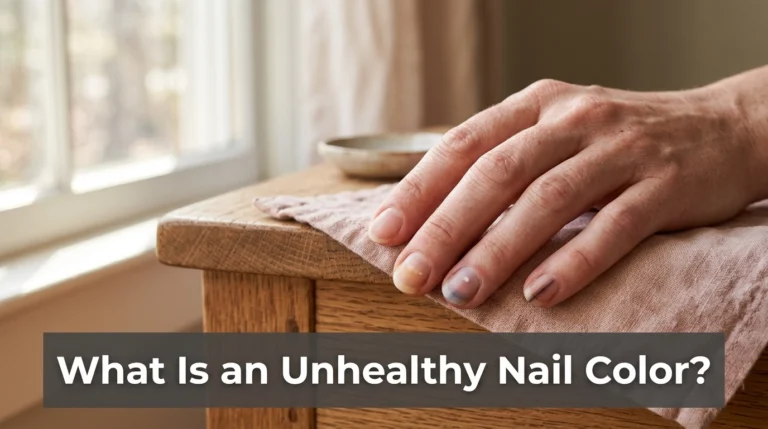
Before trying to whiten persistent discoloration, compare what you’re seeing with these common causes of unhealthy nail color. The reason matters more than finding the strongest DIY whitening trick.
Warning
Don’t assume a thick, crumbly, painful, lifting, greenish, dark, or persistently yellow nail is simply stained. Toothpaste won’t treat an infection or another underlying nail problem.
Is It Good to Put Toothpaste on Your Nails Overnight?
 Save
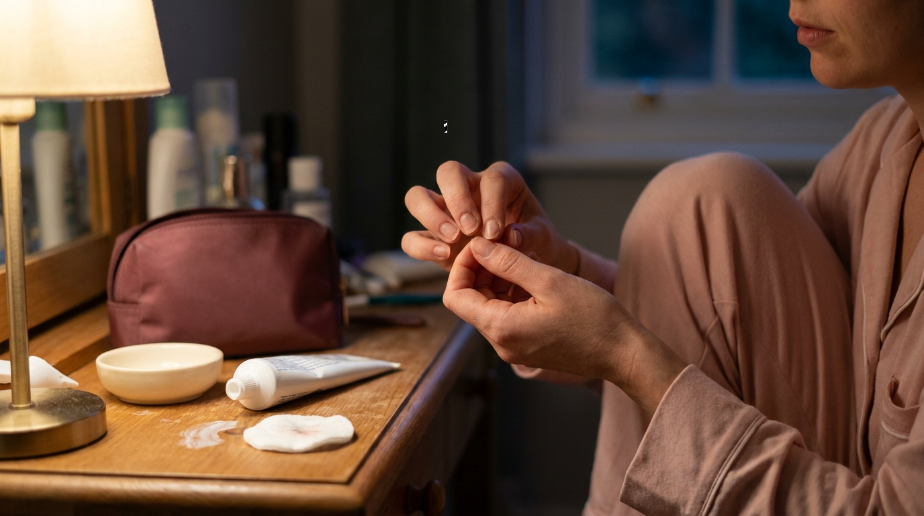
SaveNo. Leaving toothpaste on your nails overnight gives you little reason to expect a better result and increases the amount of time your nails and surrounding skin are exposed to ingredients that weren’t designed as a leave-on treatment.
That’s especially important around your cuticles. Toothpaste may contain flavorings, detergents, whitening agents, or other ingredients that some people find drying or irritating.
Your nail plate is made from keratin, and repeatedly drying or aggressively scrubbing its surface won’t make it healthier. If anything, nails that are already thin or peeling need less friction and more protection.
You also don’t need several hours of contact to clean a surface stain. If you’re determined to experiment with toothpaste, brief contact followed by thorough rinsing is a more cautious approach than coating your fingertips before bed.
What Can Happen If You Leave Toothpaste on Overnight?
- Your cuticles may feel dry or tight.
- Sensitive skin may become red, itchy, or irritated.
- Repeated use may leave already-dry nails feeling rougher.
- Strong whitening formulas may be more irritating than expected.
- You may keep treating a color change cosmetically instead of identifying why it happened.
If you’ve already overdone a DIY treatment and your nail surface feels rough or fragile, switch your focus from whitening to recovery. This guide to repairing damaged and weak nails explains how to protect the nail while healthier material grows forward.
Is Brushing Toothpaste on Your Nails Better?
Brushing makes more sense than leaving toothpaste on overnight only because it turns the process into a short cleaning treatment rather than prolonged exposure.
However, the brush matters.
A hard toothbrush plus an abrasive toothpaste can create more friction than your nail needs. Your goal isn’t to sand the nail plate. It’s simply to loosen superficial residue.
If you want to try it occasionally, use a very soft nail brush or soft toothbrush and extremely light pressure. Avoid scrubbing the cuticle and the skin along the sides of your nails.
Pro Tip
If the stain doesn’t improve after gentle cleaning, don’t compensate by brushing harder. More pressure removes more nail surface, not necessarily more discoloration.
If You Still Want to Try Toothpaste, What’s the Gentlest Method?
Toothpaste isn’t necessary for healthy nails, but if you’re testing it on mild cosmetic staining, keep the experiment short and gentle.
Time needed
About 2–3 minutes
Difficulty
Beginner
Items needed
3 basic items
Expected result
Temporary cosmetic brightening
What You’ll Need
- A small amount of plain or mildly whitening toothpaste
- A very soft nail brush or toothbrush
- Cuticle oil or fragrance-free hand moisturizer
1 Start With Clean, Bare Nails
Remove polish and wash your hands gently. Dry them completely so you can see whether the discoloration is actually on the surface.
Common mistake: Trying to whiten nails while polish residue is still sitting on the surface.
2 Apply a Tiny Amount
Spread a very thin layer over the nail plate. Keep it away from cuts, hangnails, irritated skin, and the delicate skin underneath the free edge.
Common mistake: Coating the entire fingertip because more product feels more effective.
3 Brush Very Gently
Use light circular movements for a few seconds instead of aggressive back-and-forth scrubbing. Stop immediately if you feel burning or irritation.
Common mistake: Treating the nail like a stained tile and scrubbing until the color changes.
4 Rinse and Moisturize
Rinse thoroughly with comfortable water, dry your hands, and massage a little cuticle oil or moisturizer around each nail. This helps counter the dry feeling that cleaning products can leave behind.
Common mistake: Repeating the treatment immediately because one stain didn’t disappear after the first attempt.
Can Toothpaste Make Your Nails Grow Faster?
No reliable evidence shows that toothpaste speeds nail growth.
Your visible nail plate is already formed keratin. Rubbing something on its surface doesn’t suddenly tell the nail matrix—the growth area near the base—to produce nail faster.
Sometimes a nail may look healthier after surface cleaning because it appears brighter or smoother. That’s a cosmetic change, not accelerated growth.
If length is your goal, protecting the nail you already grow is more useful. Nails that split less often can become longer simply because you’re not constantly losing the tips.
Does Toothpaste Make Nails Stronger?
Toothpaste isn’t a nail strengthener either.
A temporary clean or matte finish can make nails feel different, but that isn’t the same as rebuilding the nail plate. Over-cleaning may actually make dry nails less flexible, which isn’t helpful if your nails already peel or snap easily.
For a healthier natural finish, gentle buffing and hydration are more predictable options. See this guide on how to shine natural nails without gel for a routine designed specifically for nails.
What’s Better Than Toothpaste for Brighter, Healthier Nails?
The better solution depends on why your nails look dull or discolored.
For Everyday Dirt: Use a Soft Nail Brush
Warm water, mild soap, and a soft brush are usually enough for ordinary buildup around the free edge. Cleaning gently protects the connection between your nail and nail bed while avoiding unnecessary abrasion.
Recommended Product Type
Soft-Bristle Nail Cleaning Brush
A soft brush gives you enough friction to remove ordinary debris without turning cleaning into aggressive nail buffing.
As an Amazon Associate, we earn from qualifying purchases.
For Dry, Dull Nails: Use Cuticle Oil
Oil won’t bleach stains, but hydrated nails and cuticles tend to look smoother and more polished. Regular moisture is especially useful after hand washing, polish removal, or any cleaning treatment.
Recommended Product Type
Jojoba-Based Cuticle Oil
A simple cuticle oil is a more nail-focused daily treatment when dryness—not staining—is making your manicure look tired.
As an Amazon Associate, we earn from qualifying purchases.
For Polish Staining: Prevent It With Base Coat
If dark red, navy, purple, or other pigmented polish repeatedly leaves your nails yellow, preventing the stain is easier than trying to scrub it away later.
Apply one thin, even layer of base coat before your color. That gives the pigment a barrier between the polish and your natural nail.
Recommended Product Type
Stain-Blocking Nail Base Coat
A base coat is useful if your discoloration repeatedly appears after wearing highly pigmented nail polish.
As an Amazon Associate, we earn from qualifying purchases.
What Should You Do—and Avoid—When Trying to Brighten Your Nails?
Do
- + Identify whether you’re dealing with dirt, polish staining, or a persistent color change.
- + Use gentle pressure whenever you clean or buff your nails.
- + Moisturize your nails and cuticles after cleaning.
Don’t
- − Leave toothpaste coating your nails overnight.
- − Scrub harder when discoloration doesn’t disappear.
- − Use toothpaste as a treatment for suspected nail fungus or infection.
When Should You Stop Trying DIY Nail Whitening?
Cosmetic staining usually has an obvious story behind it. Maybe you wore burgundy polish for two weeks without a base coat, removed it, and noticed all ten nails had a similar yellow tint.
Changes that don’t fit that pattern deserve more attention.
Consider getting medical advice if a nail becomes persistently yellow and thick, starts crumbling, separates from the nail bed, becomes painful or swollen, develops greenish discoloration, or shows a new or changing dark streak.
Those situations aren’t problems toothpaste can solve. Continuing to scrub the nail may irritate it while delaying the right diagnosis.
How Can You Keep Your Nails Looking Naturally Clean Without Toothpaste?
 Save
SaveA simple routine works better than jumping between viral DIY hacks.
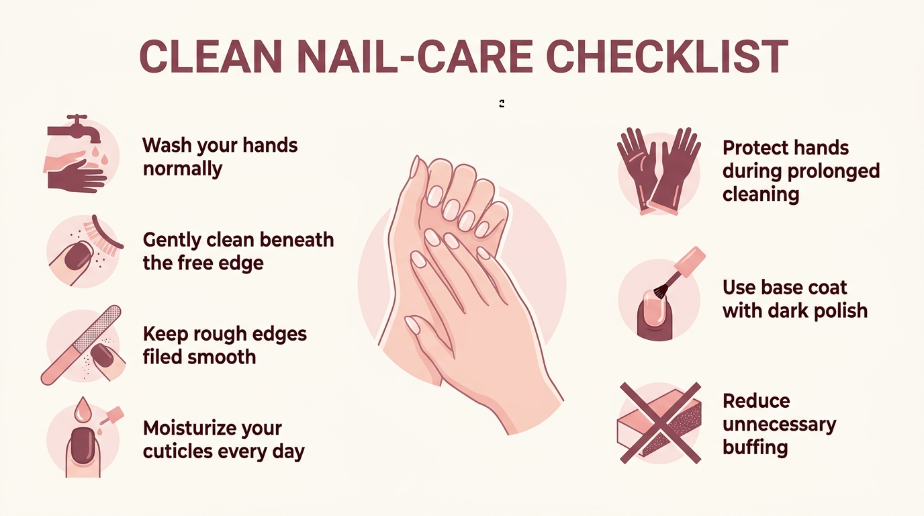
Wash your hands normally, gently clean beneath the free edge when necessary, keep rough edges filed smooth, moisturize your cuticles every day, and protect your hands during prolonged cleaning or dishwashing.
If you wear dark polish frequently, use base coat. If your nail surface feels dry or weak, reduce unnecessary buffing. Most importantly, pay attention when a color or texture change doesn’t grow out as expected.
You can build those habits into a repeatable schedule with this simple weekly nail-care routine.
Pro Tip
Take a quick photo of a stubborn nail stain in natural light before you treat it. Compare the nail again as it grows. A surface stain should gradually move toward the tip with the nail instead of unpredictably spreading.
Frequently Asked Questions About Putting Toothpaste on Nails
Q: How long should you leave toothpaste on your nails?
A: There’s no proven nail-treatment time because toothpaste isn’t designed for nails. If you decide to experiment on mild surface staining, brief contact followed by thorough rinsing is more cautious than leaving it on for a long period.
Q: Can I sleep with toothpaste on my nails?
A: It’s better not to. Overnight exposure isn’t proven to improve the result and gives potentially irritating or drying ingredients much longer contact with your nails, cuticles, and skin.
Q: Does toothpaste remove yellow stains from nails?
A: It may make mild superficial staining look lighter because some toothpastes contain polishing or whitening ingredients. Persistent yellowing, thickening, crumbling, or lifting isn’t something you should treat as an ordinary surface stain.
Q: Does toothpaste make nails grow in a few days?
A: No reliable evidence shows that rubbing toothpaste on the nail plate accelerates nail growth. Protecting your nails from breakage can help you retain more length, but that’s different from making the nail itself grow faster.
Q: Can toothpaste treat nail fungus?
A: Don’t rely on toothpaste to treat suspected nail fungus. A nail that’s becoming thick, crumbly, discolored, or separated from the nail bed may need proper diagnosis and targeted treatment.
So, Is Toothpaste Good for Your Nails?
Toothpaste can occasionally make superficial nail staining look a little cleaner or brighter, but that’s where its usefulness ends. It isn’t a proven nail-growth treatment, nail strengthener, or remedy for infection, and leaving it on overnight adds unnecessary exposure.
If you want naturally attractive nails, gentle cleaning, daily moisture, stain prevention, and paying attention to unusual changes will take you much further than an aggressive whitening hack. Save this guide to Pinterest so you’ll have the safer method handy the next time a toothpaste-on-nails trend appears in your feed.

Hi, I’m Jessica, the creator behind Unique Lash & Nails Katy.
I created this website for anyone who loves beautiful nails as much as I do. Here, I share trendy nail designs, seasonal manicure ideas, easy nail care tips, honest product recommendations, and step-by-step guides to help you create salon-worthy nails at home. Whether you’re looking for everyday inspiration or your next favorite nail trend, I hope you’ll find something you love.