Can Damaged Nails Be Restored? The Full Recovery Routine That Works
Quick Answer
Yes, damaged nails can be restored, but it takes patience rather than a single fix. Fingernails grow out completely in about four to six months, so once you stop the habits or products causing the damage and start a hydration-and-strengthening routine, you’re really just waiting for healthy nail to grow in behind the damaged part.
If you’re staring at nails that are peeling, splitting, or bending at the tip, you’re probably wondering whether the damage is permanent. It’s not — but you didn’t get here overnight, and you won’t get out overnight either. This guide walks you through exactly why your nails broke down, what actually rebuilds them, and how to tell the difference between products that help and ones that just look good on a shelf.
Why do nails get damaged in the first place?
Your nail plate is made of layers of a protein called keratin, held together with natural oils and moisture. When those layers dry out or get stripped away faster than your body can replace them, the nail starts to separate, peel, or crack. Gel and acrylic removal is one of the biggest culprits — soaking nails in acetone or scraping off product takes several layers of keratin with it. Frequent hand washing and hand sanitizer do something similar over time, since alcohol and harsh soaps pull moisture out of the nail plate the same way they dry out skin.
Diet plays a role too. Nails need protein, biotin, iron, and zinc to build strong new layers, so a nutrient gap shows up in your nails weeks before you’d notice it anywhere else. And some damage is mechanical — typing, opening cans, or using your nails as tools puts pressure on the free edge that a healthy nail can handle but a thin, dehydrated one can’t. If you want the full breakdown of triggers, what causes weak nails covers the underlying causes in more depth.
Not all nail damage is the same — here’s how to tell yours apart
 Save
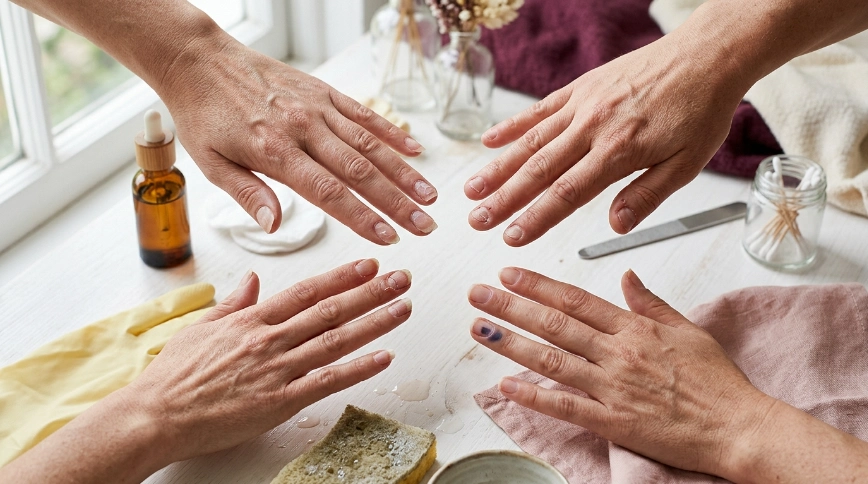
SaveThe restoration steps below work for almost every case, but knowing which category you’re in helps you skip straight to the fix that matters most for you.
Gel or acrylic removal damage
This is the most common type, and it shows up as thin, papery nails that peel in sheets right after you take off a gel manicure. The soaking and scraping process removes several layers of keratin at once, leaving what’s left underneath dehydrated and fragile. This type responds fastest to a break from enhancements combined with nightly oiling, since you’re mainly replacing lost moisture and protein rather than repairing structural trauma.
Biting and picking damage
Nails that are bitten short or have torn, uneven edges heal differently because the damage is mechanical, not chemical. The nail bed itself can be affected here, not just the plate, so recovery often takes longer and benefits from keeping nails covered with a base coat that discourages picking, alongside the same hydration routine.
Chemical and cleaning damage
If your nails are dry, discolored, or splitting mainly on the hand you use for cleaning or dishes, harsh detergents and repeated water exposure are likely the cause rather than any nail product. Gloves matter more than any treatment for this type, since you can oil and strengthen every night and still lose ground if bare hands go back into dish soap the next morning.
Trauma damage
A stubbed toe or a finger caught in a door can bruise or partially detach the nail from the bed, which looks different from ordinary wear — usually a dark spot, sudden lifting, or a nail that’s loose at the base. This type isn’t something oils and strengtheners fix on their own; it needs time for the nail bed underneath to heal, and a badly bruised or lifted nail is worth having a doctor look at rather than treating it like everyday damage.
How do you know your nails are actually damaged?
A little dryness is normal. Real damage looks and feels different, and catching it early makes the recovery shorter.
- Peeling layers: the nail splits horizontally into thin sheets, usually starting at the tip.
- Vertical ridges or splitting: fine lines running the length of the nail that catch on fabric.
- Bending or flimsy tips: the free edge folds instead of staying rigid.
- White spots or discoloration: can point to trauma, product buildup, or a nutrient shortfall.
- Slow growth: nails that used to need a trim every two weeks now barely move in a month.
If several of these sound familiar, you’re not imagining it, and the good news is that every one of them is reversible with consistent care.
The restoration system: how to actually fix damaged nails
 Save
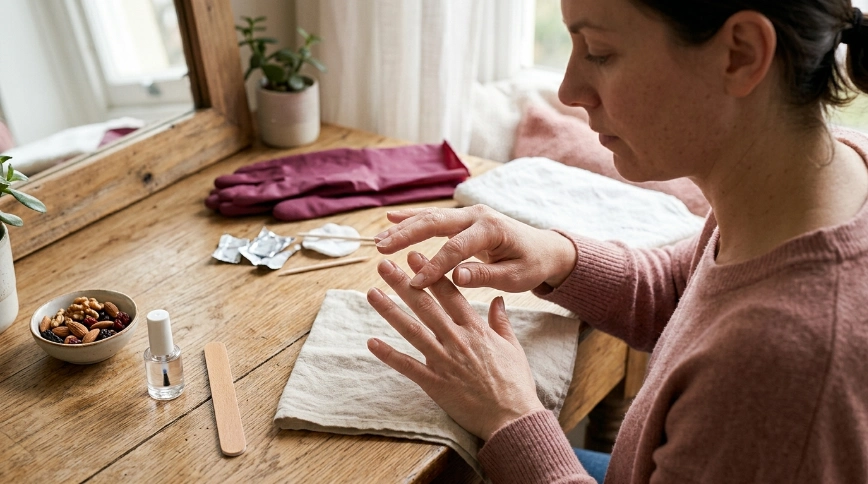
SaveThere isn’t one magic step here — restoring damaged nails means stacking a few small habits and giving them time to work. Here’s the order that gets results fastest.
1. Stop the damage before you try to fix it
You can’t rebuild a nail that’s still being stripped. Give yourself a break from gel and acrylic for at least one full growth cycle, and if you soak off polish, use pure acetone sparingly rather than scraping or picking. Every time you pick at lifted polish, you tear off healthy keratin layers underneath it, which is why picking does more damage than the polish itself.
2. Rehydrate daily, not occasionally
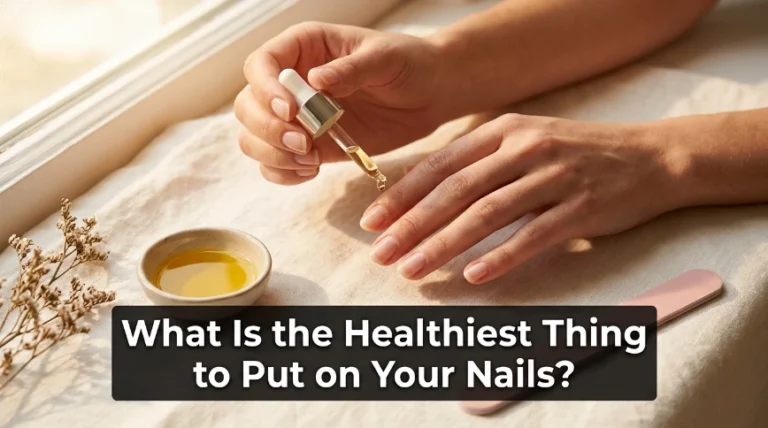
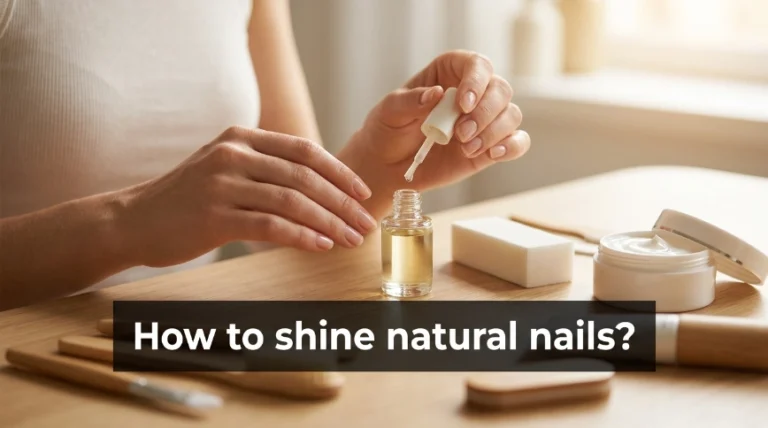
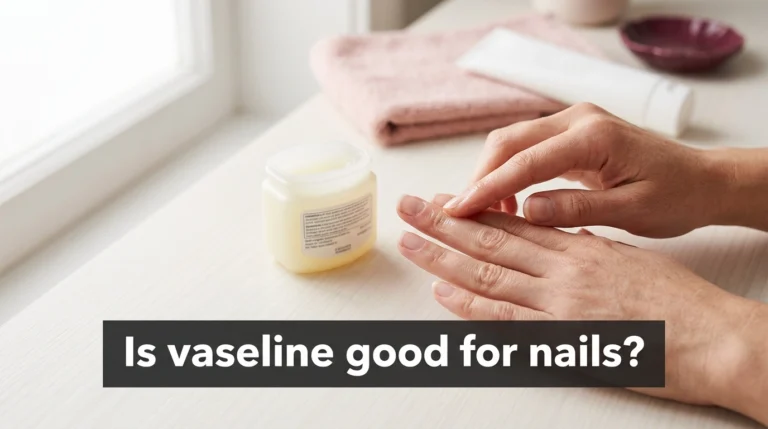
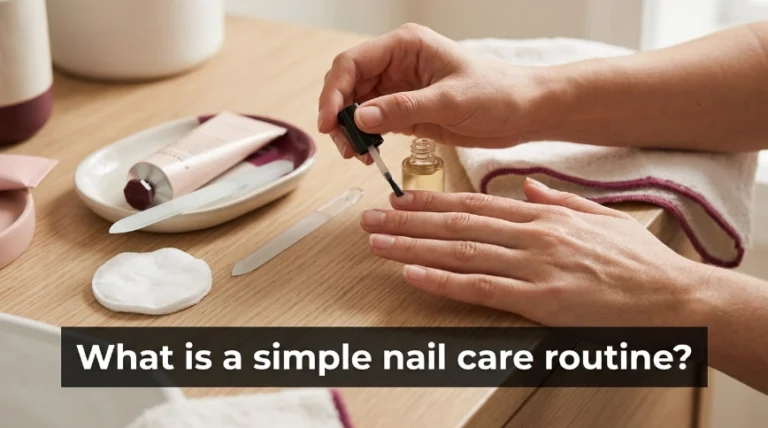
Nails absorb moisture through the cuticle, not the top of the plate, so cuticle oil matters more than hand lotion for this step. Massage a few drops into the base of each nail every night — plain petroleum jelly works in a pinch, but a proper cuticle oil with jojoba or vitamin E penetrates faster and doesn’t sit on the surface. Consistency here matters more than the product; oiling once a week won’t undo daily water exposure, but oiling every night will.
3. Add a strengthening treatment, not just a hard top coat
A lot of “nail hardeners” work by dehydrating the nail further, which makes it harder but also more brittle — the opposite of what you want during a repair phase. Look for a strengthener with keratin, calcium, or hydrolyzed protein instead, since these rebuild the layers rather than just stiffening the surface. A keratin-based nail strengthener applied every other day under your regular polish is one of the fastest ways to see visible improvement in the new growth.
4. Protect the free edge while it grows out
Keep nails short and rounded rather than square or long during recovery — a shorter nail flexes less, so it’s less likely to catch on something and tear further up the nail bed. Wear gloves for dishes and cleaning, since hot water and dish soap are two of the fastest ways to undo a week of oiling.
5. Feed your nails from the inside
Topical treatments only reach the visible nail; new growth comes from the matrix under your cuticle, and that part only responds to what you eat. Protein, biotin, zinc, and omega-3s all show up in stronger, less brittle nail growth over a few months. If your diet is inconsistent, foods that support nail growth lists what to prioritize without needing a supplement.
How long does nail restoration actually take?
Fingernails grow roughly 3 millimeters a month, which means a full nail replaces itself in four to six months. Toenails grow much slower — expect twelve to eighteen months for a complete regrowth. That said, you’ll usually notice the new growth looking noticeably healthier within three to four weeks of consistent care, even though the damaged section still has to grow out. Think of it less as “fixing” the damaged part and more as growing a healthy nail in behind it while trimming the damaged section away as it reaches the tip.
Pro Tip
Take a photo of your nails on day one and check back every two weeks instead of every day. Nail growth is too slow to notice daily, and watching for gradual change keeps you from giving up on a routine that’s actually working.
Do’s and don’ts while your nails recover
Do
- +Oil your cuticles every single night
- +Keep nails trimmed short while they heal
- +Wear gloves for cleaning and dishes
Don’t
- −Pick or peel off polish or gel
- −Reach for acetone more than once a week
- −Rely on a hard top coat as your only fix
Pro tips that speed up recovery
Pro Tip
Apply cuticle oil right after you wash your hands, not just before bed. Water actually swells the nail plate slightly, and sealing in moisture immediately after washing traps more hydration than applying oil to a dry nail hours later.
Pro Tip
File in one direction only, never back and forth. A sawing motion creates microscopic splits in the layers of keratin that turn into visible peeling within a week or two.
Pro Tip
Swap your regular top coat for a ridge-filling base coat during recovery. It smooths out the uneven texture that damaged nails often have, so polish sits better and chips less while the nail itself is still healing.
Products that genuinely help
Recommended Product
Keratin & Calcium Nail Repair Treatment
★★★★☆ Highly rated on Amazon
Rebuilds the protein layers of the nail instead of just hardening the surface, which makes it a better fit for genuinely damaged nails than a standard top coat.
As an Amazon Associate, we earn from qualifying purchases.
Recommended Product
Jojoba & Vitamin E Cuticle Oil Pen
★★★★☆ Highly rated on Amazon
The pen format makes it easy to actually apply oil daily, and daily use matters more than the specific formula when you’re rehydrating damaged nails.
As an Amazon Associate, we earn from qualifying purchases.
Once your nails are back to full strength, shift your focus from repair to maintenance so you don’t end up back here in a few months. A simple daily nail care routine and knowing what healthy nails should actually look and feel like will help you catch early warning signs before they turn into another peeling, splitting mess. Long term, learning how to keep natural nails long and strong is really just this same routine, kept up permanently instead of during a recovery phase.
Frequently asked questions
Q: Can severely peeling nails be fully restored?
A: Yes, as long as the nail matrix under your cuticle isn’t damaged. Even nails that peel down to several thin layers will grow back healthy once you stop stripping them and start a consistent oiling and strengthening routine.
Q: Do nail strengtheners actually work, or is it a myth?
A: Protein and keratin-based strengtheners work by supplementing what the nail already needs to rebuild itself. Formaldehyde-based “hardeners,” on the other hand, can make nails more brittle over time, so check the ingredient list before buying.
Q: Should I stop wearing polish entirely while my nails heal?
A: Not necessarily. Polish itself isn’t the problem — it’s the acetone removal and picking that causes damage. A breathable, gentler polish with a proper soak-off removal is fine during recovery.
Q: Will biotin supplements speed up nail restoration?
A: Biotin helps if you’re actually deficient, which shows up as brittle nails alongside hair thinning. If your diet already covers protein and biotin, more supplementation won’t speed things up further.
Q: How can I tell if new, healthy nail is growing in?
A: Look at the section closest to your cuticle. It should look smoother, less ridged, and slightly pinker than the damaged tip — that’s the new growth doing its job.
The bottom line
Damaged nails aren’t a permanent state — they’re a temporary result of habits and products that stripped moisture and protein faster than your body could replace them. Stop the stripping, rehydrate daily, feed your nails from the inside, and give it the four to six months your body actually needs. Save this guide to Pinterest so you can check back in as your nails grow out.

Hi, I’m Jessica, the creator behind Unique Lash & Nails Katy.
I created this website for anyone who loves beautiful nails as much as I do. Here, I share trendy nail designs, seasonal manicure ideas, easy nail care tips, honest product recommendations, and step-by-step guides to help you create salon-worthy nails at home. Whether you’re looking for everyday inspiration or your next favorite nail trend, I hope you’ll find something you love.