How Hand Sanitizer Affects Nails: Damage & Care
Quick Answer
Alcohol-based hand sanitizer can dry out the skin around your nails and may contribute to brittle, peeling nails when used frequently without moisturizing. The alcohol evaporates quickly and can remove some surface oils, especially from your cuticles. You don’t need to stop using sanitizer. Choose a product with moisturizing ingredients, apply hand cream regularly, and protect dry cuticles with oil or petroleum jelly.
You reach for hand sanitizer throughout the day, but have you noticed your cuticles looking flaky or your nails feeling unusually dry?
Hand sanitizer is an important hygiene product, especially when soap and water aren’t available. However, repeated exposure to alcohol can affect the moisture balance of your fingertips and the skin surrounding your nails.
Understanding how hand sanitizer affects nails helps you maintain clean hands without sacrificing your natural nails or favorite manicure.


What Does Hand Sanitizer Actually Do to Your Nails?
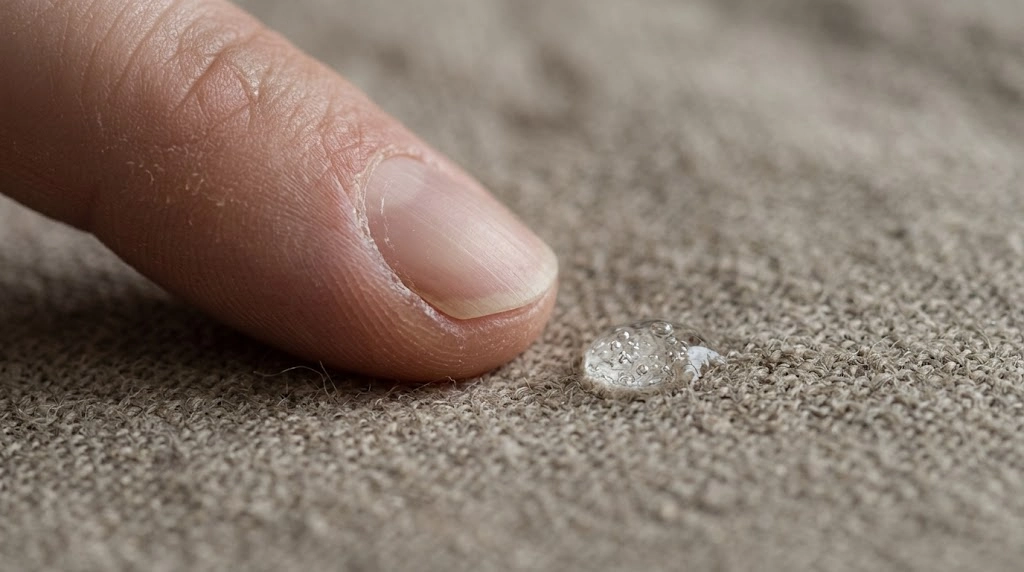
Most alcohol-based hand sanitizers contain ethanol or isopropyl alcohol. These ingredients help reduce germs on your hands, but they can also remove some of the natural oils that keep your skin comfortable.
Your fingernails are made primarily of keratin, a tough protein that forms the nail plate. Unlike living skin, the visible nail plate cannot repair itself after damage. Damaged sections must gradually grow out.
The skin surrounding your nails is different. Your cuticles and nail folds contain a protective skin barrier that needs moisture to remain flexible and comfortable.
When you repeatedly apply alcohol-based sanitizer, several changes may occur:
- Dry cuticles: Alcohol exposure can contribute to moisture loss from the surrounding skin.
- Rough nail surfaces: Frequent exposure to drying products may make already-dry nails feel rougher.
- Peeling nail tips: Dryness combined with repeated washing, filing, or physical wear may contribute to splitting.
- Cracked surrounding skin: Frequent sanitizing without moisturizing may worsen an already-irritated skin barrier.
- Manicure concerns: Frequent rubbing, cleaning, and product exposure can affect how some manicures look and wear.
These effects are not inevitable. Many people use hand sanitizer regularly without developing noticeable nail problems.
Why Can Alcohol-Based Hand Sanitizer Cause Dry Cuticles?
Your cuticles help seal the area where your nail emerges from the skin. This protective tissue reduces the opportunity for irritants and germs to enter the delicate nail fold.
Alcohol evaporates rapidly after application. Repeated exposure may disturb the skin’s protective oils, particularly when your hands are already dry from frequent washing, cleaning products, or cold weather.
As the surrounding skin loses moisture, you may notice tightness, rough texture, and little flakes around the base of your nails.
If your cuticles are already sensitive, fragrance and other ingredients in some sanitizers may contribute to irritation.
For a closer look at other common causes, explore our guide explaining what causes dry cuticles and how to relieve them.
Does Sanitizer Remove Moisture From the Nail Plate?
The nail plate contains keratin and a small amount of water. Its flexibility depends partly on its moisture content and structural condition.
Frequent contact with drying substances may contribute to changes in how your nails feel, especially if they are already brittle.
However, alcohol exposure alone doesn’t explain every case of peeling or splitting. Repeated wetting and drying, harsh polish removal, nail trauma, and underlying nail conditions can also contribute.
Can Fragrance Make the Problem Worse?
Yes, if you have sensitive skin or a fragrance allergy.
Some scented sanitizers contain fragrance ingredients that can trigger irritation or allergic contact dermatitis in susceptible people.
Signs may include itching, redness, burning, or persistent dryness around your fingertips.
If these symptoms happen repeatedly with one product, consider switching to a fragrance-free alternative.
What Are the Signs That Frequent Sanitizing Is Affecting Your Nails?
Not every dry nail is caused by sanitizer. Still, certain changes can suggest your hand-care routine needs more moisture or less exposure to irritating ingredients.
1. Dry, Flaky Cuticles
You might notice tiny flakes or rough patches around the base of your nails. Sometimes the skin feels tight immediately after sanitizer evaporates.
Moisturizing after hand hygiene can help restore comfort and reduce visible dryness.
2. Nails That Split at the Tips
When nails become brittle, their free edges may split into thin layers. This condition is sometimes called lamellar splitting.
Frequent sanitizer use may be one contributing factor, but physical wear and repeated exposure to water are also important causes.
3. Rough or Dull Natural Nails
Your bare nails may appear less glossy than usual. This can happen when the nail surface becomes dry or has been affected by filing, buffing, or manicure removal.
A dull surface doesn’t necessarily mean the nail has suffered permanent damage.
4. Hangnails Around Your Fingertips
Hangnails are small pieces of torn skin near your nail folds. Dry or irritated skin is more likely to develop uncomfortable snags.
Never pull a hangnail with your fingers or teeth. Carefully trim only the loose piece with clean nail scissors or clippers.
5. Stinging or Cracked Skin
Sanitizer may sting when you apply it over broken or irritated skin. This suggests your skin barrier needs attention.
Persistent cracks, swelling, warmth, pus, or increasing pain should be assessed by a healthcare professional.
Warning
Don’t assume that persistent nail discoloration, separation, pain, or swelling is simply caused by hand sanitizer. Nail infections, inflammatory skin conditions, and other medical problems can produce similar changes. Seek medical advice when symptoms persist or worsen.
Can Hand Sanitizer Make Your Nails Brittle or Cause Peeling?
Hand sanitizer can contribute to dryness, but it is rarely possible to identify it as the only reason your nails are brittle.
Natural nails experience repeated stress every day. Washing dishes, cleaning, typing, filing, and removing nail polish all influence their condition.
When your nails are already vulnerable, additional drying exposures may make peeling or splitting more noticeable.
Imagine a nail tip that has been thinned by aggressive buffing. It may be more likely to split when exposed to everyday friction, regardless of whether you use sanitizer.
That’s why the most effective approach is to consider your entire nail-care routine rather than eliminating one product.
Our article on why your nails feel dry explains other common causes and ways to care for fragile nails.
Does Hand Sanitizer Ruin Nail Polish, Gel, or Acrylic Nails?
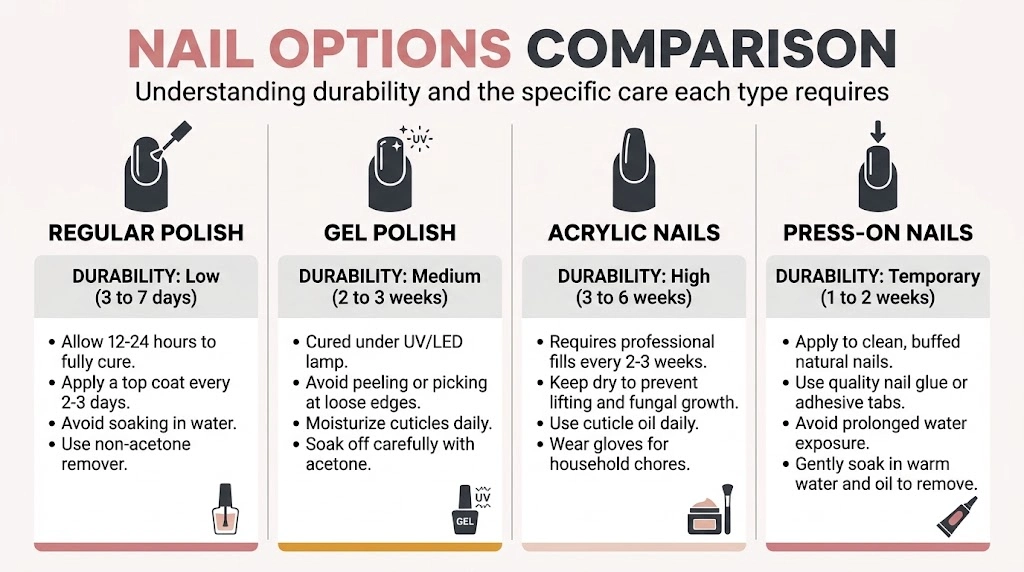
If you love nail art, you’re probably wondering whether frequent sanitizing can shorten the life of your manicure.
The answer depends on the products used, how well your manicure was applied, and the condition of your nails.
Regular Nail Polish
Fully dried conventional nail polish usually tolerates occasional hand sanitizer use. However, repeated rubbing and exposure to different cleaning products may contribute to surface dullness or wear over time.
Sanitizer is not a substitute for nail polish remover, and it shouldn’t be used to strip color from your nails.
Gel Nail Polish
Properly cured gel polish is generally resistant to ordinary brief contact with alcohol-based sanitizer.
Nevertheless, dry surrounding skin can make an otherwise beautiful gel manicure look less polished.
If your gel begins lifting, don’t peel it away. Picking off gel can remove layers of your natural nail plate.
Acrylic Nails
Brief exposure to hand sanitizer typically does not dissolve properly applied acrylic nails.
However, lifted enhancements can create spaces where moisture and debris collect. Keep your nails properly maintained and avoid applying products beneath lifted sections.
Never assume sanitizer can disinfect underneath a detached artificial nail. Have significant lifting assessed and corrected by a qualified nail professional.
Press-On Nails
Press-on nail wear depends heavily on adhesive quality, application, water exposure, and everyday activities.
Hand sanitizer is not guaranteed to loosen the adhesive, but repeated moisture exposure and mechanical stress can affect wear time.
Follow the manufacturer’s application and removal instructions, and replace loose press-ons rather than forcing them back into place.
How Can You Protect Your Nails While Using Hand Sanitizer?
You don’t need to choose between proper hand hygiene and attractive nails. A few practical habits can help you maintain both.
1. Choose a Gentle, Fragrance-Free Sanitizer
When soap and water aren’t available, use an alcohol-based hand sanitizer containing at least 60% alcohol, following public-health recommendations.
If your skin is sensitive, look for a fragrance-free formula with moisturizing ingredients such as glycerin.
Avoid choosing a product solely because it feels less drying. Its effectiveness for hand hygiene still matters.
2. Apply Hand Cream After Sanitizer Dries
Allow the sanitizer to dry completely. Then apply a small amount of hand cream over your fingers and around the nail folds.
Look for moisturizers containing glycerin, petrolatum, dimethicone, or ceramides.
These ingredients can help support the skin barrier and reduce uncomfortable dryness.
3. Use Cuticle Oil Regularly
Apply a small amount of cuticle oil around the base of each nail, then gently massage it into the surrounding skin.
Jojoba-based oils are a convenient option because they spread easily and help condition dry-looking cuticles.
Use oil when your hands are clean, especially during your evening routine.
4. Keep Your Nails at a Practical Length
Shorter nails are often easier to maintain when your nail tips are fragile or prone to snagging.
File sharp corners gently with a fine-grit or glass nail file. Avoid aggressive buffing that removes unnecessary layers from your nail plate.
5. Protect Your Hands During Wet Chores
Frequent dishwashing and cleaning can contribute to brittle nails and dry skin.
Use suitable protective gloves during wet household chores. Remove them if your hands become excessively sweaty and dry your skin afterward.
For chemical cleaning tasks, always follow the product’s glove-safety instructions.
6. Avoid Cutting Healthy Cuticles
Your cuticles form part of the protective barrier around your nails.
Cutting or aggressively pushing them back can injure this tissue and increase irritation or infection risk.
Instead, gently moisturize rough areas and leave healthy protective tissue intact.
7. Maintain a Consistent Nail-Care Routine
Small daily habits are usually more useful than applying several treatments only when your nails become damaged.
For additional ideas, follow our daily nail-care routine for healthier nails.
Pro Tip
Keep a fragrance-free travel-size hand cream beside your sanitizer. Once the sanitizer has completely dried, moisturize your fingertips and nail folds. Pairing the two habits makes it easier to protect dry skin without interfering with hand hygiene.
What Is the Best Daily Nail-Care Routine for Frequent Sanitizer Users?
You don’t need an expensive collection of nail products. A simple morning, daytime, and evening routine can help keep your nails comfortable.
Morning: Prepare Your Hands
- Wash your hands gently and dry them thoroughly.
- Apply fragrance-free hand cream over your fingertips.
- Use a little cuticle oil if the surrounding skin feels dry.
- Check for rough nail edges and smooth any snags gently.
During the Day: Protect Without Overdoing It
- Use sanitizer when appropriate rather than unnecessarily repeating applications.
- Wash with soap and water when your hands are visibly dirty or greasy.
- Allow sanitizer to dry completely before handling objects.
- Reapply moisturizer whenever your skin becomes dry.
Evening: Restore Comfort
- Wash and dry your hands before your bedtime routine.
- Massage a small amount of cuticle oil around each nail.
- Apply a rich hand cream to your fingers and palms.
- Use a thin layer of petroleum jelly over especially dry areas if needed.
Consistency is important because protecting the surrounding skin is an ongoing process, not a one-time treatment.
What Products Help Prevent Dry Nails and Cuticles?
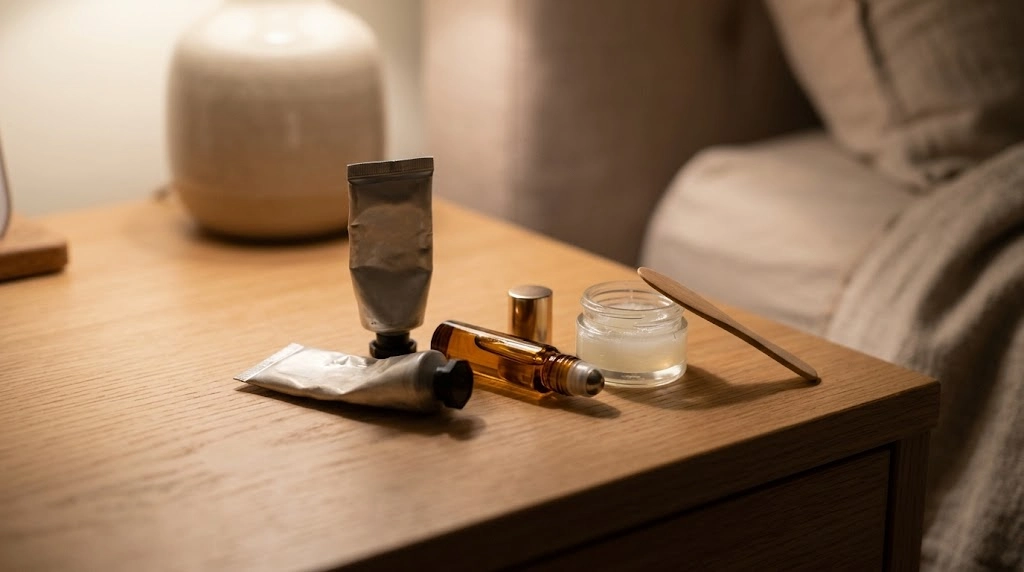
Most people only need a few affordable products to support their nail-care routine.
Fragrance-Free Hand Cream
A moisturizing hand cream is one of the most useful products if frequent sanitizing leaves your fingertips feeling dry.
Look for formulas containing glycerin, ceramides, or petrolatum. These ingredients help reduce moisture loss from the skin.
Recommended Product
Fragrance-Free Moisturizing Hand Cream
A rich, fragrance-free hand cream can help reduce dryness around your nails after frequent hand hygiene.
As an Amazon Associate, we earn from qualifying purchases.
Jojoba-Based Cuticle Oil
Cuticle oil is useful when the skin surrounding your nails becomes flaky or rough.
Apply it after your hands are clean and dry. Remember that oil conditions the surface but cannot permanently rebuild damaged nail layers.
Recommended Product
Jojoba Cuticle Oil Pen
A portable cuticle oil pen makes it easier to condition dry nail folds during your daily beauty routine.
As an Amazon Associate, we earn from qualifying purchases.
Petroleum Jelly for Overnight Care
Petroleum jelly helps form an occlusive layer over the skin, reducing moisture loss.
Apply a small amount to clean, dry cuticle areas after moisturizing, especially when the skin feels rough or uncomfortable.
You don’t need an expensive overnight nail mask to benefit from this simple approach.
Recommended Product
Pure Petroleum Jelly for Dry Skin
A simple protective ointment helps seal in moisture around dry fingertips and cuticles overnight.
As an Amazon Associate, we earn from qualifying purchases.
What Should You Do and Avoid When Using Hand Sanitizer?
Do
- Use an effective sanitizer when needed.
- Moisturize after sanitizer dries.
- Choose fragrance-free products if sensitive.
- Apply cuticle oil regularly.
- Keep nails gently filed.
Don’t
- Replace necessary hygiene with nail-care products.
- Apply sanitizer unnecessarily.
- Ignore painful skin irritation.
- Cut healthy cuticles.
- Peel off damaged gel polish.
How Long Does It Take for Dry Nails to Recover?
The recovery time depends on whether you are dealing with dry surrounding skin or actual damage to the nail plate.
Dry cuticles may feel more comfortable soon after applying moisturizer. With consistent care, mild roughness may improve over several days.
Damaged fingernails recover more slowly because the existing nail plate cannot regenerate like living skin.
A complete fingernail generally takes approximately four to six months to grow out, although individual growth rates vary.
During that period, focus on protecting your new nail growth and preventing additional damage.
If your nails remain unusually brittle despite gentle care, or you develop separation, discoloration, or pain, seek advice from a dermatologist.
Frequently Asked Questions About Hand Sanitizer and Nails
Q: Does hand sanitizer permanently damage your nails?
A: Ordinary sanitizer use doesn’t necessarily cause permanent nail damage. It can contribute to dryness, especially with frequent exposure. Damaged sections of the nail plate gradually grow out, while dry surrounding skin often responds to moisturizing.
Q: Can using hand sanitizer every day weaken your nails?
A: Frequent sanitizer exposure may contribute to dryness, particularly when combined with repeated washing and harsh nail treatments. However, daily sanitizer use does not automatically weaken healthy nails.
Q: Is hand sanitizer bad for gel nails?
A: Properly cured gel polish generally tolerates brief contact with alcohol-based sanitizer. Dry cuticles and existing lifting can still affect your manicure’s appearance. Avoid picking or peeling loose gel.
Q: Should you use hand sanitizer or soap to protect your nails?
A: Choose based on hygiene needs rather than nail appearance alone. Soap and water are preferred when your hands are visibly dirty or greasy. When they aren’t available, an effective alcohol-based sanitizer is appropriate. Moisturize to help manage dryness.
Q: What should you put on your nails after using sanitizer?
A: After the sanitizer has completely dried, apply fragrance-free hand cream over your fingertips and nail folds. Use cuticle oil when the surrounding skin feels dry, and consider petroleum jelly for extra overnight protection.
Can You Keep Healthy Nails While Using Hand Sanitizer?
Absolutely. Hand sanitizer is a useful hygiene tool, and you don’t need to avoid it to maintain beautiful nails.
The most important habits are choosing appropriate products, moisturizing consistently, protecting your cuticles, and treating fragile nails gently.
Save this guide to Pinterest so you can revisit these simple nail-care tips whenever your hands need extra attention.

Hi, I’m Jessica, the creator behind Unique Lash & Nails Katy.
I created this website for anyone who loves beautiful nails as much as I do. Here, I share trendy nail designs, seasonal manicure ideas, easy nail care tips, honest product recommendations, and step-by-step guides to help you create salon-worthy nails at home. Whether you’re looking for everyday inspiration or your next favorite nail trend, I hope you’ll find something you love.