What Affects Nail Growth? 9 Factors That Slow or Speed It
Quick Answer
Your nail growth speed depends on your age, hormones, diet, blood flow, health, season, and daily habits. Fingernails typically grow about 3 millimetres a month, while toenails grow much more slowly. You cannot change your genes or age, but you can protect the length you grow by filing gently, keeping your nails moisturised, and avoiding harsh removal.
Your dominant hand often grows nails a little faster than your other hand. Nail growth is not random, and it is not only about polish or luck. It follows your body, your routine, and how you treat the nail plate every day.


Where Does Your Nail Growth Really Start?
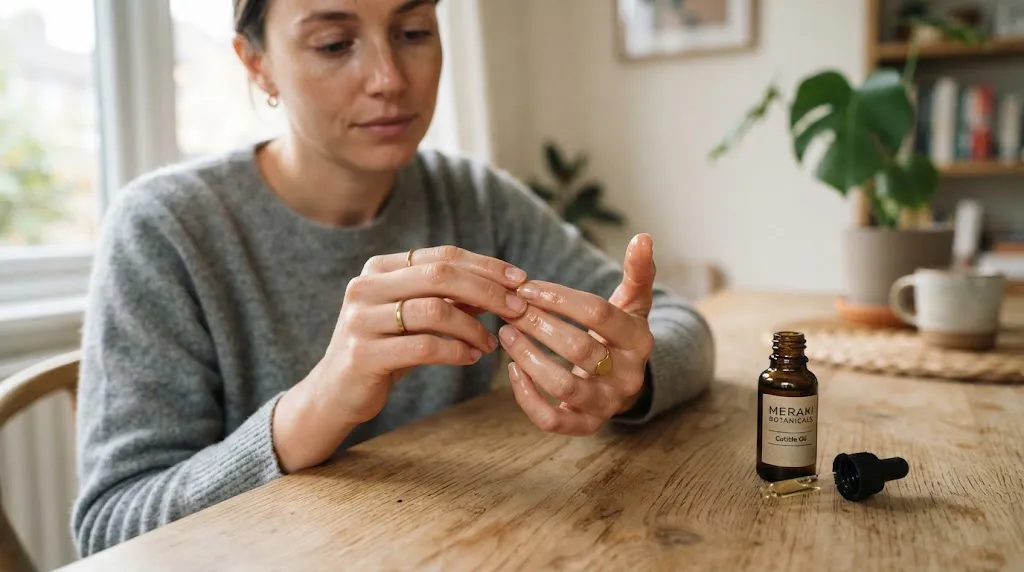
Every nail starts in a small area hidden under the skin at the base of your nail, called the matrix. Cells there divide, fill with keratin, harden, and push forward to form the nail plate you see. Blood flow brings oxygen and nutrients to that area, which is why circulation matters so much.
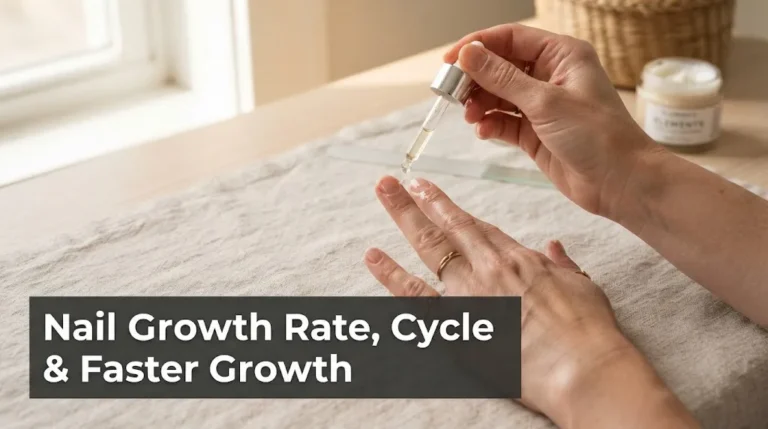
Once a new nail cell leaves the matrix, it is no longer alive in the usual sense. You cannot feed the visible plate from the outside as you feed skin. Oil and gentle care still help because they keep the plate flexible and reduce splitting at the free edge. Think of care as protection for growth you have already made, not a shortcut that creates new nail overnight.
Damage near the matrix can change growth for weeks or months. A hard knock, aggressive cuticle pushing, or picking at the surrounding skin can disturb new cells before they harden. Your nail may then grow out with a ridge or weak spot, even though the injury happened long before you noticed it.
How Fast Do Nails Normally Grow?
As a rough guide, fingernails grow around 3 millimetres a month. Toenails grow at about a third of that pace, often around 1 millimetre a month. A full fingernail usually takes four to six months to replace itself, while a toenail can take twelve to eighteen months.
Those numbers are averages, not promises for your hands. Your middle finger often grows fastest because it is longest and gets the most use, while your little finger and thumb may lag behind. Small differences between fingers are normal, and they rarely mean anything is wrong on their own.
Growth also looks slower when breakage keeps cancelling it out. If your nails split at the same length every few weeks, you may feel stuck even though new nail is forming at the base. Measuring from the cuticle to the free edge once a month gives you a clearer picture.
Does Age Change How Fast Your Nails Grow?
Age is one of the strongest influences on nail growth, and you will notice it gradually rather than overnight. Children and teenagers often grow nails quickly because cell turnover is high and circulation is usually strong. Growth tends to peak in young adulthood, then slow a little with each passing decade.
Hormones add another layer to that pattern. Many people notice faster growth during pregnancy, when blood volume rises and hormone levels shift, though nails can also feel thicker or more brittle. Thyroid changes and menopause can affect texture and speed too, which is why a sudden change across all ten nails deserves more attention than one slow nail.
Your genes set a baseline too. Some people grow longer, stronger plates, while others grow thinner plates that bend and peel more easily. Comparing your growth to a friend’s rarely helps, because your starting point and health history differ. Focus instead on your own trend over two or three months.
What You Eat and Drink Matters More Than a Single Supplement
Keratin is a protein, so your body needs enough protein to build nail cells. You do not need an extreme high-protein diet, but regular meals with eggs, fish, beans, lentils, dairy, or lean meat give the matrix the building blocks it uses daily. Very low-calorie diets and long periods of poor appetite can slow growth because your body prioritises vital organs over nails.
Iron, zinc, and B vitamins support the same process, yet a supplement only helps when you are actually low. Biotin does not force faster growth in someone who already has enough of it. If you suspect a deficiency, ask a clinician before starting a supplement, because high doses can interfere with some lab tests.
Water plays a quieter role. Dehydration will not stop growth, but dry nails bend and split more easily, so length disappears faster. Drinking to thirst and moisturising your hands after washing support the same goal: a flexible plate that survives long enough to show growth.
Can Blood Flow and Hand Use Speed Growth Up?
Good circulation helps because it delivers nutrients to the matrix more efficiently. Warm hands, regular movement, and gentle massage around the nail can support blood flow. You do not need a special routine, and a minute of cuticle oil massage counts as a useful habit.
Using your hands also seems to play a part, which helps explain why the dominant hand often grows faster. Typing and normal daily movement keep blood moving without stressing the nail. Repeated knocking and pressure, on the other hand, can crack the free edge and undo weeks of growth.
Cold weather, tight rings, and long periods with your hands still can leave fingers feeling stiff and pale. Warming your hands and taking short movement breaks during desk work keep circulation comfortable. They will not transform growth overnight, but they remove a barrier that can quietly slow progress.
Do Nails Really Grow Faster in Summer?
Many people notice longer nails in summer, and warmer weather is a likely reason. Heat improves circulation to the hands, and people often move more outdoors. Those small changes can add up to slightly faster growth during warm months.
Winter brings the opposite problem. Cold air, indoor heating, hot showers, and frequent handwashing dry the plate and cuticle, so nails become brittle and break at the tips. Your visible length often falls because the ends keep splitting. A richer hand cream at night and gloves for cleaning protect that length through winter.
Sunlight itself does not grow nails directly, and you should not chase growth by overexposing your hands. Taking large vitamin D doses will not speed nail growth unless you are deficient. Treat seasonal change as a reason to adjust care, not to change your whole routine.
Daily Habits That Quietly Slow Your Growth
Biting and picking top the list of habits that cancel growth. Biting tears the free edge unevenly and can damage the matrix if you bite low enough. Picking at polish, gel, or acrylics pulls up layers of the plate, leaving thin nails that break before they reach your goal length.
Harsh removal causes similar harm. Soaking in strong acetone for too long, scraping with a metal tool, or peeling a set off can strip moisture and thin the plate. A gentler soak and a break between sets give your nails time to recover. If you love polish, a planned rest can help, and you can read more about whether nails are healthier without nail polish before you decide how long to pause.
Over-filing also weakens growth, especially when you saw back and forth at the sides. Filing in one direction with a fine file keeps the edge smooth and reduces tears that turn into splits later. Keep your nails at a length your daily life can support, because very long nails on busy hands will break no matter how fast they grow.
Hot water deserves special attention because it feels harmless. Long, very hot showers and washing dishes without gloves swell the nail plate, then dry it out again, which encourages peeling over time. Learning whether hot water can damage your nails helps you decide when to turn the temperature down and reach for gloves instead.
Thick, heavy polish layers can add stress too, particularly if you stack coats without letting each one dry properly. A thick coat takes longer to cure, chips in larger pieces, and tempts you to peel it off. Checking whether applying 3 coats of nail polish is too much can help you find a lighter routine that still gives you full colour.
When Health Conditions and Medicines Affect Growth
Illness, major stress, and some medicines can slow growth or change nail texture for a period. A high fever, surgery, or a serious infection may leave a horizontal groove, known as a Beau’s line, that moves forward as the nail grows out. A new groove across many nails is worth mentioning to a clinician.
Conditions such as anaemia, thyroid disorders, psoriasis, and circulation problems can also affect nails through slower growth, ridging, discolouration, or separation from the bed. Some medicines, including chemotherapy drugs, can change growth too. Do not try to diagnose yourself from nail changes alone, because many causes overlap.
Stress affects nails less directly. High stress can disrupt sleep and appetite, increase biting or picking, and make gentle care harder to keep up. If you notice sudden, widespread changes, pain, swelling, pus, dark streaks, or a nail lifting without injury, seek medical advice promptly rather than covering it with polish.
Warning
Do not cut cuticles aggressively or push them back hard to force faster growth. The cuticle seals the matrix area against germs, and cutting it can lead to infection, swelling, and uneven growth. Keep cuticles soft with oil and push them back only gently, if at all.
Do’s and Don’ts for Steadier Growth
Do
- +File in one direction with a fine, gentle file.
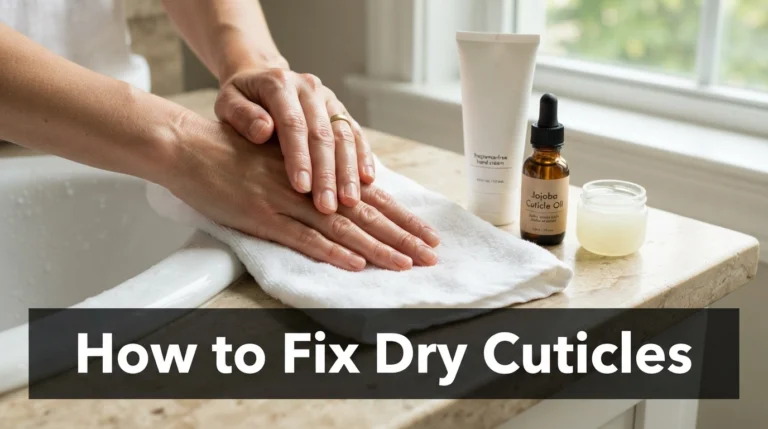
- +Apply cuticle oil daily, especially after washing your hands.
- +Wear gloves for cleaning, gardening, and dishwashing.
- +Keep nails at a practical length for your daily routine.
Don’t
- −Peel, pick, or bite polish, gel, or acrylics off.
- −Use your nails as tools to open cans or scrape labels.
- −Soak nails in very hot water for long periods.
- −Cut cuticles or push them back aggressively.
A Simple System to Support the Growth You Already Have
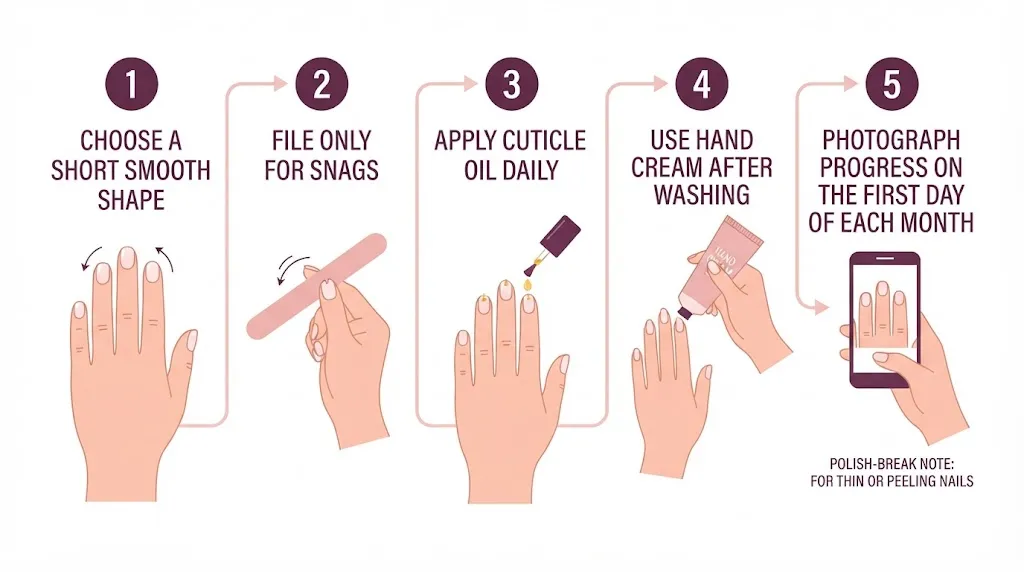
Steady growth comes from a system, not a single product. Start with a short, smooth shape that suits your hands, then file only when you see a snag. Apply cuticle oil once or twice a day, and use hand cream after washing or cleaning. That routine takes under two minutes, yet it protects the plate from the dryness behind most everyday breakage.
Give polish a thoughtful break when your nails feel thin or peel easily. A week without colour, with daily oil and a gentle buff, often leaves nails looking smoother. For a polish-free shine, you can try the steps in how to shine nails without polish, which focus on buffing lightly and keeping the surface moisturised.
Some people prefer a very gentle manicure style during a break, and a Japanese manicure is one option that avoids heavy polish altogether. Reading what a Japanese manicure without polish involves can help you decide whether that low-polish approach fits your routine and your nail goals.
Track progress in a low-pressure way. Take a photo on the first day of each month and note any breakage. Two months of notes will show you more than daily measuring ever will, because growth is slow and breakage can hide it. If nothing improves after consistent gentle care, share that pattern with a clinician.
Editorial Picks That Support Gentle Nail Care
The products below are editorial picks for this guide, chosen for simple, gentle use in a nail-care routine. They are not tested results, and they will not change your growth rate on their own. Their value lies in helping you protect length while new nail grows out.
Editorial Pick
Jojoba Cuticle Oil
A light oil you can massage around the nail daily to keep the cuticle soft and the plate less likely to split at the edge.
As an Amazon Associate, we earn from qualifying purchases.
Editorial Pick
Glass Nail File
A fine glass file helps you smooth snags in one direction without the rough tearing that a coarse emery board can cause.
As an Amazon Associate, we earn from qualifying purchases.
Editorial Pick
Nourishing Hand Cream
A rich hand cream used after washing helps seal in moisture, which keeps the nail plate flexible through dry weather and frequent washing.
As an Amazon Associate, we earn from qualifying purchases.
You can also keep a glass nail file in your bag for quick snag fixes, so a small tear does not turn into a full break later in the day.
Pro Tip
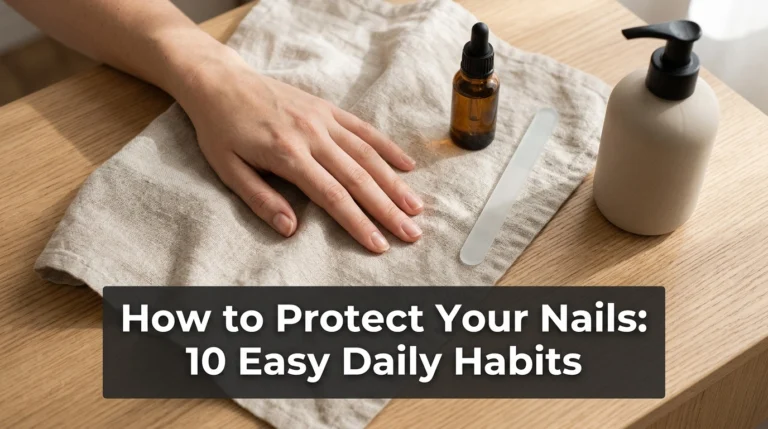
File your nails after a shower, when they are slightly softer, and stop as soon as the edge feels smooth. Over-filing dry nails creates tiny tears, so a light touch protects more length than a perfectly sharp shape ever will.
Pro Tip
Apply oil before bed and wear thin cotton gloves for twenty minutes if your hands are very dry. That short soak helps oil stay on the cuticle instead of rubbing off straight away.
Pro Tip
Keep one nail as your early warning sign. If your thumbnail starts peeling first, check your filing, water exposure, and polish removal before you change your diet or buy a supplement.
Frequently Asked Questions
Q: Can you make your nails grow faster overnight?
A: No, because new nail cells form slowly in the matrix and need weeks to reach the free edge. You can protect existing length overnight with oil, but you cannot create new length by morning.
Q: Does biotin help nail growth?
A: Biotin may help if you are deficient, but it does not guarantee faster growth for everyone. Ask a clinician before starting it, especially if you have upcoming lab tests.
Q: Why do toenails grow so much slower than fingernails?
A: Toenails receive less blood flow and less daily movement than fingernails. That slower supply means a toenail can take a year or more to fully replace itself.
Q: Do nails really grow faster in summer?
A: Many people notice slightly faster growth in warm months, likely because circulation improves. Winter dryness can hide that effect by causing breakage at the tips.
Q: Why is one nail growing slower than the others?
A: A past injury, less use, or pressure from a tight shoe or ring can slow one nail while others grow normally. If it also hurts, changes colour, or lifts, get it checked.
Your Growth, In One Clear Takeaway
Your nails grow at the pace your body sets, then your habits decide how much of that growth you actually keep. Gentle filing, daily moisture, gloves for harsh tasks, and a break from harsh removal protect length far better than any overnight fix. Save this guide on Pinterest and track your growth for a month or two.

Hi, I’m Jessica, the creator behind Unique Lash & Nails Katy.
I created this website for anyone who loves beautiful nails as much as I do. Here, I share trendy nail designs, seasonal manicure ideas, easy nail care tips, honest product recommendations, and step-by-step guides to help you create salon-worthy nails at home. Whether you’re looking for everyday inspiration or your next favorite nail trend, I hope you’ll find something you love.