Why Are My Nails Growing Slowly? 7 Causes & Easy Fixes
Quick Answer
Your nails may seem to grow slowly because fingernails normally add only about 2–3 millimeters a month, or because they break as quickly as they grow. Frequent water exposure, rough manicures, injuries, illness, and sometimes nutritional or thyroid problems can contribute. Start by tracking growth, preventing breakage, and moisturizing daily. See a clinician if growth suddenly changes or you notice unusual nail color, shape, pain, or swelling.
Here’s something surprising: even perfectly healthy fingernails usually grow only a few millimeters per month. If you’re comparing your short nails to a Pinterest manicure, normal growth can feel painfully slow.
But there’s a difference between nails that grow slowly and nails that grow normally but keep breaking. Understanding which one is happening helps you choose the right fix instead of spending money on another miracle serum.
You’ll learn what controls nail growth, which changes deserve attention, and how to help your natural nails hold onto more length.


How Fast Should Your Fingernails Actually Grow?
Most fingernails grow about 2–3 millimeters per month, although your personal rate varies. That works out to roughly one-tenth of a millimeter daily. Replacing a whole fingernail can take around six months, so a week without visible length doesn’t automatically mean something is wrong.
Your toenails usually grow more slowly. Fingernail growth also varies with age, season, which finger you’re watching, and ordinary differences between people. Nails may grow a little faster in warmer months, so a winter slowdown can be completely ordinary.
Growth starts in the nail matrix, the living tissue under the skin near your nail base. It creates new nail cells, pushing older hardened cells forward. Oils and creams can protect the nail you already have, but they cannot make your nail matrix operate at double speed overnight.
Why Are My Nails Growing Slowly All of a Sudden?
If your nails used to gain length easily and now don’t, look for a recent change rather than assuming you have naturally weak nails. The most common explanations aren’t all the same.
1. Your nails are growing, but the tips keep breaking
This is the first possibility to investigate. Your nail might produce new growth normally while repeated splitting, peeling, or tiny chips remove length from the free edge. The result looks exactly like stalled growth.
Watch for ragged corners, layers lifting at the tip, or one nail that always snaps at the same spot. Long showers, dishwashing, cleaning chemicals, nail biting, and picking at polish can make that problem worse. If the nail base looks healthy but the tips stay short, protection matters more than growth products.
2. You recently had gel, dip, or acrylic nails removed
Professional enhancements don’t automatically shut down nail growth. However, aggressive drilling, scraping, or peeling during removal can thin the visible nail plate. A thinner tip bends and breaks before you get the length you want.
You can’t instantly rebuild layers that were removed. Give the damaged area time to move outward and follow this guide to repairing a damaged nail safely at home for protective habits while it grows out.
3. Your body has recently dealt with illness, stress, or injury
A significant illness with fever, major physical stress, or trauma near the nail base can temporarily interrupt nail production. Sometimes the evidence appears later as a horizontal depression called a Beau’s line. That groove moves toward the tip as the nail continues to grow.
A single groove following a known illness may gradually grow out. Repeated grooves, several suddenly affected nails, or growth that appears to stop without an explanation deserve a medical assessment.
4. You may be missing important nutrients
Your body needs enough calories, protein, and micronutrients to maintain healthy tissues. Inadequate nutrition and deficiencies such as iron deficiency can contribute to nail changes, especially brittleness or abnormal shape. But slow nail growth alone doesn’t tell you which nutrient, if any, is missing.
If you’ve also noticed fatigue, unusual paleness, hair changes, restrictive eating, or heavy periods, bring those symptoms up with a healthcare professional. They can decide whether testing is appropriate. Taking iron or zinc without a confirmed need can cause harm.
5. A health condition or medication could be involved
Thyroid conditions can be associated with nails that grow differently or become brittle. Skin disorders, infections, some medications, and circulation problems may also change nail appearance or growth. That doesn’t mean every short nail indicates a medical condition.
The clue is a new or persistent change, especially alongside other symptoms. If several nails become unusually thick, discolored, painful, detached, or distorted, get them examined rather than covering them with another manicure.
6. Your growth rate may simply be your normal
Some people naturally grow nails faster than others. Age, genetics, and seasonal changes can influence the pace. If your nails have always grown slowly, look healthy, and haven’t changed recently, a modest growth rate may be normal for you.
Instead of comparing yourself with someone else’s before-and-after photos, compare your own nails over several weeks. That’s a much more useful test.
How Can You Tell Slow Nail Growth From Nail Breakage?
Take one clear photo of your bare nails today, focusing on the base and tip. Keep the same lighting and camera angle for a photo two weeks later. A tiny visible change near your cuticle, or polish that develops a gap near the base, indicates new growth is happening.
Next, inspect the ends. If you can see new growth but your overall length remains unchanged, the missing length is likely being lost to breaks, filing, biting, or peeling. When every nail seems unusually unchanged and you also notice new ridges or symptoms, book an evaluation.
- Likely breakage: peeling tips, rough corners, frequent snags, uneven nail lengths.
- Possible growth interruption: a new deep horizontal groove, a nail that stops advancing, or several nails changing together after illness.
- Needs assessment: pain, swelling, pus, unexplained dark streaks, lifting, or persistent new discoloration.
If you’re unsure whether the appearance is normal, compare it with these signs of unhealthy nails before assuming the problem is cosmetic.
What Can You Do to Help Your Nails Grow Longer Naturally?
You can’t reliably force healthy nails to grow dramatically faster. You can reduce how much length you lose while supporting normal growth. Start with these practical habits.
Moisturize your nails and cuticles every day
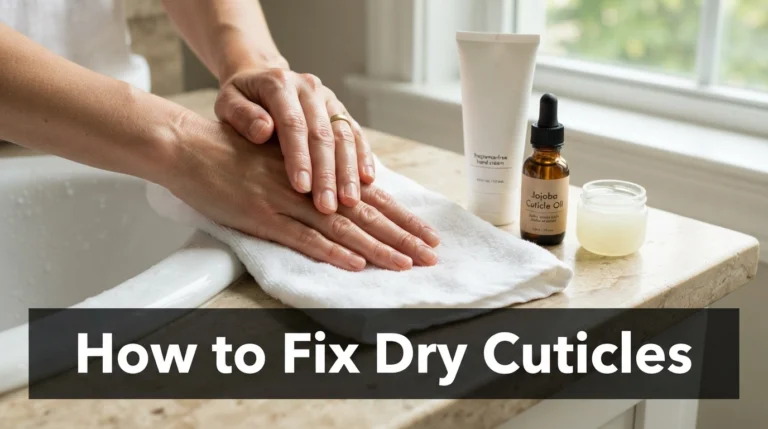
After handwashing, work a fragrance-free hand cream over your fingertips and nail surfaces. At bedtime, add a small amount of jojoba-based cuticle oil or plain petroleum jelly to dry areas. Moisture helps manage brittleness and protects surrounding skin; it isn’t a proven stimulant of nail-cell production.
For a low-maintenance option, search for jojoba cuticle oil. Choose a simple formula if fragrances tend to irritate your skin.
Wear gloves for wet work
Repeated soaking and drying can make nails more likely to split. Before washing dishes or cleaning a bathroom, put on well-fitting reusable gloves. Dry your hands afterward and apply moisturizer. For longer jobs, a cotton liner can help if your hands get sweaty inside the gloves.
Try reusable cleaning gloves if water exposure is part of your daily routine. They protect your nails from both soaking and household cleaners.
Keep the free edges short enough to resist snags
When nails are peeling, a shorter oval or softly rounded shape is often easier to maintain than long sharp corners. Smooth tiny catches promptly using a gentle glass file. You don’t need to cut all your nails down every time one breaks; just remove the snag that could become a larger split.
A glass nail file for natural nails can help you shape edges with controlled strokes. Avoid filing aggressively across peeling layers.
Stop peeling off manicures
When gel polish lifts at one corner, pulling it off can take superficial nail layers with it. Follow the correct removal instructions for the product or have a trained technician remove it. Skip heavy buffing when your nails already feel thin.
You don’t necessarily need a strict polish-free calendar. However, if your nails are sore or visibly damaged, leave enhancements off while you evaluate and protect them. Our guide on whether nails are healthier without polish explains when taking a break can help.
Eat consistently rather than chasing a miracle supplement
Include enough protein and a varied mix of foods that supply iron, zinc, and other nutrients. Beans, eggs, fish, lean meats, nuts, whole grains, and leafy vegetables can all fit into a balanced eating pattern. If you suspect a deficiency, seek testing or individualized guidance rather than taking high doses on your own.
Biotin is frequently marketed for faster nails, but evidence is limited for people without a deficiency. High-dose biotin can also interfere with laboratory tests, including some thyroid and heart-related tests. Tell your clinician about any supplements you’re taking.
Pro Tip
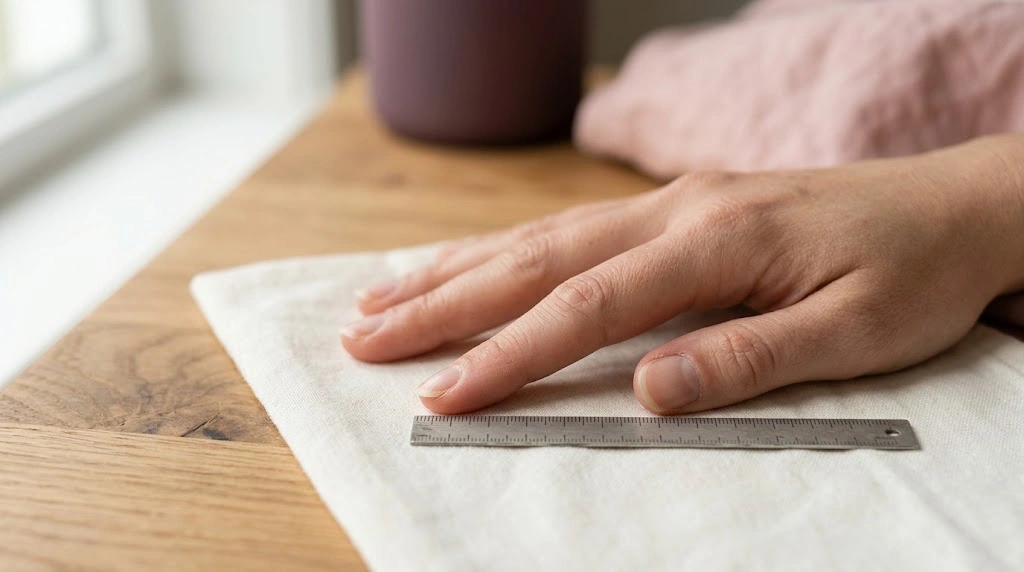
Leave one nail unpolished for two weeks and photograph it with a small ruler in the same position each time. This makes it easier to distinguish real growth from disappearing tip length without obsessing over daily changes.
Which Nail Products Are Worth Buying—and Which Aren’t?
For most people, simple protection products offer more practical value than anything promising “instant growth.” Start with a hand cream, a file, and gloves. Add cuticle oil only if you like using it and will apply it consistently.
Recommended Product
Fragrance-Free Hand Cream for Dry Nails and Cuticles
A straightforward cream helps you replace moisture after washing and reduces the dryness that can contribute to fragile nail edges.
As an Amazon Associate, we earn from qualifying purchases.
Be skeptical of nail-growth polishes that promise dramatic length in days. A coating may temporarily protect the surface or reduce small chips, but that is different from increasing production at the nail matrix. Products that sting, irritate the surrounding skin, or make the nail overly rigid can be counterproductive.
How Long Will It Take to Notice Longer, Healthier Nails?
Set realistic milestones. In two weeks, you may see roughly 1–1.5 millimeters of new growth if you’re near the typical range. In one month, a few millimeters can become visible, especially if you stop losing length to breakage. Over three months, a meaningful portion of the nail plate has moved forward.
If you started with nail damage, the damaged tip won’t transform into new tissue. You’ll gradually trim it away as healthier nail grows from the base. A full fingernail replacement often takes around six months, and individual rates vary.
Try following your routine for eight to twelve weeks and compare photos rather than expecting dramatic weekly changes. For more everyday maintenance ideas, use this daily nail care routine.
What Should You Do—and Avoid—When Your Nails Won’t Get Longer?
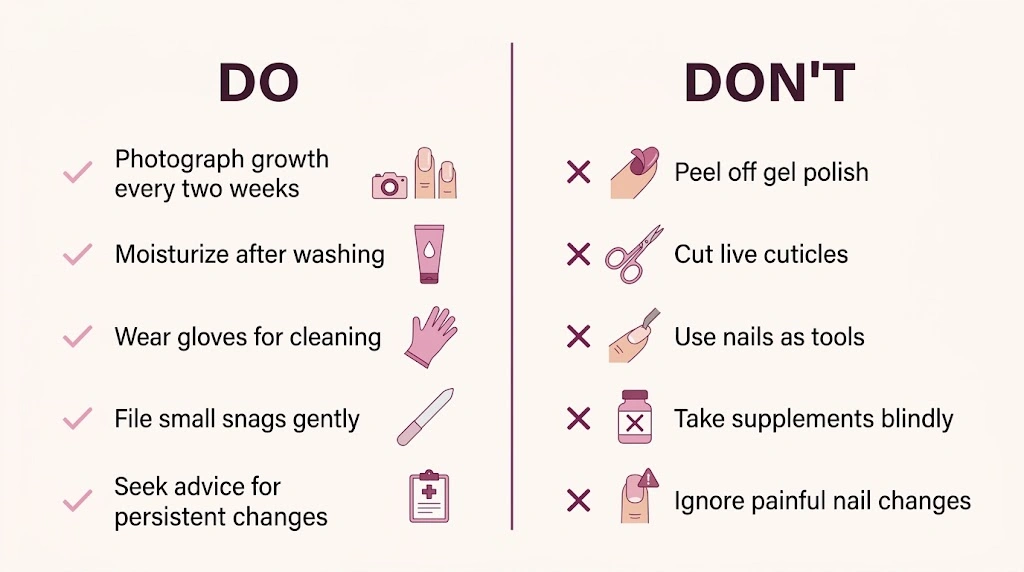
Do
- Photograph growth every two weeks.
- Moisturize after washing your hands.
- Wear gloves for dishes and cleaning.
- File small snags before they split.
- Ask about testing if changes persist.
Don’t
- Peel off gel or acrylic products.
- Cut live cuticle tissue.
- Use nails to pry open objects.
- Take iron or high-dose supplements blindly.
- Ignore painful or unusual nail changes.
When Is Slow Nail Growth a Reason to See a Doctor?
Make an appointment with a primary care clinician or dermatologist if nail growth has suddenly changed, multiple nails seem affected, or you have other symptoms that could point to an underlying problem. Seek prompt medical assessment for a new dark streak without an obvious cause, painful swelling, pus, or a nail lifting from its bed.
Warning
Don’t cover a newly darkened, painful, infected, or unusually deformed nail with gel or acrylic to hide it. Nail changes sometimes require examination, and delaying evaluation can delay appropriate treatment.
A clinician may ask about illness, medications, diet, recent manicures, and other symptoms. Testing depends on what they find; not everyone with slow-looking nails needs bloodwork. Bring dated photographs if you have them, because they can help show whether the problem is worsening.
Frequently Asked Questions About Slow Nail Growth
Q: Why aren’t my nails growing past my fingertips?
A: Often, they’re growing but breaking, peeling, or being filed down at about the same rate. Check your tips for snags and compare photos of your nail base over several weeks.
Q: Does cuticle oil make nails grow faster?
A: There’s no good evidence that ordinary cuticle oil significantly speeds the nail matrix. It can help moisturize dry nail edges and surrounding skin, which may reduce breakage.
Q: Can a vitamin deficiency slow nail growth?
A: Inadequate nutrition and certain deficiencies can affect nail health, but nail appearance alone cannot diagnose a deficiency. If you have other symptoms, ask a healthcare professional whether testing makes sense.
Q: Do nails grow slower after acrylics?
A: Acrylics don’t automatically stop nail growth. Damage from over-filing or rough removal can make nails thinner and easier to break, creating the impression of slower growth.
Q: How much can nails grow in one week?
A: At an average pace of 2–3 millimeters a month, fingernails gain only around half a millimeter to three-quarters of a millimeter in a week. That’s easy to miss without photos.
The Bottom Line: Protect Growth Rather Than Chasing Speed
If you’re wondering why your nails are growing slowly, first check whether they are actually breaking before they can get longer. Consistent moisturizing, careful filing, gloves, and gentler manicure removal make it easier to keep the length your nails naturally produce. If growth changes suddenly or your nails look abnormal, get medical advice instead of guessing.
Save this guide to your Pinterest nail-care board so you can revisit the routine while your healthy nail grows out.

Hi, I’m Jessica, the creator behind Unique Lash & Nails Katy.
I created this website for anyone who loves beautiful nails as much as I do. Here, I share trendy nail designs, seasonal manicure ideas, easy nail care tips, honest product recommendations, and step-by-step guides to help you create salon-worthy nails at home. Whether you’re looking for everyday inspiration or your next favorite nail trend, I hope you’ll find something you love.