Different Parts of a Nail: How They Work Together
Quick Answer
Your nail is a small team, not a single shell. The matrix grows new nail cells, the nail bed supports and feeds the plate, the cuticle seals out germs, and the free edge protects your fingertip. When one part struggles, your manicure and your comfort usually show it first.
Here is a surprising fact to start with: your nail plate is dead, yet the system that makes it is very much alive. Cells form deep under your skin, harden as they move forward, and become the smooth surface you paint. Once you see that journey, filing, oiling, and even a peeling manicure start to make much more sense.
This guide walks you through each part in plain language, then shows how they depend on each other. You will finish knowing what to protect, what to leave alone, and which habits help your nails grow stronger.


Your Nail at a Glance: One System, Five Jobs
Think of your nail as a tiny factory with its own roof, floor, seal, and exit. Growth starts at the back, support runs underneath, protection wraps around the sides, and the finished plate slides forward until it leaves your fingertip.
Together, those parts protect the sensitive skin beneath, give your fingers a firm surface for picking things up, help you feel pressure and texture, and create a smooth base for polish. A break in one area can therefore affect more than looks.
Keeping that picture in mind changes how you treat your nails. Instead of chasing one quick fix for peeling, ask which part of the system needs support right now.
Meet the Parts of Your Nail
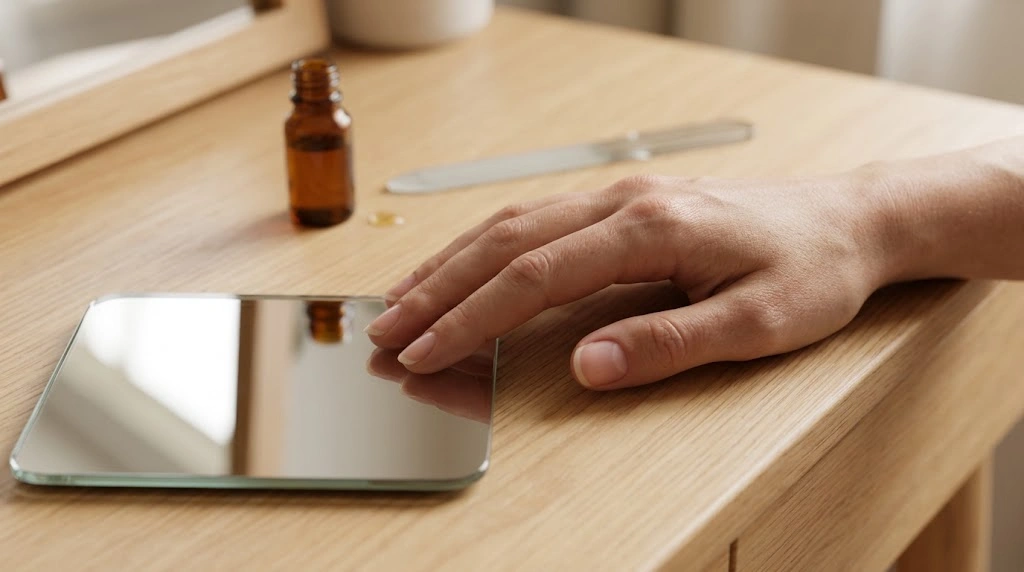
Below, each part gets its own simple explanation. Notice how often one description leads straight into the next, because that overlap is how your nail works.
1. The Nail Plate: Your Visible Shield
Your nail plate is the hard, smooth surface you see and paint. It consists mainly of keratin, the same tough protein found in your hair, and it forms in thin, overlapping layers. Those layers explain why a healthy plate looks smooth, while a damaged one peels in sheets.
Because the plate itself has no living cells or nerve endings, trimming it should not hurt. Pain during a trim usually means you have cut too close to the living skin underneath. Gentle filing also works better than sawing back and forth, since rough motion can split those keratin layers apart.
A smooth plate gives polish something even to grip. Light buffing can help in some cases, although over-buffing thins the plate and makes peeling more likely, so restraint matters here. For a polish-free shine, how to shine nails without polish walks through the gentler approach step by step.
2. The Nail Bed: The Support Beneath the Plate
Directly under your plate sits the nail bed, a layer of soft skin rich in tiny blood vessels. Its pink color shows through a healthy plate, which is why your nails look pink rather than white or yellow when circulation is normal. That color can shift with pressure, cold, illness, or staining, so sudden changes deserve attention.
Your nail bed does more than add color. It anchors the plate, supplies moisture and nutrients from below, and helps the plate glide forward as new cells arrive. When the bed becomes dry, bruised, or lifted, the plate above it often follows suit.
Because of that close contact, protecting the bed means protecting the plate. Avoid forcing tools underneath your nails, since lifting the plate can break its bond with the bed and create a pocket where moisture and germs collect.
3. The Matrix: Where Growth Begins
Hidden under the skin at the base of your nail, the matrix is the growth center for the whole system. New nail cells form there, then flatten, harden, and push older cells forward. That steady push is what makes your fingernails grow, usually by a few millimetres each month, although speed varies with age, season, and overall health.
Damage to the matrix can leave a lasting mark. A hard knock, an aggressive manicure, or repeated pressure may create a ridge, dent, or white spot that travels forward as the nail grows. Watching that mark move can reassure you, because forward movement often means healthier nail is replacing the damaged section.
Since you cannot see or reach the matrix directly, gentle care works best. Keep the surrounding skin moisturized and avoid harsh pushing at the base.
4. The Lunula: The Pale Half-Moon You Can See
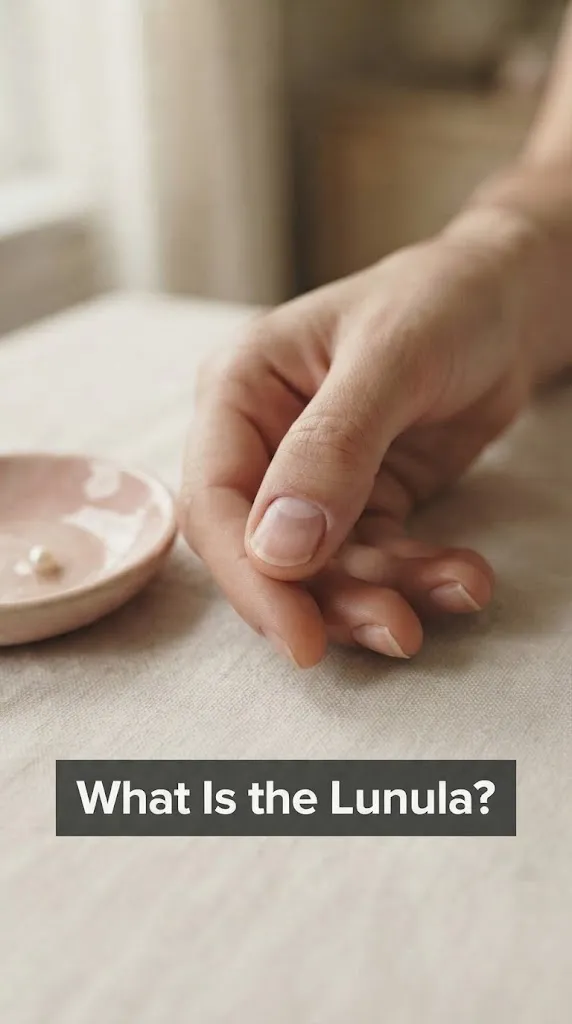
That pale half-moon at the base of some nails is called the lunula, and it is simply the visible tip of your matrix. Its whitish look comes from newer, less transparent cells that have not yet fully hardened. Some people show a clear lunula on every finger, while others see it only on their thumbs, and both patterns can be perfectly normal.
Your lunula gives you a useful clue about growth. When a nail grows well, the lunula tends to stay visible and steady. When growth slows or the matrix is stressed, the lunula may shrink from view, although its absence alone does not prove a health problem.
Treat this area as a window, not a target. You do not need to scrub, file, or push product into the lunula, and leaving it alone lets new cells form without added pressure.
5. The Cuticle and Eponychium: Your Natural Seal
People often use the word cuticle for all the skin around the nail base, but two parts share that job. The true cuticle is a thin layer of dead skin that sticks to the plate as it emerges, while the eponychium is the living skin fold you see just behind it. Together, they form a seal that keeps water, dirt, and germs away from the matrix.
That seal explains why cutting your cuticles can backfire. Removing the barrier opens a direct path to the growth center, which raises your risk of redness, swelling, and infection. Gentle pushing after softening the skin usually gives you the same neat look.
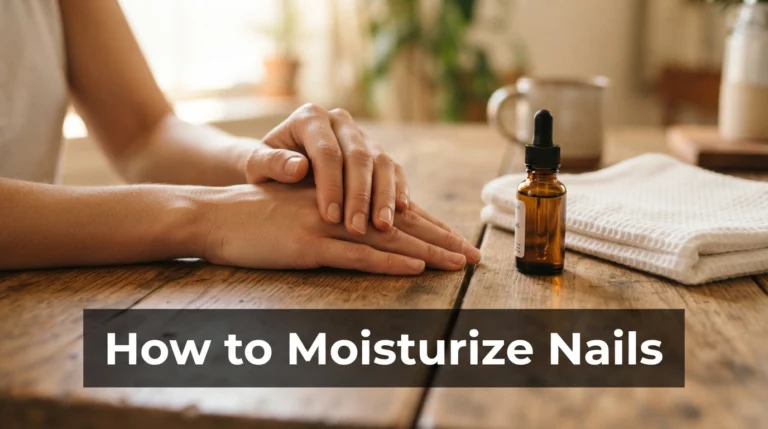
Daily moisture helps this seal stay flexible instead of dry and cracked. A drop of cuticle oil massaged around each nail base can soften rough edges and reduce hangnails, especially in cold or dry weather. Soft skin also tears less, so your seal stays intact longer.
6. The Nail Folds: The Side Walls That Hold Everything
Along each side and across the base, folds of skin cradle your plate like a frame. These lateral and proximal folds guide the plate forward, keep it aligned, and protect its edges from bumps. When those folds swell or become sore, the plate can grow unevenly or feel tender with every touch.
Your folds also explain why constant pressure can change nails over time. Repeated squeezing pushes the plate against its frame, while biting, picking, or using nails as tools creates similar pressure on your hands.
Keeping the folds clean and calm supports the whole system. Wash gently, dry well after soaking, and avoid digging into the corners.
7. The Hyponychium: The Seal Under the Free Edge
Under the tip of your nail, where the plate leaves the bed, sits the hyponychium. This small strip of skin seals the underside and stops dirt and germs from slipping beneath the plate. You may notice it most when you trim your nails and see a thin line of skin just behind the white tip.
Although it looks minor, this seal matters every time you wash your hands or handle food. Cleaning under your nails with a soft brush beats scraping with a sharp tool, because scraping can tear this seal and lift the plate.
8. The Free Edge: The Part That Leaves Your Finger
Beyond your fingertip, the plate becomes the free edge, the white tip you shape and paint. This section no longer rests on the nail bed, so it depends entirely on the strength built up behind it. Length looks lovely, but every extra millimetre also adds leverage, so the tip breaks more easily when it catches.
Your free edge also protects the sensitive pad of your finger during fine tasks, from buttoning a shirt to picking up a coin. Shorter, rounded edges often feel stronger for everyday life, while longer, squared edges may need more care and more frequent filing.
Sealing this edge during a manicure can extend wear. A thin swipe of polish across the tip, called capping, helps stop water from creeping between layers and lifting color from the end inward.
How These Parts Work Together Every Day
Growth, protection, and polish wear all depend on teamwork, not on any single part doing everything alone.
Growth begins in the matrix, travels through the lunula as fresh cells harden, and slides across the nail bed toward the free edge. Meanwhile, the cuticle and folds guard the starting point, the bed feeds and anchors the moving plate, and the hyponychium seals the exit. Interrupt one step, and the next step usually shows the effect within weeks.
Protection works in a similar loop. Your plate shields the bed, your bed cushions the plate, and your skin seals guard both ends. A broken seal lets germs reach the bed more easily, a thinned plate makes pressure feel sharper, and a lifted bed can leave the plate without its anchor.
Polish wear follows the same logic. Color grips best on a smooth, clean plate, stays put when the free edge is sealed, and lasts longer when the cuticle seal stays flexible. Heavy filing, harsh removal, or constant soaking can weaken several parts at once.
A Manicure Routine That Respects the Whole System
You do not need a complicated routine to support every part. Start by soaking briefly or working after a shower, when the cuticle seal softens naturally. Push the skin back gently with a soft tool, never with force, and stop if you feel pain or see redness.
Shape with a glass nail file in one direction, using light strokes from each side toward the center. That approach smooths the free edge without splitting the layers behind it. Follow with a base coat, two thin color coats, and a top coat, capping the free edge with each layer.
Between manicures, moisturize your hands and nail folds daily. A simple moisturizing hand cream keeps the seals flexible, while cuticle oil adds targeted softness around the base. If your nails peel easily, a nail strengthener used as a base coat can add a protective layer, although it works best alongside gentle filing and regular moisture, not instead of them.
For polish habits specifically, it helps to know whether three coats of polish are too much, since thick layers take longer to dry and chip sooner than thin, even coats. Likewise, if you ever wonder whether your nails are healthier without nail polish, the answer depends less on polish itself and more on gentle removal, rest days, and moisture.
Warning
Peeling polish off, prying under the plate, or cutting cuticles can damage several parts at once. A lifted plate invites moisture underneath, a torn seal invites infection near the matrix, and a thinned plate breaks sooner. Gentle removal protects the system you have just learned about.
Signs Your Nail Parts Are Out of Sync
Your nails often warn you before a problem becomes painful. Peeling layers usually point to dryness, over-filing, or water exposure at the free edge. Vertical ridges often appear with age or after matrix stress, while deep horizontal dents may follow illness, injury, or a harsh manicure.
Color changes also carry useful clues. Yellowing may follow dark polish staining or a fungal issue, especially when thickening appears too. Greenish discoloration under a lifted plate needs prompt attention, since trapped moisture can encourage bacterial growth.
Separation between plate and bed, known as lifting, deserves care rather than glue or force. Keep the area clean and dry, trim the loose edge carefully, and let new growth reattach gradually. If pain, spreading redness, or persistent lifting appears, seek professional advice instead of covering the problem with polish. Very hot water can also weaken the system, so read how hot water can damage your nails before long, hot soaks become a daily habit.
Do’s and Don’ts for Stronger, Happier Nails
Do
- +Moisturize your cuticles and folds every day.
- +File gently in one direction.
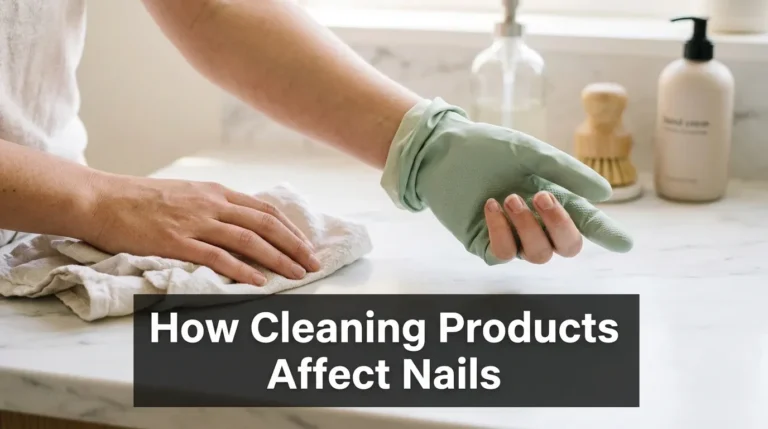
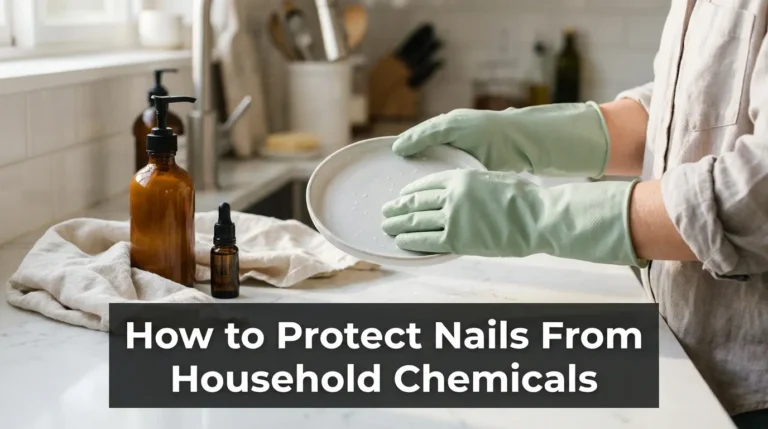
- +Wear gloves for cleaning and dishwashing.
Don’t
- −Cut your cuticles or dig under your nails.
- −Peel polish off instead of removing it gently.
- −Use your nails as tools to open cans or scrape labels.
Pro Tips You Won’t Hear Everywhere
Pro Tip
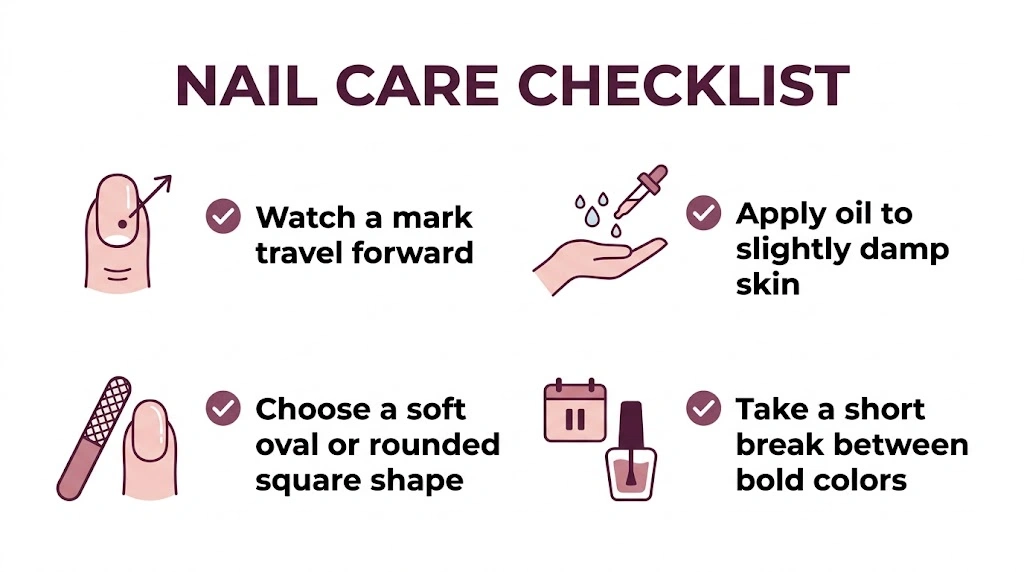
Watch a new mark travel forward over a few weeks. Forward movement usually means the matrix has already moved past the problem, while a mark that stays in place may need a closer look.
Oil works better on slightly damp skin, because moisture helps the seal stay flexible instead of sitting on a dry surface. Apply cuticle oil after washing your hands and patting them mostly dry, then massage it around the base and sides.
Shape matters more than length for strength. A soft oval or rounded square spreads pressure across the free edge, while sharp corners catch and split more easily.
Give your nails a short break between bold colors, especially dark shades that stain the plate. A day or two of bare, moisturized nails lets you check the true color of the bed and lunula, which polish can hide.
Frequently Asked Questions
Q: What is the most important part of a nail?
A: No single part wins, because growth, support, and protection depend on each other. Still, the matrix deserves special care, since it creates every new cell your plate is made from.
Q: Why does my nail plate peel in layers?
A: Your plate is made of keratin layers, so dryness, over-filing, soaking, and peeling polish can separate them. Gentle filing, moisture, and thin polish coats usually reduce peeling over time.
Q: Should I cut my cuticles for a cleaner manicure?
A: Cutting is not necessary for a neat look, and it removes the seal that protects your matrix. Soften the skin, push it back gently, and moisturize instead for a clean finish with less risk.
Q: How long does a damaged nail take to grow out?
A: Fingernails usually need several months to replace fully, because growth starts at the matrix and moves slowly forward. Toenails grow even more slowly, so patience and gentle care matter.
Your Nails Work Best as a Team
Once you see your nail as a working system, good care becomes simpler. Protect the matrix, support the bed, respect the seals, and shape the free edge with kindness. Those small habits add up to stronger nails and longer-lasting manicures.
Save this guide on Pinterest so you can check it before your next manicure.
As an Amazon Associate, we earn from qualifying purchases.

Hi, I’m Jessica, the creator behind Unique Lash & Nails Katy.
I created this website for anyone who loves beautiful nails as much as I do. Here, I share trendy nail designs, seasonal manicure ideas, easy nail care tips, honest product recommendations, and step-by-step guides to help you create salon-worthy nails at home. Whether you’re looking for everyday inspiration or your next favorite nail trend, I hope you’ll find something you love.