Can Nails Become Stronger Naturally? 9 Habits That Help
Quick Answer
Yes, nails can become stronger naturally when you prevent damage and protect healthy new growth. Moisturize your nails and cuticles daily, wear gloves for wet chores, keep tips short and smooth, and eat a varied diet with enough protein. You may notice less snagging within weeks, but a damaged nail plate has to grow out; meaningful changes usually take several months.
Can Nails Become Stronger Naturally?
If your nails peel the moment they grow past your fingertips, another bottle of “miracle” hardener probably sounds tempting. Fortunately, you can often make your natural nails more resilient without an elaborate salon routine. The trick is understanding what nail strength actually means: keeping the layers intact, avoiding repeated stress, and giving new growth a better chance. Here are the nine habits worth building, plus realistic expectations for when you’ll notice a difference.


What does it mean for nails to become stronger naturally?
Your visible nail is a plate of tightly packed keratin cells. It isn’t living tissue that can heal a crack the way your skin heals a scratch. New nail forms in the matrix beneath the skin near the base, then gradually moves forward as your nail grows.
That means natural nail strengthening has two parts. First, you protect the nail you already have from peeling, splitting, and breaking. Second, you support healthy new growth by reducing irritation and meeting your body’s nutritional needs. You aren’t trying to make every nail rock-hard. A little flexibility is useful; a nail that becomes excessively rigid can snap when it hits something.
Some people naturally have thinner nails than others. Your goal is fewer breaks, smoother edges, and a comfortable nail area—not an unrealistic promise that every nail will become thick or grow overnight.
Why do your nails keep bending, peeling, or breaking?
Repeated wetting and drying is a common culprit. Your nail absorbs water, expands slightly, then contracts as it dries. Frequent dishwashing, cleaning, and contact with detergents can leave the layers more likely to separate. Rough removal of gel polish, aggressive buffing, nail biting, and using your tips to pry objects add physical damage.
Dry air and frequent handwashing can make matters worse when you don’t replace moisture afterward. Less commonly, persistent brittle nails can be associated with iron deficiency, thyroid problems, skin conditions, or other medical issues. If you want to narrow down your own triggers, see this guide to common causes of weak nails.
Which nine habits actually help your nails get stronger?
1. Moisturize your nail plates and cuticles every day
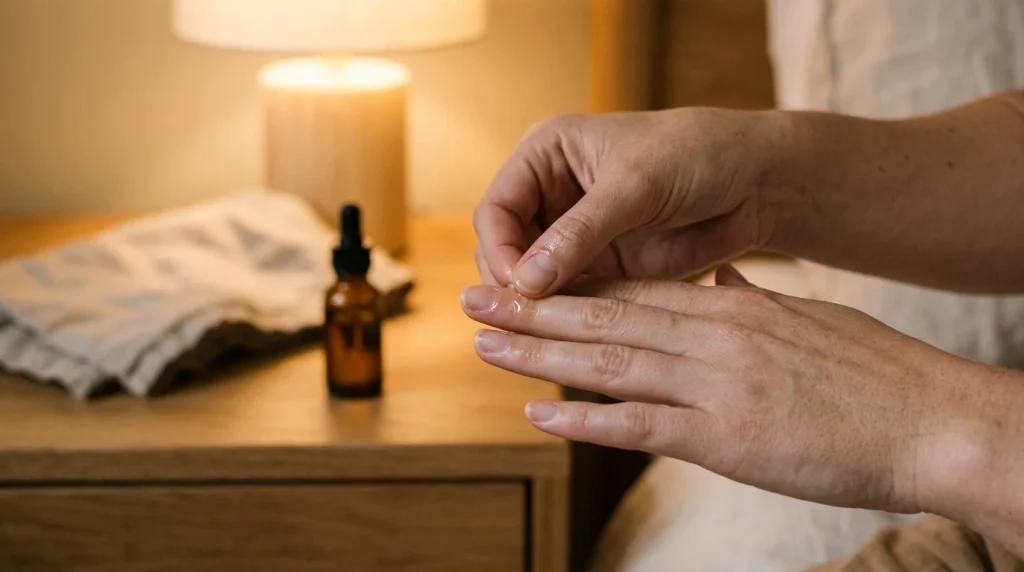
Start with the easiest habit: apply fragrance-free hand cream after washing your hands, working a little across each nail and around its edges. At night, add one small drop of jojoba-based cuticle oil per nail if the area still feels dry. Massage gently rather than pressing hard at the base.
Moisturizing doesn’t rebuild a split nail, but it helps limit dryness and keeps the surrounding skin comfortable. If you’re unsure whether to buy a specialty oil, this comparison of Vaseline versus cuticle oil explains when each texture is useful.
Best for: Nails that look chalky, feel rough, or peel alongside dry cuticles. Trade-off: Oil feels greasy to some people; a light cream is perfectly acceptable.
2. Wear gloves before wet chores, not afterward
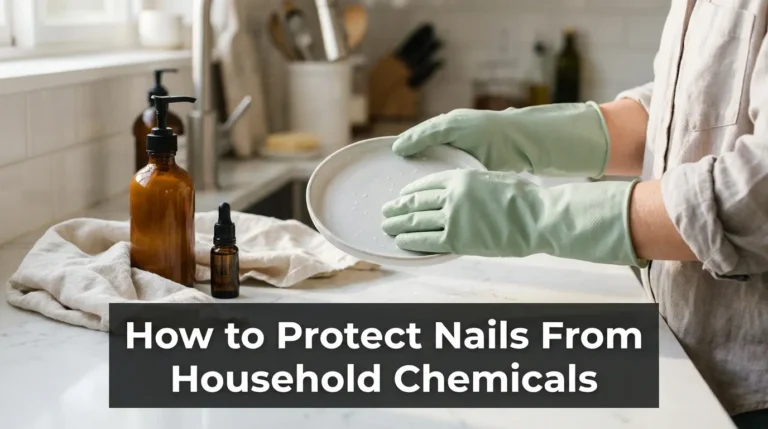
Put on properly fitting household gloves before washing dishes, scrubbing a bathroom, or working with detergents. If your hands sweat inside them, use a breathable cotton liner or take a break and dry your hands. Moisture trapped against skin for long periods can also cause irritation.
This small barrier reduces the repeated water exposure that contributes to splitting. It’s particularly helpful when you wash dishes daily or clean with strong products. Trade-off: Gloves take a little getting used to, but they’re more reliable protection than applying more polish after damage happens.
3. Keep your nails shorter while weak tips grow out
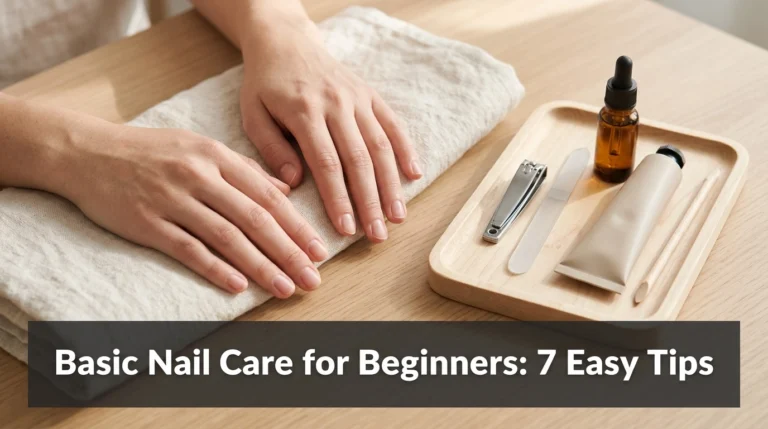
Choose a practical length with little or no free edge until peeling stops. Trim with sharp clippers, then gently round the corners so they won’t catch on fabric. A soft oval or squoval shape usually has fewer vulnerable sharp corners than a long, pointed tip.
Shorter nails have less leverage when you accidentally bump something. That means fewer opportunities for an existing split to travel farther down the plate. Trade-off: You’ll temporarily sacrifice length to protect what you’ve already grown.
4. File snags gently instead of tearing them away
Keep a fine-grit file in your bag or desk drawer. When an edge catches on your sweater, smooth it promptly with light, controlled strokes. Avoid sawing aggressively back and forth, and don’t buff the top surface to erase every ridge. Repeated surface buffing removes nail material you cannot immediately replace.
A glass nail file or gentle emery board can work. The best tool is the one you use lightly and keep clean. Best for: Nails with peeling corners and small snags. Trade-off: Filing prevents additional catching; it cannot fuse layers that have separated.
5. Stop using your nails as tiny tools
Open soda tabs with the side of a spoon, lift stickers with a plastic scraper, and use scissors for tape or packages. When typing, use the pads of your fingers instead of repeatedly striking keys with long tips. These tiny changes reduce bending forces at the fragile free edge.
If one particular nail always breaks—often a thumb or index finger—notice what you use that finger for. You may find a daily habit that’s easier to change than your entire nail routine. Trade-off: You need a little extra attention at first, but the habit soon becomes automatic.
6. Give damaged nails a gentler manicure routine
You don’t have to abandon nail color forever. Regular polish may be fine if it doesn’t irritate your skin and you remove it gently. However, repeated scraping, peeling gel off, rough electric filing, and forceful acrylic removal can strip away layers of the natural nail.
If your nails feel thin or sore after enhancements, simplify your manicure while the damaged portion grows forward. Skip aggressive surface buffing and avoid applying a new set simply to hide a problem. A clear coating may reduce catching for some people, but it’s not essential and won’t cure underlying brittleness.
Trade-off: Your manicure might be simpler for a while; in return, you’ll avoid repeatedly traumatizing the same nail plate.
7. Eat enough protein and a variety of nutrient-rich foods
Your body needs adequate nutrition to make new keratin. Build ordinary meals around protein sources such as eggs, fish, poultry, beans, tofu, yogurt, or lentils, then add fruits, vegetables, whole grains, and healthy fats. Iron, zinc, and B vitamins matter when you’re deficient, but taking extra amounts doesn’t automatically make healthy nails stronger.
If your eating pattern is limited or your nails changed alongside fatigue, hair shedding, or other symptoms, ask a clinician whether testing makes sense. For meal ideas, explore foods that support stronger, healthier nails.
Trade-off: Food supports future growth rather than repairing today’s peeling tip. Consistency matters much more than a single “superfood.”
8. Protect your cuticles instead of cutting them
The cuticle helps seal the space where the nail emerges. Cutting it or forcefully pushing it back can create small injuries and give germs an opening. Leave attached cuticle tissue alone, moisturize the area, and carefully clip only a loose, detached hangnail with clean tools. Never rip a hangnail off with your teeth.
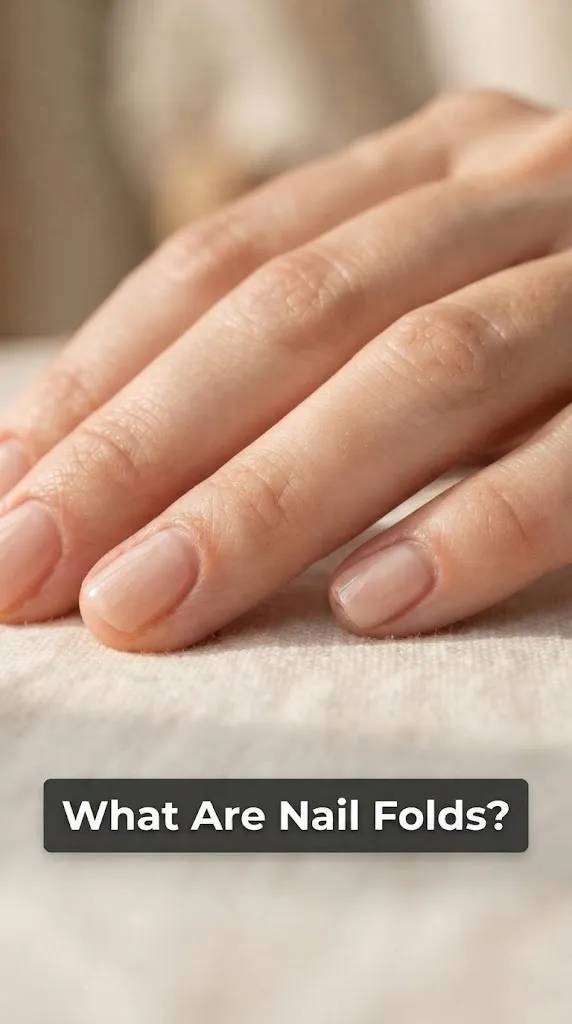
If a nail fold becomes red, swollen, warm, or painful, don’t cover it with polish and hope for the best. Have it checked. Best for: Anyone who gets ragged skin or irritation after manicures. Trade-off: You’ll be choosing a neat, natural cuticle line over a sharply trimmed salon look.
9. Make your routine consistent instead of intense
Five minutes each day usually makes more sense than a long weekly rescue session. Keep moisturizer next to the sink, oil beside your bed, and gloves where you store cleaning supplies. These convenient placements turn nail care into something you do without planning it.
Take a close-up photo once a month in similar lighting. Look at whether new growth near the base appears smooth and whether you’re keeping the tips intact longer. Trade-off: Results are gradual, but you’re building habits that continue helping after the initial motivation fades.
What simple daily routine should you follow?
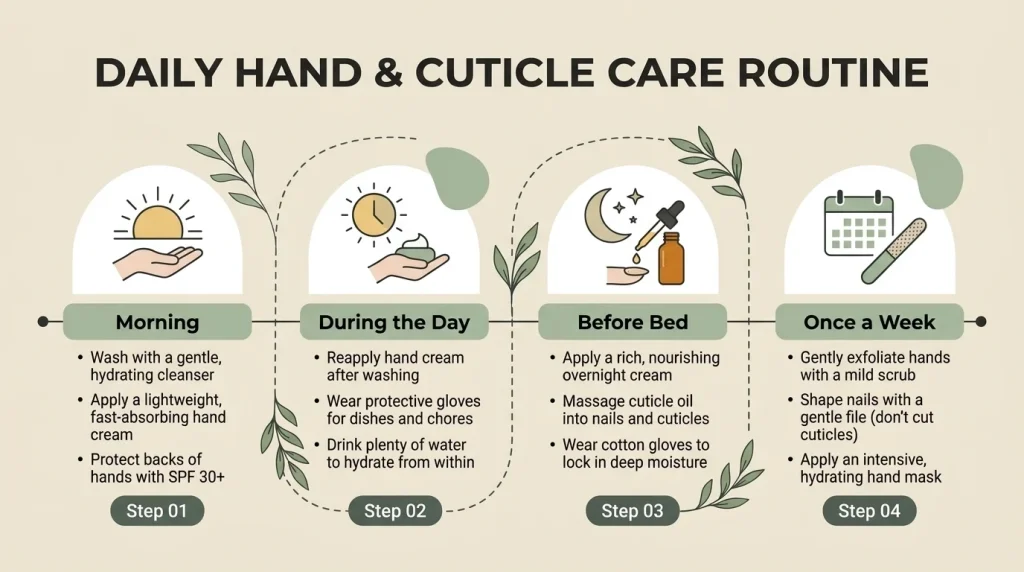
Morning: After washing and drying your hands, spread a pea-sized amount of hand cream across both hands, including your nails. Check for rough edges before heading out. This takes about a minute.
During the day: Reapply hand cream after frequent washing, use gloves for wet work, and smooth a snag as soon as you notice it. Don’t worry about counting perfect applications; focus on preventing repeated dryness and trauma.
Before bed: Massage a small amount of oil or cream into your nail area. If your skin is very dry, apply a thin layer of plain petroleum jelly over moisturizer to help seal it in. Skip anything that stings or causes a rash.
Once a week: Check your length and shape, trim what needs trimming, and inspect any new lifting or discoloration. For a more complete checklist, use this daily nail-care routine.
How long does it take for nails to become stronger naturally?
Expect improvement in stages, not overnight. Your nails may catch less often within one to two weeks if you shorten the tips and smooth snags. Over the following weeks, consistent protection can help reduce new damage. Those are practical changes, not proof that the nail plate has grown thicker.
Fingernails typically grow around 3 millimeters per month. Replacing most of a damaged fingernail can therefore take roughly four to six months, sometimes longer depending on your growth rate and the extent of the damage. The old layers won’t magically bond back together; they gradually move toward the tip and get trimmed away.
Compare photos monthly rather than daily. If a split keeps extending from the same spot, a nail detaches from the bed, or changes persist despite gentler care, consult a dermatologist instead of simply waiting for more growth.
What should you do and avoid while strengthening your nails?
Do
- Moisturize nails and hands after washing.
- Wear gloves for dishes and cleaning.
- Keep edges smooth and nails manageable.
- Choose gentle removal and sufficient dietary variety.
Don’t
- Peel off gel or acrylic products.
- Cut attached cuticles or over-buff the plate.
- Use nails to pry or scrape objects.
- Take high-dose supplements without medical guidance.
What expert-level tricks make a natural nail routine work better?
Pro Tip: Protect your problem finger
If your dominant index fingernail breaks first, keep that one slightly shorter. Matching every nail to the exact same length isn’t worth a recurring split.
Watch your removal routine. Damage often happens when you take a manicure off, not while you wear it. Follow the product’s removal directions, never pry coatings up, and seek professional removal when needed.
Moisturize after exposure, not just before. Washing removes products from your skin, so keeping a small tube of hand cream near the sink is more useful than relying on one heavy bedtime application.
Skip irritating home hacks. Repeated lemon juice, abrasive toothpaste, or hard scraping won’t rebuild nail keratin. If a DIY mixture burns the surrounding skin, wash it off and stop using it.
Which affordable products are actually worth having?
You can follow this routine without shopping. If you prefer a few dedicated products, prioritize moisture, gentle filing, and protection rather than expensive “growth accelerators.” These links are Amazon search results so you can compare ingredients, prices, and availability yourself.
Recommended Product
Jojoba-Based Cuticle Oil
A lightweight oil is convenient for moisturizing dry cuticles and nail edges; it won’t make nails grow faster or mend existing splits.
As an Amazon Associate, we earn from qualifying purchases.
Recommended Product
Fine-Grit Glass Nail File
A smooth, washable file makes it easy to remove tiny snags before they turn into larger chips. Use light pressure and file the free edge, not the nail surface.
As an Amazon Associate, we earn from qualifying purchases.
Recommended Product
Fragrance-Free Hand Cream
A gentle cream you can reapply after handwashing may be more useful for brittle nails and dry skin than a costly nail serum you rarely use.
As an Amazon Associate, we earn from qualifying purchases.
When are weak nails a reason to see a dermatologist?
Warning
Seek professional advice for sudden or persistent nail changes, pain, swelling, lifting, unusual thickening, a new dark streak, or redness around the nail. Nail changes aren’t always cosmetic, and covering them with polish may delay diagnosis.
If your nails stay brittle despite reducing exposure and trauma, a clinician can assess possible underlying causes. Don’t start iron, zinc, or high-dose biotin based on appearance alone. Evidence that biotin helps people without a deficiency is limited, and large doses can interfere with laboratory tests.
Frequently asked questions about naturally stronger nails
Q: Can naturally thin nails become thick?
A: You can often reduce breakage, but your natural nail thickness is influenced by genetics and health. Care habits protect the plate; they don’t guarantee thicker nails.
Q: Does olive oil strengthen fingernails?
A: Olive oil can soften dry skin and coat the nail surface, but it hasn’t been shown to permanently thicken nails. Use it as a moisturizer, not a growth treatment.
Q: Should you stop using nail polish to grow stronger nails?
A: Not necessarily. Gentle regular polish can fit a healthy routine. If your nails are peeling or sore, reduce frequent changes and avoid harsh application or removal.
Q: Do biotin gummies make nails stronger naturally?
A: Evidence for biotin supplements in people without a deficiency is weak. High doses can affect blood-test results, so discuss supplements with your healthcare professional first.
Q: Can you fix peeling nails in one week?
A: You can trim loose tips and prevent fresh snags within a week, but existing separated layers won’t fuse back together. Protect the nails while healthier growth gradually replaces the damaged part.
Can you really build stronger natural nails without expensive treatments?
Yes—often the biggest improvements come from habits that cost little: regular moisturizer, shorter smooth tips, protective gloves, gentle manicure removal, and balanced meals. Give your nail growth time, and focus on keeping the length you already have rather than chasing instant results. Save this guide to your Pinterest nail-care board so your simple routine stays easy to follow.

Hi, I’m Jessica, the creator behind Unique Lash & Nails Katy.
I created this website for anyone who loves beautiful nails as much as I do. Here, I share trendy nail designs, seasonal manicure ideas, easy nail care tips, honest product recommendations, and step-by-step guides to help you create salon-worthy nails at home. Whether you’re looking for everyday inspiration or your next favorite nail trend, I hope you’ll find something you love.