Are Nails Healthier Without Polish? The Truth About Polish Breaks
Quick Answer
Your nails aren’t automatically healthier just because you stop wearing polish. Regular nail polish itself is usually less of a problem than repeated acetone exposure, peeling or scraping off gel, aggressive buffing, and skipping moisture. However, going polish-free for a while can help dry, peeling, brittle, or damaged nails recover and lets you spot changes in your natural nails more easily.
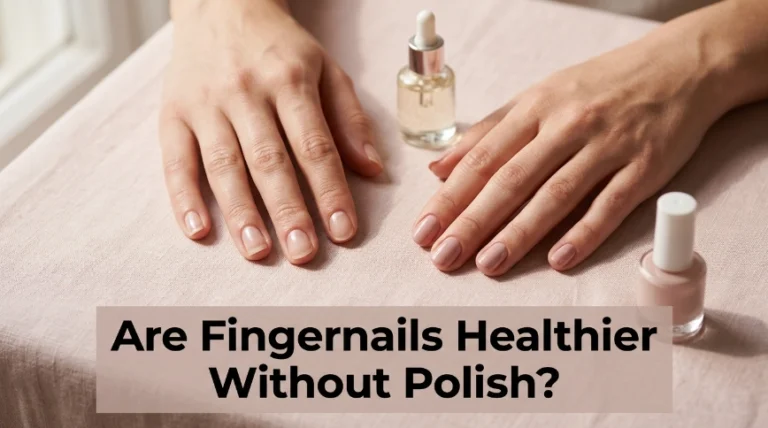
If you love a fresh manicure but occasionally look at your bare nails and wonder, Are nails healthier without polish?, you don’t necessarily have to choose between pretty nails and healthy nails.
The condition of your nails depends much more on how you apply, wear, remove, and care for your manicure than on color sitting on the nail plate. A polish break can still be useful when your nails are dry, peeling, thin, or recovering from repeated gel, dip, or acrylic manicures.
Here’s how to tell when bare nails really are the healthier choice for you — and when you can keep enjoying polish without feeling guilty.


Does Nail Polish Make Your Nails Unhealthy?
Not automatically. Traditional nail polish sits primarily on the nail plate, which is made from hardened keratin. Your visible nail doesn’t need to “breathe” in the way your skin or lungs do, so taking off polish simply to give nails oxygen isn’t necessary.
The bigger concern is everything surrounding the manicure.
- Frequent remover use can leave the nail plate and surrounding skin dry.
- Peeling gel polish off can pull away superficial layers of the nail plate.
- Heavy buffing gradually thins the nail.
- Picking at polish can leave the surface rough and flaky.
- Repeated enhancements may expose already weakened nails to additional filing and removal.
That’s why two people who wear nail polish every week can have completely different results. One may have healthy-looking natural nails because she removes polish gently and moisturizes consistently. Another may develop peeling nails because she repeatedly picks off her manicure.
Warning
Don’t peel gel, dip, or stubborn polish from your nails. Even when the coating seems loose, pulling it away can remove layers from the nail surface and leave your nails noticeably thinner and rougher.
When Are Nails Healthier Without Polish?
A polish-free period becomes useful when your nails are showing signs that your manicure routine is stressing them.
You may benefit from temporarily leaving your nails bare if you notice:
- Peeling layers at the tips
- Dry, chalky-looking surfaces
- New brittleness or splitting
- Thinning after gel, dip, or acrylic removal
- Soreness around the nail or cuticle
- Rough patches caused by picking or filing
- Discoloration that you want to monitor
Going without color makes it easier to moisturize your nails frequently and monitor the surface as new nail grows in.
It also removes the temptation to keep covering a damaged nail simply because you don’t like how it looks.
Do Nails Need to Breathe Between Manicures?
No. This is one of the most persistent nail-care myths.
Your visible nail plate isn’t living tissue that needs oxygen from the air. The structures responsible for nail growth are underneath and behind the visible plate, and they receive what they need through your body’s circulation.
So when someone tells you to remove polish because your nails “need to breathe,” that’s not the best reason for taking a break.
A better reason is this: a break reduces exposure to manicure processes that may be drying or damaging your nails.
It also gives you a chance to inspect your natural nail color and texture. If you’re constantly wearing opaque polish, changes can be easier to overlook.
Pro Tip
Think of a polish break as a break from removal, filing, soaking, and manipulation rather than a chance for the nail to “breathe.” That mindset helps you focus on the habits that actually matter.
Is Regular Nail Polish Better for Your Nails Than Gel?
If your priority is minimizing removal-related stress, traditional polish is generally easier to manage than a manicure that requires prolonged soaking, scraping, or significant filing.
Regular lacquer can usually be removed quickly. Gel is more durable, but removing it often requires acetone exposure and extra care. Dermatologists also warn against peeling or filing gel off aggressively because that can damage the nail plate.
This doesn’t mean every gel manicure will ruin your nails. Your technique matters enormously.
If you love color but want a simpler manicure routine, you could choose an easy-removal traditional shade. Our guide to the best nail polish for wedding guest looks includes several traditional and no-lamp options that can also inspire an understated everyday manicure.
Sheer pinks, soft nudes, and milky shades are particularly useful because minor growth and small chips tend to look less obvious. That may help you resist constantly removing and repainting your nails.
What Actually Damages Nails During a Manicure?
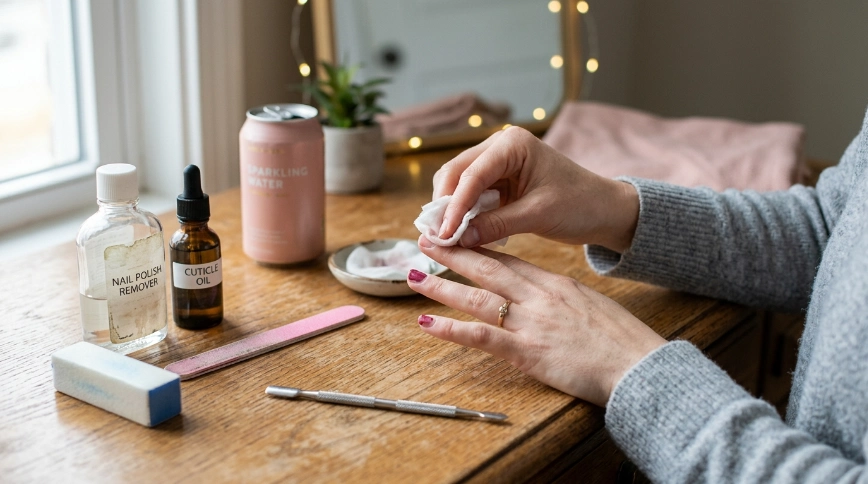 Save
SavePolish gets blamed for a lot of nail problems that actually happen during preparation or removal.
1. Peeling off your manicure
This is one of the easiest ways to make healthy nails look damaged. When polish — especially gel — is firmly attached, peeling it can take superficial layers of the nail plate with it.
2. Over-buffing
A little smoothing is different from repeatedly filing the top surface until it feels paper-thin. The nail plate can’t instantly replace material you’ve filed away.
3. Too much remover exposure
Acetone is excellent at dissolving stubborn coatings, but frequent or prolonged exposure can be drying. Moisturizing afterward matters.
4. Cutting living cuticle tissue
Your cuticle helps protect the area where your nail grows. Aggressive cutting or picking can irritate the surrounding skin and increase opportunities for infection.
5. Using your nails as tools
Opening cans, scraping labels, and prying apart objects puts mechanical stress on your nails. No strengthening polish can completely compensate for that habit.
How Can You Tell If You Need a Polish Break?
You don’t need to schedule polish-free weeks just because a calendar says it’s time. Look at the condition of your actual nails.
A break makes sense when your nails feel noticeably different after removal — especially if they’re thinner, flaky, rough, tender, or unusually brittle.
If your nails look smooth, feel comfortable, and aren’t splitting or peeling, you may not need an extended break from ordinary lacquer.
On the other hand, continuing to cover obviously damaged nails can make it harder to monitor their improvement.
Your nail tips keep peeling
Keep them relatively short, file away snags gently, moisturize after handwashing, and pause repeated removal cycles until the damaged portion has begun growing out.
Your nails feel thin after gel removal
Avoid immediately filing or applying another enhancement. Keep the nails short and protected while the affected nail gradually grows forward.
The skin around your nails is dry and cracked
Reduce harsh remover exposure and moisturize your hands, nails, and surrounding skin frequently, particularly after washing your hands.
How Long Should You Leave Your Nails Without Polish?
There’s no universal number of polish-free days that every healthy nail requires.
If you’re simply taking a cosmetic break from regular lacquer, a few days or a week can give you time to inspect your natural nails and focus on moisture.
If your nails have become brittle, peeling, or thin after repeated gel or enhancement removal, recovery takes longer because damaged nail doesn’t magically repair itself overnight. You need healthier nail to grow forward from the base.
Fingernails grow gradually, so replacing the full visible nail plate takes months rather than days.
That means a seven-day polish break won’t completely replace damaged nail. Its real value is stopping the cycle that caused the problem while you establish gentler habits.
What Should You Put on Your Nails During a Polish Break?
The most useful thing is usually moisture, not another complicated treatment.
Apply hand cream or an ointment around your nails and cuticles after washing your hands and before bed. If your skin gets very dry, a richer occlusive product can help reduce moisture loss.
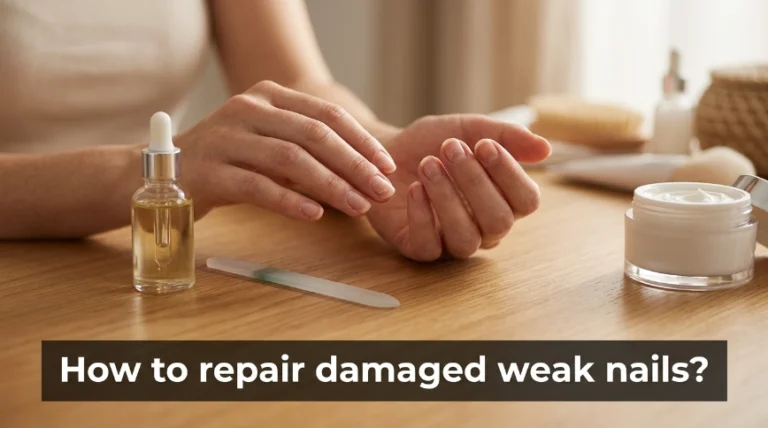
A cuticle oil for nails is also convenient because you can brush a small amount around each nail without coating your entire hand.
If your edges snag easily, use a glass nail file or a fine nail file to smooth the free edge rather than tearing off peeling pieces.
And if you’re switching from frequent lacquer but still want a neat appearance, beautifully shaped natural nails can look intentional on their own. You can also borrow shape and styling ideas from these minimalist wedding guest nail ideas and simply skip the color.
How Do You Keep Bare Nails Healthy?
You don’t need a ten-product routine. Consistent protection beats an elaborate nail-care shelf.
- Keep your nails clean and reasonably dry. Constant wet-dry cycles can be hard on brittle nails.
- File snags before they spread. A tiny split becomes a much bigger tear when it catches on hair or clothing.
- Moisturize after handwashing. Rub some cream over the nails and surrounding skin instead of stopping at your knuckles.
- Wear gloves for wet chores. Dishwashing and prolonged cleaning expose your hands to water and detergents repeatedly.
- Leave your cuticles alone. Don’t aggressively cut, scrape, or pull at healthy cuticle tissue.
- Keep vulnerable nails shorter. Shorter nails experience less leverage when they’re already thin or brittle.
A fragrance-free hand cream is often enough. If you want a richer nighttime option, browse a hand and cuticle moisturizer and apply it before bed.
What Should You Do — and Avoid — for Healthier Nails?
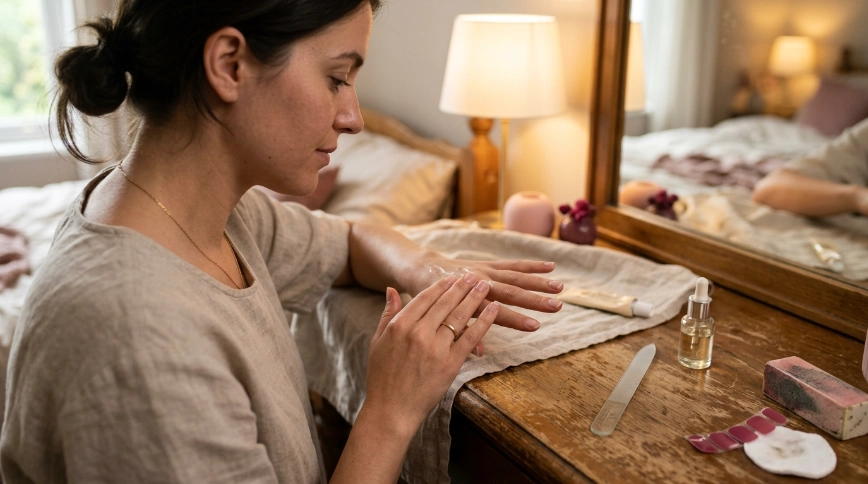 Save
SaveDo
- +Moisturize after removing polish
- +Use gentle filing techniques
- +Inspect bare nails between manicures
Don’t
- −Peel gel or polish away
- −Over-buff the nail surface
- −Cover unexplained nail changes indefinitely
Can You Wear Polish and Still Have Healthy Nails?
Absolutely. You don’t have to abandon manicures to care for your nails.
Use thin coats, avoid unnecessary buffing, remove the manicure according to the product’s directions, and moisturize afterward. Most importantly, don’t peel the finish off when it starts lifting.
If you prefer lower-maintenance looks, choose shades and designs that still look attractive as your nails grow. A soft French-style manicure is one example. These French tip wedding guest nail ideas show how subtle manicures can create a polished look without needing dramatic, opaque color.
You can also alternate between color and natural manicures based on how your nails feel rather than following an arbitrary schedule.
Pro Tip
If you’re constantly repainting because one tiny chip bothers you, switch temporarily to a sheer nude or pale pink. Chips and new growth are less obvious, which can reduce how often you expose your nails to remover.
When Should a Nail Change Be Checked by a Professional?
Polish can hide nail changes, so pay attention when you remove it.
Consider speaking with a dermatologist or other qualified healthcare professional if you notice a persistent dark streak, significant thickening, unexplained separation of the nail from the nail bed, pain, swelling, redness, or a color or shape change that isn’t simply growing out after an injury or stained manicure.
Don’t repeatedly cover an unexplained change with opaque polish just because it looks unattractive. Seeing the natural nail can make it easier to notice whether the area is changing.
Frequently Asked Questions About Going Without Nail Polish
Q: Do nails get stronger when you stop wearing polish?
A: They may seem stronger if stopping polish also means less remover, peeling, buffing, and gel removal. Simply removing ordinary polish doesn’t instantly strengthen the existing nail plate.
Q: How often should you give your nails a break from polish?
A: There’s no mandatory schedule for healthy nails wearing ordinary polish. Take a break when your nails become dry, brittle, peeling, thin, sore, or otherwise damaged, especially after intensive manicure systems.
Q: Is clear nail polish healthier than colored nail polish?
A: Clear polish isn’t automatically healthier, but small chips may be less noticeable, so you might remove and repaint it less frequently. Your application and removal habits matter more than whether the polish is clear or colored.
Q: Does nail polish prevent nails from breathing?
A: No. The visible nail plate doesn’t need to absorb oxygen from the air. The benefit of going bare is reducing manicure-related stress and making your natural nails easier to inspect, not allowing them to breathe.
Q: What is the healthiest way to remove nail polish?
A: Use the removal method intended for your manicure instead of peeling or aggressively scraping it away. Limit unnecessary remover contact with surrounding skin and moisturize your nails and hands afterward.
So, Are Nails Healthier Without Polish?
Sometimes — but being polish-free isn’t automatically healthier. Healthy nails depend more on gentle removal, limited mechanical damage, moisture, sensible filing, and paying attention to changes than on whether your nails are painted.
If your nails are smooth and comfortable, you can enjoy polish while caring for them properly. If they’re peeling, brittle, thin, or irritated, give the manicure cycle a break and focus on protection while healthier nail grows forward.
Save this guide to your Pinterest nail-care board so you’ll know exactly when your nails need a polish break — and when you can keep enjoying your favorite color.

Hi, I’m Jessica, the creator behind Unique Lash & Nails Katy.
I created this website for anyone who loves beautiful nails as much as I do. Here, I share trendy nail designs, seasonal manicure ideas, easy nail care tips, honest product recommendations, and step-by-step guides to help you create salon-worthy nails at home. Whether you’re looking for everyday inspiration or your next favorite nail trend, I hope you’ll find something you love.