How to Clean Nails at Home in 7 Easy Steps
Quick Answer
To clean your nails at home, wash your hands with soap, soften stubborn debris with warm water, gently clean beneath the free edge with a soft nail brush, rinse thoroughly, and dry completely. Finish by filing rough edges and moisturizing your nails and cuticles. Don’t scrape aggressively underneath your nails or cut your cuticles.
Time needed
10–15 minutes
Difficulty
Beginner
Items needed
5–7 basic items
Result lasts
Until nails get dirty again
You don’t need a salon manicure to make your natural nails look fresh and tidy. A simple home routine can remove everyday dirt, smooth rough edges, and leave your hands looking noticeably more polished.
The key is being gentle. Cleaning underneath your nails doesn’t mean digging beneath the nail plate, and cleaning your cuticles doesn’t mean cutting them away. A few basic tools and about 10 minutes are usually enough.


What do you need to clean your nails at home?
 Save
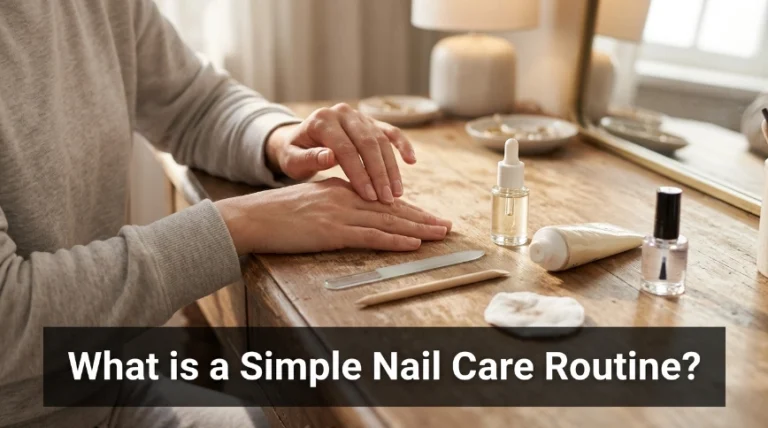
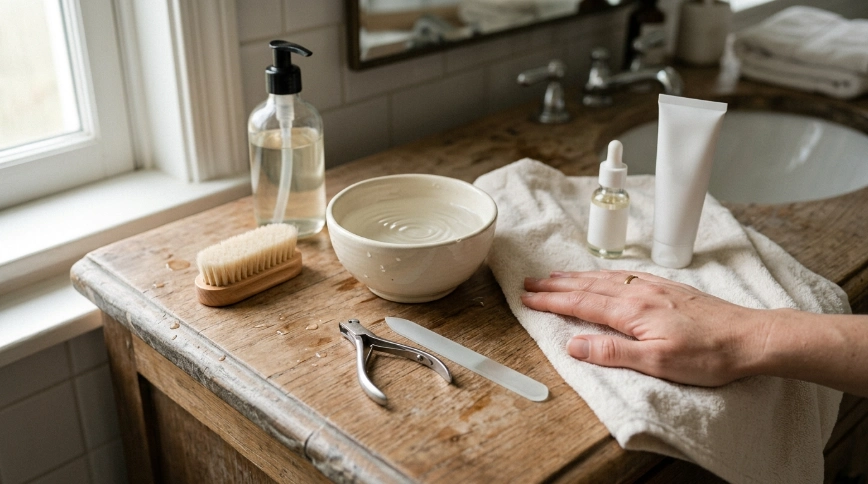
SaveGather everything before you start so you aren’t searching for tools with wet hands.
- Mild hand soap
- A bowl of comfortably warm water
- A clean, soft nail cleaning brush
- Clean nail clippers, if trimming is needed
- A glass nail file or fine-grit nail file
- A clean towel
- Hand cream, petroleum jelly, or cuticle oil
You don’t need bleach, strong household cleaners, metal scraping tools, or harsh DIY mixtures. Your nail plate and the delicate skin beneath the free edge can become irritated when cleaning gets too aggressive.
Warning
Don’t use sharp scissors, needles, pins, or metal objects to dig beneath your nails. They can injure the skin underneath the nail plate and create a pathway for irritation or infection.
How do you clean nails at home step by step?
1
Remove nail polish first
If you’re wearing regular nail polish, remove it before deep-cleaning your nails. This lets you see the entire nail plate and makes it easier to spot trapped dirt, staining, peeling, or other changes.
If you’re wearing gel, dip powder, acrylics, or press-ons, follow the proper removal method for that system rather than peeling or prying the enhancement off.
Common mistake: Scraping stubborn polish off with another nail. Peeling can remove surface layers from the natural nail along with the polish.
2
Wash your hands with soap
Wet your hands with clean running water and apply mild soap. Work the lather over your palms, fingertips, between your fingers, around your nails, and beneath the free edges where dirt commonly collects.
Give the soap enough contact and friction to loosen everyday grime before reaching for a brush.
Common mistake: Washing only your palms. The fingertips and underside of your free nail edges need attention too.
3
Soften stubborn dirt
If soil, makeup, food residue, or other debris is stuck beneath longer nails, soak just your fingertips in comfortably warm soapy water for about two to five minutes. The goal is simply to loosen the debris so you won’t need to scrape.
Skip a prolonged soak. Nails absorb water, so extended soaking can temporarily make them feel softer and more flexible.
Common mistake: Using very hot water. Comfortable warm water is enough to loosen debris without unnecessarily drying your hands.
4
Brush beneath your nail tips gently
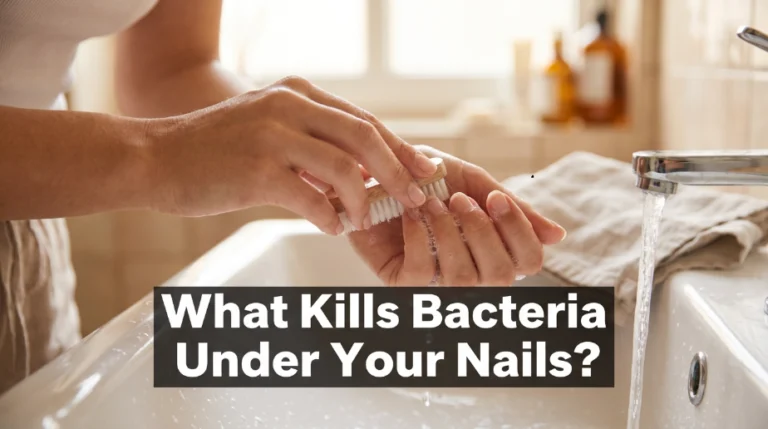
Wet a clean soft-bristle nail brush, add a little soap, and use light strokes around the fingertips and beneath the visible free edge. You shouldn’t need heavy pressure.
If something doesn’t release easily, soak it again instead of pushing the brush farther underneath the attached nail.
Common mistake: Trying to make the underside look unnaturally white by scrubbing harder. Your goal is removing debris, not scraping living tissue.
5
Rinse and dry completely
Rinse away all soap and loosened debris with clean running water. Dry your hands thoroughly, paying attention to your fingertips, nail folds, and underneath longer free edges.
Don’t immediately trap wet nails inside gloves or apply products over obviously damp skin.
Common mistake: Leaving longer nails damp underneath. Take an extra moment to dry them instead of only wiping the backs of your hands.
6
Trim and file rough edges
If your nails are too long for your routine or have snagged edges, trim them with clean clippers. Then use a fine file to smooth any roughness so tiny snags don’t catch on clothing and turn into larger breaks.
You can keep your preferred shape while avoiding excessively thin or pointed edges that constantly catch.
Common mistake: Using a very coarse file aggressively on natural nails. Choose a fine file and stop as soon as the edge feels smooth.
7
Moisturize your nails and cuticles
Massage a small amount of hand cream, petroleum jelly, or cuticle oil around the nail folds and cuticle area after cleaning. Soap, frequent handwashing, polish remover, and everyday chores can leave the surrounding skin feeling dry.
Leave the cuticle itself intact instead of cutting it away. If you’re planning to apply polish immediately, keep moisturizer away from the nail plate until after your manicure because surface oil can interfere with polish adhesion.
Common mistake: Cutting healthy cuticles because they look untidy. Moisturizing dry skin is safer than removing the protective seal around the nail.
How often should you clean underneath your nails?
Basic cleaning should be part of normal handwashing, especially after gardening, handling food, doing messy DIY projects, applying makeup with your fingers, or touching anything that leaves visible debris underneath your nails.
You don’t need a full 10-minute manicure routine several times a day. For normal daily hygiene, soap, running water, and attention to the fingertips are usually enough. Bring out the nail brush when visible debris remains.
Pro Tip
Keep one soft nail brush near the sink rather than inside a closed manicure kit. When the tool is visible, you’re more likely to use it after gardening, cooking, or other messy tasks instead of letting debris stay underneath longer nails.
What should you do—and avoid—when cleaning natural nails?
Do
- +Use soap and clean running water
- +Clean your nail tools before using them
- +Dry nails thoroughly after washing
Don’t
- −Dig deeply underneath the nail
- −Cut healthy cuticles away
- −Share unclean clippers or files
Once your nails are clean and properly shaped, even very simple manicures can look polished. If you prefer understated designs, these minimalist wedding guest nail ideas show how effective a clean, simple nail base can be.
How can you make nails look cleaner without over-scrubbing?
 Save
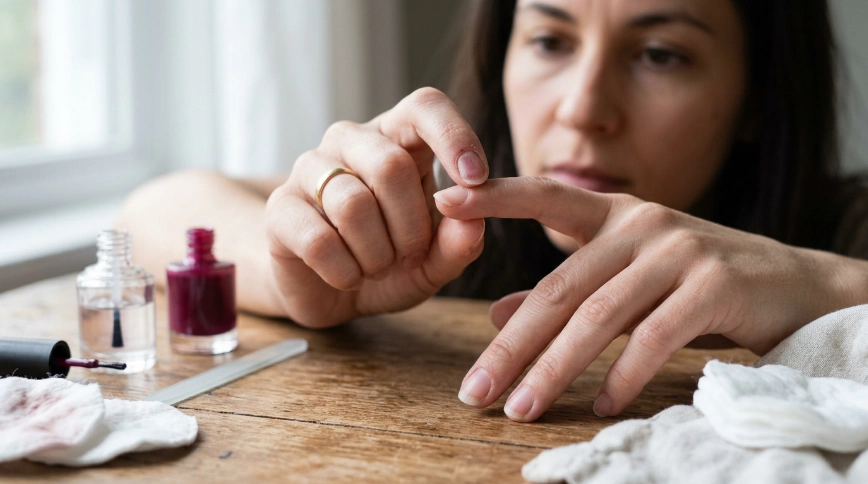
SaveSometimes the problem isn’t dirt. Nail polish staining, surface dryness, uneven edges, or leftover color can make clean nails look dull even after you’ve washed them.
Start by identifying what you’re actually seeing. If the underside is free from debris, additional scrubbing won’t necessarily make the nail plate look brighter.
Pro Tip
If you regularly wear dark or highly pigmented lacquer, use a base coat before color rather than trying to scrub away staining afterward. Prevention is much gentler than repeatedly buffing or whitening the nail surface.
If you’re cleaning your nails before an event, decide on your polish after your prep is complete. Our guide to the best nail polish for wedding guest manicures includes both sheer and opaque options for different finished looks.
What if your nails still look dirty after washing?
Dark material is still stuck under the tips
Soak the fingertips in warm soapy water for another two or three minutes, then gently brush again. Don’t replace gentle soaking with a sharp scraping tool. Wearing gloves during gardening or messy crafts can prevent the same problem next time.
Your nail plate still looks yellow
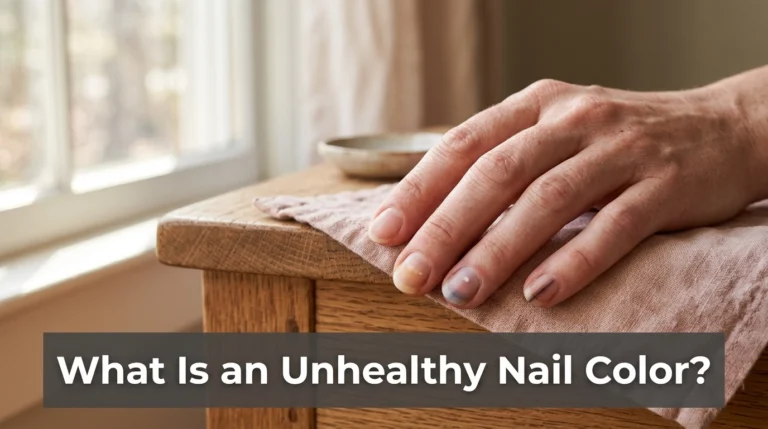
Don’t assume the color is surface dirt. Pigmented polish can stain nails, while persistent unexplained discoloration may have another cause. Stop aggressive scrubbing and pay attention to whether the color changes as the nail grows.
The skin around your nails feels dry afterward
Apply hand cream, cuticle oil, or a small amount of petroleum jelly after drying your hands. Next time, use mild soap, comfortable water, and less brushing pressure.
Long nails keep collecting debris
Keep a soft brush near your sink and clean beneath the free edge during routine washing. If cleaning feels difficult every day, shortening your nails slightly can make maintenance easier.
Should you clean toenails the same way?
The basic idea is similar: wash them, gently remove visible debris, rinse, and dry them thoroughly. Toenails deserve extra attention to drying because feet spend long periods inside socks and shoes.
Use separate or properly cleaned grooming tools, and don’t dig down the sides of a toenail trying to clean it. If you’re preparing for an open-toe event look, you can browse these easy wedding guest toe nail ideas after your basic hygiene routine.
When should you stop cleaning and have a nail checked?
Home cleaning is useful for ordinary dirt and grooming, but it isn’t a treatment for an unexplained nail problem. Stop trying to scrub away a change that doesn’t behave like surface debris.
Consider getting medical advice if a nail develops persistent or worsening discoloration, swelling, significant pain, pus, separation from the nail bed, marked thickening, or another new change that doesn’t improve normally.
Cleaning harder won’t fix an underlying nail condition, and repeated scraping can make irritated tissue more uncomfortable.
Warning
Don’t repeatedly bleach, scrape, buff, or soak a nail simply because its color or texture looks different. A persistent change deserves evaluation rather than increasingly aggressive cleaning.
Frequently asked questions about cleaning nails at home
Q: What is the easiest way to clean dirt from under nails?
A: Wash with soap and running water first. If dirt remains, soften it with a short warm-water soak and use a clean soft nail brush beneath the visible free edge instead of scraping with something sharp.
Q: Can I use baking soda to clean my nails?
A: You usually don’t need it for routine cleaning. Mild soap, water, and a soft nail brush are simpler choices for ordinary debris and reduce the temptation to scrub the nail plate aggressively.
Q: Should I clean underneath my nails every day?
A: Include the area beneath your nail tips when you wash your hands. You don’t need an intensive brushing session every day unless visible debris is collecting underneath your nails.
Q: Can I use a toothbrush to clean my nails?
A: A dedicated soft-bristle brush is better because you can keep it solely for nail cleaning. Whatever brush you use should be clean, soft, and used gently rather than pushed deeply underneath the nail.
Q: Should I cut my cuticles when cleaning my nails?
A: No. Routine nail cleaning doesn’t require cutting healthy cuticles. Leave them intact and moisturize dry skin around the nail instead.
Clean nails don’t require complicated products
The safest home routine is also one of the simplest: soap, water, gentle brushing, thorough drying, neat filing, and moisturizer. If debris won’t come out easily, soften it rather than digging underneath your nail.
Make that routine part of your regular hand care and your natural nails will be much easier to keep looking tidy. Save this guide to Pinterest so you have the seven-step routine ready before your next at-home manicure.

Hi, I’m Jessica, the creator behind Unique Lash & Nails Katy.
I created this website for anyone who loves beautiful nails as much as I do. Here, I share trendy nail designs, seasonal manicure ideas, easy nail care tips, honest product recommendations, and step-by-step guides to help you create salon-worthy nails at home. Whether you’re looking for everyday inspiration or your next favorite nail trend, I hope you’ll find something you love.